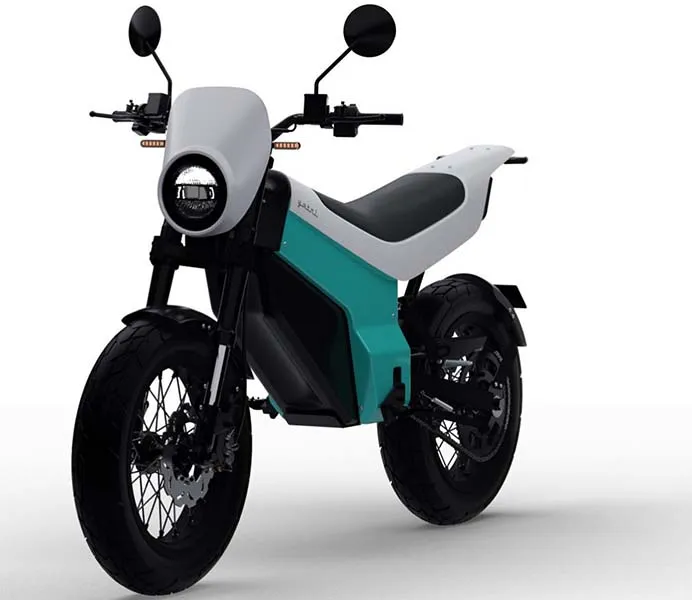
Nepal has spent years watching foreign EVs roll into its market. This August, it gets to show the world one of its own.
The Yatri P2, a fully Nepali-designed and developed electric scooter, is confirmed to make its public debut at the HP Presents NADA Auto Show 2026, scheduled from August 9 to 14 at Bhrikutimandap, Kathmandu. Sipradi Trading, the company behind the joint venture with Yatri Design Studio, has already booked its stall at the show.
Bookings and additional details about the scooter are expected to be announced through the event itself.
The Partnership That Made It Possible
This scooter didn't happen in a vacuum. It took two very different companies finding each other at exactly the right moment.
Yatri and Sipradi Trading formed a joint venture to pioneer the development of next-generation electric scooters in Nepal, known as the P2 project. The agreement was signed in June 2024. What makes this pairing interesting is how complementary it is on paper, and apparently in practice too. Yatri Motorcycles introduced Nepal's first locally produced electric motorcycle, the P-1, pioneering the country's electric vehicle market. Meanwhile, Sipradi Trading has been the exclusive distributor of Tata Motors in Nepal since 1982, solidifying its leading role in the automotive sector.
So you have a scrappy EV startup with serious engineering credibility on one side, and one of Nepal's most established automotive names on the other. Sipradi saw strong potential in Yatri's design and production work and moved to support local manufacturing of electric scooters and motorcycles. Yatri gets manufacturing scale and distribution muscle. Sipradi gets a foothold in Nepal's two-wheeler EV space before it explodes. Both win, at least on paper.
Design
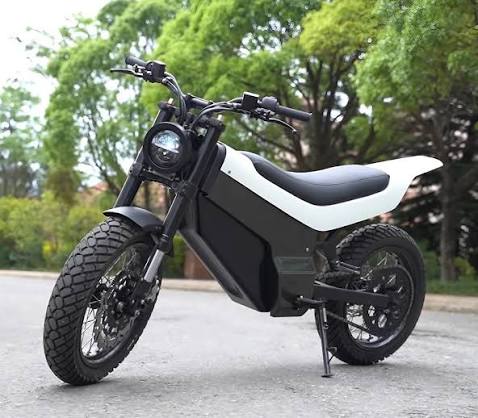
The P2 doesn't look like your average scooter. That much is already clear from what's been revealed.
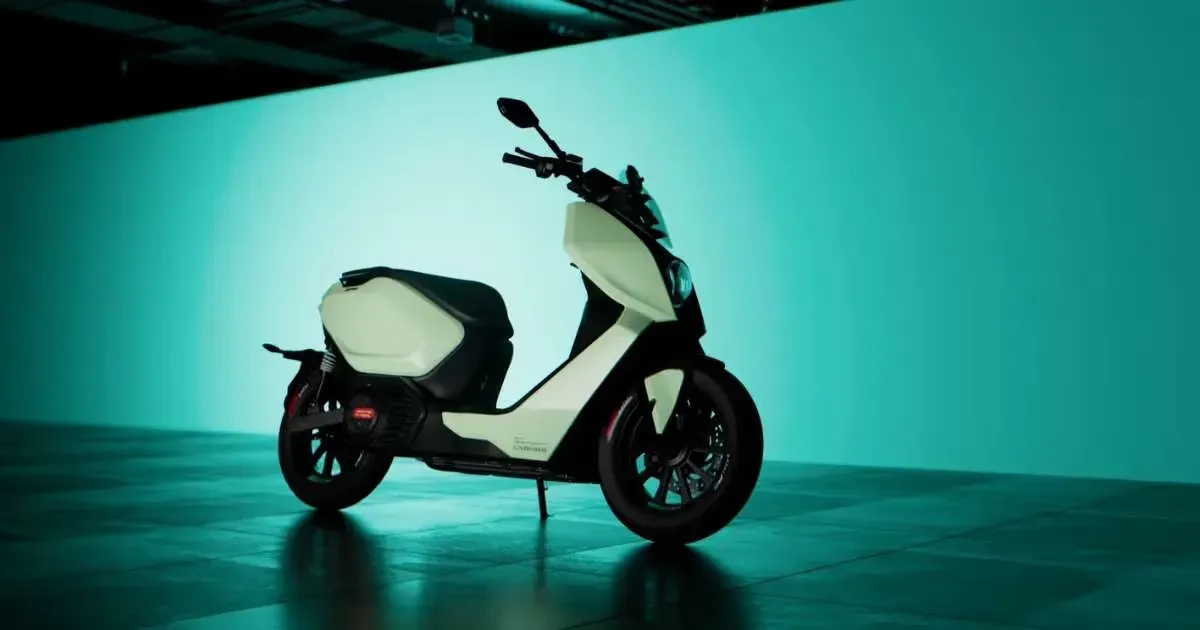
The scooter carries a sporty design. A mid-mounted motor can be seen. The front fender and rear section look muscular. A blue Yatri badge is placed below the seat. The seat also seems wide and comfortable. The scooter features 12-inch alloy wheels and an aluminum swingarm. It also comes with double-sided spring suspension. Sharp edges are visible on the body, and the floorboard looks spacious.
More recent sightings during road testing have added another detail: latest images show a motorcycle-like design with styling different from conventional scooters. It features 14-inch wheels and a mid-mounted motor setup. An LED headlamp is also visible.
The design language is clearly influenced by Yatri's motorcycle DNA, angular, assertive, and nothing like the bubble-fender scooters that dominate Kathmandu's streets. Whether that look translates into mass-market appeal is a real question, but Yatri has never chased generic. They're betting that Nepali riders are ready for something that doesn't look borrowed from a Chinese OEM catalog.
Performance & Testing
The new electric scooter has successfully completed a challenging road test of 7,000 kilometers. The scooter has undergone rigorous testing on roads across several challenging locations in Nepal, including Waling, Ramdi Ghat, Bharatpur, Kathmandu, Nuwakot, Kuri, Hetauda, Jiri, Phaparbari, Mulkot, and Katari. The company has evaluated the scooter's performance on both flat roads in the Terai region and in mid-hill and off-road segments. To further test its durability, the scooter has been driven for over 400 kilometers daily.
That's not a PR stunt testing route. From the Terai plains to mid-hill climbs to the winding roads toward Jiri , the P2 has been pushed through the kind of terrain that breaks lesser machines. The company plans to run a single scooter for 50,000 kilometers. The test report will guide the decision on mass production.
Running a single prototype to 50,000 km before committing to mass production is either extremely thorough or extremely cautious, depending on how you look at it. Either way, it signals that Yatri and Sipradi aren't cutting corners on durability validation, which matters a lot for a product trying to earn trust in a market where after-sales reliability is a major buying factor.
Specifications
Motor output, battery capacity, and range figures have not been officially disclosed. Technical details such as motor output and battery capacity are yet to be disclosed. The company has not announced an official launch date.
According to the manufacturer, the P2 scooter has been fully designed and developed in Nepal. Product design and engineering work has been carried out by Yatri Design Studio, which previously introduced locally developed electric motorcycles in the Nepali market.
What we can confirm from visual evidence: mid-mounted motor, 12 to 14-inch alloy wheels, aluminum swingarm, dual-sided spring suspension, LED headlamp, disc brake, and a wide floorboard. The "Made in Nepal" badge, prominently placed on the scooter, is as much a specification as any technical figure. It tells you where the engineering decisions were made and where the value is supposed to stay.
Production
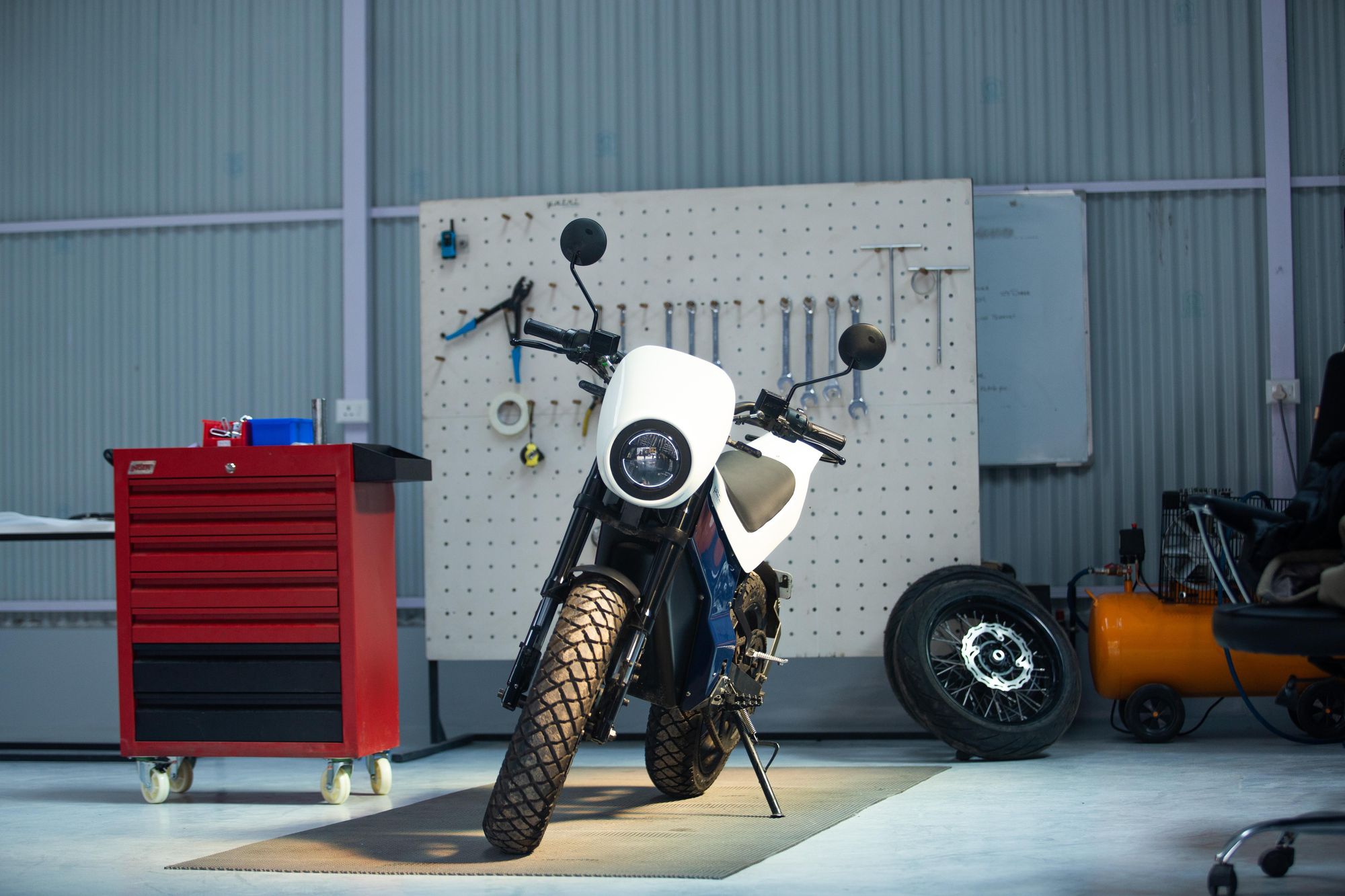
The scooter isn't just being assembled here, it's being manufactured here. Yatri has also finished the design of its production plant and begun construction. The motorcycle and scooter plant will be located in Gajuri, Dhading.
Sipradi Yatri aimed to bring the electric scooter manufactured in Nepal to the market by the end of April 2026. That deadline has clearly shifted, the NADA Auto Show in August is now the confirmed public debut window. But the fact that a dedicated manufacturing plant is going up in Dhading is significant. This isn't a warehouse with a screwdriver assembly line. Yatri has been building toward genuine local production capacity since its founding in 2017, and the Sipradi investment has finally given them the runway to do it at scale.
Price
No official price has been announced. Bookings are expected to open at the NADA Auto Show, where pricing is likely to be revealed for the first time.
What the broader context tells us is that electric scooters have been gaining serious momentum in Nepal, with decent options available under the NPR 200,000 mark driving rapid adoption across the country. Yatri's previous motorcycles, the P0 and P1, were priced for enthusiasts rather than commuters. The P2 is a different play entirely, it is supposed to be the mass-market vehicle that those earlier models never were.
If Sipradi can leverage its manufacturing and distribution infrastructure to bring the P2 in at a competitive price point, the scooter has a genuine shot at the volume market. If the price overshoots, it risks being another premium local product that Nepalis admire but don't buy. That tension, between quality and affordability, is the central challenge the August debut has to answer.
Conclusion
It would be easy to gloss over how unlikely this moment is. A team of six engineers began work in 2017 and produced Yatri's first electric motorcycle within two years. They sourced carbon fiber, designed their own parts, worked with manufacturers across the US, China, India, and Europe, and then hit a wall when the vehicles couldn't be registered because the legal framework for locally manufactured EVs didn't exist yet. Production was suspended. The company survived anyway. The laws eventually caught up. Number plates were issued. And Yatri kept building.
The P2 is the product of that stubbornness. Whether the NADA Auto Show turns into a genuine commercial launchpad or another chapter in a long runway toward market depends on factors Yatri and Sipradi have been methodically working through, durability data, pricing strategy, production capacity, and a national market that has warmed considerably to electric two-wheelers.