-original.webp)
Nepal's 160cc segment has always been crowded, competitive, and price-sensitive to the rupee. Now TVS has shaken it up with a bike carrying features that usually belong to far costlier machines.
On June 27, 2026, TVS Motor Company and its authorized Nepali distributor Jagdamba Motors unveiled the updated Apache RTR 160 4V at an event in Satungal, Kathmandu. The rice is Rs 4,29,900. For a 160cc motorcycle in Nepal, that figure is bold, and it will divide opinion in showrooms from Kathmandu to Pokhara. TVS is no longer pitching this Apache as an affordable performance bike for the young rider. It has pushed it firmly upmarket, and the spec sheet is what it expects to do convincing.
So the question every Nepali buyer will ask is simple. At this price, in this market, is it worth it?
Design
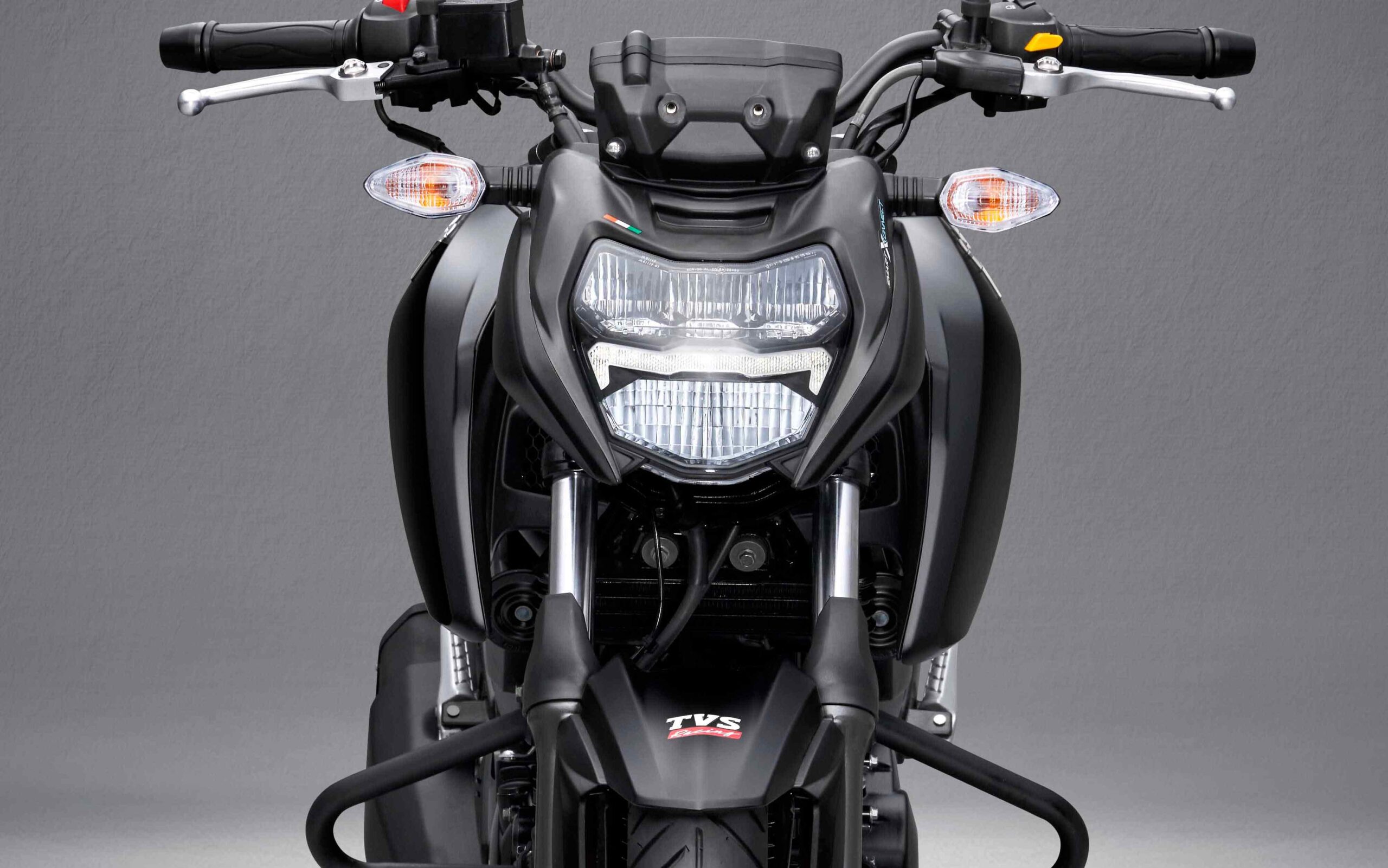
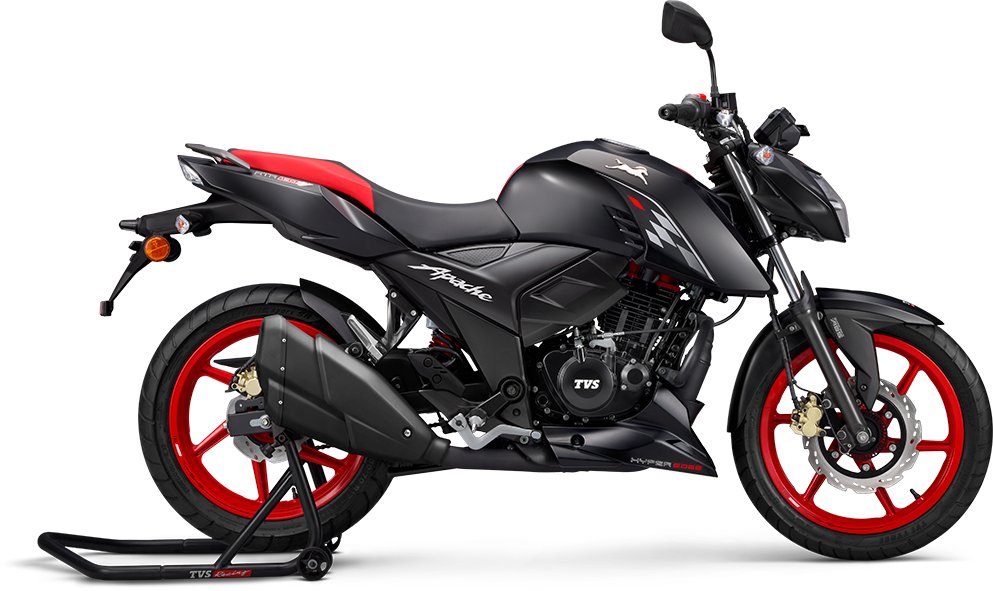
The standout addition is the projector LED headlamp, which TVS is calling a segment-first. Marketing aside, the benefit is genuine for Nepali conditions. Projector units throw a tighter, brighter beam than the reflector lamps most rivals still use, and that matters when you are riding the dimly lit stretches of the Ring Road or heading out on a highway after sunset where streetlights simply do not exist.
Then there is the 37mm upside-down front fork. USD forks have long been reserved for premium bikes, so finding them on a 160 is a real talking point. They are not just for looks. A stiffer, more planted front end sharpens handling and keeps the bike composed over the potholes, patched tarmac, and rough village roads that make up so much of riding in Nepal.
The cockpit gets a new 5-inch TFT instrument cluster, replacing the older display. It signals where TVS believes the segment is heading, away from basic readouts and toward the connected, modern dashboards that Nepali riders in their twenties increasingly expect.
The bike is offered in three colours: Matte Black, Racing Red, and Marine Blue.
Features
TVS has loaded this update with a kit that justifies the conversation around its price. The headline draws are the segment-first projector LED headlamp and the 37mm USD front forks, but the supporting features carry their weight too. The 5-inch TFT screen modernizes the cabin, dual-channel ABS handles braking at both wheels instead of just the front, and three switchable ride modes let riders adapt the bike to changing road and weather conditions. For the Nepali market, where monsoon riding and unpredictable surfaces are part of daily life, this is a feature list that used to sit on bikes wearing much bigger price tags.
Performance
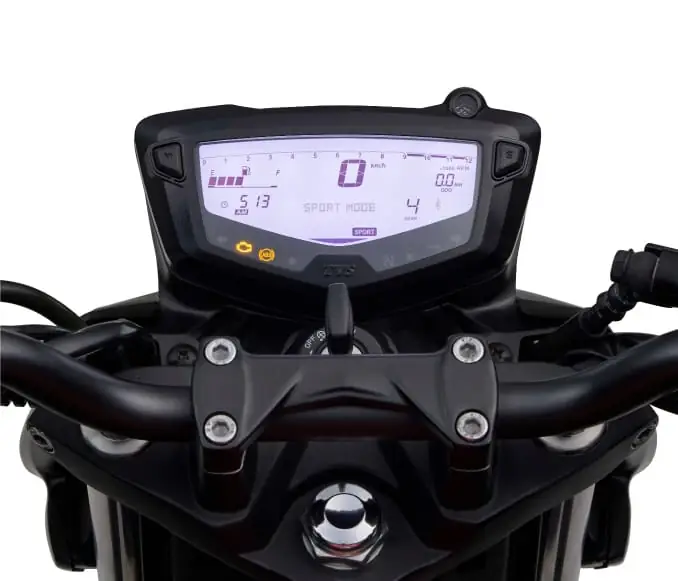
Beneath the new hardware sits the familiar 159.7cc single-cylinder engine, and that continuity is a strength. This motor already has a loyal following among Nepali riders. In Sport mode it produces 17.55 PS at 9,250 rpm, while Urban and Rain modes ease output to 15.64 PS at 8,650 rpm. Power goes through a five-speed gearbox.
The three ride modes are the clever bit for Nepal specifically. Sport gives you the full punch for open highways. Urban calms things down for the bumper-to-bumper crawl of Kathmandu traffic. Rain softens throttle response and recalibrates the safety systems, which is no gimmick during the monsoon, when roads turn slick for months at a stretch. Anyone who has tried to brake hard on a wet street in Lalitpur in July will appreciate a mode built exactly for that.
On braking, dual-channel ABS comes as standard. That is a meaningful upgrade. Single-channel systems only manage the front wheel and leave the rear unmanaged, but dual-channel keeps both ends stable during emergency stops. Combined with the new USD forks, the front-end confidence should be a clear step up over the outgoing model, and a welcome one on Nepal's unpredictable roads.
Specifications
Engine and Performance
Engine: 159.7cc, single-cylinder
Max power (Sport mode): 17.55 PS at 9,250 rpm
Max power (Urban/Rain mode): 15.64 PS at 8,650 rpm
Gearbox: 5-speed
Ride modes: Sport, Urban, Rain
Fuel tank capacity: 12 litres
Chassis and Safety
Front suspension: 37mm upside-down (USD) forks
Braking: Dual-channel ABS (standard)
Lighting and Display
Headlamp: Projector LED
Instrument cluster: 5-inch TFT
Colours
Matte Black
Racing Red
Marine Blue
Price and Availability in Nepal
At Rs 4,29,900, the Apache RTR 160 4V is no longer fighting on price in the Nepali market. It is fighting on equipment. The bike is available now at select Jagdamba Motors dealerships, with wider availability across the dealer network expected by July 2026.
Conclusion
The real question for Nepal is whether buyers in this bracket will spend close to premium money on a 160. TVS is betting that the projector lamp, USD forks, TFT screen, and dual-channel ABS add up to enough value to lift the Apache into a higher class. The Apache badge carries genuine weight among Nepali riders, but brand loyalty only goes so far when a sharply specced rival sits a few thousand rupees away on the same showroom floor. And in a country where import duties and taxes already inflate two-wheeler prices well beyond their Indian counterparts, every rupee of that sticker gets scrutinized.
For now, TVS has made the most aggressive feature play this segment has seen in Nepal for some time. Whether Nepali riders reward that ambition or hesitate at the price will become clear in dealership footfall over the coming weeks. Will rivals like Bajaj, Honda, and Yamaha answer back, or has TVS just quietly raised the bar for what a 160 in Nepal is expected to deliver?


-original.webp)