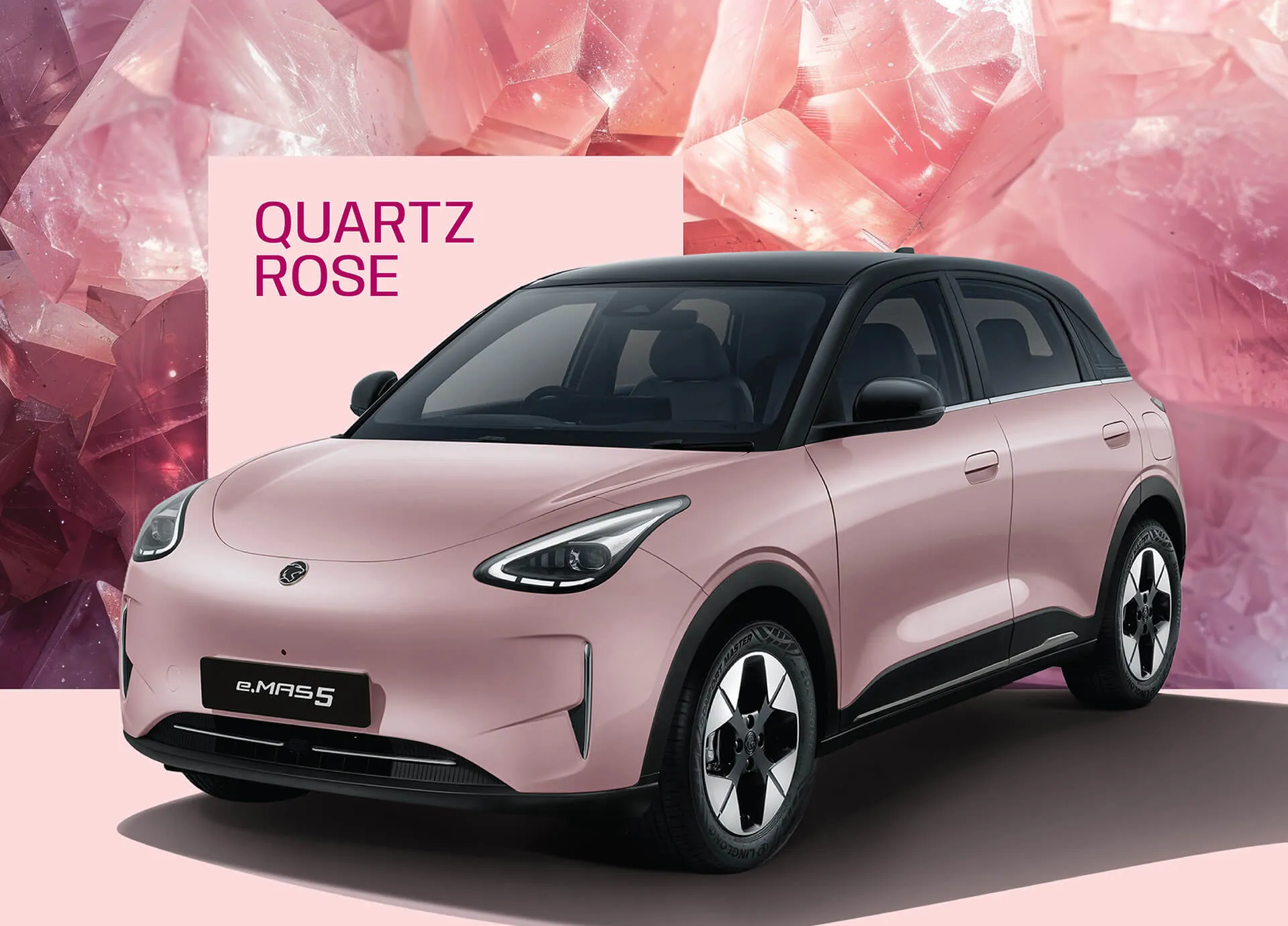
Nepal's compact EV segment just got a serious new contender. Jagdamba Motors has officially launched the Proton eMAS 5, and the introductory price of Rs 29.99 lakh is not an accident , it is a statement.
The eMAS 5 is Proton's second all-electric model in Nepal, and it arrives with more substance than most launches in this segment. Two variants, a CATL LFP battery, DC fast charging, and a V2L system that actually makes sense for Nepal's power situation. The question is not whether the spec sheet impresses , it does. The question is whether Jagdamba Motors can deliver the after-sales experience that turns first-time buyers into repeat customers.
Here is everything you need to know.
Design
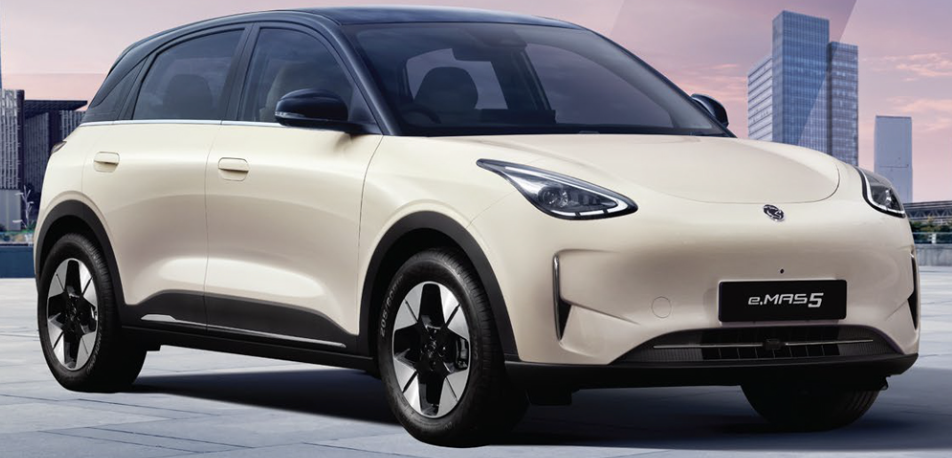
The eMAS 5 does not try to be aggressive. It is a compact SUV in the truest sense , proportionate, clean, and sized for real urban use rather than a showroom floor. The body sits on a rear-wheel-drive platform with a multi-link rear suspension setup, which is a meaningful engineering choice at this price point. Multi-link rear suspension typically delivers better ride composure and handling balance than the torsion beam setups common in budget EVs.
At 4,135 mm long, 1,805 mm wide, and 1,580 mm tall, the eMAS 5 occupies the compact bracket without sacrificing interior room. The 2,650 mm wheelbase does good work here. Ground clearance comes in at 175 mm , workable for Kathmandu's roads, though not built for anything beyond light gravel.
Performance
This is where the two variants diverge in a way that actually matters.
The Prime is powered by a 58 kW permanent magnet motor paired with a 30.12 kWh CATL LFP battery. WLTP-certified range sits at 225 km. It does 0 to 50 km/h in 4.4 seconds. Adequate, honest, and well-suited to city driving where you are rarely asking for more than that.
The Premium is a different proposition. An 85 kW motor, a 40.16 kWh CATL LFP battery, and a WLTP range of 325 km. The 0 to 50 km/h sprint drops to 3.9 seconds. That 100 km range advantage over the Prime is not a minor upgrade , in a country where public fast chargers are still concentrated around Kathmandu, having 325 km in reserve changes how you use the car.
Both variants use CATL's lithium iron phosphate chemistry. LFP cells are slower to degrade over charge cycles and carry a significantly lower thermal risk than the NMC alternatives found in some competitors. For buyers who plan to keep a vehicle for five to eight years, this is the better long-term bet.
Interior
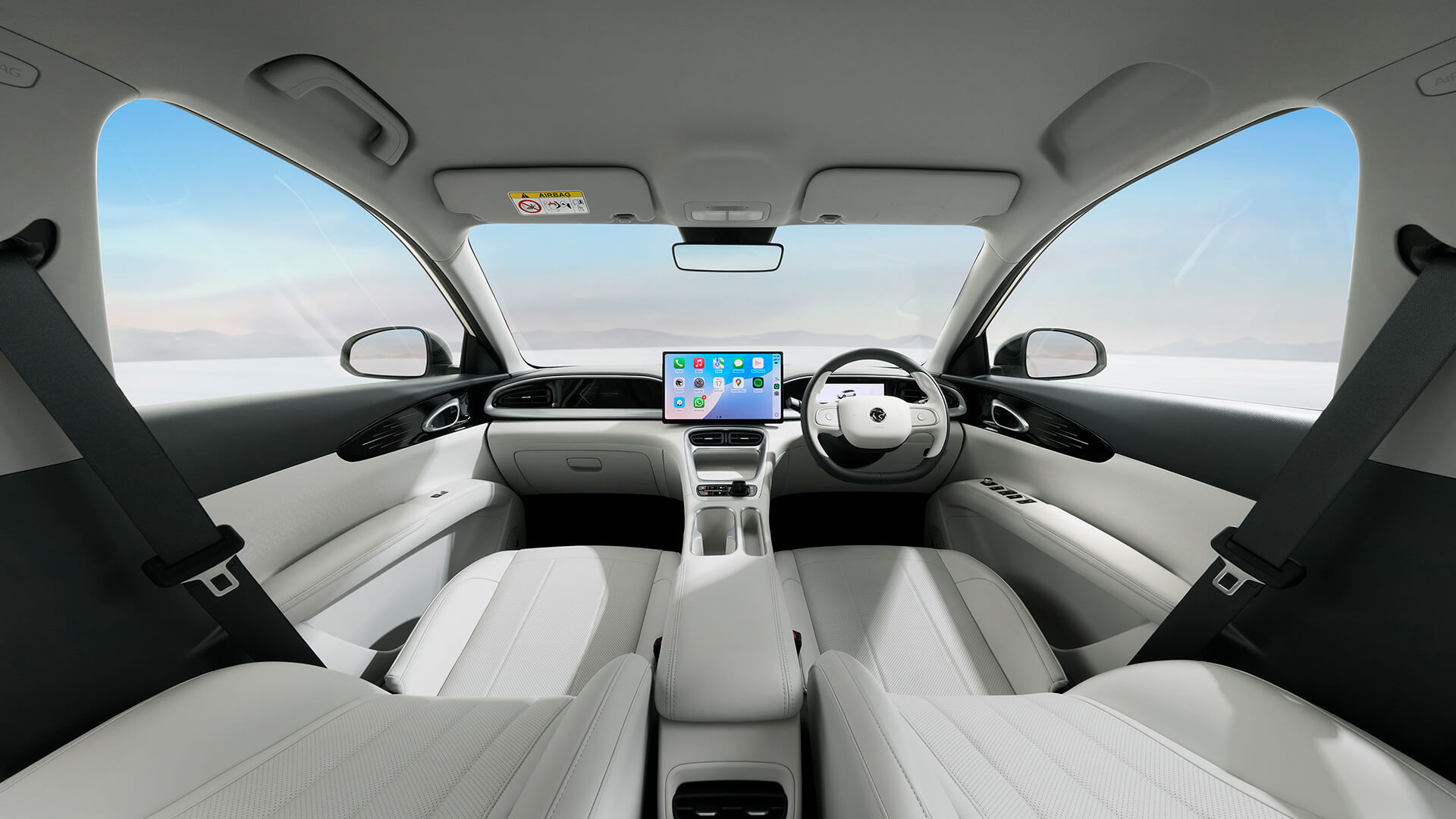
The eMAS 5 keeps its interior clean and functional. Physical controls are minimal, the dashboard layout prioritises the driver, and the overall feel is calm rather than cluttered , a contrast to some rivals that load the cabin with screens and switches that add visual noise without adding value.
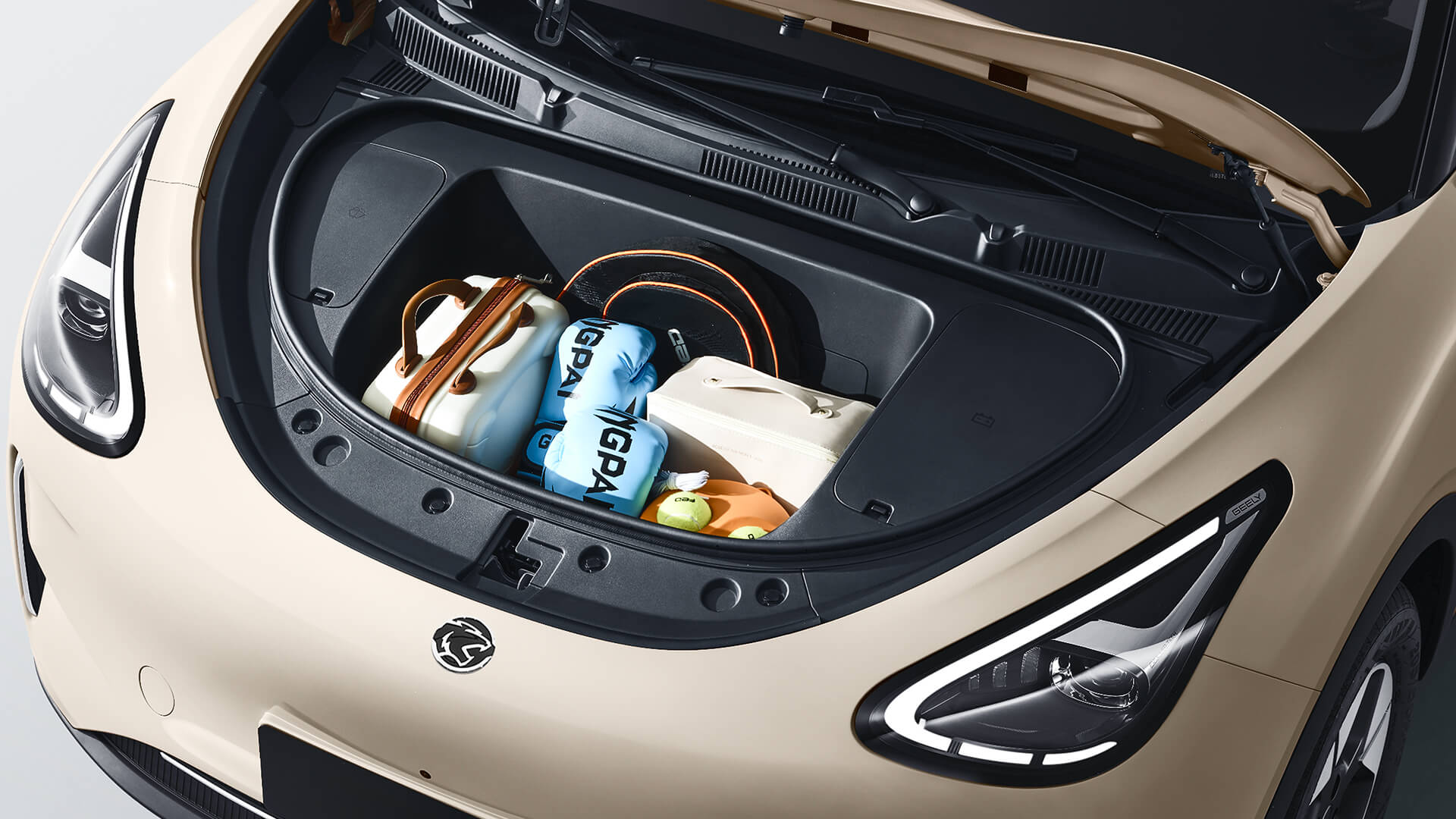
Standard equipment across both variants includes a flat-bottom steering wheel, wireless charging, and automatic climate control. The panoramic roof brings in natural light and makes the cabin feel larger than the footprint suggests. Boot space and rear seat room are in line with what the wheelbase promises.
The Premium variant adds ventilated front seats , a welcome addition to Nepal's increasingly warm summers.
Features
DC Fast Charging Both variants support DC fast charging. The battery goes from 30 percent to 80 percent in approximately 21 minutes. That is not a marketing estimate designed for ideal lab conditions , that is a usable number for a real charging stop.
Vehicle-to-Load (V2L) The eMAS 5 comes with 3.3 kW V2L functionality, meaning the car can power external electrical devices directly. Camping, worksites, or simply keeping appliances running during load-shedding , this is a feature that earns its place in Nepal specifically.
Level 2 ADAS (Premium only) The Premium variant includes a full Level 2 Advanced Driver Assistance Systems suite. This covers active lane keeping, adaptive cruise, automatic emergency braking, blind spot monitoring, and more. The Prime does not get this package , buyers who want the full safety tech suite need to step up.
Wireless Connectivity Both variants support wireless Apple CarPlay and Android Auto.
Specifications
Specification | Prime | Premium |
Motor output | 58 kW | 85 kW |
Battery capacity | 30.12 kWh | 40.16 kWh |
Battery type | CATL LFP | CATL LFP |
WLTP range | 225 km | 325 km |
0–50 km/h | 4.4 sec | 3.9 sec |
Drive layout | RWD | RWD |
Rear suspension | Multi-link | Multi-link |
DC fast charge (30–80%) | ~21 min | ~21 min |
V2L | 3.3 kW | 3.3 kW |
Airbags | 6 | 6 |
Level 2 ADAS | No | Yes |
Length | 4,135 mm | 4,135 mm |
Width | 1,805 mm | 1,805 mm |
Height | 1,580 mm | 1,580 mm |
Wheelbase | 2,650 mm | 2,650 mm |
Ground clearance | 175 mm | 175 mm |
Safety Features
Both variants come standard with six airbags , front, side, and curtain , covering all five occupants. That is the baseline, and Proton meets it without making buyers pay extra for it.
The Premium variant goes further with a full Level 2 ADAS suite that covers active safety scenarios most buyers in Nepal have never had access to at this price. This includes automatic emergency braking with pedestrian detection, lane departure warning, lane keep assist, blind spot detection, and rear cross traffic alert.
Six airbags on every variant, active safety tech on the Premium. The Prime gives you passive protection; the Premium gives you systems designed to help you avoid the accident in the first place.
Price in Nepal
Variant | Standard Price | Introductory Price (First 100 Buyers) |
Prime | Rs 32.99 Lakh | Rs 29.99 Lakh |
Premium | Rs 36.99 Lakh | Rs 34.99 Lakh |
Distributed by Jagdamba Motors, sole authorised Proton distributor in Nepal. Introductory pricing applies to the first 100 confirmed buyers of each variant.
The introductory offer is worth acting on if you are already in the market. A Rs 3 lakh saving on the Prime and Rs 2 lakh on the Premium is not a token discount , at this price bracket, it is the difference between tiers for some buyers.
Conclusion
The Proton eMAS 5 arrives in Nepal with a spec sheet that holds up under scrutiny. CATL LFP batteries for long-term reliability, 325 km WLTP range on the Premium, 21-minute fast charging, V2L for real-world Nepali conditions, and Level 2 ADAS on the top variant. The introductory pricing makes the entry point genuinely competitive.
The hardware is not the question. The question , as it always is with a relatively new brand in Nepal , is what happens after the sale. Service network depth, parts availability, and software support are where brand loyalty is actually built. Jagdamba Motors has the infrastructure to make this work. Whether they execute consistently is what buyers will be watching over the next twelve months.
If you are in the market for a compact electric SUV under Rs 35 lakh, the eMAS 5 belongs on your shortlist.