There is a reason Vespa has survived for eighty years while hundreds of scooter brands have not, and it has very little to do with horsepower.
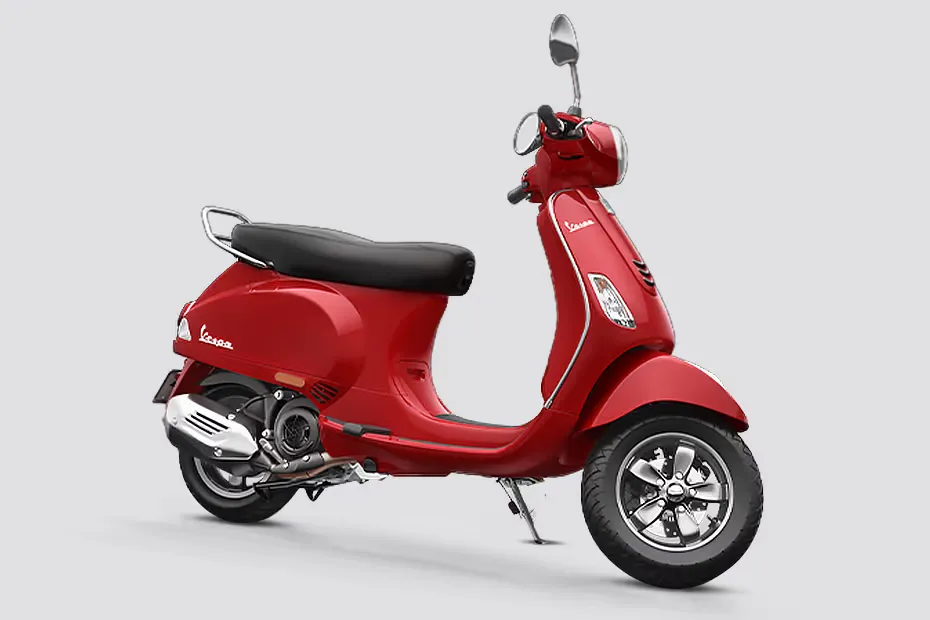
Delta Autocorp has launched the Vespa 150 FI OBD 2 Stage B in Nepal at an introductory Rs 435,000. The announcement went heavy on Italian design, heritage and craftsmanship, and light on actual numbers. That is not an oversight. It is the pitch.
The launch took place at the distributor's Tripureshwor showroom in Kathmandu on 13 October.
What Vespa actually sells
Worth being honest up front, because it frames everything else.
A Vespa is not a value purchase. At Rs 435,000 you are buying a 150cc scooter that will be comfortably outrun by machines costing considerably less. What you get instead is a monocoque steel body, a design lineage running back to 1946, and a silhouette nothing else on the road imitates successfully.
That steel body is the one genuinely distinctive piece of engineering here. Almost every scooter sold in Nepal uses plastic panels over a tube frame. Vespa stamps its body from steel, which is heavier and more expensive to produce, and gives the scooter a solidity you notice the moment you sit on one.
Whether that is worth the premium is a personal question, and plenty of Vespa owners would say the question misses the point entirely.
Design
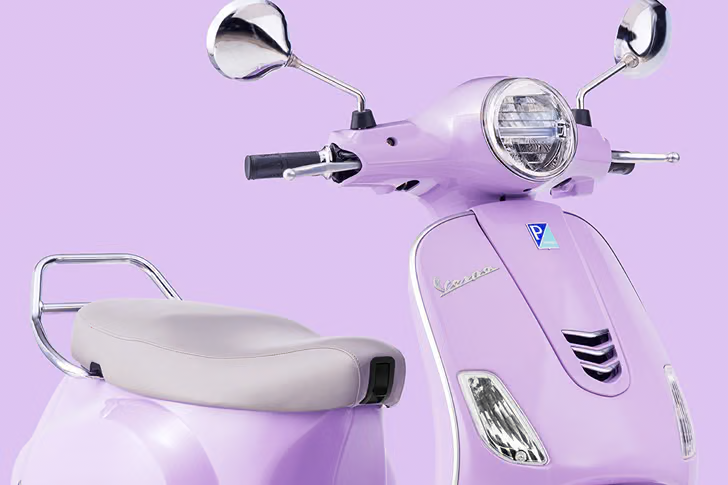
The shape has barely changed in decades, and that is deliberate.
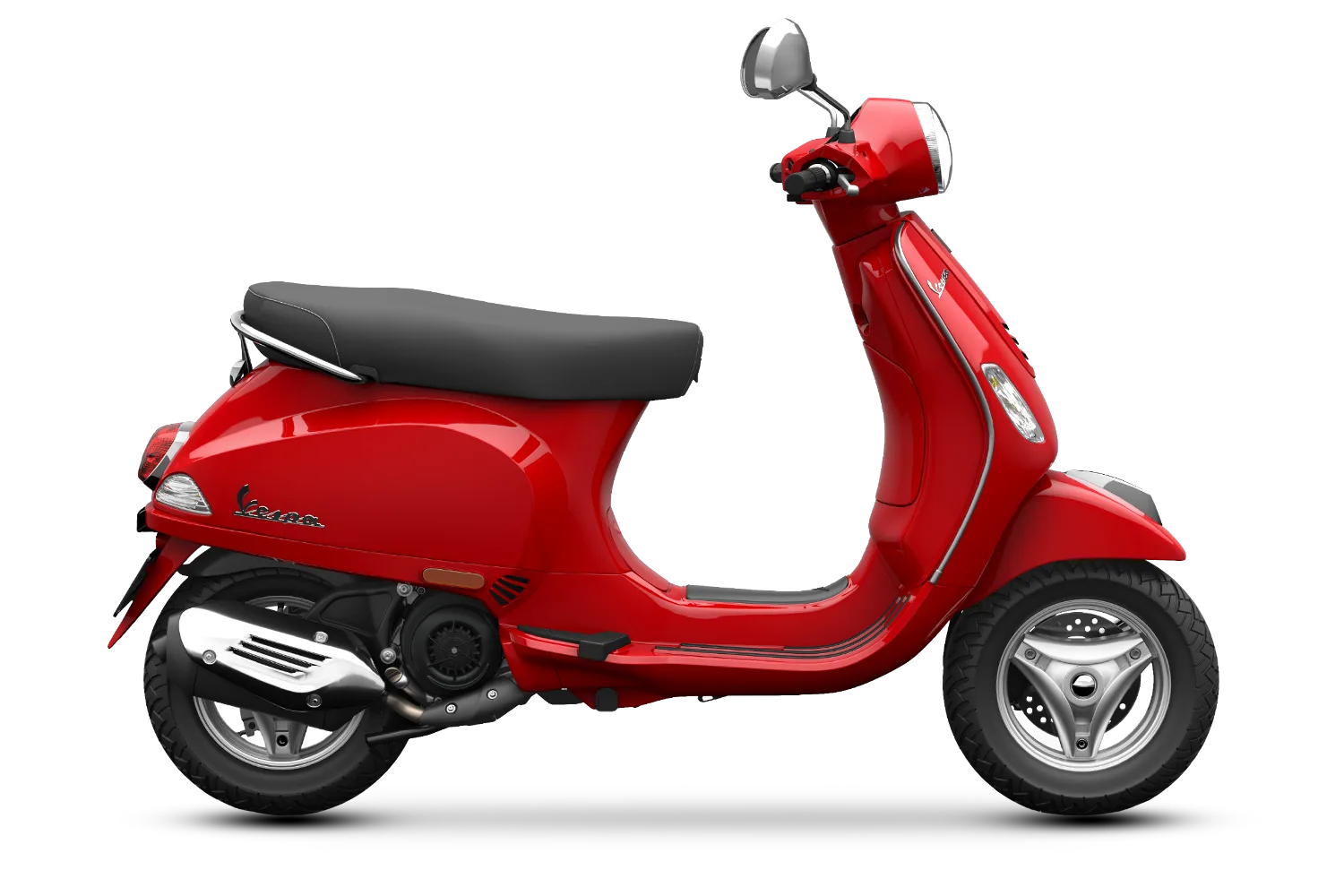
You get the pressed steel monocoque, the single-sided front suspension arm that no other manufacturer bothers with, chrome detailing and the stepped seat profile that has defined Vespa since the fifties. Classic proportions with modern lighting and a digi-analog instrument cluster.
It is the only scooter in Nepal that people photograph when it is parked.
Engine
The Vespa 150 platform runs a 149.5cc single-cylinder, air-cooled, three-valve engine with electronic fuel injection, producing around 11.42 PS at 7,500 rpm and 11.66 Nm at 6,100 rpm, driving through a CVT automatic.
OBD 2 Stage B is the updated emissions compliance standard, which the whole Vespa range in Nepal moved to last year. It brings improved diagnostics and cleaner running rather than extra performance.
Expect roughly 90 to 95 km/h flat out and somewhere between 35 and 42 kmpl depending on how you ride. Adequate for the valley, relaxed on the highway, never going to thrill anyone.
Brakes and suspension
A 200mm front disc with single-channel ABS, paired with a 140mm rear drum.
That is modest hardware at this price, and worth knowing before you buy. Single-channel ABS means the system works at the front wheel only, and a drum at the rear is a long way from what Rs 435,000 buys elsewhere.
Suspension is the single-sided bottom-link arrangement at the front, which is pure Vespa, and a single rear shock with four-step preload adjustment.
Specification
Specification | Detail |
Engine | 149.5cc, single-cylinder, 4-stroke, air-cooled, SOHC, 3-valve |
Fuel System | Electronic fuel injection |
Max Power | 11.42 PS at 7,500 rpm |
Peak Torque | 11.66 Nm at 6,100 rpm |
Bore x Stroke | 58.0 x 56.6 mm |
Transmission | CVT automatic |
Emissions | OBD 2 Stage B compliant |
Front Brake | 200 mm disc with single-channel ABS |
Rear Brake | 140 mm drum |
Front Suspension | Single-sided bottom-link |
Rear Suspension | Single shock, four-step preload adjustable |
Front Wheel | 11-inch |
Rear Wheel | 10-inch |
Front Tyre | 110/70-11, tubeless |
Body | Monocoque steel |
Kerb Weight | Around 115 kg |
Fuel Tank | 7.4 litres |
Claimed Mileage | 35 to 42 kmpl |
Top Speed | Around 90 to 95 km/h |
Electricals | 12V battery, USB charging port |
Delta Autocorp has not published a detailed specification sheet for the Nepal model. The figures above reflect the current Vespa 150 platform this scooter is based on, and should be confirmed at a showroom.
Features
Monocoque steel body construction
149.5cc three-valve air-cooled engine with fuel injection
OBD 2 Stage B emissions compliance
CVT automatic transmission
200 mm front disc with single-channel ABS
Four-step preload adjustable rear suspension
Tubeless tyres on alloy wheels
Under-seat storage
USB charging port
LED lighting
Digi-analog instrument cluster
Chrome detailing and classic Vespa styling
Passenger footrests and pass switch
What the company said
Vijay Kumar Mahato, Director and CEO of Delta Autocorp, called the launch an important milestone for the company and for Vespa customers in Nepal, describing the scooter as a combination of Italian design, modern technology and performance. He added that the model was introduced with Nepal's road conditions and urban travel needs in mind.
Ketan Bhimsaria, Director at Delta Autocorp, said the aim was to offer a more powerful riding experience while preserving Vespa's timeless Italian design.
Price in Nepal
Model | Price |
Vespa 150 FI OBD 2 Stage B | Rs 435,000 (introductory) |
Delta Autocorp currently offers Vespa across 125cc and 150cc configurations, including the ZX 125, Vespa 125, Vespa S 125, VXL 150 and Elegante 150.
Recent listings have put the Vespa 125 around Rs 3,99,000 and the S 125 near Rs 4,09,000, with the Elegante 150 around Rs 4,44,446. So Rs 435,000 slots the new model into the middle of the 150cc end of the lineup.
Worth confirming current pricing at a showroom, since Vespa's Nepal prices have shifted more than once this year, and introductory pricing in this market has a reliable habit of firming up once early demand clears.
The comparison nobody at Vespa wants to make
Here is the uncomfortable part, and readers deserve it stated plainly.
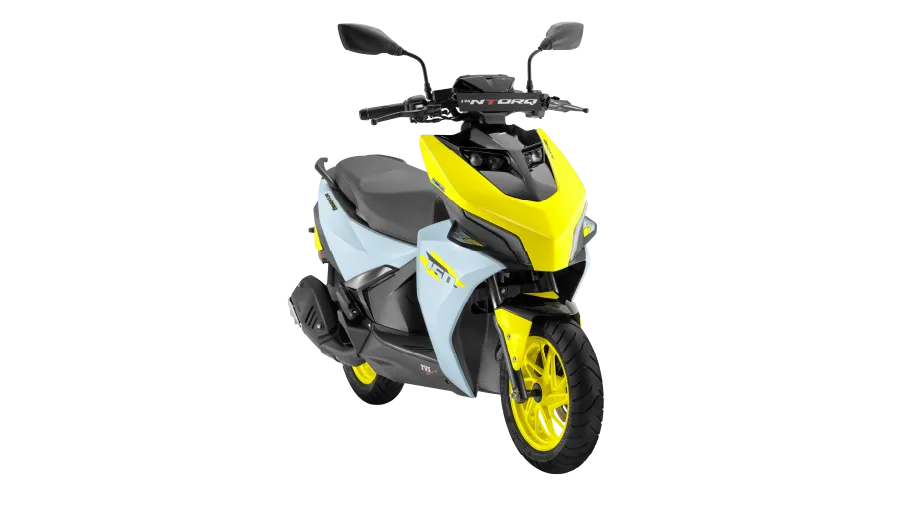
The TVS Ntorq 150 launched in Nepal at Rs 3,69,900, which is Rs 65,100 less. For that lower price you get a 149.7cc three-valve engine producing 13.2 PS, a claimed 104 km/h top speed, 0 to 60 in 6.3 seconds, and on the top variant a 5-inch colour TFT, traction control and switchable riding modes.
Even the Zontes G1 125 at Rs 440,000, roughly the same money, brings upside-down forks, dual-channel Bosch ABS and a 20-litre tank.
On every measurable criterion, the Vespa loses. It is slower, less equipped and more expensive.
So why would anyone choose it?
Because these machines are not competing for the same buyer. One is bought for what it does. The other is bought for what it is. Nobody cross-shopping a Ntorq against a Vespa is making the decision on lap timers.
That said, if you are spending Rs 435,000 and performance matters to you at all, you should know precisely what you are giving up.
What's genuinely good about it
Vespa ownership has real advantages beyond the badge.
The riding position and build suit relaxed city travel well, and 115kg makes it easy to manage in traffic and park. The steel body shrugs off the small knocks of daily parking far better than plastic panels do. Resale value on Vespas in Nepal holds strongly because supply is limited and demand is steady.
And there is the thing nobody puts on a spec sheet. A Vespa parked outside a cafe in Patan looks right in a way almost nothing else does.
Before you buy
Three practical things.
Ask for the official specification sheet. Power, torque, kerb weight and storage capacity should all be available at the showroom even when they are not in the press release.
Confirm service access near you. Vespa parts in Nepal come through a single distributor, so availability is fine in Kathmandu and worth verifying elsewhere.
Check whether Rs 435,000 is ex-showroom or on-road, and how long the introductory price holds.
Conclusion
If you want the most scooter for Rs 435,000, this is not it, and it is not close. Several machines costing substantially less will out-perform and out-equip it.
If you want a Vespa, none of that was ever going to change your mind, and you already knew why.
What Delta Autocorp has done is give the Nepali lineup a more powerful 150cc option while keeping intact the thing people actually buy Vespas for. For the right buyer, that is exactly the right update. For everyone else, there are faster, cheaper and more sensible scooters, and that has been true of Vespa for about eighty years now.
For more on new launches and prices in Nepal, Autoncell covers them as they land.