Suzuki was fourth among Japanese carmakers a year ago. It is now second.
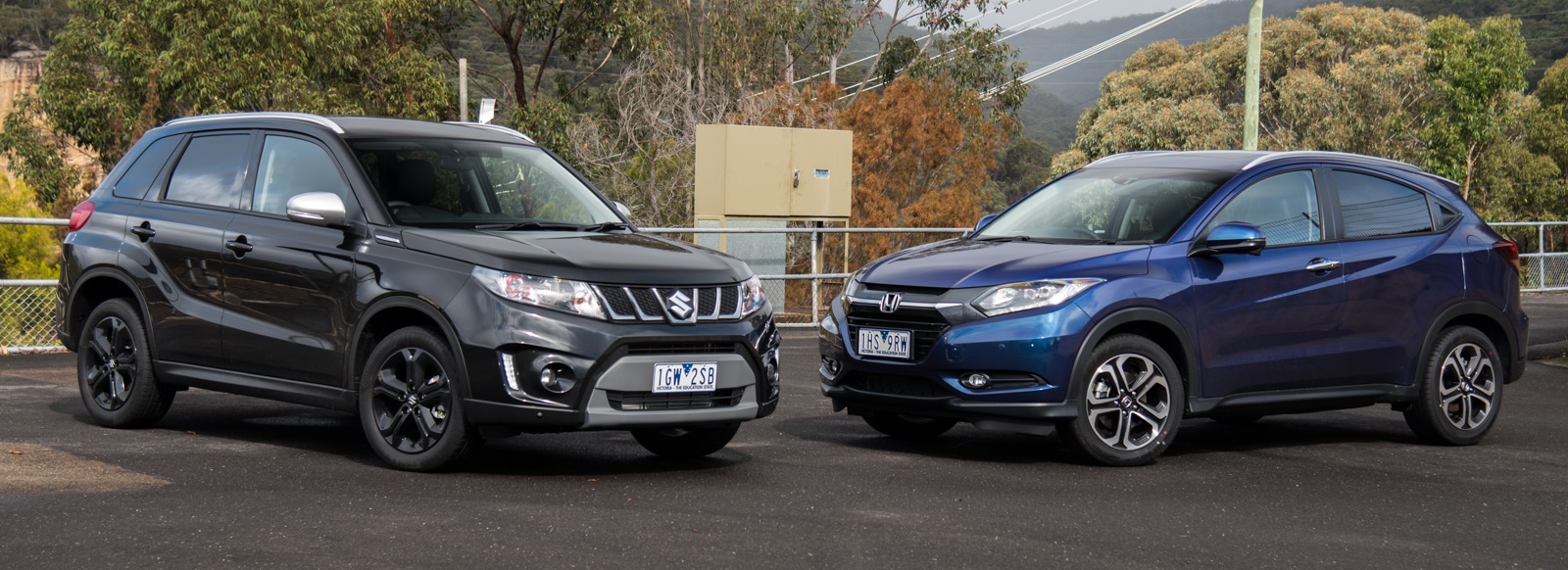
Figures published on 29 October for the April to September 2026 period show Suzuki selling 1,824,006 vehicles globally, up 19.9 percent and a record for a fiscal first half. Honda managed 1,661,569, down 4 percent.
Suzuki passed both Honda and Nissan in a single six-month stretch. It is the first time the company has placed second in a fiscal first half, and the reasons behind it say more about where the global car industry is heading than any ranking does.
What happened
The short version is India on one side and China on the other.
Suzuki commands roughly 40 percent of India's passenger car market through Maruti Suzuki, and a run of new model launches there drove the growth. India is no longer a side business for Suzuki. It is the business.
Honda went the other way. Its global decline was driven almost entirely by China, where sales fell around 50 percent. Nissan suffered the same problem, with Chinese sales down more than 40 percent, contributing to an 11.8 percent global decline to 1.35 million units.
Even Toyota, which held first place with roughly 5.05 million units, posted its first fiscal first-half decline in two years. Its overseas sales fell 6.5 percent to 4.25 million units and overseas production dropped 5.6 percent to 3.21 million. Chinese sales were down 25.1 percent.
The April to September 2026 numbers
Company | Global Sales | Change |
Toyota | Around 5.05 million | Down 4% |
Suzuki | 1,824,006 | Up 19.9% |
Honda | 1,661,569 | Down 4% |
Nissan | 1.35 million | Down 11.8% |
Mazda | 610,000 | Up 1.2% |
Daihatsu | 490,000 | Up 0.5% |
Subaru | 470,000 | Up 3.4% |
Mitsubishi | Not disclosed | Down 7% |
Combined, the eight major Japanese automakers sold 11.83 million vehicles globally, down 1.3 percent year on year. Their global production also came to 11.83 million units, a 0.9 percent decline.
One figure moved the other way. Domestic output in Japan rose 2.4 percent to 3.97 million units.
The China problem
This is the story underneath the ranking, and it is a serious one.
Japanese brands built their reputations on reliable, efficient petrol engines, which was the right product for decades. Chinese domestic manufacturers have spent those same decades building an EV industry, and are now cutting prices aggressively while shipping EV-heavy portfolios that Japanese lineups cannot match.
The scale of that shift shows up clearly in Chinese sales data, where BYD alone moved over 450,000 vehicles in a single month while multiple domestic brands posted double or triple-digit growth.
Honda losing half its Chinese business in a year is not a soft patch. It is a brand being displaced in the world's largest car market.
Honda's wider difficulty
Worth adding context the headline numbers do not carry.
In the full Japanese financial year ending March 2026, Honda sold 3.37 million vehicles globally against Suzuki's 3.55 million, and posted its first annual net loss since 1957.
That is a sixty-nine year streak ending. For a company that built its identity on engineering discipline and consistent profitability, it reframes this half-year result as part of a pattern rather than a single bad six months.
Why Suzuki is winning
Suzuki's position rests on something its rivals largely gave up on, which is small, affordable cars for price-sensitive markets.
While Honda, Nissan and Toyota chased larger vehicles and higher margins in North America and China, Suzuki stayed focused on India, Southeast Asia and compact segments. That looked unambitious for years. It looks considerably smarter now.
The company is also doubling down. Suzuki has committed around $8 billion to Indian EV production, and Maruti Suzuki has been acquiring land to expand capacity by a million vehicles. India is increasingly being used as a global export hub, with low labour costs, improving manufacturing capability and a deepening supplier ecosystem.
Suzuki president Toshihiro Suzuki has publicly played down the ranking itself, saying the focus remains on building cars customers want rather than chasing second place. That is the correct thing to say, and it does not change what the numbers show.
The key figures
Suzuki: 1,824,006 units, up 19.9 percent, a first-half record
Honda: 1,661,569 units, down 4 percent
Suzuki rose from fourth place to second in one year
Honda's Chinese sales fell around 50 percent
Nissan's Chinese sales fell more than 40 percent
Toyota's Chinese sales fell 25.1 percent
Eight Japanese automakers combined: 11.83 million units, down 1.3 percent
Japanese domestic production rose 2.4 percent to 3.97 million units
Suzuki holds roughly 40 percent of India's passenger car market
What it means for Nepal
More than it might appear, because both companies sell here and their global positions shape what arrives.
Maruti Suzuki is one of the most established names in the Nepali market, and Suzuki's expanding Indian production and export strategy directly affects model availability and pricing here. A manufacturer building India into a global export hub has strong reason to keep feeding nearby markets.
Honda sells here through Syakar Trading with the Elevate, City, City e:HEV and Amaze. Nothing about the global numbers changes those products, but a company under this much financial pressure tends to become more conservative about which markets get which models. Toyota remains the largest by a wide margin, and its position in Nepal is unaffected by a single soft half-year, as the recent Hilux launch at Rs 1.55 crore shows.
The broader signal is the one worth noting. Indian-built vehicles are becoming more central to global manufacturing, and Nepal sits closer to that supply chain than to Japan's.
Conclusion
Rankings change. What this one reveals is more durable.
Suzuki did not overtake Honda by building better cars in the markets Honda cares about. It did it by being strong in a market Honda is weak in, while Honda lost half its Chinese business to competitors that did not exist as serious threats five years ago.
Japanese manufacturers spent decades as the safest bet in the industry. The combined 1.3 percent decline, led by China, suggests that position is no longer automatic.
For Suzuki, the near-term outlook is good, with India growing and capacity expanding. The longer question is whether a company built on affordable petrol cars can make the electric transition when the time comes, because the brands beating Honda in China have a considerable head start.
For more on new launches, prices and the auto market in Nepal, Autoncell covers them as they land.