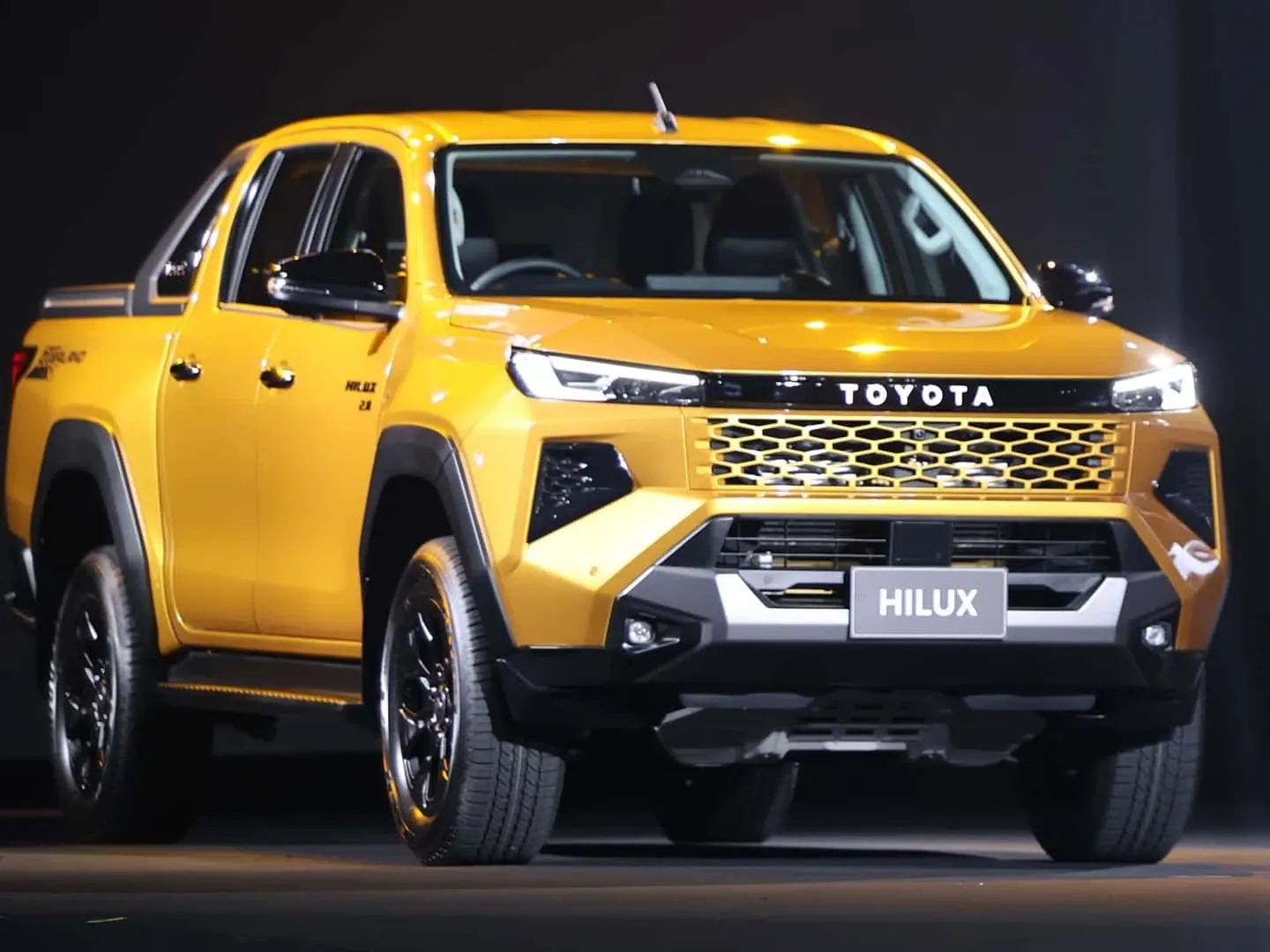
Few nameplates carry the kind of quiet legend the Toyota Hilux does. It's the truck that's crossed deserts, climbed mountains and famously refused to die on television. So when a new one lands in Nepal, people pay attention.
The ninth-generation Toyota Hilux launched at the NAIMA Nepal Mobility Expo 2026 through United Traders Syndicate, Toyota's authorised distributor in Nepal, at a special NAIMA starting price of Rs 1.55 crore. And this isn't a mild nip-and-tuck. It's a proper generational leap, bringing a redesigned exterior, an overhauled cabin, fresh technology and a more refined drive. So has the legend finally grown up? Let's find out.
Design
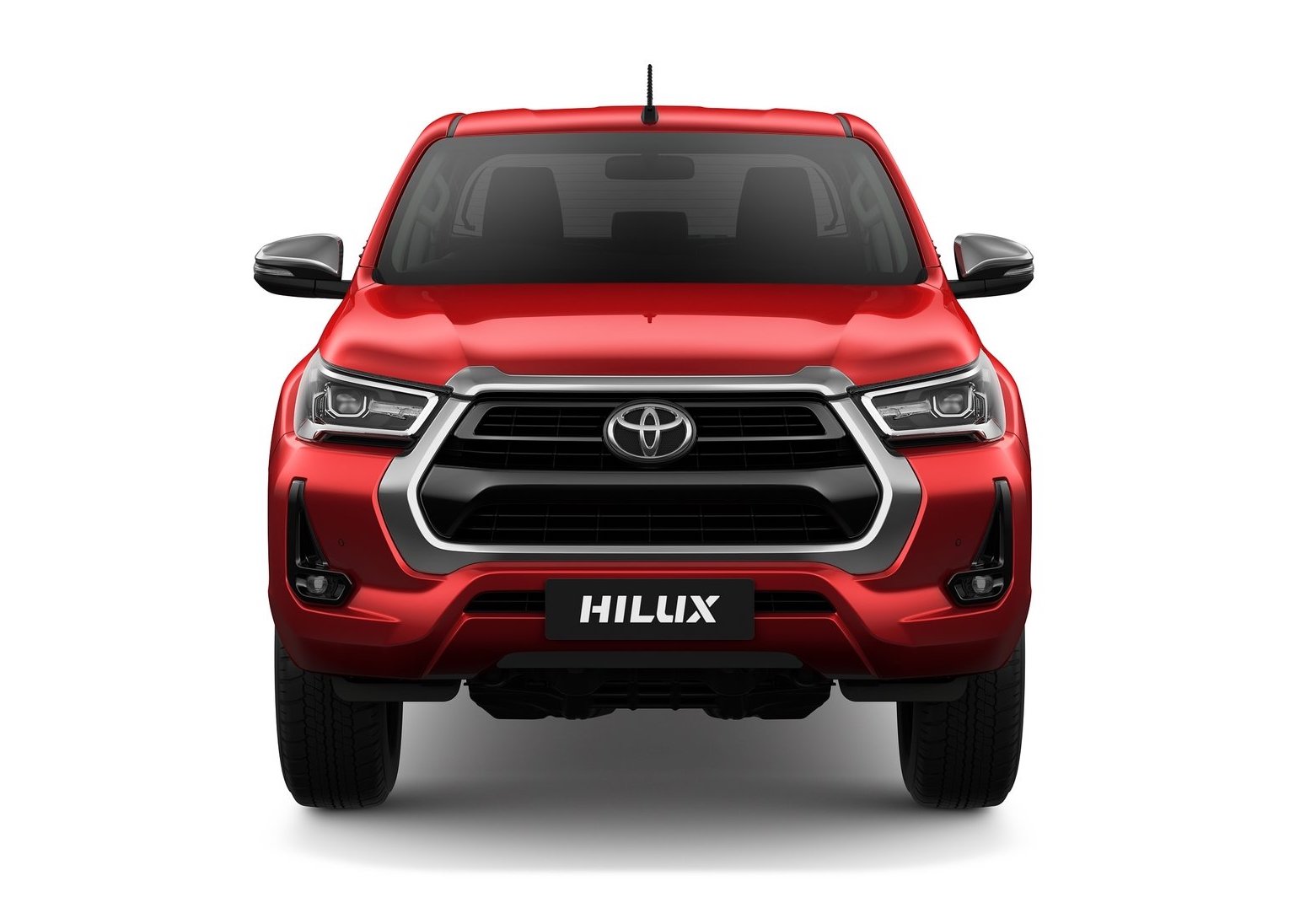
The new Hilux is built around Toyota's "Tough and Agile" design theme, and you can read that intent in every line. The stance is more assertive, the proportions sharper, and the front end noticeably more muscular. Up front, slimmer LED headlights are joined by a central bar carrying the TOYOTA name, a look that gives the truck a wider, more planted, more substantial face. Crucially, though, it still reads unmistakably as a Hilux. That rugged character hasn't been softened away.
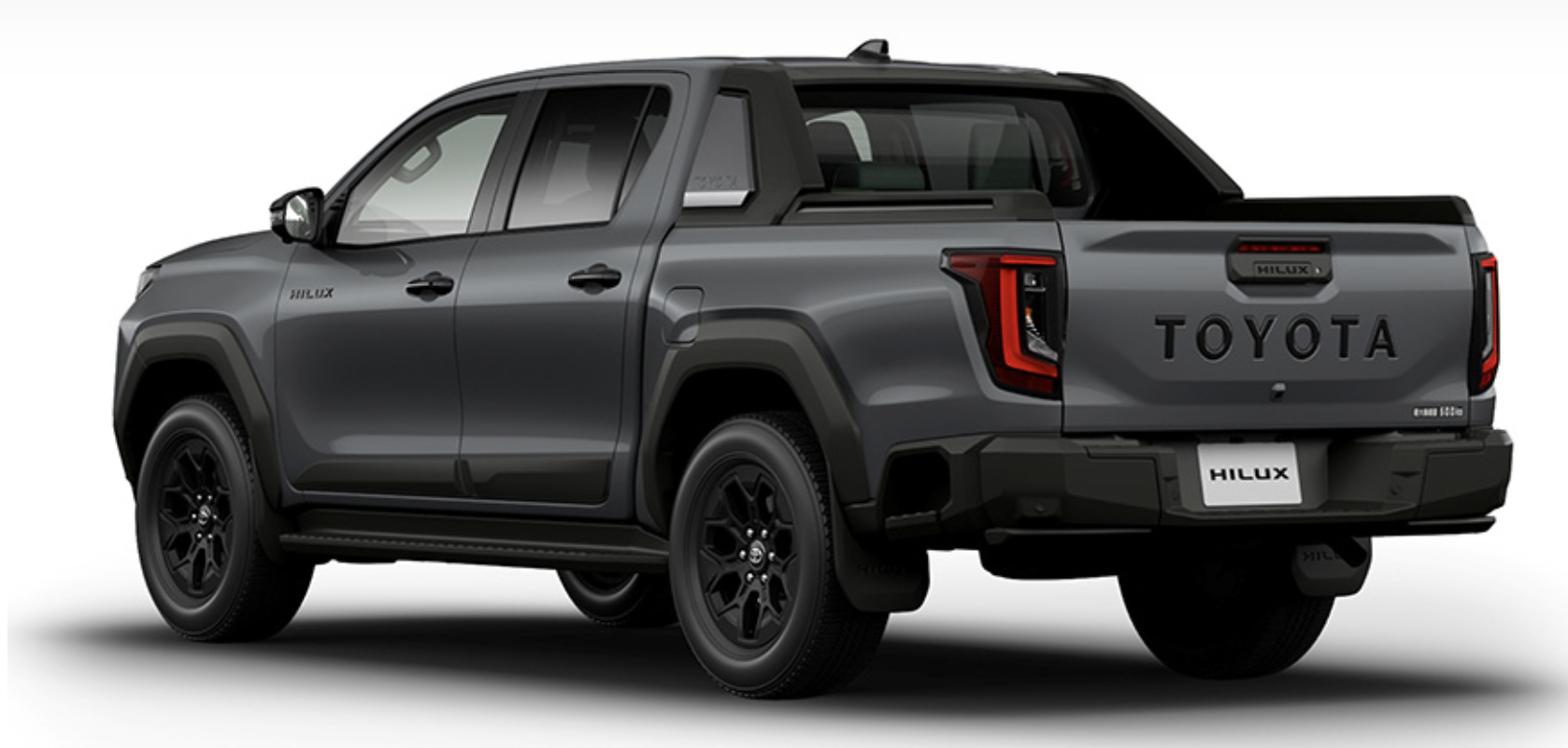
It's a big unit, measuring 5,320 mm long, 1,855 mm wide and 1,815 mm tall on a lengthy 3,085 mm wheelbase. It rides on 17-inch alloys, carries an 80-litre fuel tank and comes in six colours. Toyota also threw in some genuinely practical touches: a new rear deck step and redesigned side steps that make clambering into the cabin and cargo bed far easier. Small things, but the sort that matter when you're using the truck the way it's meant to be used, and they keep the Hilux firmly in step with the wider pickup and utility segment that's expanding fast in Nepal.
Interior and Cabin
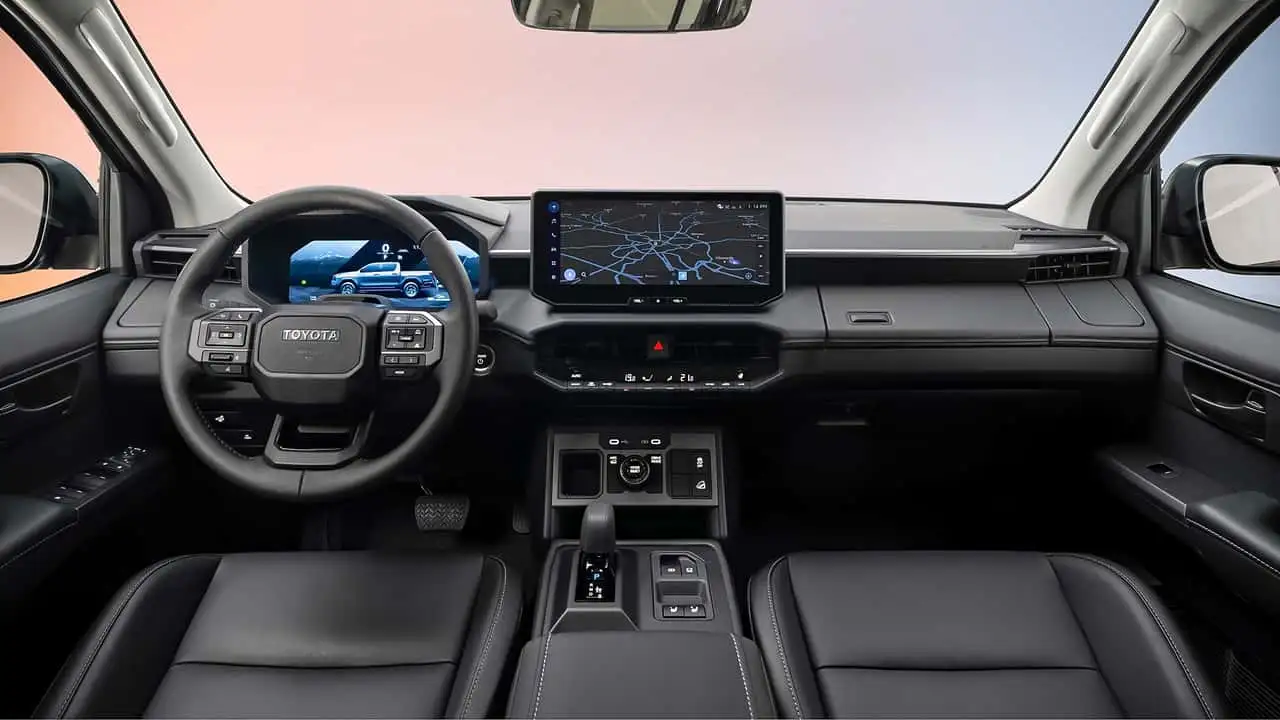
Here's where the generational jump feels most dramatic. Step inside and the new Hilux takes clear inspiration from Toyota's latest SUVs, the Land Cruiser included. Gone is the utilitarian workhorse feel, replaced by a modern horizontal dashboard anchored by a 12.3-inch digital driver display and a matching 12.3-inch central touchscreen.
The infotainment runs wireless Apple CarPlay and Android Auto, and connected services through the MyToyota app let owners pull up vehicle information remotely. It's a properly contemporary setup, dragging the Hilux firmly into the tech era. This is a cabin you could genuinely enjoy on a long drive, not just tolerate on a work run, and that shift in ambition tells you a lot about who Toyota expects to buy this truck.
Performance
Under the bonnet sits a 2.8-litre four-cylinder diesel producing 201 bhp and a strong 500 Nm of torque, paired with a six-speed automatic. Depending on the variant, you get either two-wheel drive for everyday duty or four-wheel drive for the rough stuff.
That 500 Nm torque figure is the number that matters most here. It's what lets the Hilux haul heavy loads, tow with confidence and grind up steep, broken tracks without breaking a sweat, exactly the workhorse credentials the badge was built on. The six-speed auto keeps things smooth and relaxed for daily driving too, striking a sensible balance between hard graft and everyday ease.
Variants and Off-Road Capability
The Nepal lineup comes in three flavours: GX 4X2 AT, GX 4X4 AT and VX 4X4 AT. That spread lets buyers choose between a rear-wheel-drive setup for cost-conscious everyday use and proper four-wheel drive for genuinely demanding terrain.
Underneath, the Hilux sticks with proven, durable hardware: a double-wishbone front suspension and a leaf-spring rigid rear axle. That's a deliberately old-school, tough-as-nails setup, prioritising load-carrying ability and reliability over plush ride comfort. For Nepal's punishing roads and heavy-duty demands, that ruggedness is the whole point, and it's the kind of capability that puts the Hilux in the same conversation as serious workhorses like the Maxus eTerron 9.
Safety
Toyota has loaded the new Hilux with seven airbags as standard, backed by a comprehensive suite of active and passive safety features. Making seven airbags the baseline rather than a top-trim luxury is a meaningful move in the pickup segment, where safety kit has historically lagged behind passenger cars. It signals that Toyota sees the modern Hilux as more than just a tool, but a vehicle that families and daily drivers will genuinely live with.
Specifications at a Glance
Specification | Detail |
Type | Double-cab pickup |
Engine | 2.8L four-cylinder diesel |
Power | 201 bhp |
Torque | 500 Nm |
Transmission | 6-speed automatic |
Drivetrain | 4X2 / 4X4 (by variant) |
Variants | GX 4X2 AT, GX 4X4 AT, VX 4X4 AT |
Length | 5,320 mm |
Width | 1,855 mm |
Height | 1,815 mm |
Wheelbase | 3,085 mm |
Wheels | 17-inch alloy |
Fuel Tank | 80 litres |
Front Suspension | Double-wishbone |
Rear Suspension | Leaf-spring rigid axle |
Displays | Dual 12.3-inch |
Connectivity | Wireless Apple CarPlay, Android Auto, MyToyota app |
Airbags | 7, standard |
Price in Nepal
At a special NAIMA starting price of Rs 1.55 crore, the new Hilux sits firmly at the premium end of the pickup market. That's serious money for a workhorse, but the Hilux has always commanded a premium on the strength of its bulletproof reputation and Toyota's after-sales reach in Nepal. Buyers here aren't just paying for the truck, they're paying for the peace of mind that comes with the badge. It's a similar premium-pickup calculation to what MG is attempting with its MG U9 electric pickup, though the Hilux leans on decades of proven durability that no newcomer can match yet.
Conclusion
The new-generation Toyota Hilux is one of the most significant updates the nameplate has ever seen in Nepal. It keeps the tough, dependable, go-anywhere soul that built its legend, but wraps it in sharper styling, a genuinely modern cabin and a proper technology package. It's a workhorse that's finally comfortable wearing a suit.
The real question is how the market receives that shift. As pickups increasingly blur the line between rugged tool and premium lifestyle vehicle, does the Hilux's blend of proven toughness and newfound polish justify a crore-and-a-half price? For buyers who value reliability above all, the answer has usually been an easy yes. Whether that holds as rivals get sharper and cheaper is the story worth watching.
For more on Nepal's fast-moving SUV and pickup market, Autoncell tracks every new launch as it lands.