-original.webp)
Nepal's electric revolution gets talked about almost entirely through the lens of private cars. The Atto 3 in the driveway, the compact SUV clearing customs, the family crossover charging overnight. But the vehicles that move the country's goods, the ones hauling parcels through Kathmandu traffic, restocking shops before dawn, and running last-mile delivery for the e-commerce boom, have quietly started going electric too. And for a business, the case is even sharper than it is for a private buyer. Electricity is domestic and cheap. Diesel is imported and volatile. Over the working life of a delivery vehicle covering the same routes twelve hours a day, that gap is not a rounding error. It is the difference between a profitable route and a marginal one.
The catch is that this segment is young and thin. Nepal does not yet have a deep bench of electric goods vehicles, and the handful that are here span very different shapes and jobs. If you are shopping for a private electric vehicle rather than a work vehicle, our guide to the best electric vehicles in Nepal between 40 and 60 lakhs covers that side of the market. This piece is about the ones built to work. Some are true enclosed cargo vans. Some are open-bed pickups. One is a mini goods carrier in a class of its own. Lumping them together as "cargo vans" would be lazy and would send a buyer looking for the wrong thing. So here is the honest picture, sorted by what each vehicle actually is, with verified specifications and a clear note wherever a figure still needs confirming.
The True Cargo Vans
If your work involves moving parcels, stock, or equipment under cover, protected from Kathmandu's dust and monsoon, an enclosed van is what you are actually shopping for. Nepal currently offers two.
Sunlong EVU-3
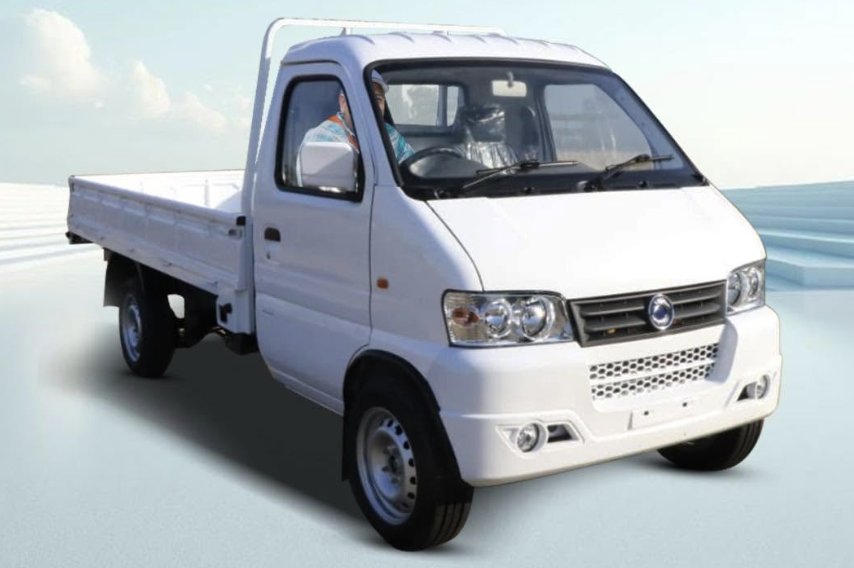
The EVU-3 is the most thoroughly documented electric cargo van on sale in Nepal today, and the one a delivery operator should probably look at first. Distributed by Blue Corporation from its showroom in Balkumari, Lalitpur, it pairs a 70 kW motor with a 42 kWh lithium iron phosphate battery and a claimed range of up to 286 kilometers on a full charge. That range figure matters in this segment, because a cargo van that can run a full day of stops without a midday charge is a van that earns its keep.
The load side is where it makes its case. The EVU-3 carries up to 1.4 tons and comes with a 5-year or 200,000 km warranty on the battery and motor, which is the kind of coverage a business needs before it commits a route to a new powertrain. Top speed sits at 90 km/h, ground clearance at 180 mm. Blue Corporation has set the starting price at Rs 31,45,000.
Category | Specification |
Body Type | Electric Cargo Van |
Price | Rs 31,45,000 (starting) |
Motor | 70 kW |
Battery | 42 kWh LFP |
Range | 286 km (claimed) |
Load Capacity | 1.4 tons |
Top Speed | 90 km/h |
Ground Clearance | 180 mm |
Warranty | 5 years / 200,000 km |
Distributor | Blue Corporation |
Foton Electric Cargo Van
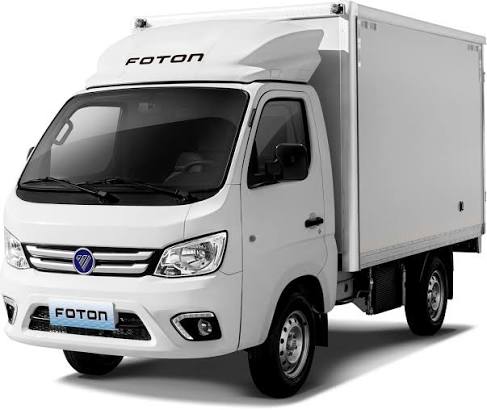
The Foton, handled by MAW Vriddhi Commercial, is the other genuine van in the market and the one built around outright cargo volume. Its headline number is a 7 cubic meter enclosed bay, paired with a 1,150 kg payload, which makes it a natural fit for the businesses Foton itself points to: department stores, pharmacies, hardware suppliers, courier services, and telecom operators restocking sites. Under the floor sits a 50.23 kWh battery rated at 235 km, with 290 Nm of torque on tap.
One honest caveat before you quote this one to a client. The detailed specifications above trace to Foton's original Nepal launch material, which is now a few years old. The van has been part of MAW Vriddhi's commercial lineup for a while, but pricing was not publicly listed in current sources, and specs on long-running models do get quietly revised. Confirm the live price and current configuration with MAW Vriddhi before treating these numbers as this year's.
Category | Specification |
Body Type | Electric Cargo Van |
Price | Rs. 47,50,000 |
Battery | 50.23 kWh |
Range | 235 km |
Torque | 290 Nm |
Cargo Volume | 7 cubic meters |
Payload | 1,150 kg |
Distributor | MAW Vriddhi Commercial |
The Electric Pickups
Pickups do a different job. The open bed is worse in the rain and worse for security, but far better for bulky, awkward, or heavy loads that will not slide through a van's side door: construction material, gas cylinders, furniture, farm produce. Nepal has two electric options here, and they sit at opposite ends of the price range. Worth noting that the electric pickup space is starting to draw offers and promotions too, as seen with CG Motor's Riddara EV pickup deal, a sign that distributors are beginning to compete for this buyer.
Kama EW-1
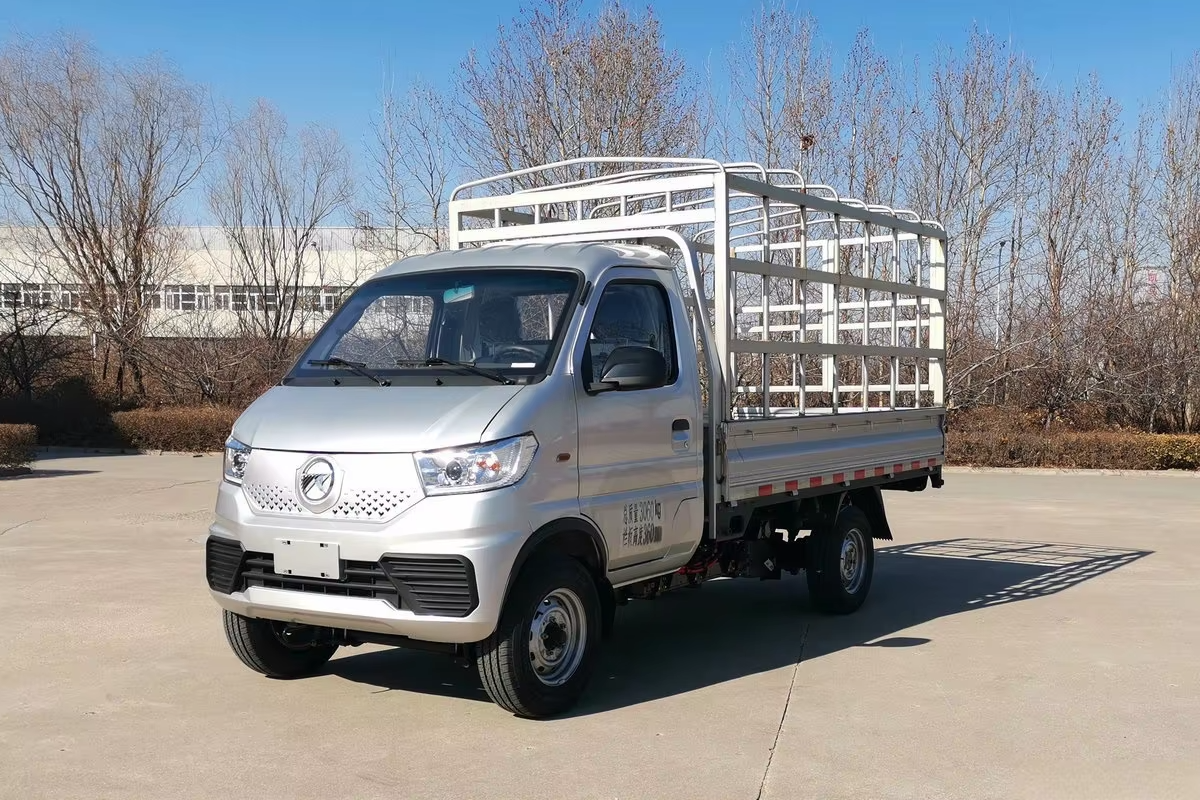
The Kama EW-1 is the affordable entry into electric goods hauling, and it has quietly become one of the more common sights in the segment. Its distributor, Mega Business Group, had already brought in 344 units by early 2026, which is real traction rather than a showroom novelty. It comes with a choice of two CATL batteries, 38 kWh and 42 kWh, priced at Rs 25,70,000 and Rs 26,19,000 respectively. The gap between the two variants is small enough that most buyers will simply take the larger pack for the extra range.
Its clever touch is a container configuration option, which lets an operator effectively convert the open bed into an enclosed box when the cargo demands it. For a logistics business that carries mixed loads, that flexibility is worth more than a spec-sheet headline.
Category | Specification |
Body Type | Electric Pickup |
Price | Rs 25,90,000 (38 kWh) / Rs 27,00,000 (42 kWh) |
Battery | 38 kWh / 42 kWh CATL |
Configuration | Open bed, container option available |
Distributor | Mega Business Group |
Foton eTunland
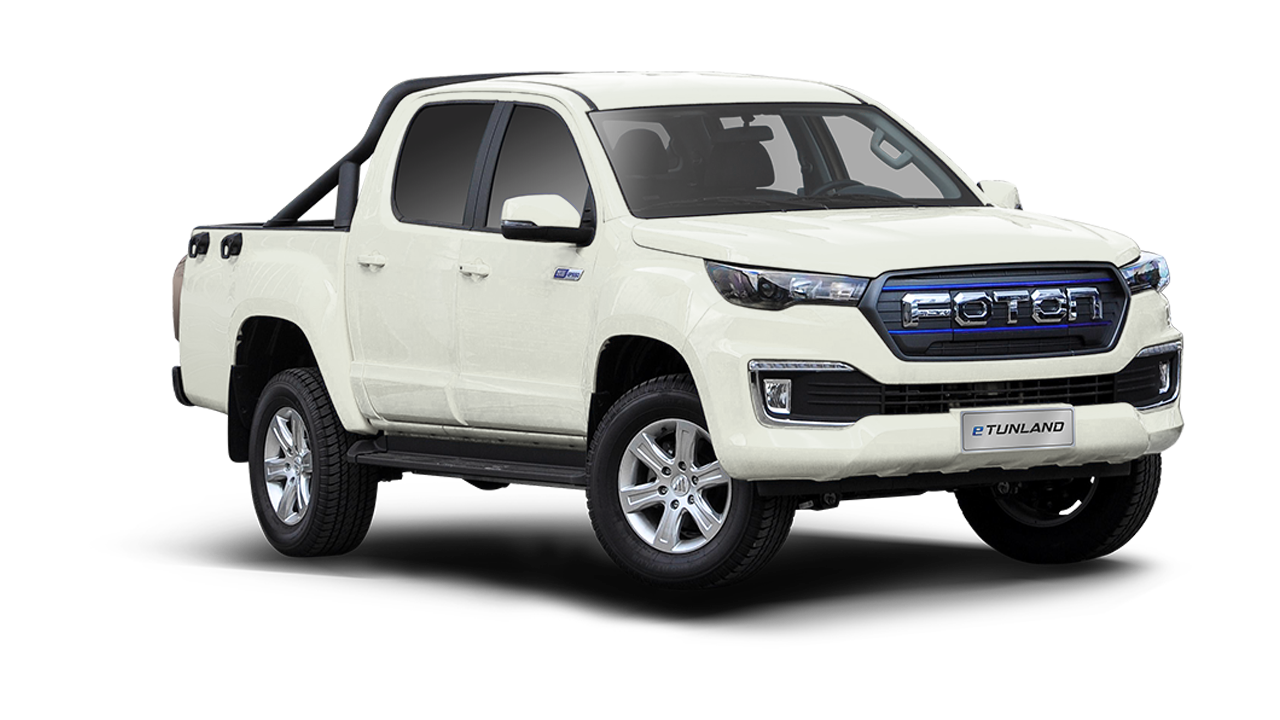
The eTunland is the premium end of the electric goods market, and it is as much a lifestyle truck as a work vehicle. Priced at Rs 69,99,000, it carries roughly 980 kg of payload and rides on a substantial 200 mm of ground clearance, sitting on 17-inch alloy wheels with side steps and a proper pickup stance. It made its debut near the end of the NADA Auto Show 2025 through Foton Nepal.
At this price it is not competing with the workaday Kama. It is aimed at the buyer who wants an electric pickup that looks and feels like a modern truck rather than a delivery tool, and who is willing to pay well above the rest of the segment for it.
Category | Specification |
Body Type | Electric Pickup |
Price | Rs 69,99,000 |
Payload | ~980 kg |
Ground Clearance | 200 mm |
Wheels | 17-inch alloy |
Distributor | Foton Nepal |
The Mini Goods Carrier
Tata Ace EV (Chota Hathi)
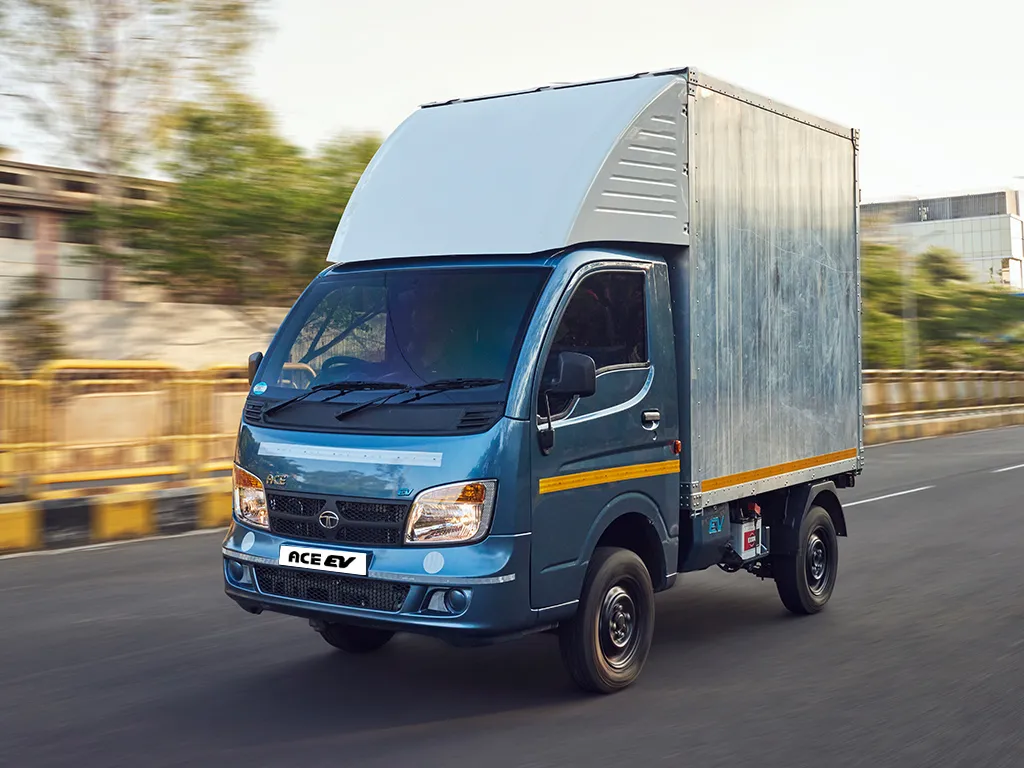
The Tata Ace EV deserves its own heading because it is neither a full van nor a conventional pickup. It is a compact two-seat goods carrier built for one job: last-mile delivery through tight, congested city streets where a bigger vehicle simply cannot go. The specifications come straight from Tata Motors Nepal, so they are as solid as sourcing gets in this segment.
It runs a 21.3 kWh LFP battery for a certified range of 155 km, carries 600 kg, and manages a 22 percent gradeability that lets it climb through Kathmandu's slopes and over bridges. Tata backs it with a 6-year battery warranty, and it is distributed nationwide through Sipradi Trading's extensive dealer network. The one missing piece is price, which Tata's official page does not list, so that is a showroom confirmation.
Category | Specification |
Body Type | Mini Electric Goods Carrier |
Price | Confirm with dealer |
Battery | 21.3 kWh LFP |
Range | 155 km (certified) |
Payload | 600 kg |
Gradeability | 22% |
Warranty | 6 years (battery) |
Distributor | Sipradi Trading |
A Word on Tax Before You Budget
Anyone pricing one of these vehicles for a business will want to know how Nepal's overhauled EV tax regime affects them. Here the honest answer is more useful than a confident wrong one.
The FY 2083/84 budget rebuilt electric vehicle taxation from the ground up, scrapping the old motor-power system and moving to a value-based structure: a flat 20 percent customs duty plus a tiered Clean Infrastructure Investment Fee, on top of the standard Road Development Fee and VAT. We broke that whole overhaul down in our complete guide to Nepal's 2083/84 vehicle and EV tax changes, which is worth reading in full if you are pricing any electric vehicle this year. But that widely publicised structure was written and explained for electric passenger cars, which the budget consolidated under a single customs heading. Goods vehicles, the cargo vans and pickups on this list, sit under a different tariff heading entirely, and no public source currently spells out the exact customs and levy figures that apply to them.
What that means in practice is simple. Do not budget these vehicles off the passenger-car tax tables you may have seen elsewhere. The showroom prices quoted above already reflect the taxes the distributors have paid. If you are calculating a landed cost, a fleet purchase, or anything where the tax line matters, confirm the goods-vehicle rate directly with the Department of Customs or with the distributor before you commit a figure to paper.
Conclusion
Nepal's electric goods segment is small but real, and it is already useful enough to build a business around. For enclosed cargo, the Sunlong EVU-3 is the strongest documented pick, with the Foton van as the volume alternative once you confirm its current pricing. For open-bed hauling, the Kama EW-1 is the sensible workhorse and the eTunland the premium statement. And for threading parcels through the old city, nothing here beats the little Tata Ace EV.
As with any young segment, the smart move is the same one that applies to every commercial vehicle purchase. Confirm the price in writing, confirm the tax treatment for goods vehicles specifically, and if you can, put a demo unit on your actual route with a real load before you sign. The spec sheet tells you what the vehicle can do. Your route tells you what it will do.