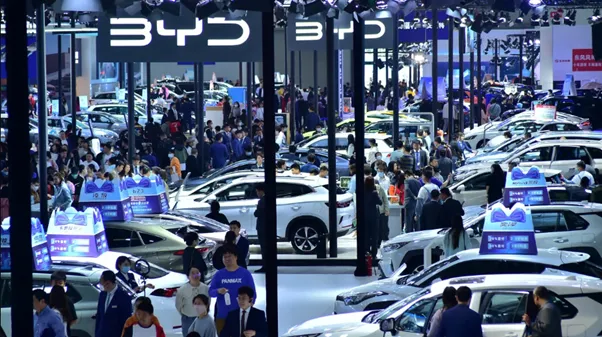
Here's a number that should stop you. China has more than thirty manufacturers building new energy vehicles. In all of 2025, exactly three of them turned a full-year profit: BYD, Xiaomi and Leapmotor.
Now look at September 2026. BYD moved 456,713 passenger vehicles. Geely Galaxy did 130,479. Leapmotor crossed 100,000 for the third month running. Zeekr doubled year on year. Record months, everywhere you look.
Both things are true at once, and that tension is the whole story of China's EV market right now. Enormous volume, brutal economics, and a shakeout already underway. Here is what September actually showed.
BYD is still untouchable
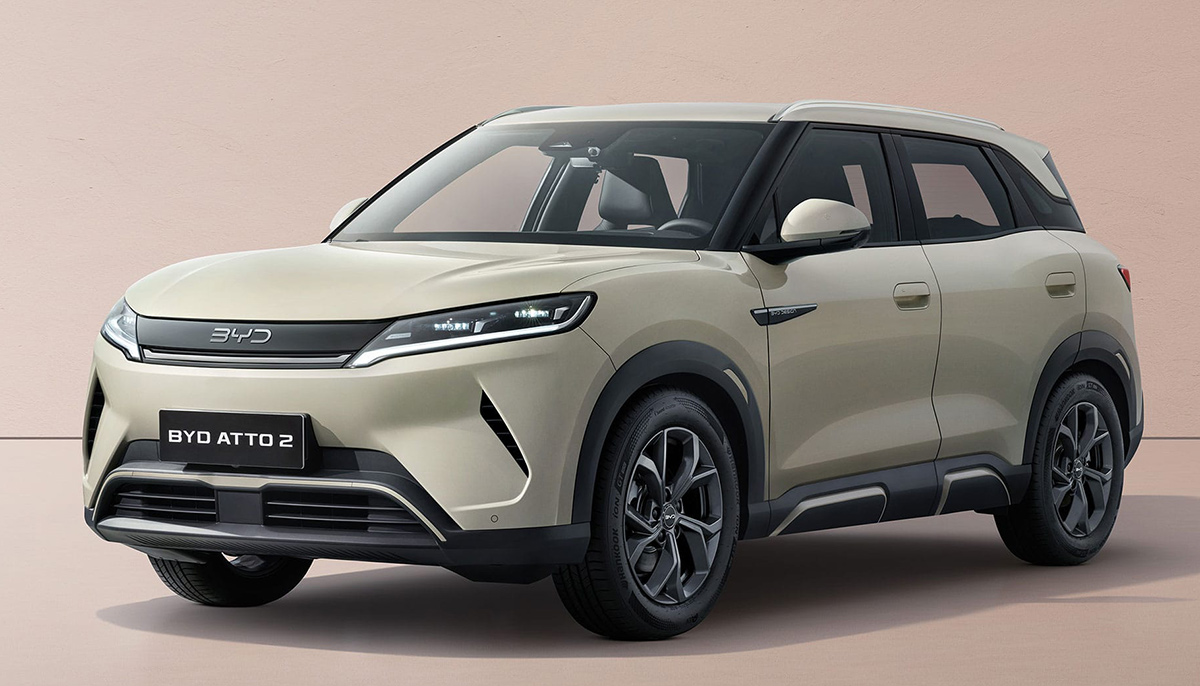
BYD sold 456,713 passenger vehicles globally in September, split between 273,143 battery electrics and 183,570 plug-in hybrids. Counting commercial vehicles, the wider NEV total reached 463,561 units, up 16.98 percent year on year and the company's highest monthly figure of 2026.
That caps a genuine recovery. September marked BYD's fifth consecutive month of year-on-year growth and its seventh straight month of sequential gains, after what was a sluggish start to the year. Third-quarter NEV sales hit 1,323,065 units, up 18.75 percent year on year and 19.41 percent on the second quarter.
The figure that matters most for anyone outside China is exports: 180,700 vehicles in a single month, close to 40 percent of BYD's volume. Cumulative sales for the first nine months reached 3,078,490 units.
Geely Galaxy is second and nobody talks about it
Geely Galaxy delivered 130,479 units in September, which makes it the second-largest NEV brand in China by some distance.
It gets far less coverage than Nio or Xpeng, partly because it lacks the startup narrative and partly because Geely's brand structure is genuinely confusing. But on volume it is beating every Chinese EV startup combined with room to spare.
Geely has also been leaning harder on exports to offset softer domestic conditions, the same play GWM is running.
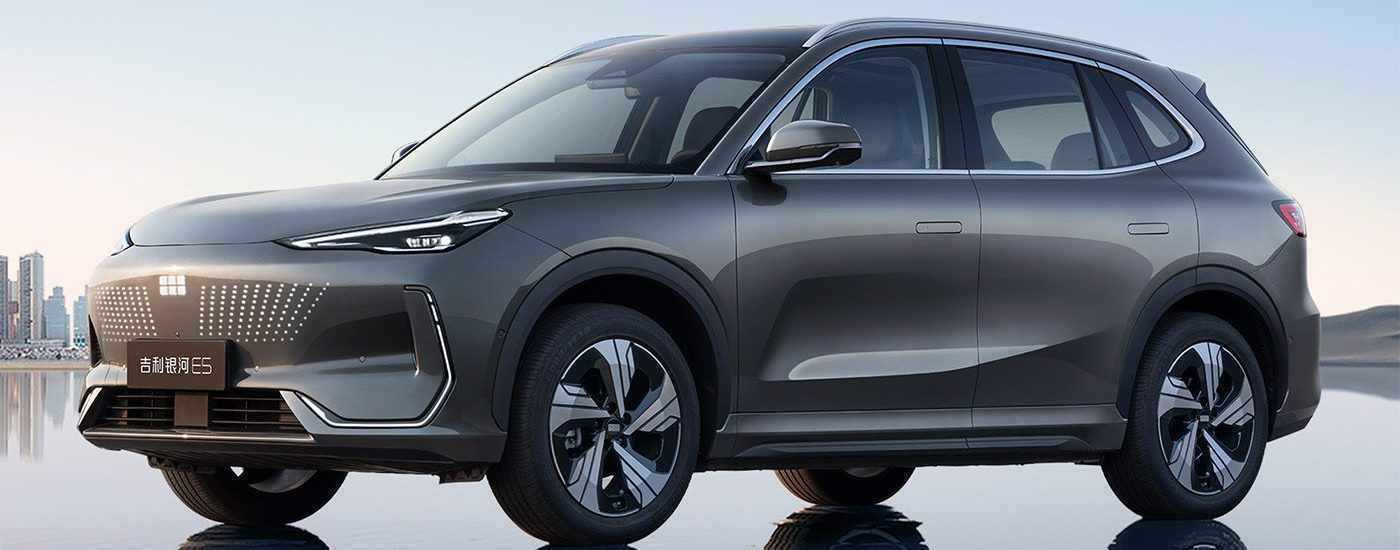
Leapmotor is the one to watch
Third place went to Leapmotor with 105,656 deliveries, up 58.51 percent year on year and 2.45 percent in August. That is the third consecutive month above 100,000, and third-quarter deliveries reached a record 310,052.
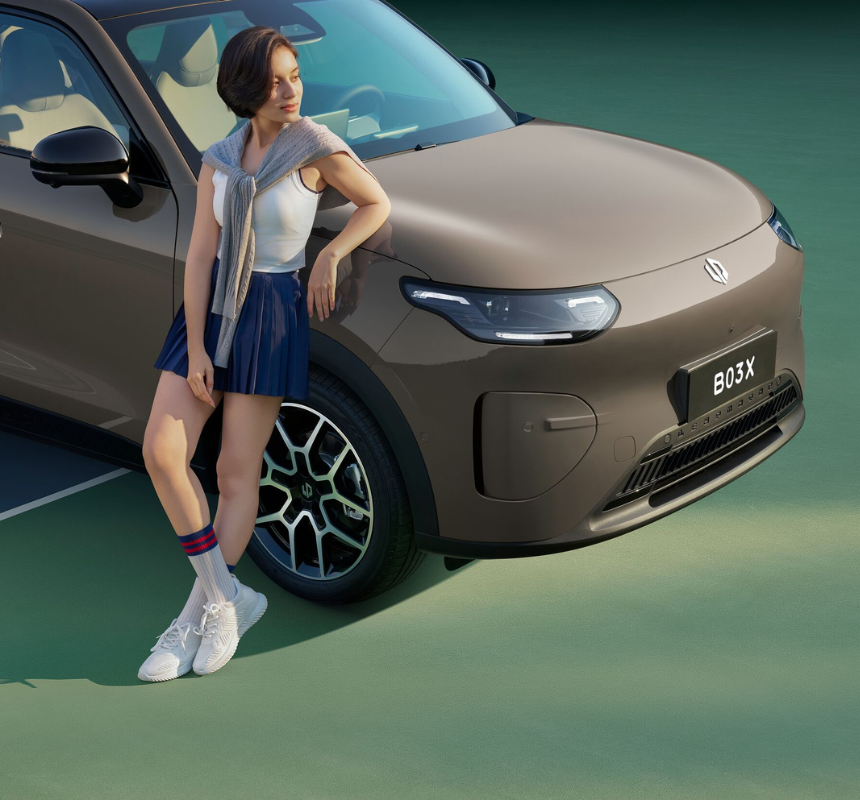
Cumulative deliveries now stand at 665,539, which puts Leapmotor at 66.7 percent of its million-unit annual target. Roughly 27,000 vehicles went overseas in September.
What makes Leapmotor significant is not just the growth rate. It is one of only three Chinese NEV makers that AlixPartners confirmed as fully profitable in 2025. Growing at nearly 60 percent while actually making money puts it in a category almost nobody else occupies.
Zeekr doubled while Li Auto and Huawei slipped
The divergence in this market is widening, and September made it obvious.
Zeekr delivered 37,216 vehicles globally, up 103.85 percent year on year, with cumulative deliveries of 288,404, up 100.84 percent. Doubling volume in a market this competitive is extraordinary.
At the other end, Li Auto and Huawei's HIMA alliance both posted year-on-year declines. Li Auto delivered 31,817 vehicles with cumulative sales of 293,436. HIMA, covering Aito, Luxeed, Stelato, Maextro and Shangjie, handed over 37,490 units with 367,229 for the year so far.
Both were considered strong players eighteen months ago. Neither is now.
Everyone else
Changan's mainstream Nevo brand took 45,607 deliveries.
Xpeng delivered 41,256 vehicles globally, up 5 percent, with cumulative sales of 284,367 including 118,390 in Q3. In a market where rivals are growing 59 and 103 percent, 5 percent is close to standing still.
Xiaomi delivered 40,000 vehicles, including more than 10,000 Skynomad SUVs, its highest monthly figure this year, with January to September sales of 269,000. For a phone company that entered the market recently and is already profitable, that is a serious performance.
Nio delivered 37,408 across three brands: 21,318 under Nio, 8,763 for Onvo and 7,327 for Firefly.
GAC Aion sold 35,494 including Hyptec, up 21.91 percent.
Changan's Deepal managed 30,185 with cumulative sales of 252,213, up 8.59 percent.
BAIC NEV sold 24,080, all under ArcFox, up 17.24 percent, with 163,376 for the year.
Voyah, Dongfeng's premium brand, delivered 13,025 with 115,481 over nine months, up 19 percent.
And Lynk & Co delivered 18,493 in September, with its first nine months down 19 percent year on year. In this market, that is not a soft patch. That is a brand being left behind.
The full table
Rank | Brand | September Deliveries | YoY Change | 2026 Cumulative |
1 | BYD | 456,713 | +16.98% (NEV total) | 3,078,490 |
2 | Geely Galaxy | 130,479 | ||
3 | Leapmotor | 105,656 | 59% | 665,539 |
4 | Changan Nevo | 45,607 | ||
5 | Xpeng | 41,256 | 5% | 284,367 |
6 | Xiaomi | 40,000 | 269,000 | |
7 | Huawei HIMA | 37,490 | Decline | 367,229 |
8 | Nio (all brands) | 37,408 | ||
9 | Zeekr | 37,216 | +103.85% | 288,404 |
10 | GAC Aion | 35,494 | +21.91% | |
11 | Li Auto | 31,817 | Decline | 293,436 |
12 | Deepal | 30,185 | 252,213 | |
13 | BAIC NEV (ArcFox) | 24,080 | +17.24% | 163,376 |
14 | Lynk & Co | 18,493 | Down 19% YTD | |
15 | Voyah | 13,025 | 115,481 |
How records happen in a shrinking market
This is the part that reframes everything above.
China's EV sales actually fell 13 percent in the first half of 2026, hit by subsidy withdrawal, weak consumer confidence and broader economic pressure. NEVs continue taking share from petrol cars, but the total car market is contracting.
So how are brands setting records in a market that is shrinking? Exports. Chinese automakers are redirecting output abroad and are on track for close to 10 million vehicle exports, a 41 percent surge, underpinned by a durable cost advantage in LFP battery technology.
That is why BYD shipped 180,700 vehicles overseas in one month and why Leapmotor sent 27,000. It is not opportunism. It is the industry's survival strategy.
Chinese NEVs now account for 61 percent of the global market, and three years of relentless price war have pushed the sector out of its growth phase into something harder. The competition has shifted from pricing to technology, operational efficiency and global expansion.
What it means in in Nepal
Look at the brands on this table, then look at what is arriving at Nepali dealerships. BYD, Leapmotor, ArcFox, MG and more recently Nammi, Omoda, Jaecoo and Skywell. Hundreds of EVs have been crossing at Korala in recent weeks as importers reroute around closed northern border points.
Nepal is not an incidental market in this story. It is one of the places the export surge lands.
That brings real benefits. More choice, faster model cycles and sharper pricing than Nepali buyers have ever had on EVs. A BYD or Leapmotor sold here is backed by a company with scale and, crucially, profitability.
It also brings a risk worth taking seriously. With only three of thirty-plus manufacturers profitable, consolidation is coming. Some brands on this list will not exist in their current form in five years. Lynk & Co, down 19 percent over nine months, is exactly the profile of a brand that quietly withdraws from secondary export markets when the parent company starts cutting.
If you are buying an unfamiliar Chinese EV in Nepal and expecting parts, software support and service a decade from now, the manufacturer's financial health matters as much as the spec sheet. That is not a popular thing to say in a showroom. It is still true.
What September really told us
BYD is not being caught. Three million vehicles in nine months, exports approaching 40 percent of volume, and a profit position almost nobody else shares.
Behind it, the field is splitting cleanly in two. Leapmotor at 59 percent growth and Zeekr at over 100 percent are climbing. Xpeng at 5 percent, Li Auto and HIMA in decline, and Lynk & Co down 19 percent.
The headline reads like a boom. Read the rows individually and it looks more like the early stage of a reckoning, one where volume records and brand failures happen in the same month.
For more on EV launches, prices and the auto market in Nepal, Autoncell covers them as they land.