The smallest electric SUV in Tata's lineup is no longer just a commuter car. The facelift changes that narrative.
When Tata Motors first rolled out the Punch EV, it was easy to read as a starter EV, fine for city loops, and a bit anxious on longer stretches. That changes with the facelift. And Nepal, somewhat surprisingly, is getting front-row seats to the reveal. The updated Punch EV is set to make its regional debut at the NAIMA Nepal Mobility Expo 2026, where Tata is expected to announce pricing and put the car in front of buyers for the first time.
A Bigger Battery Where It Matters Most
The headline upgrade is the battery. For the Nepalese market, Tata is ditching the 35 kWh pack entirely and going straight to the 40 kWh unit. That single decision reframes the car. The larger pack, paired with a front-mounted electric motor, produces 129 hp and 154 Nm of torque , numbers that sound modest until you remember this is a sub-four-metre SUV that now claims an ARAI-certified range of 468 km.
Real-world range, which Tata pegs at around 355 km under its C75 cycle, is the number that actually matters. And 355 km of usable range takes the Punch EV out of the "careful planning required" category and into genuinely practical territory for most Nepali drivers, including those doing occasional inter-city runs.
Performance
The performance figures have been sharpened too. Tata claims a 0-100 km/h sprint in under nine seconds , not sports car territory, but brisk enough to feel confident in traffic. More relevant to Nepal's varied terrain is the 32 percent restart gradeability figure, which means the car can pull itself up steep inclines without drama. Anyone who's navigated Kathmandu's hills or driven toward Pokhara knows why that number matters more than straight-line speed.
The Punch EV facelift keeps its three drive modes, City, Eco, and Sport, and retains four levels of regenerative braking adjustable through paddle shifters. That last feature is more useful than it gets credit for: steep descents become energy recovery sessions rather than brake-burning exercises.
Charging Gets a Serious Upgrade
One of the consistent frustrations with affordable EVs is charging speed, and this is where the facelift makes a real argument. With a 65 kW DC fast charger, the car can go from 20 to 80 percent in 26 minutes. Tata also claims a 15-minute charge can add roughly 135 km of range , which, if it holds up in real conditions, makes quick top-ups during a stop genuinely useful rather than symbolic. The updated architecture also benefits from reduced component count, simplified wiring, and better thermal management, all of which should translate to more consistent performance over time.
Design
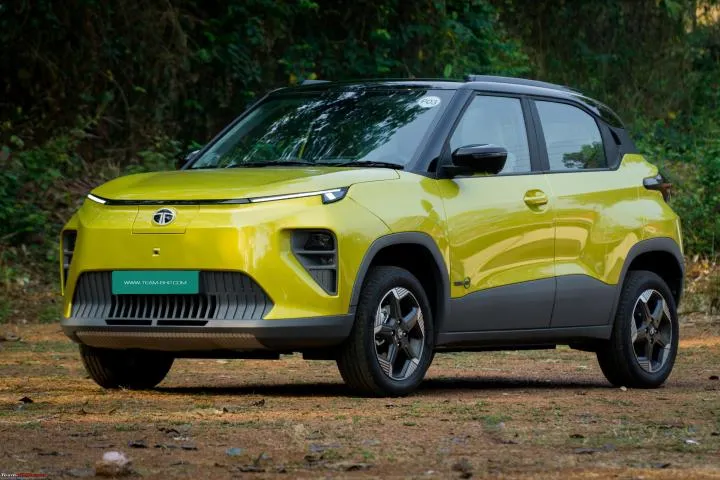
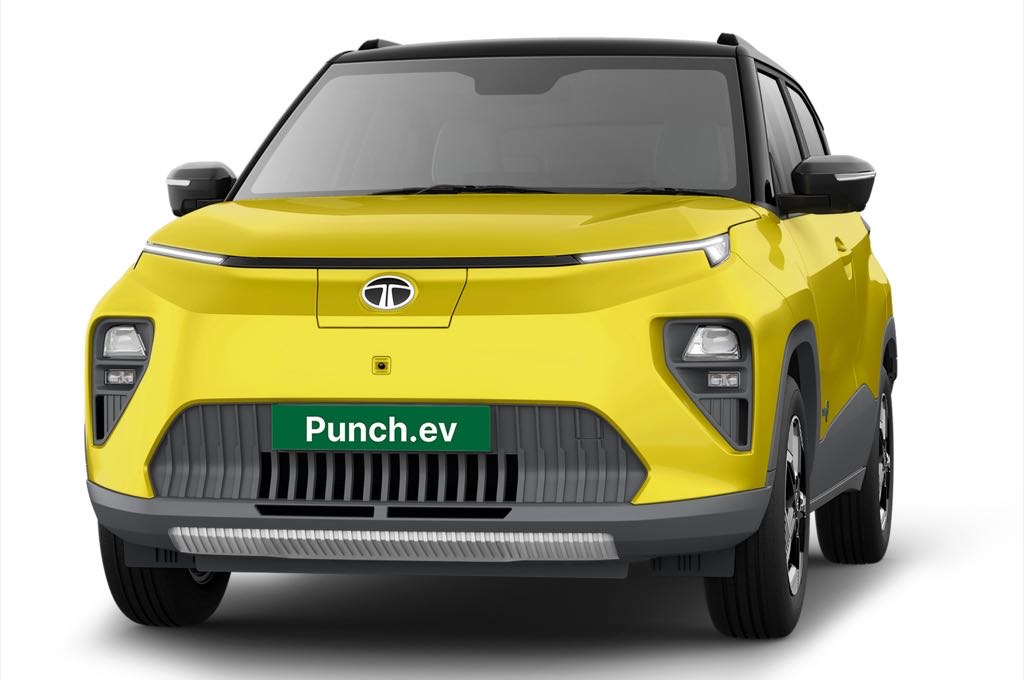
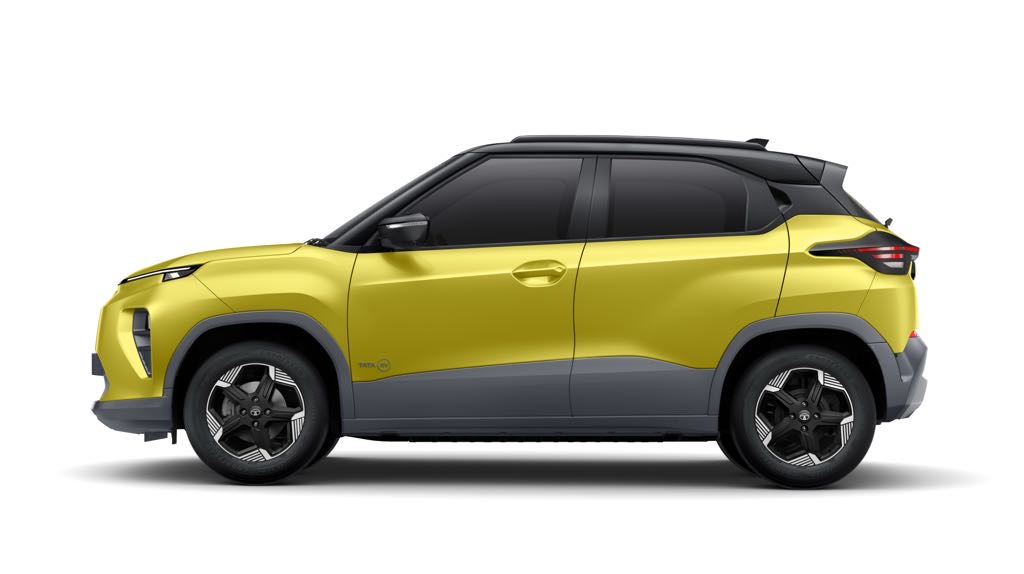
Tata has been smart about the facelift's styling. The changes are noticeable without being drastic, a redesigned front bumper, a closed-off grille that signals its electric identity, new 16-inch alloy wheels, updated colour options, and connected LED tail lamps running across the rear. The design language borrows from the updated ICE Punch, giving the lineup visual coherence. Ground clearance stays at 195 mm and water-wading capability remains at 450 mm, so the crossover credentials are intact.
Interior
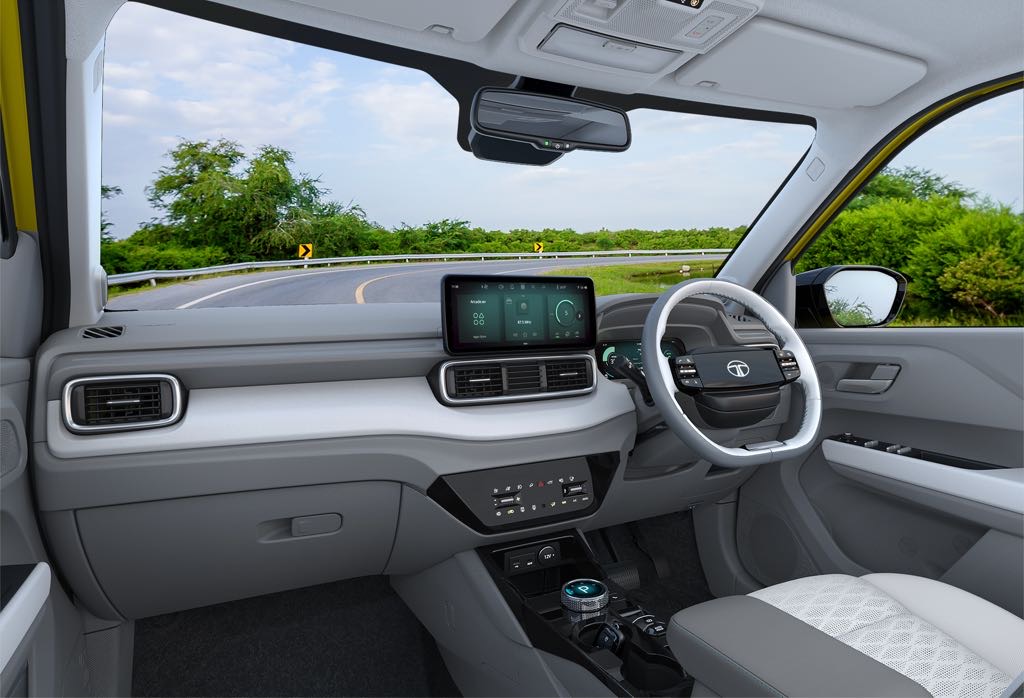
The cabin keeps its familiar layout but gets meaningful upgrades on higher trims. A 10.25-inch touchscreen infotainment display pairs with a 10.25-inch digital driver's display, giving the interior a more premium feel than its price point would suggest. Wireless charging, ventilated front seats, ambient lighting, connected car technology, and a 360-degree camera are available depending on the variant, a feature list that would have felt optimistic for this segment a few years ago.
Safety hasn't been treated as an afterthought either. Six airbags come as standard, alongside electronic stability control, hill-hold assist, tyre pressure monitoring, high beam assist, and ISOFIX child-seat mounts.
What This Means for Nepal's EV Market
Tata already has a strong foothold in Nepal's electric vehicle space, and the Punch EV facelift is a calculated move to defend and extend that position. Better range, faster charging, and a more polished product address the most common objections buyers raised against the original. The NAIMA Nepal Mobility Expo 2026 debut is deliberate, it puts the car in front of buyers at exactly the moment when EV adoption in the country is accelerating.
Pricing hasn't been confirmed yet, but that announcement is coming at the expo. How aggressively Tata prices the 40 kWh variant will determine whether this facelift converts interest into actual sales , or just generates a few good headlines.