Imports have doubled in a single year. Showrooms can't keep stock. Something fundamental has shifted in how Nepalis think about two-wheelers.
There is a quiet revolution happening at Nepal's scooter showrooms, and it has nothing to do with environmentalism or government policy. It has everything to do with the price of petrol.
Nepal imported more than 21,700 electric two-wheelers in just eleven months of the current fiscal year, a number that surpasses every full-year import record the country has ever set. Last year's full-year total was 11,320 units. This year's eleven-month figure has already blown past it by nearly double. With one month still remaining, customs officials and distributors alike expect the final tally to cross 23,000 units before the books close on FY 2082/83.
The numbers tell a straightforward story. Five years ago, Nepal brought in roughly 2,265 electric scooters and motorcycles in an entire year. This fiscal year alone, that figure has multiplied nearly tenfold. This is not organic growth. Something specific happened.
A Fuel Shock Did the Selling
Late February changed things. Following military strikes on Iran, petrol prices at Nepali pumps surged by Rs 60 per litre in a matter of days, briefly crossing Rs 220 before settling at the current Rs 217. For a country where the average urban commuter fills up every week, that was a gut-punch with immediate consequences.
Here is the uncomfortable reality that hit riders all at once: a month's worth of petrol now costs roughly as much as a monthly installment on an entry-level electric scooter. That comparison, once the territory of EV enthusiasts trying to make a case, had become plain common sense. New buyers stopped deliberating. They walked into electric showrooms instead.
This is exactly the kind of price signal that policy alone could never manufacture. For years, the Nepali government tried various tax incentives and import duty structures to nudge consumers toward EVs. Two-wheeler adoption barely moved. One fuel price spike did more in four months than years of policy nudging ever achieved.
Why Two-Wheelers Lagged So Far Behind
The contrast with electric cars is jarring. Nepal's EV four-wheeler market commands around 70% of total vehicle EV sales, one of the highest penetration rates in the region for passenger EVs. Meanwhile, electric two-wheelers sat below 5% of their segment for years. The same country that enthusiastically adopted electric SUVs and sedans was largely ignoring electric scooters.
The reasons were legitimate. Early electric scooters in Nepal had real problems: limited range, unreliable charging access outside Kathmandu, and a spare parts ecosystem that was essentially nonexistent outside major cities. Buying one meant accepting genuine inconvenience. Most people didn't bother.
What changed is that distributors finally did the unsexy work. Charging infrastructure expanded. Service networks got serious. Spare parts became available beyond the Kathmandu ring road. And the newer generation of scooters, the ones now moving in volume, offer genuine range that handles daily commuting without anxiety. The best electric scooters available in Nepal today are a fundamentally different product from what was on offer three or four years ago.
India Wins the Scooter War, China Wins the Car War
One of the more interesting dynamics in Nepal's EV market is the geographic split in consumer preference. Chinese brands dominate electric cars, BYD, MG, and their stablemates have locked up the four-wheeler EV segment with competitive pricing and aggressive distribution. But in two-wheelers, Indian brands are pulling ahead.
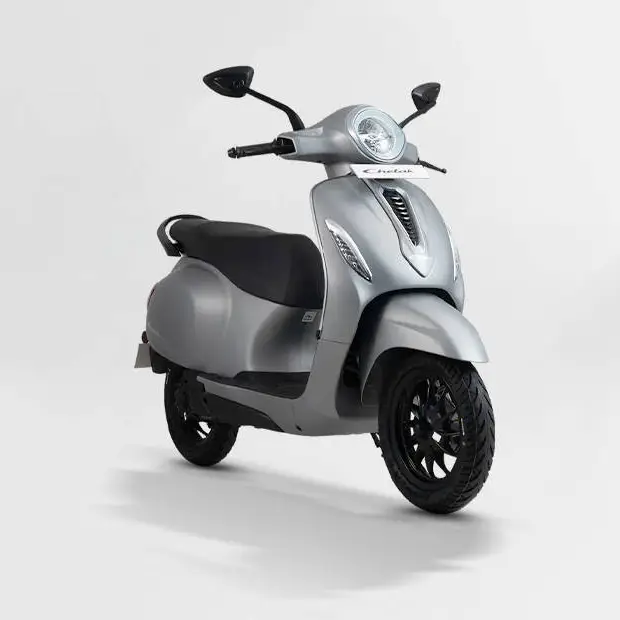
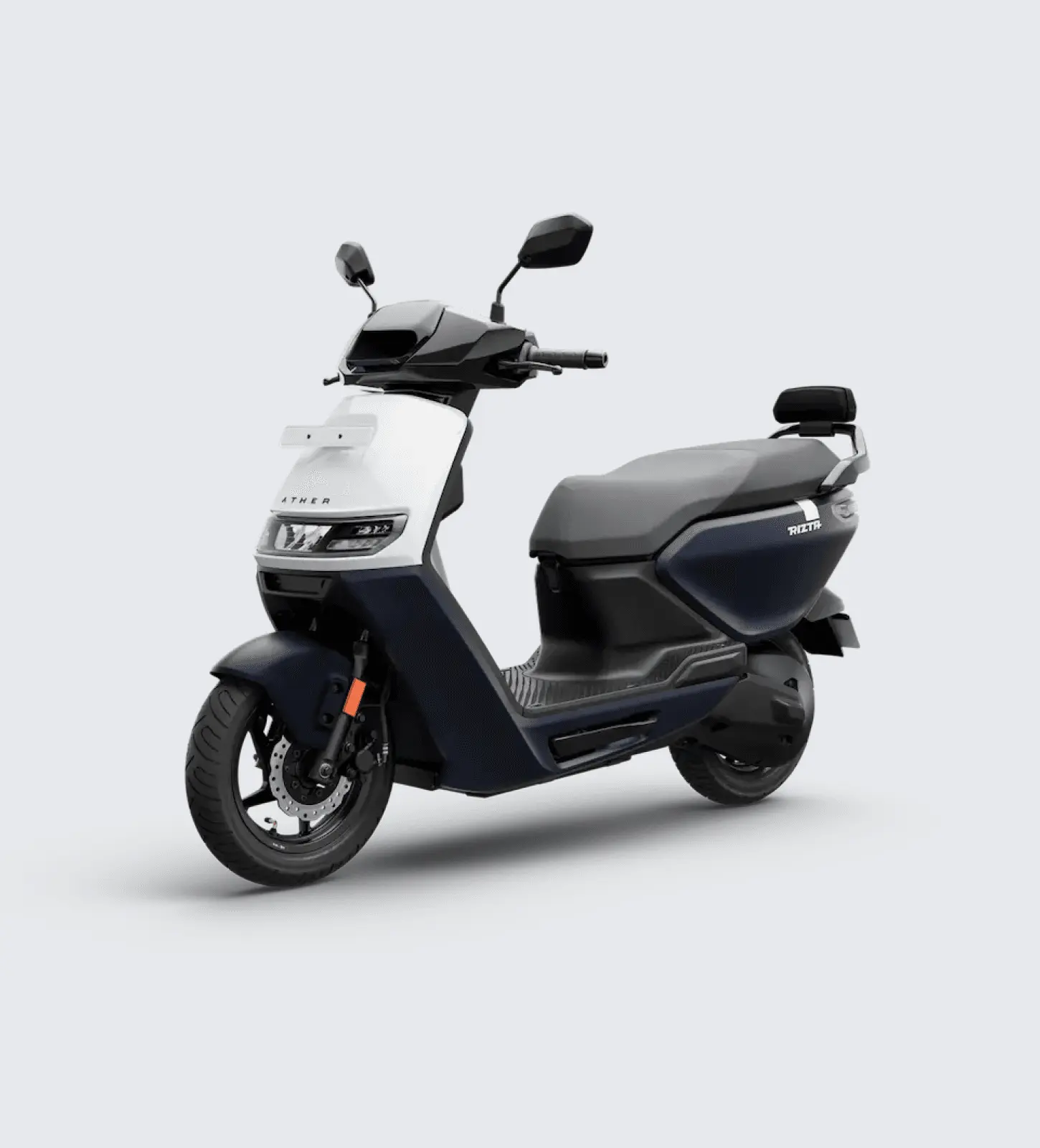
The reasons are practical rather than patriotic. Indian manufacturers like Ather, Bajaj's Chetak,, and TVS's iQube bring legacy brand trust that Chinese scooter names simply haven't built yet in Nepal. Service centers are more widespread. Spare parts cross the border more easily. And the range figures on Indian electric scooters have improved dramatically over the past two years.
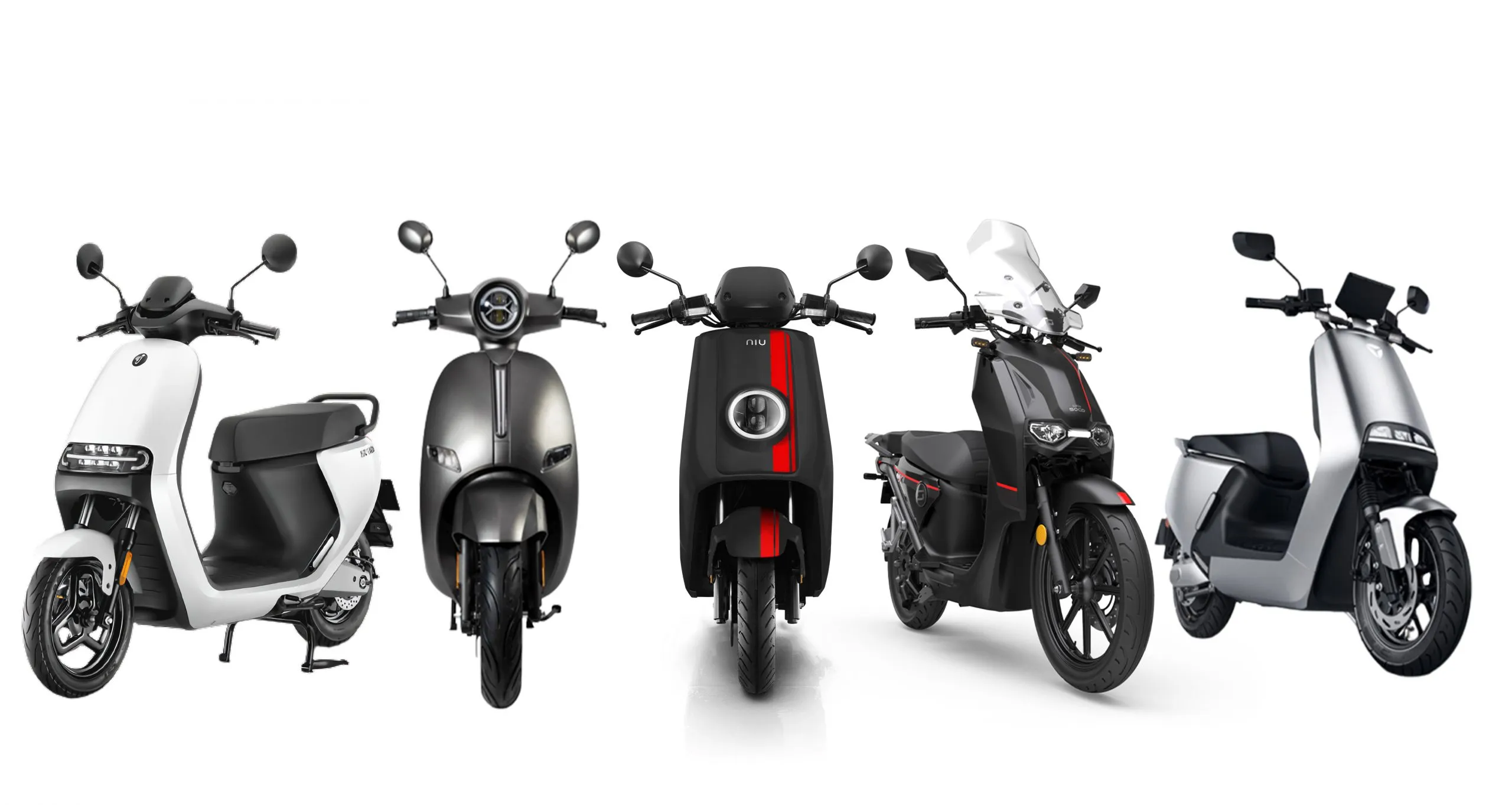
Other brands gaining traction include Tazz, Yadea, NIU, Segway, Luyan, Gyaro, and Super Soco, a mix of Indian, Chinese, and international names competing across different price points. Of the three dozen-plus brands technically available in Nepal, around a dozen are doing real volume. That kind of consolidation in a young market usually signals the beginning of serious competition on price and features.
Conclusion
None of this means Nepal's electric scooter market has solved its structural problems. The charging network outside the Kathmandu Valley remains thin. Servicing quality in towns beyond the major urban centers is inconsistent at best. The grid itself, despite dramatic improvements over the past decade, still faces seasonal load challenges.
The current surge is real, but it is also fragile in specific ways. If petrol prices drop significantly , say, because of a reversal in global oil markets, some of the urgency disappears. The buyers who switched purely on running-cost math might not evangelize to their networks the way early adopters do.
But even accounting for that, the trajectory is hard to dismiss. From 2,265 units five years ago to a projected 23,000-plus this year, that curve does not reverse easily. The question worth watching is not whether Nepal's electric scooter market keeps growing. It almost certainly will. The question is whether the infrastructure around it grows fast enough to keep new riders from getting burned by the things that frustrated the first generation of buyers.
At Rs 217 per litre, a lot of people are about to find out firsthand.