-original.webp)
The province that pioneered EV adoption incentives is now making electric vehicles significantly more expensive to own. And it isn't touching a single rupee of tax on petrol vehicles.
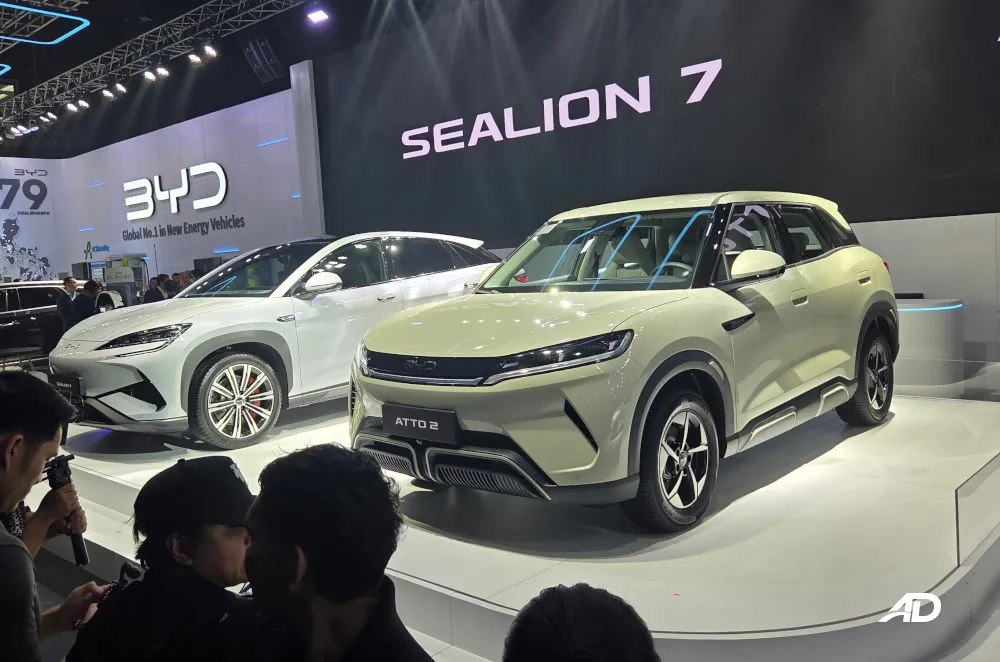
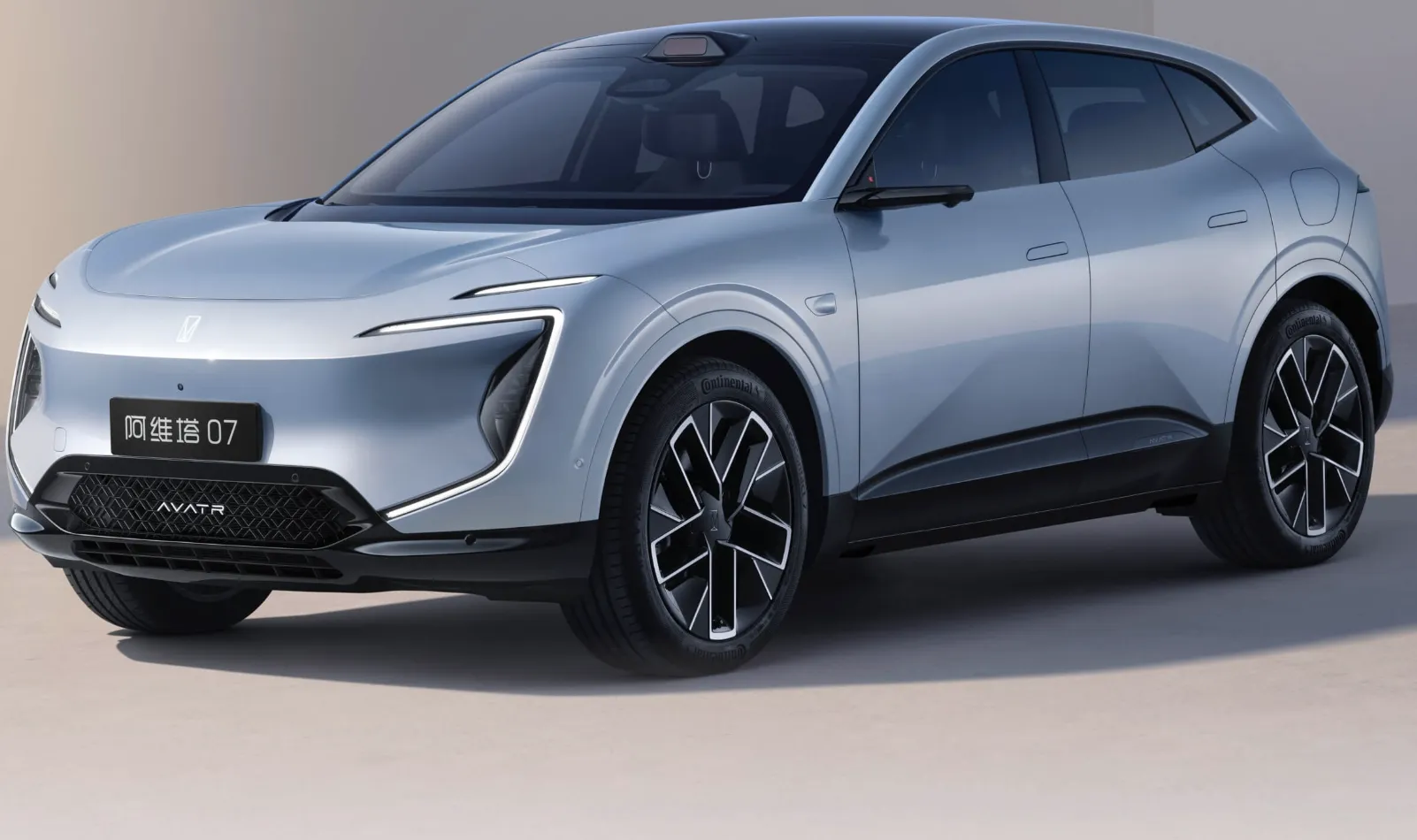
Madhesh Province has revised its annual road tax structure for electric vehicles through its Economic Act 2083, with rates effective from Shrawan 1, 2083. The hike is steep: entry-level private EVs now carry double the annual tax they did last year, while top-tier EVs face a Rs 10,000 jump at the upper end. The provincial government's rationale? Conspicuously absent from the announcement.
The Numbers That Matter
The old system taxed EVs based on motor power in kilowatts. The new system mirrors the federal government's approach, switching to price-based taxation. That shift alone changes who pays what, and by how much.
Private Four-Wheeler EVs , New Annual Tax Rates (Effective Shrawan 1, 2083)
Vehicle Price Range | Annual Tax (New) | Previous Rate (Motor-Based) | Change |
Up to Rs 30 lakh (up to 50kW motor) | Rs 11,000 | Rs 5,000 | 1.2 |
Rs 30 lakh to Rs 50 lakh | Rs 15,000 | Rs 15,000 (50–125kW) | No change |
Rs 50 lakh to Rs 1 crore | Rs 25,000 | Rs 20,000 (125–200kW) | 0.25 |
Above Rs 1 crore (above 200kW motor) | Rs 40,000 | Rs 30,000 | 0.33 |
The most punishing increase lands on the most accessible segment. An EV that cost its owner Rs 5,000 a year in annual tax now costs Rs 11,000. That's the entry-level buyer taking the hardest hit, proportionally.
Two-Wheelers and Public Vehicles
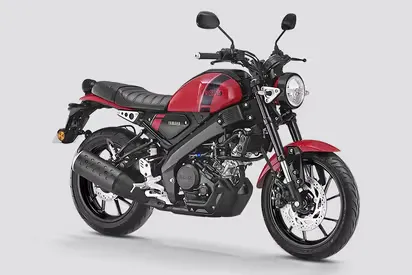
Electric two-wheelers, motorcycles, scooters, and mopeds, have also seen their taxes revised upward. The earlier flat maximum was Rs 3,000 annually. The new structure scales by price.
Electric Two-Wheelers , New Annual Tax Rates
Vehicle Price Range | Annual Tax (New) | Previous Maximum |
Up to Rs 2.5 lakh | Rs 2,000 | Rs 3,000 (flat max) |
Rs 2.5 lakh to Rs 3 lakh | Rs 3,000 | Rs 3,000 (flat max) |
Above Rs 3.5 lakh | Rs 5,000 | Rs 3,000 (flat max) |
One carve-out that provides real relief: public and commercial electric vehicles get a 50 percent discount across all revised rates. Electric auto-rickshaws and e-rickshaws retain their existing annual tax of Rs 3,000, unchanged.
Commercial / Public EVs , Effective Rates After 50% Discount
Vehicle Price Range | Standard Rate | Effective Rate (Public/Hire) |
Up to Rs 30 lakh | Rs 11,000 | Rs 5,500 |
Rs 30 lakh to Rs 50 lakh | Rs 15,000 | Rs 7,500 |
Rs 50 lakh to Rs 1 crore | Rs 25,000 | Rs 12,500 |
Above Rs 1 crore | Rs 40,000 | Rs 20,000 |
E-rickshaw / Electric auto | Rs 3,000 | Rs 3,000 (unchanged) |
The Question Nobody Is Answering
Here's what stands out. Petrol and diesel vehicle taxes remain exactly where they were. Not one rupee of revision for internal combustion engines. Only EVs took the hit.
At a time when the national government has been positioning Nepal as an EV-forward economy, one of its own provinces is making it measurably more expensive to own and operate an electric vehicle. The switch from kilowatt-based to price-based taxation also means buyers of mid-range EVs, the segment that has driven most of the country's EV growth, could find themselves reclassified upward as vehicle prices shift.
For imported vehicles, the taxable price is the customs-assessed value plus all applicable duties. For domestically sold vehicles, it's the VAT-inclusive invoice price.
Whether this is a revenue decision, a policy miscalculation, or a quiet reversal of EV promotion efforts, the province has not said. What it has done is send a clear signal to anyone shopping for an electric vehicle in Madhesh: ownership just got more expensive, and nobody in Kathmandu seems particularly bothered by it.

-original.webp)