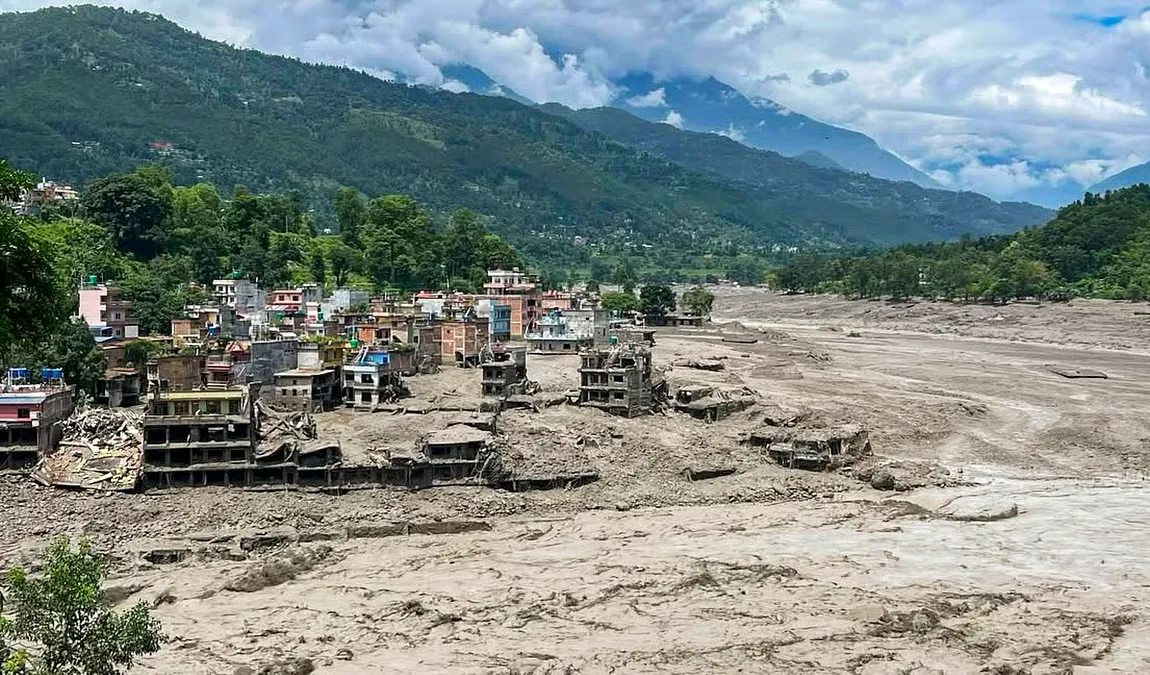
A sudden flash flood that surged into Nepal from Tibet on Wednesday morning has devastated the Rasuwagadhi border area, sweeping away hundreds of electric vehicles and cargo containers and inflicting losses worth billions of rupees on Nepal's auto trade. But the business damage is only a small part of a far larger tragedy: the floods along the Bhotekoshi and Trishuli corridors have killed at least 95 people, with hundreds more missing as rescue operations continue across Rasuwa and Nuwakot.
What Happened
Floodwaters rose abruptly in the Bhotekoshi around 9 am, originating upstream on the Tibetan side of the border. Officials reported no significant rainfall in the Nepali section of the basin, pointing to a cross-border source, and initial assessments suggest an earthquake-triggered avalanche may be to blame, though no cause has been confirmed. The surge tore through the Rasuwagadhi customs area, dry port and surrounding roads where large numbers of vehicles and goods were parked.
The Vehicle Losses
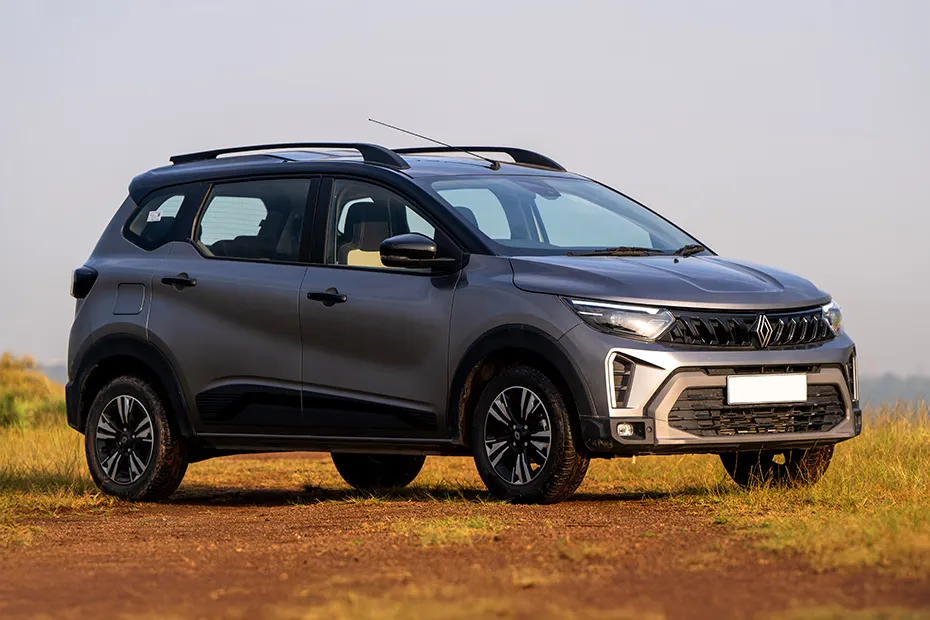
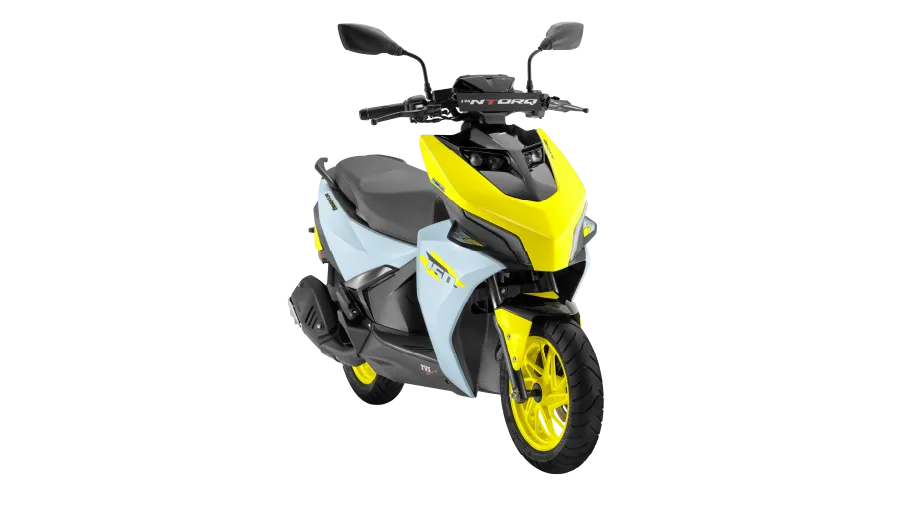
The figures vary widely, and that's worth being clear about. Automobile associations estimate more than 700 electric cars and over 100 containers were swept away, with BYD alone losing an estimated 200-plus units and around 500 more lost across MG, Wuling, Omoda, Jaecoo, iCaur, BAIC, Arcfox, Foton and Skywell. Official figures are lower and still being compiled: the District Administration Office initially confirmed 64 vehicles, including 35 new EVs imported from China. The gap reflects how early and chaotic the assessment still is.
The timing made it brutal. Dealers had imported heavily to meet booking demand from the recent NAIMA Expo and the ongoing NADA Auto Show 2026, ahead of the festive season. Some vehicles had cleared customs; others were parked in the yard or along nearby roads. Businesses now face a double blow, lost stock and the prospect of failing to deliver to customers who had already booked, forcing re-imports through alternative routes.
Containers and Infrastructure
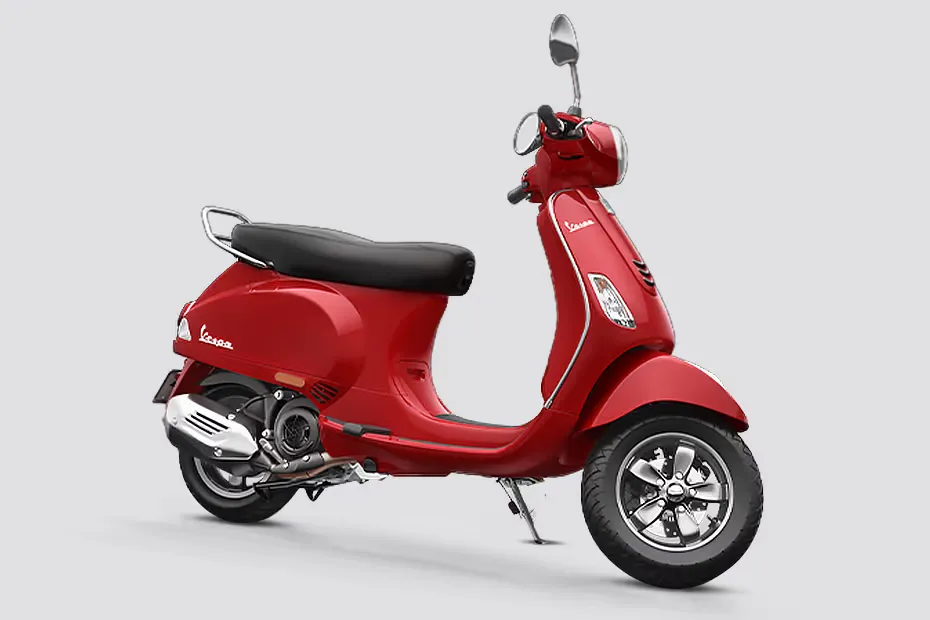
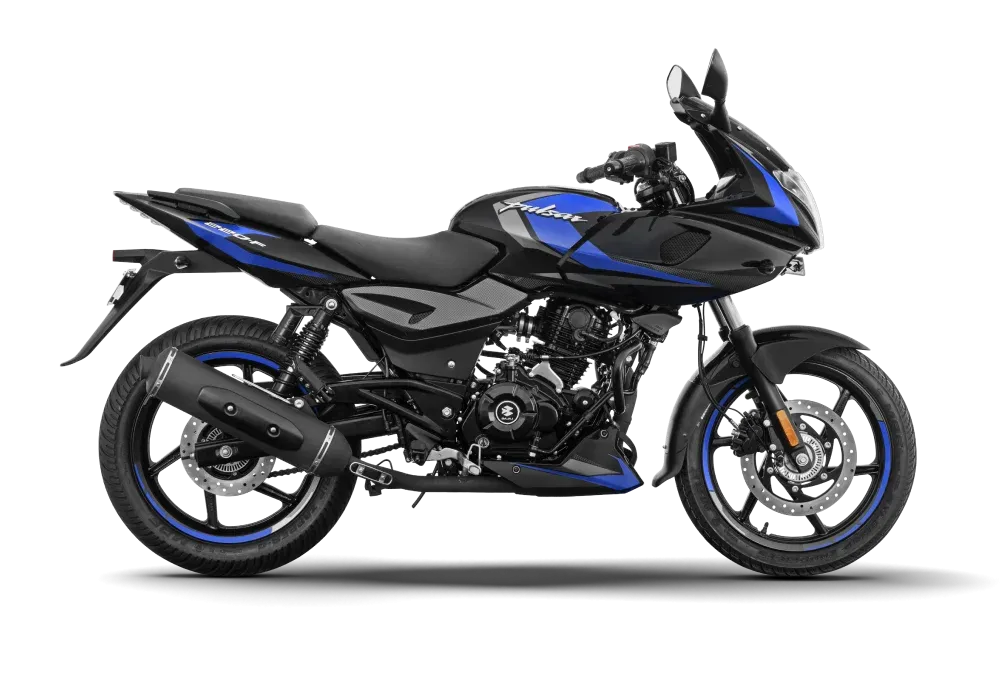
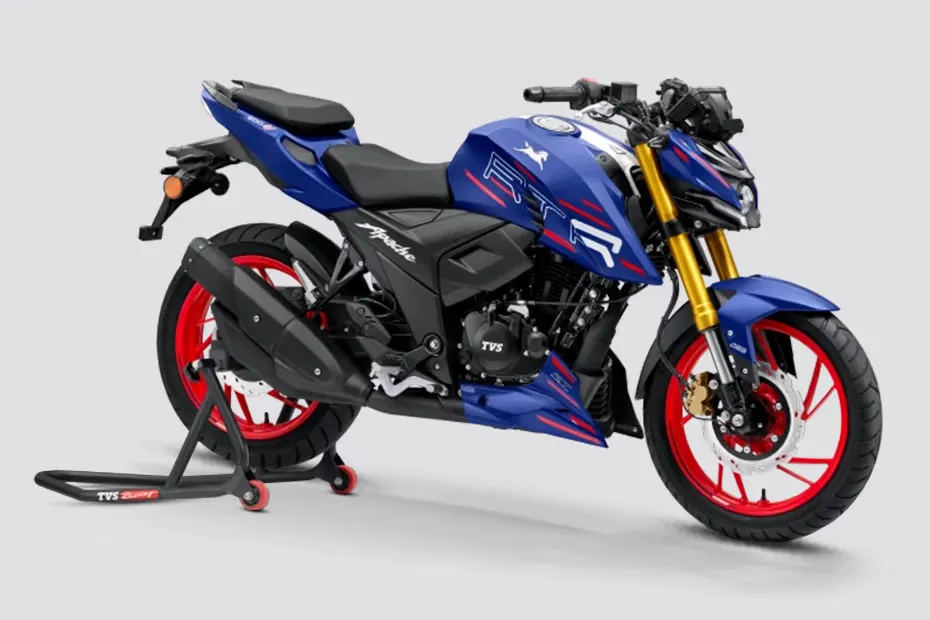
The flood also carried off an estimated 200 to 250 containers of goods from the customs yard, according to trade association president Ram Hari Karki, including more than 60 that had already cleared customs. Hundreds of private cars, motorcycles, scooters and hydropower project vehicles were lost too. Beyond vehicles, roughly 40 km of the Betrawati-Rasuwagadhi road and 19 bridges were damaged, and major hydropower facilities including Rasuwagadhi and Chilime were hit, disrupting power. The severed road link also complicates any effort to bring in replacement stock.
A Grim Pattern
This carries a bleak familiarity. Just over a year ago, in July 2025, a similar Tibet-origin flood struck the same Rasuwagadhi yard, killing at least nine people and destroying 35 EVs and containers. That the same border point has now been hit again, far more deadly this time, raises hard questions about the vulnerability of this trade corridor and the wisdom of staging so much high-value inventory there.
The Bottom Line
For Nepal's auto trade, the hit runs into billions of rupees at the worst possible moment, just before the festive season dealers had banked on. But vehicles can be re-imported and losses eventually absorbed. The lives lost cannot. As recovery efforts continue, the industry's losses remain a real but secondary chapter in a disaster whose full human toll is still being counted.
For continuing coverage of the impact on Nepal's auto sector, Autoncell will track developments as they unfold.