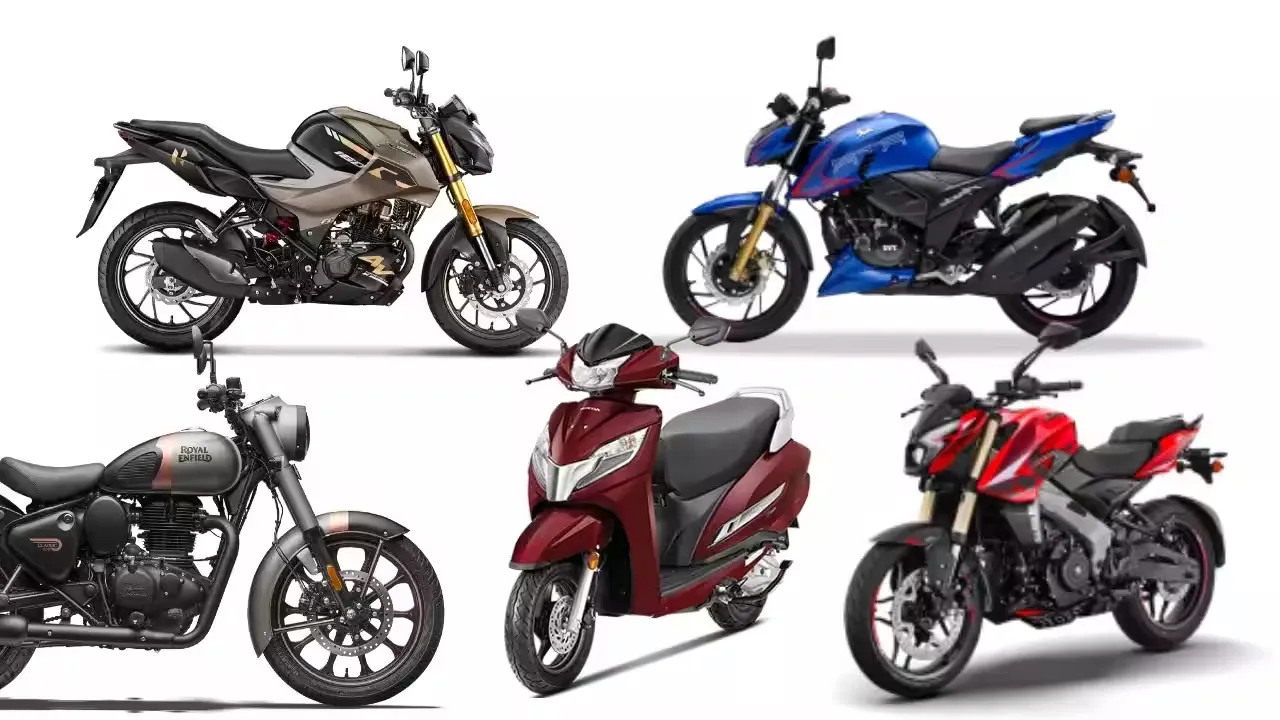
The hierarchy at the top of India's two-wheeler market is no longer set in stone. For decades, the story was simple: Hero led, Honda chased. That script has been torn up. In August 2026, for the second consecutive month, it is TVS Motor sitting at the summit of total sales, and the margins separating the biggest players have shrunk to almost nothing.
India's leading two-wheeler manufacturers reported broadly positive results in August 2026, with the top six brands together accounting for more than 24.40 lakh units across domestic and export markets. Combined sales rose 12.96 percent year-on-year and 4.77 percent month-on-month, a strong performance that signals healthy demand as the industry moves toward the crucial festive stretch. But the headline numbers hide a fascinating truth: these brands are winning in completely different ways. Some dominate the home market, others live and die by exports, and the overall champion is the one that balances both.
Let us break down all three battlegrounds in detail.
Domestic Sales: Hero Leads, but Honda Is Right There
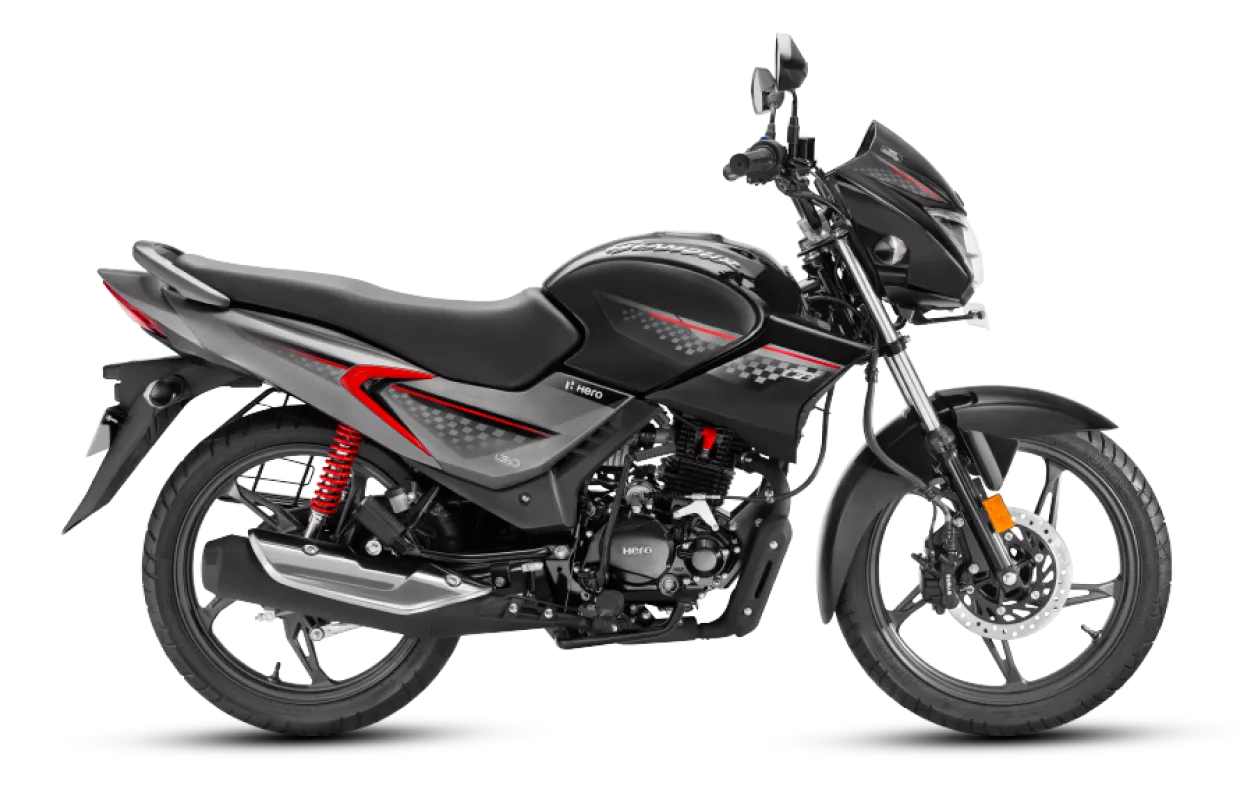
In the domestic market, Hero MotoCorp is still the biggest name on the board, though its grip is loosening. Hero registered 5,42,305 units in August 2026, up 4.46 percent from 5,19,139 units a year earlier, along with a solid 8.16 percent month-on-month gain. Those are perfectly respectable figures, but the pressure behind Hero is intense.
Honda followed with domestic sales of 5,17,329 units, and crucially, it grew faster on both measures, up 7.55 percent year-on-year and 8.58 percent month-on-month. The difference between the two long-standing rivals came down to just 24,976 units. To put that in perspective, in a market Hero has historically commanded, Honda is now within touching distance. If Honda keeps outgrowing Hero at this pace, the domestic leadership itself could change hands in the months ahead.
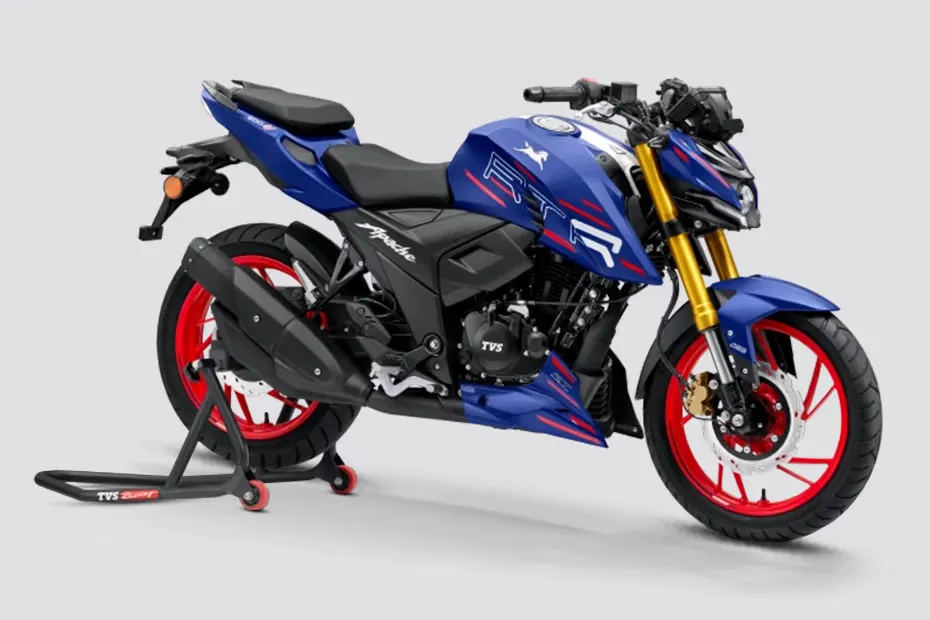
TVS took third place domestically with 4,33,796 units, and it posted the strongest year-on-year growth of the leading trio at 17.60 percent. The only blemish was a marginal 0.82 percent dip compared with July, but that hardly dents an impressive annual performance.
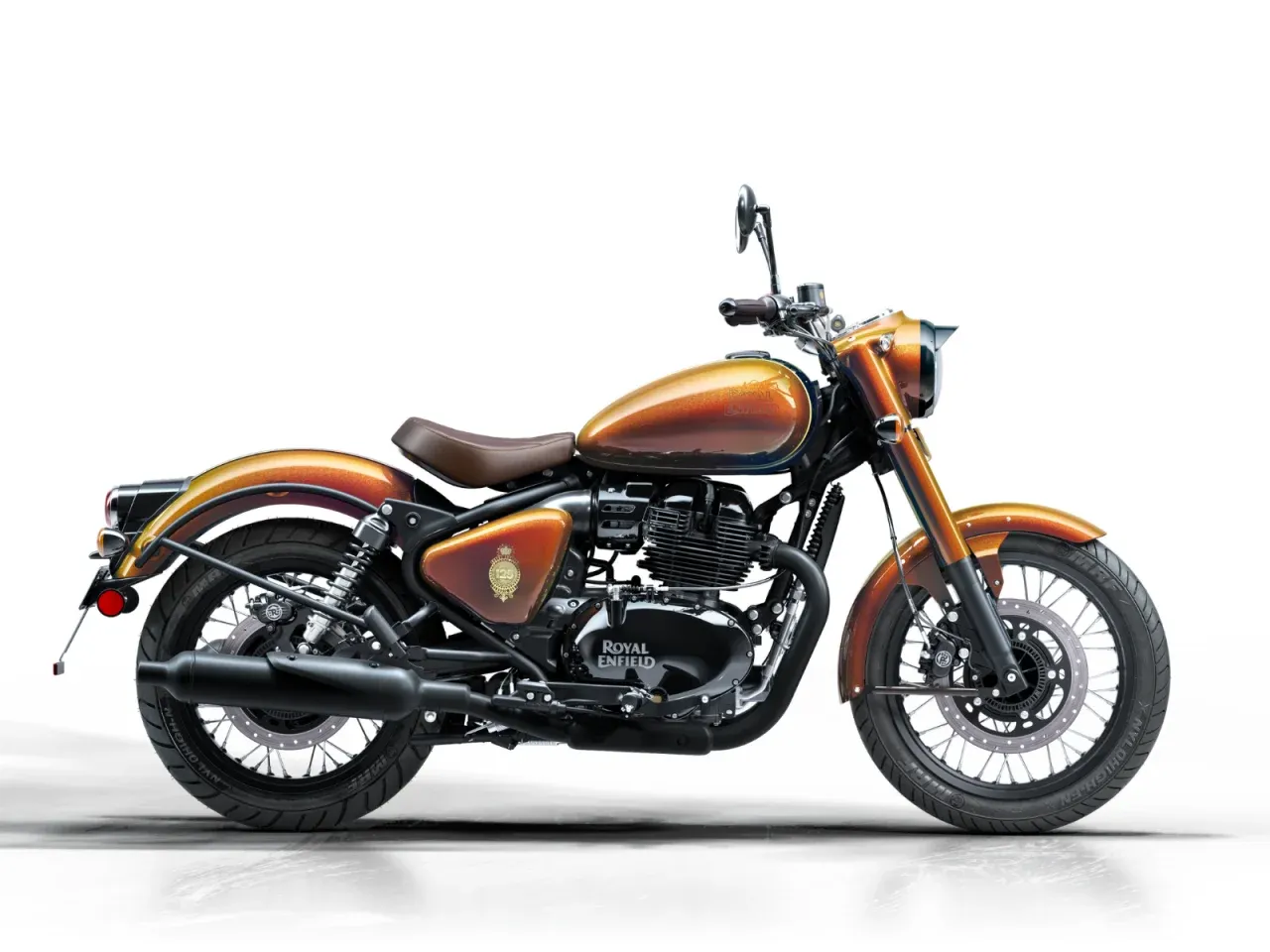
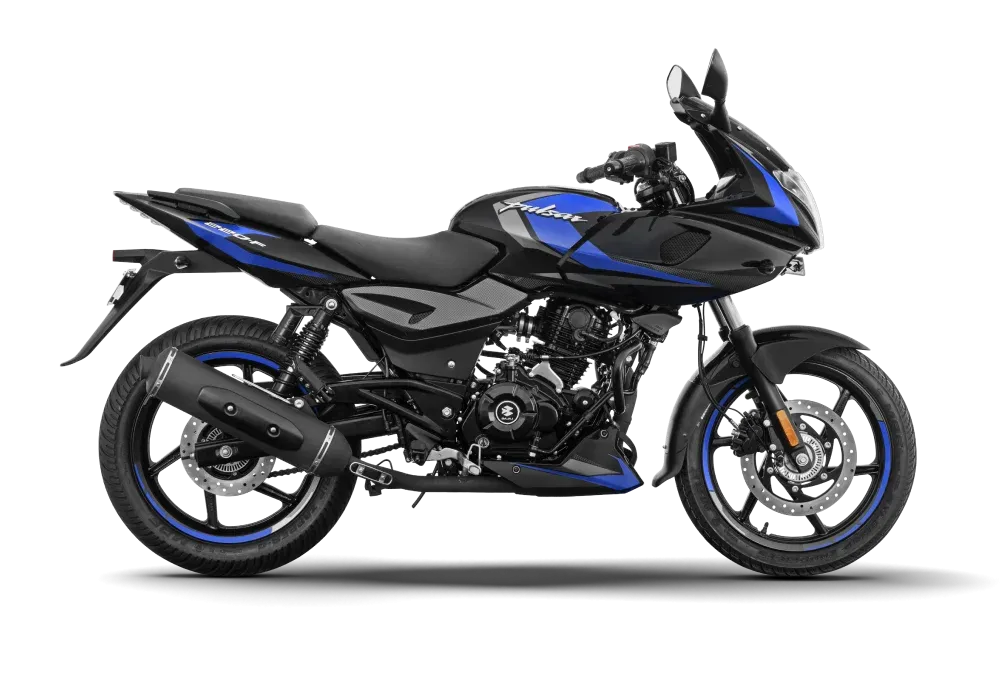
Bajaj Auto recorded domestic sales of 2,01,898 units, up 9.66 percent year-on-year, and stood out with a powerful 21.81 percent month-on-month jump, the strongest monthly surge among the six. Royal Enfield sold 1,14,204 units, growing a healthy 11.01 percent year-on-year, while Suzuki was almost neck-and-neck with it at 1,13,936 units, up 10.49 percent.
Brand | Domestic Units | YoY Change | MoM Change |
Hero MotoCorp | 5,42,305 | 0.0446 | 8.16% |
Honda | 5,17,329 | 0.0755 | 8.58% |
TVS | 4,33,796 | 0.176 | -0.82% |
Bajaj | 2,01,898 | 0.0966 | 21.81% |
Royal Enfield | 1,14,204 | 11.01% | |
Suzuki | 1,13,936 | 0.1049 |
The domestic story, then, is one of a tightening race at the very top and steady, healthy growth across the board, with Bajaj's monthly momentum worth watching closely.
Exports: Bajaj Rules a Different Kingdom
Turn to the export market, and the entire pecking order flips on its head. Here, Bajaj Auto is not just the leader, it is in a category of its own. The company shipped 2,41,850 units overseas in August, a stunning 53.28 percent year-on-year surge, backed by an 8.47 percent month-on-month rise. That gave Bajaj a commanding 46.76 percent share of exports among these six brands. In other words, nearly half of every two-wheeler exported by this group carried a Bajaj badge. Bajaj's decades-long focus on overseas markets, particularly Africa, Latin America and South Asia, continues to pay off handsomely.
TVS was second in exports with 1,57,641 units, up a strong 29.29 percent year-on-year, though it slipped 4.89 percent compared with July. Honda came third at 61,833 units, growing 14.85 percent year-on-year.
For the remaining brands, exports were a weak spot. Hero's overseas shipments fell 24.56 percent year-on-year to 26,093 units, a notable decline that underscores its heavy reliance on the domestic market. Suzuki's exports dropped 21.58 percent to 17,493 units. Royal Enfield, meanwhile, exported 12,275 motorcycles, registering a modest 10.33 percent year-on-year gain, respectable for a premium brand whose global footprint is still expanding.
Brand | Export Units | YoY Change | MoM Change |
Bajaj | 2,41,850 | 0.5328 | 8.47% |
TVS | 1,57,641 | 0.2929 | -4.89% |
Honda | 61,833 | 0.1485 | |
Hero | 26,093 | -24.56% | |
Suzuki | 17,493 | -21.58% | |
Royal Enfield | 12,275 | 0.1033 |
This is the crucial context that explains the overall rankings. A brand's total standing depends heavily on how much export firepower it can add to its domestic base, and this is exactly where the final chart gets interesting.
Total Sales: TVS Holds No. 1 for a Second Month
Combine domestic and export volumes, and TVS Motor emerges on top for the second consecutive month, having first claimed the number one spot in July 2026. TVS recorded total sales of 5,91,437 units in August, up 20.51 percent year-on-year, giving it the highest share of the six manufacturers at 24.23 percent. Its formula is balanced: third at home, second in exports, and top overall. That well-rounded strength is precisely what has carried it to the summit.
But TVS holds the crown by the slimmest of threads. Honda ranked second with total sales of 5,79,162 units, up 8.28 percent year-on-year, and Hero was third at 5,68,398 units, up 2.65 percent. Just 23,039 units separated TVS from Hero, a wafer-thin margin that captures just how fierce the fight at the top has become. In any given month, all three could realistically claim first place.
Bajaj finished fourth overall with 4,43,748 units, but it posted the strongest year-on-year growth among the top four at a formidable 29.79 percent, almost entirely powered by its export dominance. Suzuki stood at 1,31,429 units, and Royal Enfield registered 1,26,479 units, the two rounding out the group.
Brand | Total Units | YoY Change | Market Share |
TVS | 5,91,437 | 0.2051 | 24.23% |
Honda | 5,79,162 | 0.0828 | |
Hero | 5,68,398 | 0.0265 | |
Bajaj | 4,43,748 | 29.79% | |
Suzuki | 1,31,429 | ||
Royal Enfield | 1,26,479 |
Taken together, these six manufacturers sold 24,40,653 two-wheelers in August 2026, up 12.96 percent from 21,60,690 units a year earlier, and 4.77 percent higher than July's figures. It is a picture of an industry firing on all cylinders, with volume growth across nearly every brand.
Reading Between the Lines
A few deeper trends are worth pulling out of these numbers. First, Hero's slowing momentum, up just 2.65 percent in total sales and actually declining in exports, exposes how dependent it has become on the domestic market at a time when rivals are diversifying. Its 24.56 percent export slump is the single weakest figure among the top players.
Second, TVS and Bajaj are the two brands genuinely capitalising on exports, and it shows in their growth rates. TVS's 20.51 percent and Bajaj's 29.79 percent total growth both dwarf Hero's and Honda's, and both lean heavily on overseas demand. That export strength is quietly becoming the decisive factor in who leads the overall chart.
Third, the premium end remains steady. Royal Enfield's double-digit growth in both domestic sales and exports confirms that appetite for its mid-capacity motorcycles is holding firm, even as the mass-market brands slug it out on volume.
Conclusion
August 2026 confirmed that the comfortable old order in India's two-wheeler market has been swept away. Hero, once the unchallenged king, now sits third in total sales and only narrowly ahead of Honda at home. TVS has parlayed strong domestic growth and serious export muscle into back-to-back months at number one. And Bajaj, though only fourth overall, utterly dominates the export business in a way no rival can match.
With barely 23,000 units separating the top three brands, the upcoming festive season, traditionally the biggest sales window of the year, could reshuffle this leaderboard all over again. What is beyond doubt is that the battle for India's two-wheeler throne has become a genuine three-way war, fought as fiercely on foreign shores as on Indian roads. The next few months promise to be the most closely contested this market has seen in years.
For more auto industry news and analysis, Autoncell covers the developments shaping the market.