August is usually a slow month for India's car market. Monsoon rains dampen showroom footfall, and buyers often hold off until the festive season kicks in. Yet August 2026 broke the mould entirely, delivering a record that no previous August has ever managed.
For the first time in history, passenger vehicle retail sales crossed the 4 lakh mark during the month of August. According to FADA's retail data, 4,02,398 passenger vehicles were registered in August 2026, up from 3,46,468 units in the same month last year. That works out to year-on-year growth of 16.14 percent, an additional 55,930 cars finding homes. It is a genuine milestone, and a sign that underlying demand in the Indian car market remains robust even outside the peak buying window.
There is one asterisk worth noting, though. Compared with July 2026, when 4,16,555 units were registered, August actually declined by 3.40 percent. So while the year-on-year picture is a record-breaker, the month-on-month trend softened, a nuance that becomes important further down the table.
Maruti Suzuki Extends Its Dominance
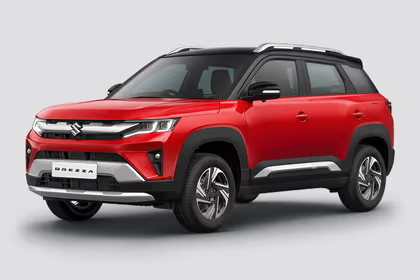
At the top, nothing has changed, except that Maruti Suzuki is pulling even further ahead. India's largest carmaker registered 1,65,200 units in August, a substantial 22.83 percent jump from 1,34,494 units a year earlier. That growth lifted its market share from 38.82 percent to a commanding 41.05 percent, meaning more than four in every ten cars sold in India last month wore a Maruti badge.
What makes Maruti's performance stand out even more is the month-on-month picture. While most rivals slipped compared with July, Maruti was one of the very few major manufacturers to grow, edging up 2.06 percent. In a month where the broader market cooled slightly, holding momentum like that is no small feat, and it underlines just how deeply entrenched Maruti's small-car and SUV lineup remains with Indian buyers.
Tata Motors Surges Into Clear Second
If Maruti's dominance was expected, Tata Motors' surge was the real headline of the month. The company registered 57,841 units, a powerful 40.49 percent year-on-year increase from 41,170 units. That leap expanded its market share dramatically, from 11.88 percent to 14.37 percent, cementing its position as India's second-largest carmaker by retail sales.
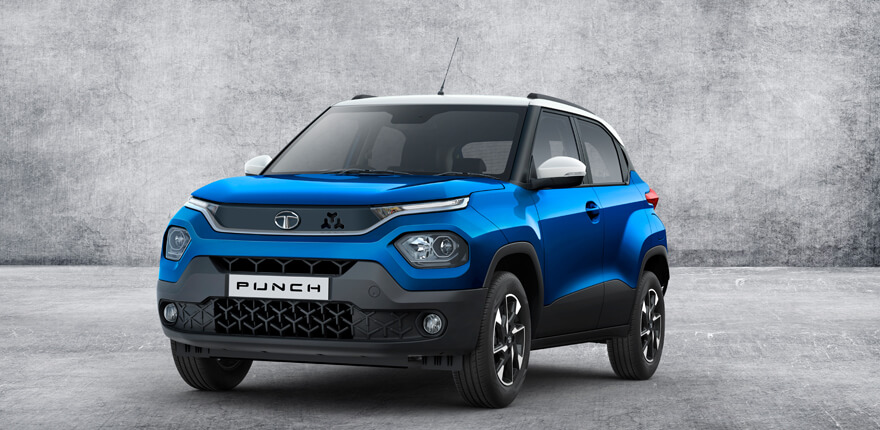
Tata's growth has been driven by the strength of its SUV portfolio and its continued leadership in electric vehicles, where it still commands the lion's share of India's EV market. The only blemish was a marginal 1.59 percent dip compared with July, but against such a strong annual figure, that barely registers as a concern.
Mahindra and Hyundai Hold Firm
Mahindra took third place with 50,245 units, up 6.41 percent year-on-year on the back of its SUV-heavy lineup and the growing traction of its new electric models. Its market share, however, slipped slightly from 13.63 percent to 12.49 percent, largely because rivals like Tata grew faster. Mahindra also had a tougher month-on-month showing, falling 10.63 percent from July.
Hyundai followed in fourth with 46,987 units, posting steady 4.84 percent year-on-year growth and holding an 11.68 percent share. Hyundai's numbers reflect a brand that remains a consistent, dependable performer, even if it lacks the explosive growth seen at Tata this month.
The Toyota vs Kia Battle Tightens
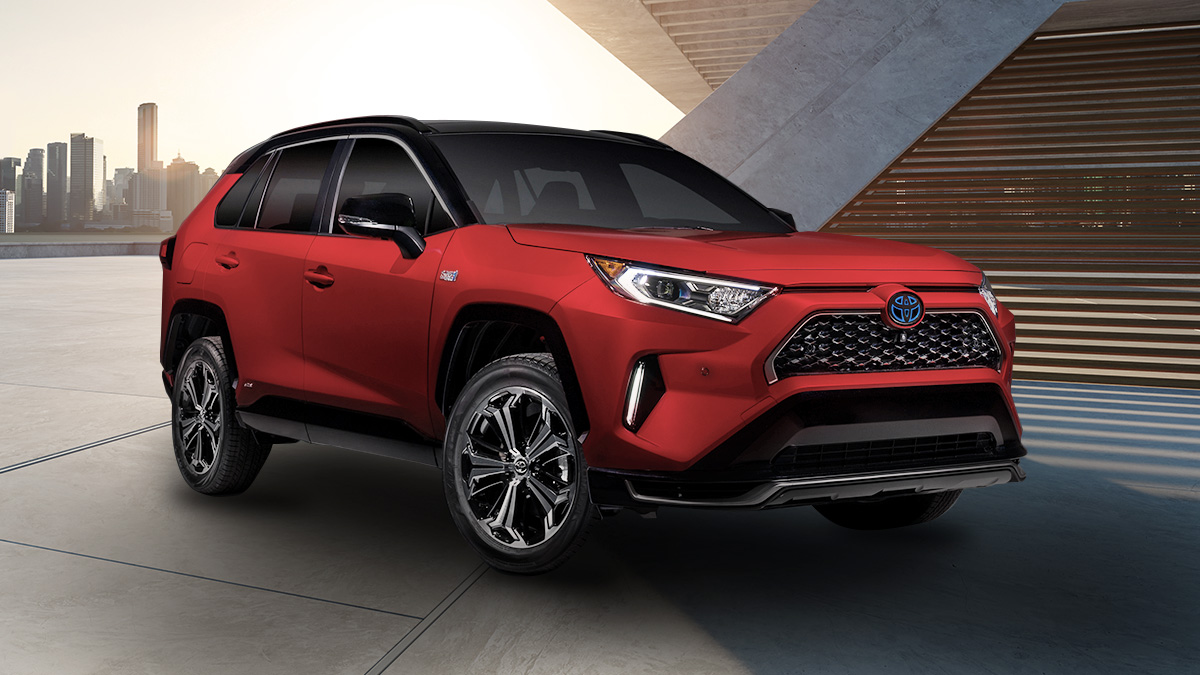
One of the most fascinating sub-plots in August was the fight for fifth place. Toyota registered 24,856 units, but that was a 9.94 percent decline from 27,600 units a year ago, dragging its market share down from 7.97 percent to 6.18 percent. Toyota also suffered a relatively sharp 15.58 percent month-on-month drop.
Right on its heels was Kia, which climbed 17.60 percent year-on-year to 23,371 units for a 5.81 percent share. The gap between the two came down to just 1,485 units, remarkably close. With Toyota sliding and Kia climbing, the two brands are heading in opposite directions, and it may only be a matter of time before Kia leapfrogs the Japanese giant in the monthly rankings. FADA specifically flagged Toyota and Kia as recording the strongest year-on-year improvements among ranked mass-market makers, though their August trajectories tell very different stories.
The Chasing Pack: Mixed Fortunes
Further down the table, results were a study in contrasts.
Manufacturer | Aug 2026 Units | YoY Change | Market Share |
Maruti Suzuki | 1,65,200 | 0.2283 | 41.05% |
Tata Motors | 57,841 | 0.4049 | 14.37% |
Mahindra | 50,245 | 0.0641 | 12.49% |
Hyundai | 46,987 | 0.0484 | 11.68% |
Toyota | 24,856 | -9.94% | 6.18% |
Kia | 23,371 | 0.176 | 5.81% |
Skoda VW Group | 7,469 | -17.64% | |
JSW MG Motor | 5,784 | -13.01% | |
Honda | 4,968 | 0.1237 | |
Renault | 3,275 | 0.251 | |
Nissan | 2,758 | 0.8362 | |
VinFast | 2,199 |
Skoda Volkswagen Group had a difficult month, registering 7,469 units, down 17.64 percent year-on-year. JSW MG Motor also struggled, sliding 13.01 percent to 5,784 units. Honda bucked the trend among the mid-table names with 4,968 registrations, a healthy 12.37 percent gain.
But the eye-catching numbers came from the smaller players. Renault rose 25.10 percent to 3,275 units, and Nissan posted one of the strongest percentage gains of any established brand, surging 83.62 percent year-on-year to 2,758 units from just 1,502 a year ago, a sign its refreshed lineup is finally connecting with buyers. VinFast, the Vietnamese electric newcomer, registered 2,199 vehicles in August, up a strong 48.38 percent from July's 1,482 units, showing steady early momentum in the Indian market.
A Record Year, but a Softer Month
Here is the important context behind the celebration. Despite the record-breaking annual numbers, August was actually weaker than July for most manufacturers. Apart from Maruti, Nissan and VinFast, nearly every major brand posted a month-on-month decline. Mahindra fell 10.63 percent, Kia 8.53 percent, Skoda VW 9.15 percent, Honda 14.67 percent and JSW MG a steep 17.72 percent. The luxury segment felt it too, with BMW down 17.63 percent and Mercedes off 11.39 percent month-on-month.
This split, strong year-on-year but soft month-on-month, suggests demand is fundamentally healthy compared with 2025, but that the market may be pausing for breath ahead of the crucial festive season, when buyers traditionally splurge.
The Fuel Mix Tells the Real Story
Arguably the most significant data point in the entire report is not about brands at all, but about what buyers are choosing to put in the tank, or the battery. The traditional dominance of petrol is steadily eroding.
Petrol and ethanol vehicles accounted for 40.85 percent of August sales, a sharp fall from 46.37 percent in August 2025. Diesel also slipped, from 18.37 percent to 17.21 percent. Together, the conventional fuels are ceding ground fast.
Where is that demand going? Toward the alternatives. CNG and LPG vehicles jumped from 21.47 percent a year ago to 25.28 percent, now the clear second-favourite choice after petrol. Hybrids grew from 7.96 percent to 9.04 percent, and pure EVs climbed from 5.83 percent to 7.63 percent. Add those three together and CNG, LPG, hybrids and EVs now make up nearly 42 percent of all passenger vehicle retail sales.
That is a profound shift. In the space of a single year, cleaner and alternative-fuel vehicles have moved from a niche to nearly half the market, driven by rising fuel prices, improving infrastructure, and a widening choice of models across every price band.
Conclusion
August 2026 will be remembered as the month Indian car sales first breached 4 lakh units in what is usually a sluggish period, a testament to the market's underlying strength. Maruti tightened its grip, Tata surged into a commanding second, and the Toyota-Kia contest set up a fascinating rivalry for the months ahead.
But the deeper, more lasting story is playing out under the bonnet. With petrol's share falling below 41 percent and alternative fuels claiming nearly 42 percent of the market, India's transition away from conventional engines is no longer a distant forecast. It is happening now, one record-breaking month at a time. The real question is whether the festive season ahead accelerates that shift even further.
For more auto industry news and analysis, Autoncell covers the developments shaping the market.