Apple just did the thing everyone said it never would. After nearly a decade of watching rivals bend and flex their phones in half, the company unveiled its first-ever foldable, the iPhone Duo, and it was the undeniable star of its biggest event of the year.
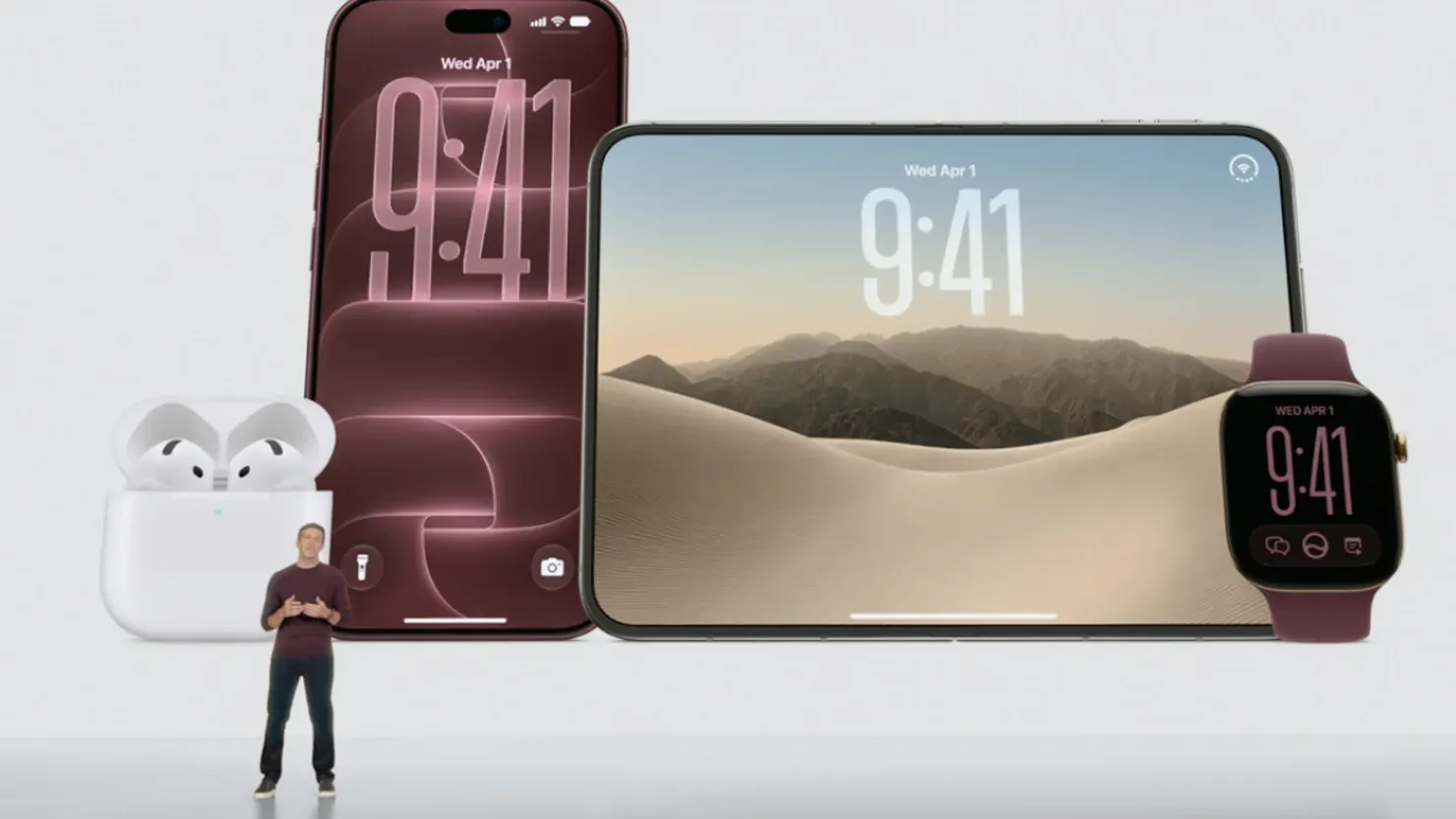
The "Surprise and Shine" launch also marked a historic moment for the company: new CEO John Ternus made his debut on stage, taking over the keynote spotlight with former boss Tim Cook watching from the audience. Ternus rattled through a packed lineup, the iPhone 18 Pro, AirPods 5 and Apple Watch Series 12, before saving the foldable for last. Here is everything that mattered.
The iPhone Duo: Apple's Biggest Redesign in a Decade
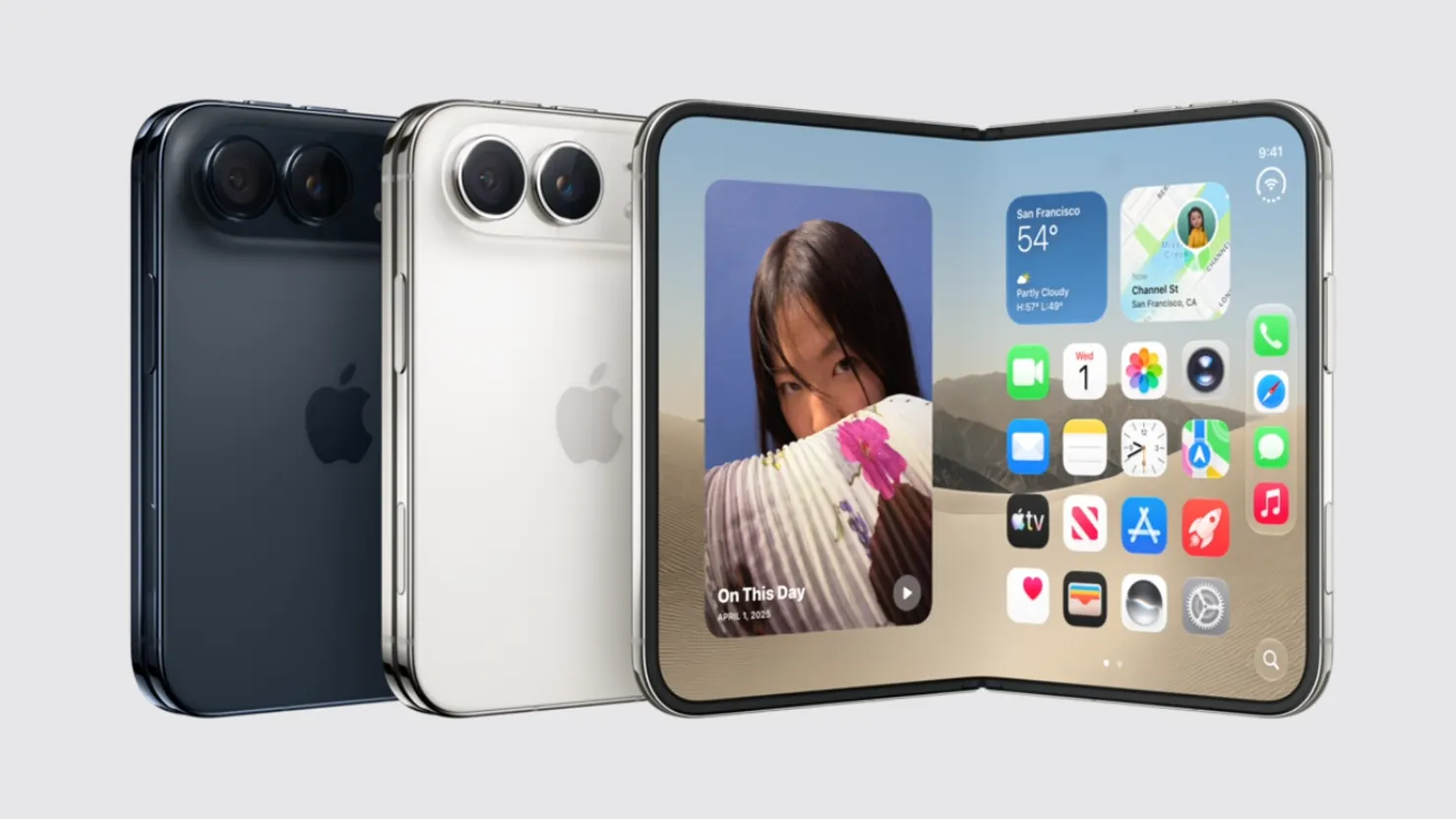
This is the headline act. Apple's first foldable is roughly the size of a passport when closed, with an internal and external screen, and Ternus made a pointed jab at the competition, saying rival foldables feel like "two phones awkwardly stuck together." Apple's pitch is that the Duo is a single, cohesive device.
The specs back up the premium billing. The outer display is 90 percent of the screen area of the iPhone 18 Pro, while the inner screen measures a generous 7.6 inches. The case is machined from titanium, and unlocking is handled by a fingerprint sensor built into the side button rather than Face ID. Apple also rebuilt much of iOS to suit the two-screen layout, letting users run two apps side by side and even use the Apple Pencil.
Then there is the price. The iPhone Duo starts at $1,999 and hits shelves on October 23. That is actually lower than much of Wall Street feared, some analysts had predicted $2,500 or more, and it lands right alongside Samsung's Z Fold 8 at $1,900. Still, at that money, the Duo costs more than several of Apple's own laptops.
iPhone 18 Pro: Familiar Look, New Chip, Higher Price
The iPhone 18 Pro looks a lot like last year's 17 Pro but arrives in two new colours, glacier and burgundy, alongside a larger Max version. Under the hood is the real story: the new A20 Pro, Apple's first 2nm iPhone chip and the first high-volume smartphone processor built on TSMC's most advanced node.
The A20 Pro is all about on-device AI. It packs a six-core CPU up to 20 percent faster, a seven-core GPU up to 40 percent quicker, and a 50 percent jump in memory bandwidth, the widest memory interface Apple has ever shipped in an iPhone. Battery life gets a real boost too, with 24 hours on the standard Pro and 30 hours on the Pro Max.
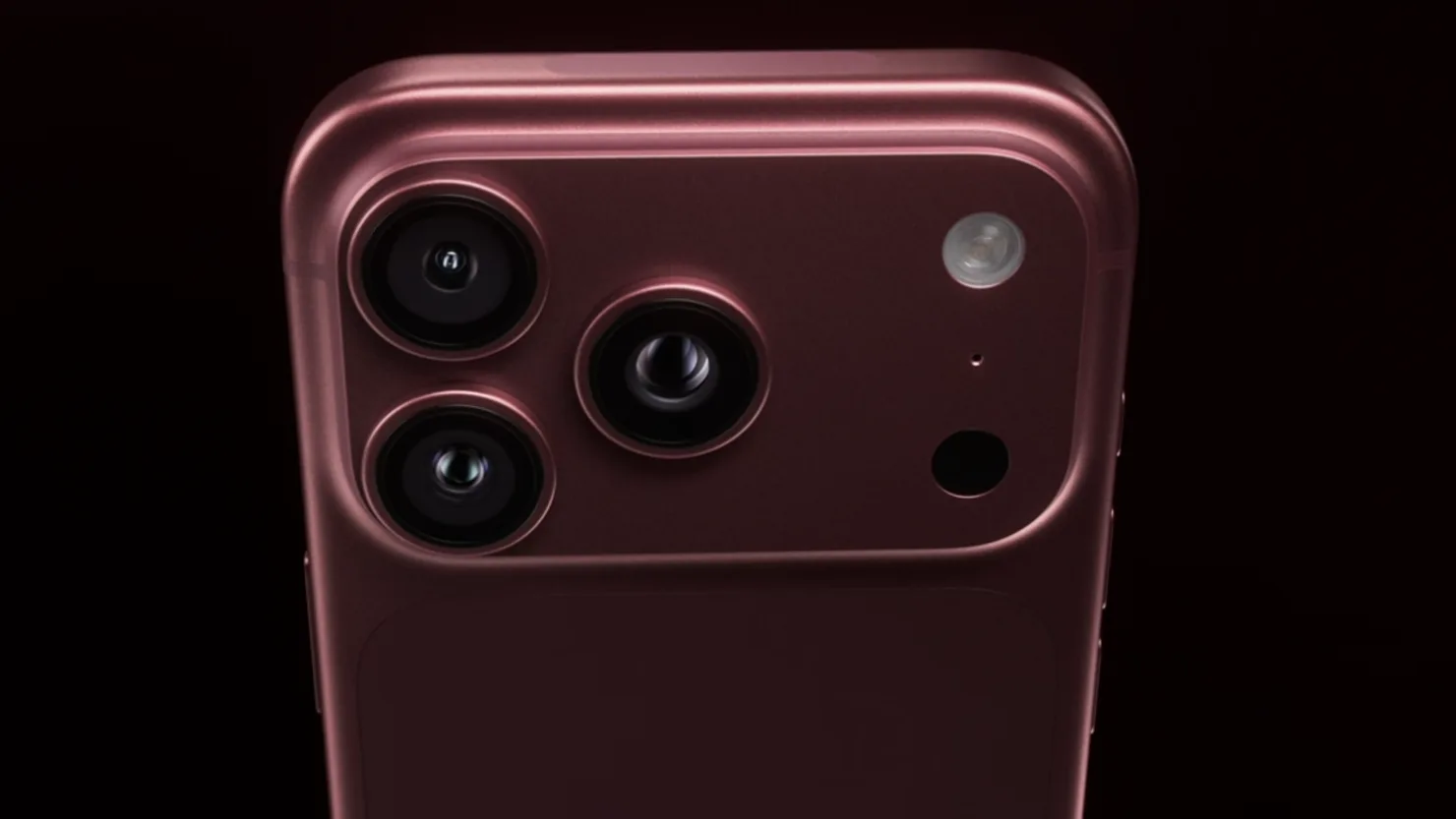
The camera brings a genuinely clever upgrade: a physical variable aperture using six laser-cut blades, each thinner than a human hair, for proper control over depth of field and bokeh. There is also a new authenticity feature called Apple Reference Image, which cryptographically signs a photo at the pixel level the moment it is captured, letting you prove a shot was taken on an iPhone rather than generated by AI (though it will not be available in the EU or China).
The catch is the price. The iPhone 18 Pro now starts at $1,199 and the Pro Max at $1,299, both a $100 hike over last year, driven by the global memory shortage squeezing the whole industry. That premium comes just as rivals sharpen their own flagships, with the Samsung Galaxy S26 Ultra already trading blows at the top of the market. Pre-orders open Saturday, with shipping from September 18.
Apple Watch Series 12 Gets Ears
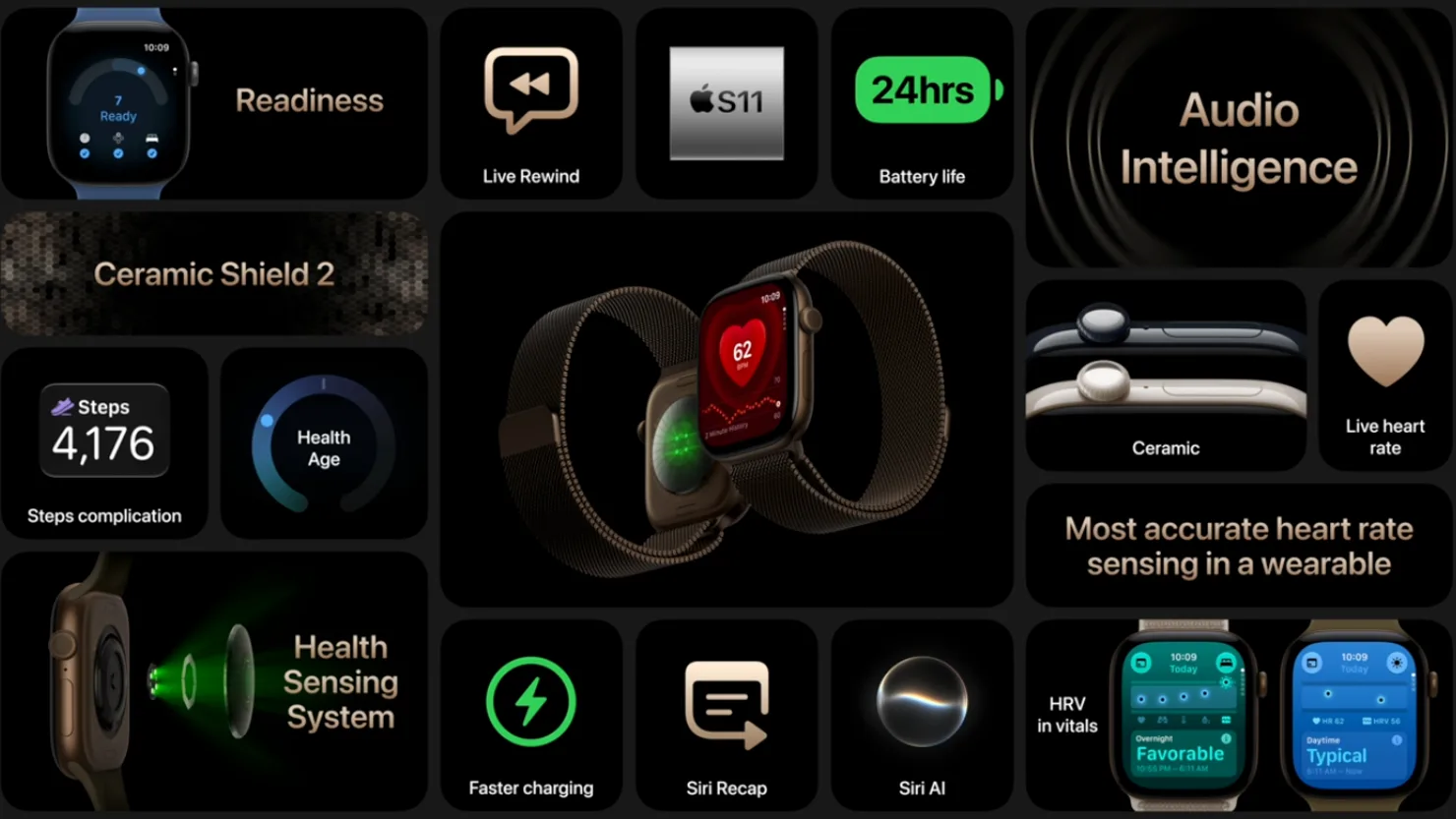
The Apple Watch held its price, Series 12 starts at $399 and the Ultra 4 at $799, and there is a new ceramic-case version. But the big news is a feature called Audio Intelligence, which turns the watch into an AI listening device.
It uses the watch's microphone to record conversations, with a "live rewind" that lets you jump back 15 seconds to catch something you missed. A companion feature, Siri Recap, uses ambient listening to take high-level notes of important conversations, generating a title, summary and key points for things like a team meeting or a parent-teacher conference. Apple stressed the feature is private and does not store or share the audio. There is also a new AI-powered health coaching system that analyses your activity, vitals and sleep each morning to score your body's readiness for the day.
The Other Announcements
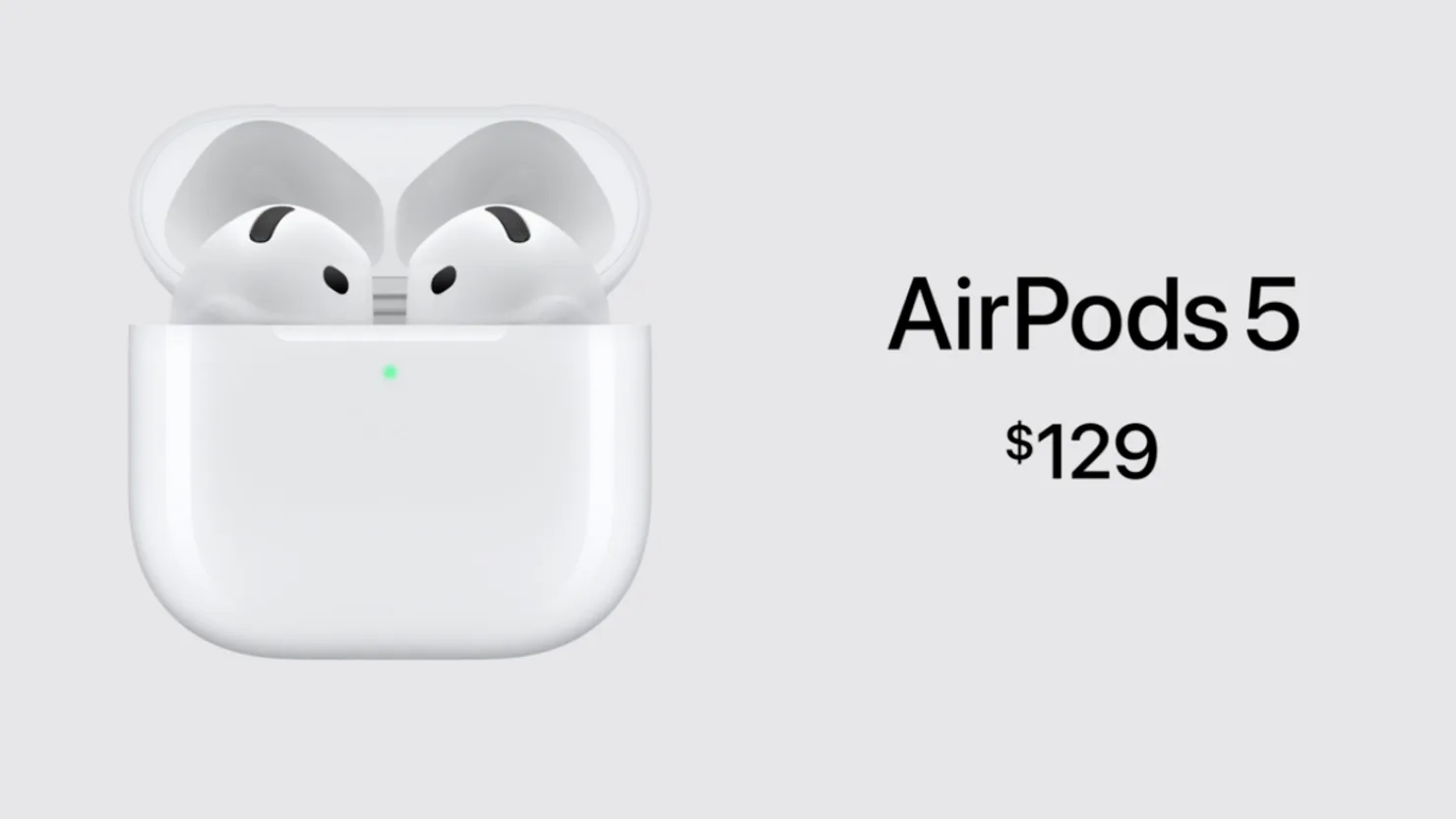
Apple packed in plenty more. AirPods 5 arrive at $129, and crucially, they finally bring active noise cancellation to the cheapest AirPods for the first time, with a wireless-charging version at $149. The long-teased AI-powered Siri finally made its proper debut, now able to take action inside apps, including third-party ones, and working across more than 300,000 apps.
There is a new C2 modem inside the Duo, Apple's second in-house cellular chip, which is 50 percent faster than its predecessor and further loosens Apple's reliance on Qualcomm. It is part of a wider chip war, with even Samsung's Exynos reportedly clawing back ground against Qualcomm. And a neat iOS 27 feature called iPhone Handoff lets you use a single phone number across multiple devices, active instantly on whichever iPhone you pick up.
The Rivals Are Ready
Apple is late to the foldable party, and its competitors made sure everyone noticed. Just a day before the event, both Huawei and Xiaomi unveiled new foldables of their own, Xiaomi with the passport-sized 18 Fold and Huawei with the trifold Mate XT2. Xiaomi in particular has been aggressive on the cutting edge lately, and the timing was clearly no accident.
For now, foldables remain a tiny slice of the market, about 2.2 percent of smartphone shipments this year, with Huawei dominating, especially in China where it holds nearly 80 percent. But Apple's entry is widely expected to energise the entire category and pull foldables into the mainstream.
The Bottom Line
Apple's stock actually slipped during the near-80-minute presentation, a sign that Wall Street wanted to be dazzled and came away merely satisfied. But the significance of this event is hard to overstate. A new CEO stepped into Tim Cook's shoes, and the company finally committed to the foldable form factor it had resisted for years.
The iPhone Duo is unlikely to sell in iPhone-like volumes at $1,999, and Apple knows it. Its real value is proving the company can still deliver a bold, category-defining product under new leadership. Whether buyers, especially in price-sensitive markets, embrace a phone that costs more than a laptop is the question the coming months will answer. Nepal pricing for all these devices has not been announced and will land higher once import duties and taxes are factored in.
For more on the latest phones, chips and gadgets, Autoncell covers every major launch as it happens