Say the word "Exynos" to a Samsung fan and watch them flinch. For the better part of a decade, Samsung's home-grown processors were the chip you hoped your Galaxy did not come with, hotter, slower and hungrier than the Qualcomm hardware powering the exact same phone in other regions. That reputation might be about to crumble.
Fresh internal testing out of Samsung, first reported by South Korea's SEDaily and picked up by the leaker Ice Universe, suggests the unreleased Exynos 2700 has beaten not just Qualcomm's Snapdragon 8 Elite Gen 6 but its souped-up Pro sibling too, and across the board: processor speed, graphics, AI and battery efficiency. If that holds true in shipping phones, it is the comeback nobody quite expected.
What Samsung Says the Chip Can Do
Start with raw grunt. In Geekbench 6.5's multi-core run, the Exynos 2700 reportedly landed about 19 percent ahead of the standard Snapdragon 8 Elite Gen 6, and still kept a 9.5 percent cushion over the pricier Gen 6 Pro. Its Xclipse 970 graphics chip nudged past the Pro by roughly 5 percent at full tilt.
But forget peak numbers for a second, because the efficiency story is the one that actually matters. Squeezed under a 2.5-watt power ceiling, the kind of thermal limit a phone really lives with during a long gaming session, the Exynos pulled ahead by around 24 percent on graphics against the standard Snapdragon and 22 percent against the Pro. In a simulated everyday test it sipped about 161mA where the Snapdragon gulped 185mA, a saving of nearly 13 percent. Even on-device AI looked sharp, running a Llama 3.1 8B model some 18 percent quicker than Qualcomm's best.
The Efficiency Story
Anyone can win a ten-second benchmark. Holding that lead once the phone heats up is the hard part, and it is precisely where every recent Exynos has crumbled. Independent testing earlier this year showed the older Exynos 2600 throttling badly during extended play on the Galaxy S26, frame rates sagging from around 113 fps down toward 80 over ten minutes, while Snapdragon units kept their cool.
That 2.5-watt test exists to expose exactly this flaw. So if the Exynos 2700 genuinely keeps its advantage under a sustained thermal squeeze rather than just in a quick sprint, Samsung has patched the single weakness that has haunted the brand for years. Big if. Right thing to be testing.
What Changed Inside
Two things appear to be doing the heavy lifting. The first is the factory. The 2700 is built on Samsung Foundry's second-generation 2nm process, known as SF2P, a real manufacturing edge that pays off in both speed and battery life.
The second is a rethought CPU. Leaked benchmarks point to a 10-core, quad-cluster design, a step up from the older chip's three-cluster layout, with a lead core spinning at roughly 4.24GHz. That is the first time an Exynos has crept into the same clock-speed neighbourhood as Qualcomm's flagship cores, and every cluster runs noticeably faster than an earlier version of the same chip spotted back in April.
The Galaxy S27 Plan
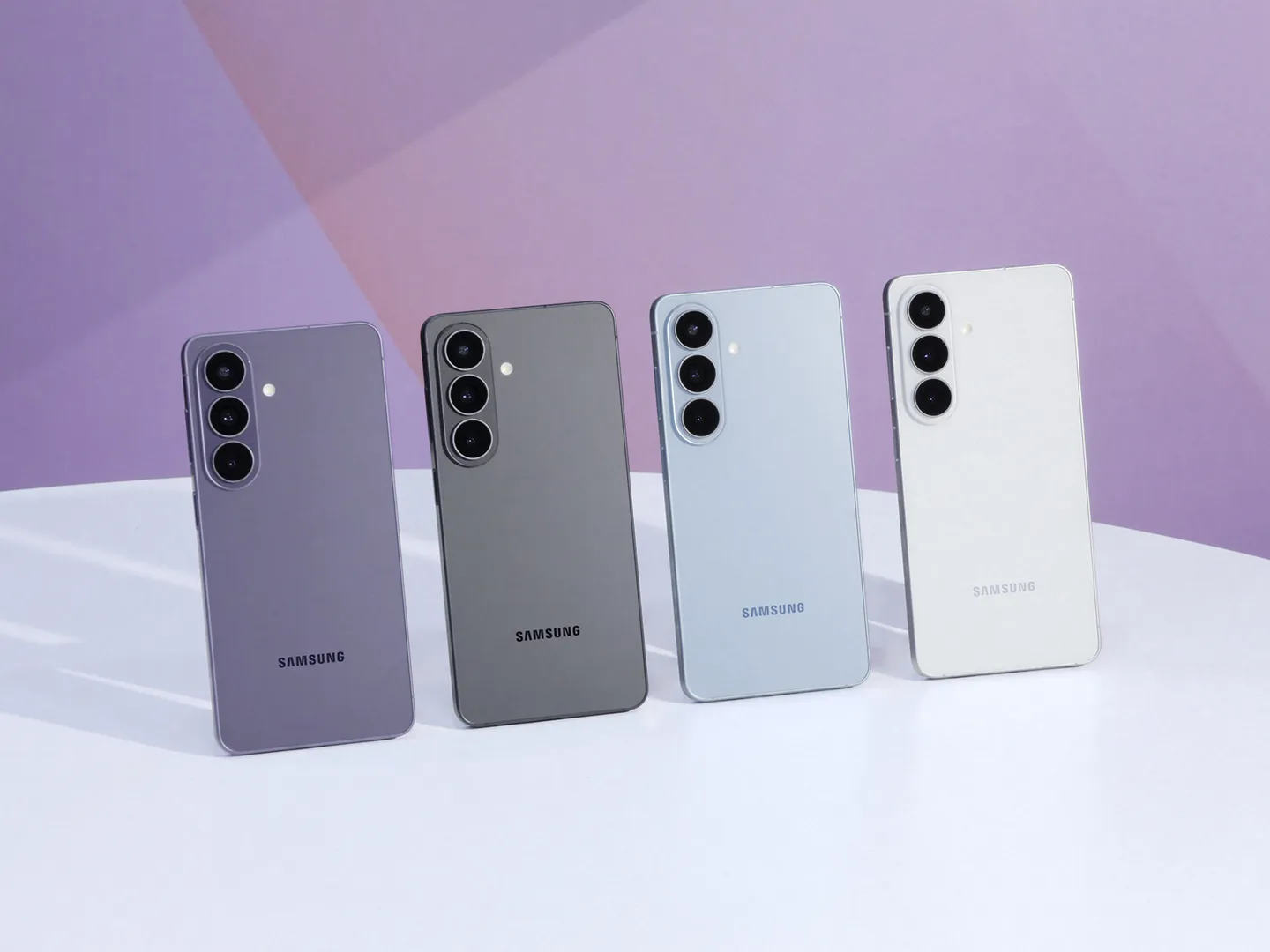
If the good results keep coming, the reward shows up in next year's Galaxy S27 lineup. Current chatter has Samsung slotting the Exynos 2700 into the Galaxy S27 and S27 Plus, while the range-topping Ultra sticks with Snapdragon worldwide. Bolder leaks hint at an even wider rollout across Korea and Europe, and possibly a fourth model in the mix.
The context matters. With this year's Galaxy S26 phones, Samsung only trusted Exynos with the base and Plus models in a few markets, mostly Europe, and handed the US Snapdragon across the whole range. A stronger in-house chip means Samsung can start squeezing Qualcomm out of more of its own phones.
There is a blunt financial motive underneath all this. Samsung poured roughly 13.8 trillion won, about 10 billion dollars, into buying processors in 2023, and dropped another 7.44 trillion won in just the first half of 2026 on suppliers like Qualcomm and MediaTek. Those flagship Snapdragons keep getting pricier.
Right now, Exynos sits in only about 16 to 18 percent of Samsung's phones. Every Galaxy that ships with Samsung silicon instead of a bought-in chip is cash that stays in the family and shores up the mobile division's margins. A competitive Exynos is not just a point of pride, it is negotiating power.
The Catch
Here is the catch, and it is a big one. Every single number floating around came from Samsung's own labs, not from an independent reviewer poking at a finished phone. Controlled internal benchmarks have made chips look better than they turned out to be plenty of times before. And Samsung's track record invites caution: its Exynos plans for the Galaxy S25 generation collapsed, and the entire line ended up on Snapdragon.
Qualcomm has not fully shown its cards either. Its big Snapdragon Summit runs in late September, which should tell us more about the Gen 6 chips, and it is entirely possible Samsung has been measuring itself against early samples rather than the final product.
Conclusion
A benchmark run by the company selling the chip is not the finish line. The real question is whether people who buy an Exynos-powered Galaxy S27 get the same or better gaming, battery life and heat behaviour as the Snapdragon buyers, judged by outsiders, in real phones. We will not know until early 2027.
Still, the trajectory is hard to ignore. Samsung has thrown serious money and engineering at Exynos at the precise moment it has every reason to stop signing Qualcomm's fat invoices. If independent testing confirms even half of these claims, the long, sad era of the "avoid the Exynos version" Galaxy could finally be over.
For more on the tech shaping what comes next, Autoncell follows the story as it develops.