Vaidya Energy, Ather's Nepal distributor, is racing to hit 100 fast chargers by year's end, all free to use until 2027.
Most electric scooter brands in Nepal are happy to sell you a vehicle and quietly forget you exist. Ather is taking a different bet. While over 30 EV brands compete for wallet share in Nepal's fast-growing two-wheeler market, only a handful have put serious money into the charging infrastructure that actually makes electric ownership livable, and Ather's authorized distributor, Vaidya Energy, is running furthest ahead of the pack.
The company has already installed more than 40 Ather Grid fast chargers across the country and has announced plans to double that count to 100 stations before the end of 2026. That's an ambitious build-out by any standard. Salman Khan, Sales Head at Vaidya Energy, has been candid about the target: at minimum, 85 stations will be operational by year's end. The other 15 are a stretch goal they're actively chasing.
Charging Stations Are Coming to Major Highways
Right now, city riding on an electric scooter in Nepal is manageable. The real friction point has always been longer intercity travel, the kind of trip where range anxiety isn't a fear, it's a rational concern. Vaidya Energy appears to understand this better than most.
The current expansion isn't just adding more dots on a city map. Priority corridors include Kulekhani-Hetauda, Nagdhunga-Mugling, Mugling-Pokhara, Narayanghat-Hetauda, Hetauda-Birgunj, and Bardibas-Biratnagar. Urban targets include Pokhara, Biratnagar, Hetauda, and Birgunj, the major population centers outside Kathmandu that have historically been underserved by EV infrastructure.
What this means practically: a Kathmandu-to-Pokhara trip on an Ather, once a logistical puzzle, starts looking like a planned stop rather than a gamble. That shift in perception matters far more than any spec sheet.
Charging Is Free Until 2027
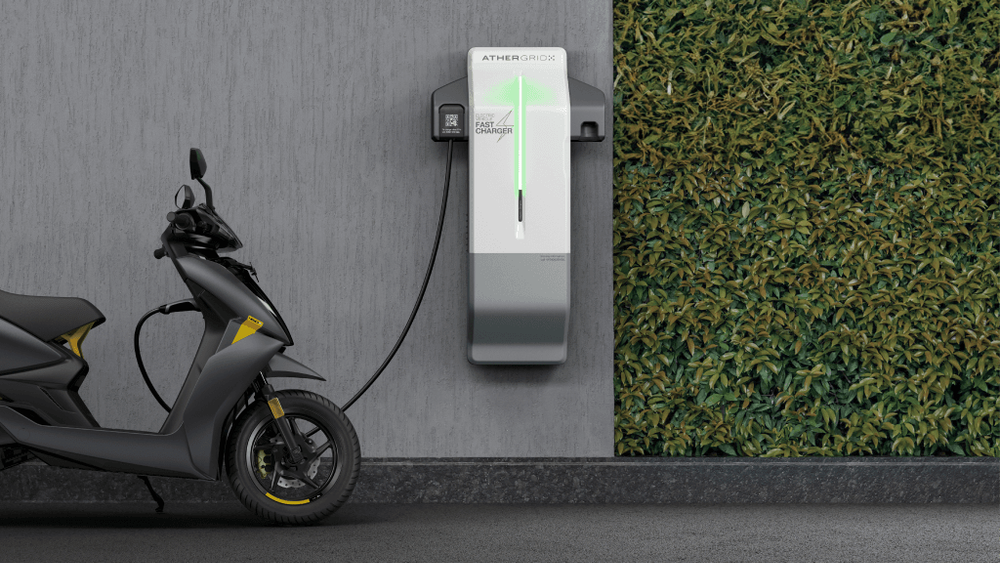
Here's where things get genuinely interesting. It's not just that Ather is building chargers, it's that they're telling owners to use them for free. Every Ather customer can charge at any of the company's fast-charging stations across Nepal at zero cost, and that arrangement holds until the end of 2027.
Salman Khan has framed this as a trust-building exercise, and it's hard to argue with the logic. When you're asking someone to switch from a petrol scooter to an electric one, every rupee of ongoing ownership cost you can eliminate reduces one more objection. Free fast charging doesn't just save money, it removes the mental overhead of calculating whether a stop is worth it.
The question, of course, is what happens in 2028. But that's a bridge Vaidya Energy will cross when it gets there.
Showrooms and Service Centers Across Nepal
Infrastructure promises are only as credible as the organization behind them. Vaidya Energy currently operates 12 experience centers across Nepal, five within the Kathmandu Valley, with outlets in Pokhara, Chitwan, Itahari, Butwal, and Janakpur covering the rest. Nine service centers round out the after-sales network.
Since Ather first entered Nepal in November 2023, the brand has moved approximately 4,000 scooters. The current lineup runs the Ather 450X , the performance-focused model that started it all, alongside the Ather Rizta, a family-oriented scooter designed for practical daily use.
Other EV Brands in Nepal Are Not Doing This
It's worth sitting with this for a moment. Nepal has more than 30 electric scooter brands on sale. Most of them have no dedicated charging network. None. Buyers are expected to charge at home and manage on their own when the battery runs low on the road. For urban commuters who never stray far, that's fine. For anyone else, it's a real limitation that keeps potential buyers on the fence.
Ather's infrastructure push isn't just a customer service initiative, it's a competitive moat. Every charger installed is one more reason for a buyer to choose Ather over a cheaper alternative with no ecosystem behind it. Brand loyalty in the EV market isn't built in the showroom; it's built at the charging station at 7 PM when your battery is at 12%.
The real question isn't whether Ather can hit 100 chargers by December. It's whether the rest of Nepal's EV industry will finally take infrastructure seriously, or keep hoping that someone else builds the network they need to survive.





-original.webp)