Tata isn't taking any chances in Nepal's compact EV space. The brand just gave one of its best-selling electric SUVs a proper going-over, and the timing is no accident.
The Tata Punch EV facelift launched at the NAIMA Nepal Mobility Expo 2026 with a starting price of Rs 32.99 lakh for the 30 kWh version, though there's a catch worth flagging right away. That figure is an introductory NAIMA-only price. Once the expo wraps, it climbs to Rs 33.99 lakh. So if the base Punch is on your shortlist, the clock is already ticking. The bigger-battery Empowered 40 kWh sits at Rs 36.99 lakh, and the top-spec Empowered+ S 40 kWh tops out at Rs 37.99 lakh.
So what has actually changed, and is it enough to keep the Punch ahead of a segment that gets more crowded every month?
Design
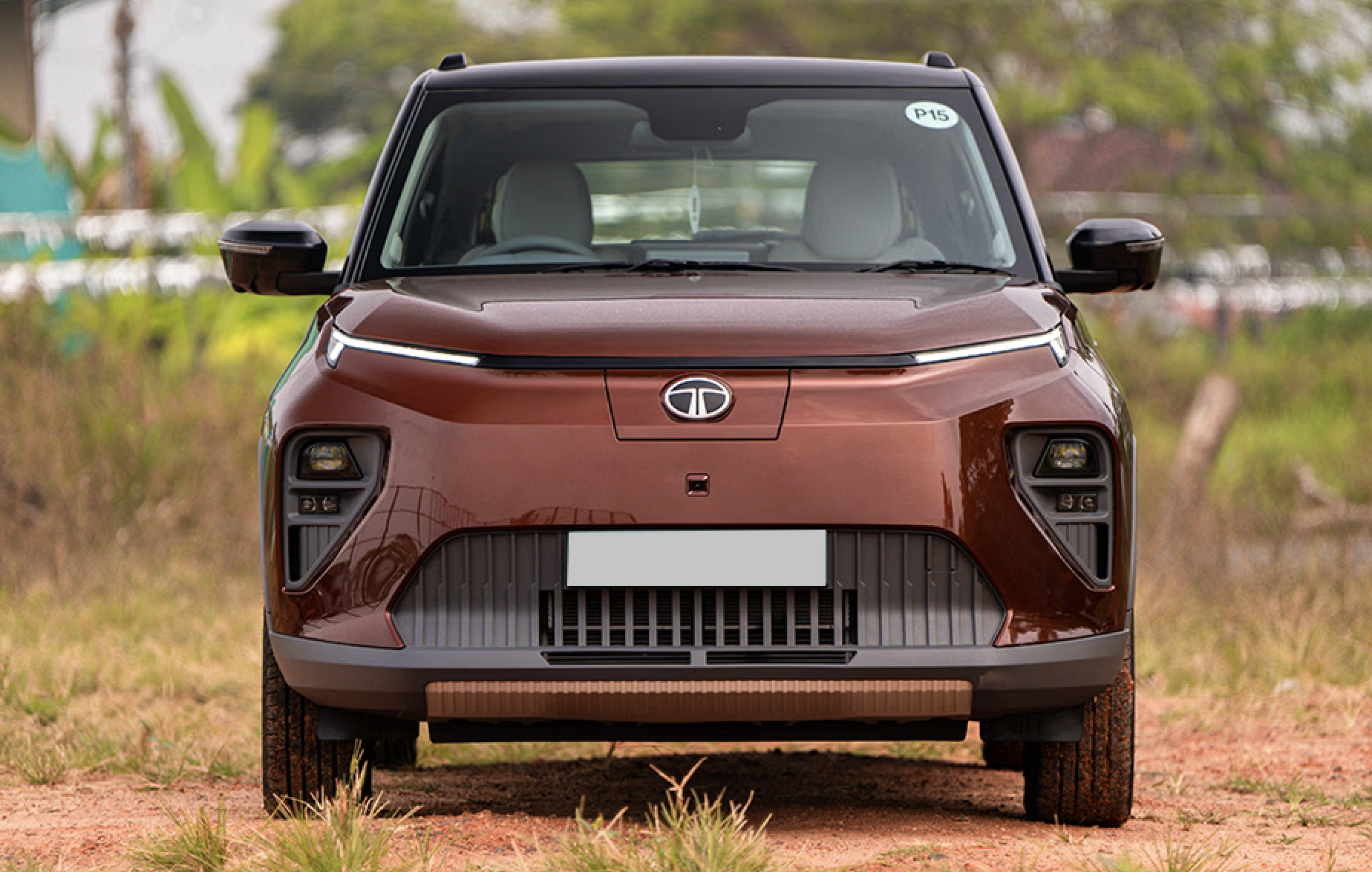
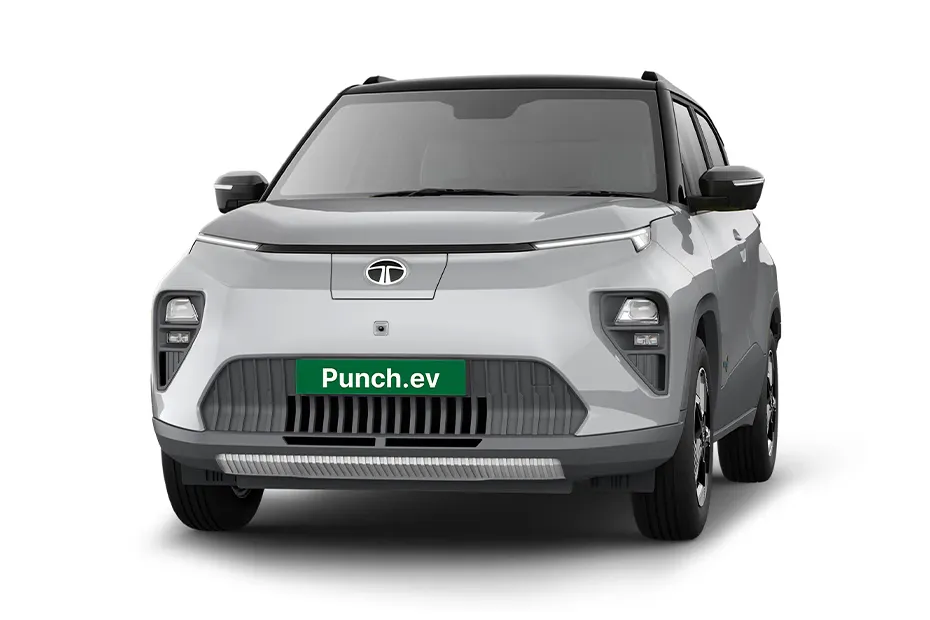
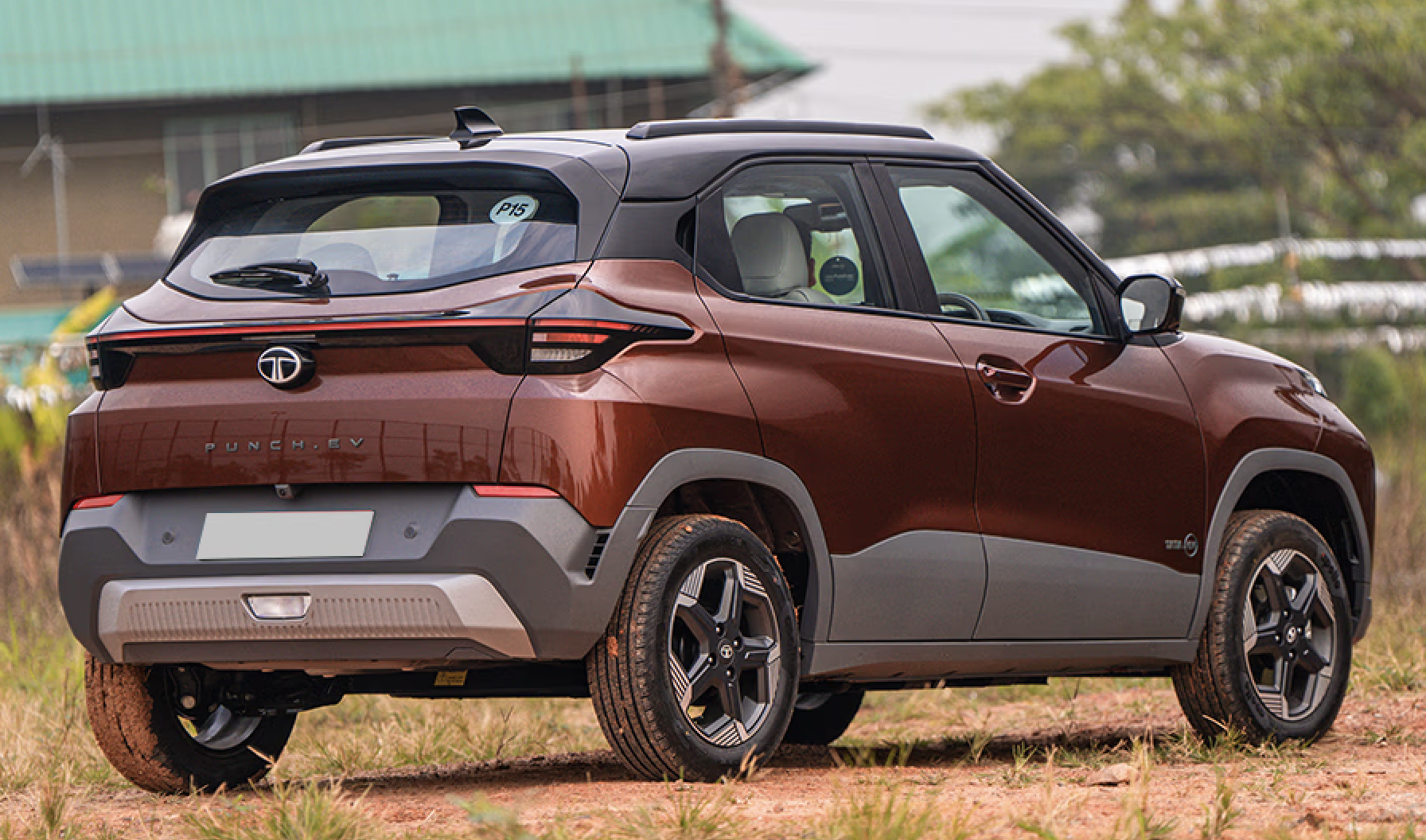
The facelift borrows its cleaner look straight from the latest petrol-powered Punch, and it works. Up front there's a redesigned bumper and a closed-off grille, the now-standard visual shorthand for "this one runs on electrons." New 16-inch alloys, fresh colour options and connected LED tail lamps at the rear drag the styling into more current territory.
None of it is dramatic, and that's fine. The Punch never needed a radical redesign. It needed a tidy-up, and it got one. Crucially, the facelift keeps the two figures that make it genuinely useful in Nepal: 195 mm of ground clearance and 450 mm of water-wading capability. In a country of broken tarmac and monsoon-flooded streets, those numbers matter more than any new paint shade, and they're exactly the sort of real-world credentials that fresh rivals like the Chery Q are now chasing too.
Performance
For Nepal, the Punch EV comes with two battery choices, 30 kWh and 40 kWh, both driving the front wheels through a single motor. The 40 kWh version puts out 129 hp and 154 Nm, while the 30 kWh delivers 88 hp with the same 154 Nm of torque. The larger pack is rated for a real-world C75 range of roughly 300 to 325 km, which is a properly usable figure for both city runs and the occasional longer haul.
Tata has sharpened the performance too, claiming a 0 to 100 km/h time of under nine seconds. More telling for local conditions is the 32 percent restart gradeability, meaning it can pull away confidently on steep inclines, exactly the kind of hill-start that gives drivers grey hairs on Kathmandu's slopes. It keeps the three drive modes, City, Eco and Sport, plus four levels of regenerative braking adjustable right from the paddle shifters.
Range and Charging
This is where the facelift makes real progress. Hook the Punch up to a 65 kW DC fast charger and it goes from 20 to 80 percent in just 26 minutes. Tata reckons a quick 15-minute splash adds up to 135 km of range. For anyone who's ever stood tapping their foot at a slow charger, that's a meaningful jump in day-to-day livability.
Under the skin, the updated battery and powertrain also chase efficiency through a reduced component count, simpler wiring and better thermal management. Less to go wrong, better heat control, and hopefully fewer headaches down the line. If you're weighing the Punch against other options in this bracket, the roundup of best electric cars under Rs 45 lakh in Nepal puts its value in useful context.
Features
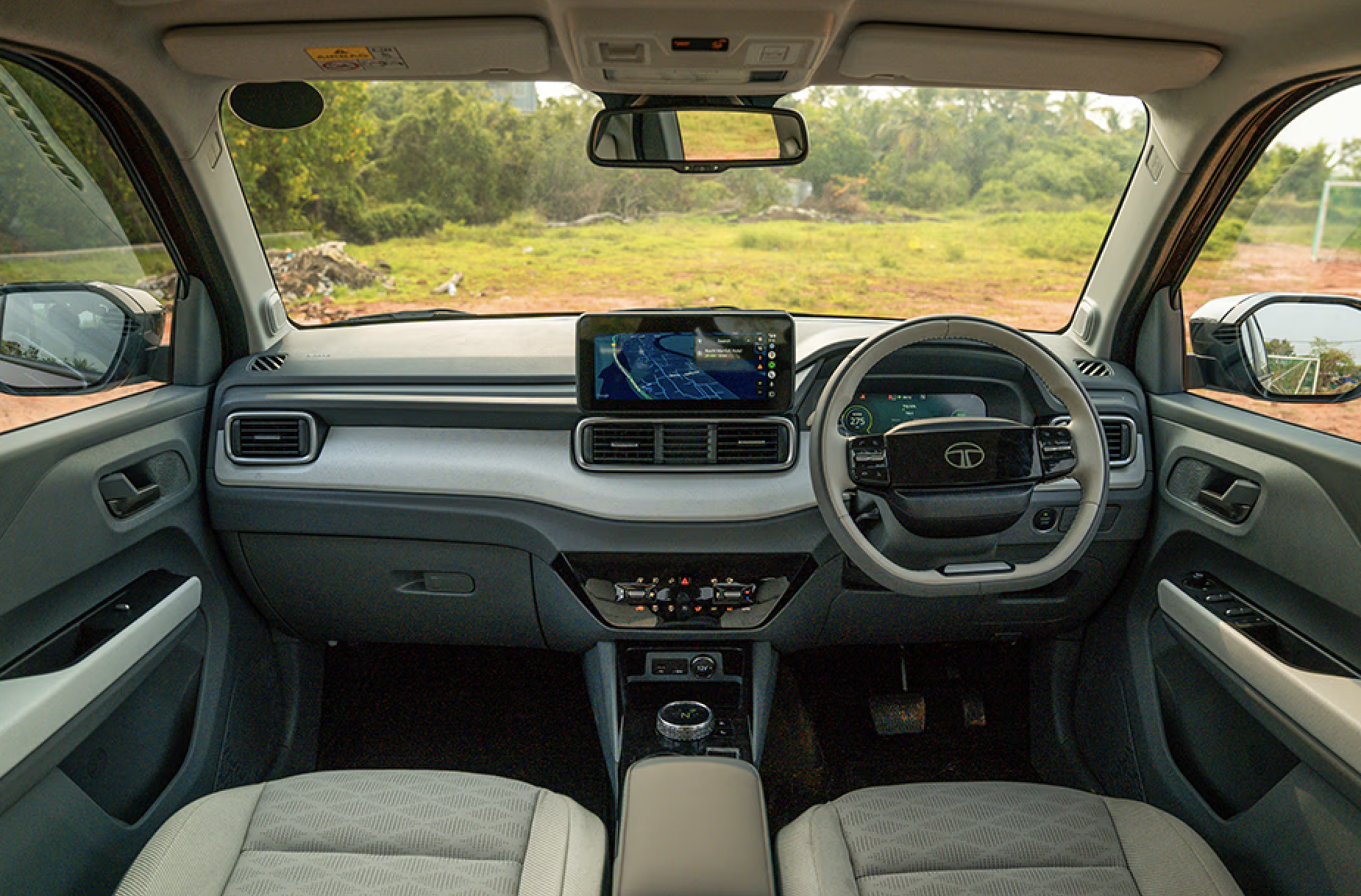
Inside, the cabin sticks with its familiar layout but gets updated trims to freshen things up. Step up to the higher variants and you get a 10.25-inch touchscreen paired with a matching 10.25-inch digital driver's display, which lifts the whole dashboard into a more modern feel.
Depending on the variant, the equipment list runs to wireless charging, ventilated front seats, ambient lighting, connected car tech and a 360-degree camera. It's a generous spread for a compact EV, and the kind of kit that used to demand a much bigger budget not long ago.
Safety
Tata went strong here, and rightly so. Six airbags come standard across the range, a genuinely reassuring baseline rather than a top-trim luxury. Backing them up are electronic stability control, hill-hold assist, a tyre pressure monitoring system, high beam assist and ISOFIX child-seat mounts. Making six airbags the entry point sends a clear message about where Tata thinks the safety bar should sit in this class.
Specifications at a Glance
Specification | Detail |
Battery Options | 30 kWh / 40 kWh |
Motor | Single front-mounted, FWD |
Power (40 kWh) | 129 hp |
Power (30 kWh) | 88 hp |
Torque | 154 Nm |
Real-World Range (40 kWh, C75) | 300-325 km |
0-100 km/h | Under 9 seconds |
Restart Gradeability | 32 percent |
Drive Modes | City, Eco, Sport |
Regenerative Braking | 4 levels, paddle-adjustable |
DC Fast Charging | 65 kW (20-80% in 26 min) |
Ground Clearance | 195 mm |
Water-Wading | 450 mm |
Touchscreen | 10.25-inch (higher variants) |
Driver Display | 10.25-inch digital |
Airbags | 6, standard |
Camera | 360-degree |
Price in Nepal
Variant | Price |
30 kWh (NAIMA introductory) | Rs 32.99 lakh |
30 kWh (regular) | Rs 33.99 lakh |
Empowered 40 kWh | Rs 36.99 lakh |
Empowered+ S 40 kWh | Rs 37.99 lakh |
At this price, the Punch EV sits right in the thick of Nepal's most competitive electric bracket. It's not the cheapest compact EV on the block, with rivals like the BYD Atto 1 at Rs 29.75 lakh undercutting the base Punch, but Tata is betting its established name, service reach and safety credentials are worth the premium. Whether buyers agree is the interesting part.
Conclusion
The Punch EV facelift doesn't reinvent Tata's compact electric SUV. It sharpens it. Two battery options, quicker charging, cleaner styling, more tech and a rock-solid safety sheet, all wrapped around the same practical, hill-clearing, flood-wading package that made the Punch popular in the first place.
The real question is what happens next in this segment. Nepal's compact EV space is filling up fast, and buyers now have genuine choice at every turn. Tata's answer is to keep refining a proven winner rather than gamble on something radical. Will loyalty and reputation be enough to hold the line as sharper-priced rivals keep arriving? That's the story worth watching.
For more on Nepal's fast-moving EV market, Autoncell tracks every new launch as it lands.