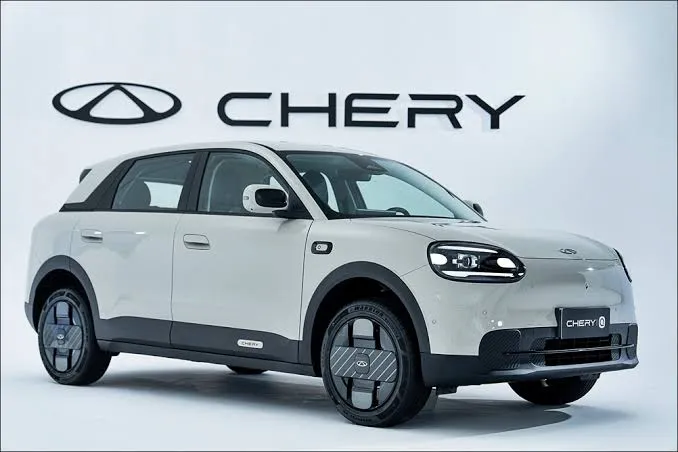
Nepal's EV market didn't need another face in the crowd. It needed one that actually delivers. The Chery Q might just be it.
The Chery Q made its Nepal debut at the NAIMA Nepal Mobility Expo 2026, and the pricing is sharp enough to make buyers in this bracket stop mid-scroll and look twice. But price alone doesn't sell a car anymore. What's packed inside does, and Chery has crammed in more than most rivals at this money even pretend to offer.
What It Costs , and Why the Timing Matters
The Chery Q arrives in two variants. The Comfort is priced at Rs 30.99 lakh and the Premium at Rs 32.99 lakh under the special NAIMA offer. Once the expo ends, those prices step up to Rs 34.39 lakh and Rs 35.99 lakh respectively. That's a difference of Rs 1.40 lakh on the Comfort and Rs 3 lakh on the Premium, which means anyone seriously considering this car has a narrow window to act.
Launching at a mobility expo with an offer price isn't a new tactic, but it's an effective one. It creates urgency, drives footfall to the stall, and rewards buyers who show up early. Whether the post-expo price holds or softens over time depends on how well the car sells, but the expo pricing is the sharpest it's going to get.
At this money, the Q undercuts nearly everything with a badge. The closest thing to it on price is the BYD Atto 1 at Rs 29.75 lakh, and once you climb past it the jump is steep, with the MG S5 EV landing at Rs 43.99 lakh.
Design
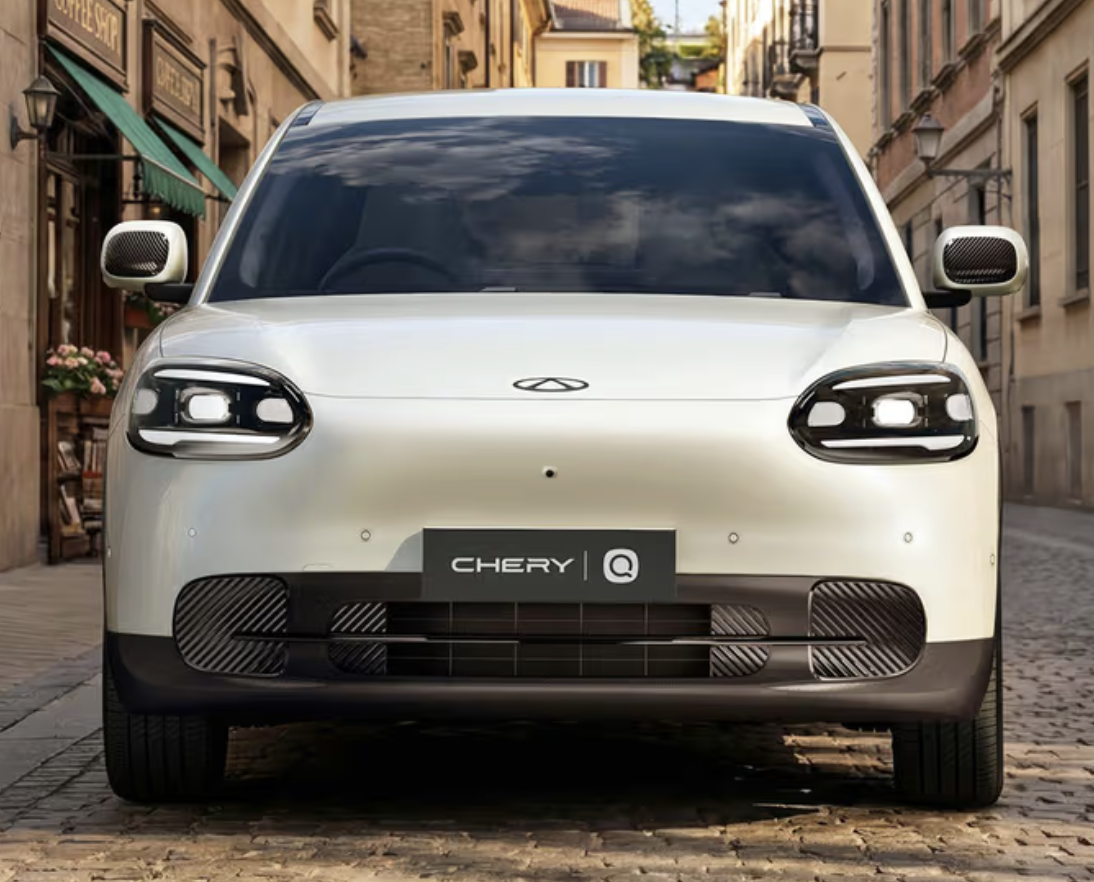
The Chery Q is built around a 4,195 mm length, 1,811 mm width, and 1,568 mm height, sitting on a 2,700 mm wheelbase. Those numbers put it squarely in the compact electric crossover category, which is exactly the segment that makes the most sense for Kathmandu's density and Nepal's general road conditions.
Ground clearance is 175 mm, accompanied by a 21-degree approach angle and a 26-degree departure angle. That approach angle in particular matters on roads where the tarmac drops suddenly at a junction or gives way to an unpaved stretch. It's not a figure that shows up on glossy brochures, but it's one that shapes whether a car actually works in real-world Nepali conditions.
The proportions are sensible rather than dramatic. Chery hasn't tried to make the Q look like something it isn't.
Practicality
Cargo space is where the Chery Q earns points that don't show up in the spec headline. The rear boot offers 375 litres of usable space, which expands to 1,450 litres when the rear seats are folded flat. That's a meaningful number for a car this size, and it puts the Q ahead of several larger-looking competitors in terms of what you can actually carry.
Then there's the front trunk, which adds another 70 litres of space. Electric vehicles with a frunk are still the exception rather than the rule in this price bracket in Nepal. Using it for a charging cable, a bag, or anything you'd rather keep separate from the main boot makes daily use noticeably cleaner. It's a small thing that adds up.
Performance
The powertrain is a 41.2 kWh lithium iron phosphate battery driving a rear-wheel-drive permanent magnet synchronous motor. The motor produces 90 kW of maximum power and 115 Nm of torque. Those outputs are not headline-grabbing, and Chery isn't positioning this as a performance car. What they are is sufficient for the kind of driving that actually happens in Nepal: city commuting, valley runs, and the occasional intercity stretch.
The claimed range is 400 km under the NEDC cycle. Real-world range will fall short of that figure, as it always does with NEDC-rated EVs, but the margin here should still leave buyers comfortable for Kathmandu-to-Pokhara trips without serious range anxiety.
Suspension uses a MacPherson strut setup at the front and a multilink arrangement at the rear. That combination is well-suited to mixed road conditions: reasonably composed over broken surfaces without sacrificing the kind of handling that makes a car feel confident on longer highway runs.
Charging
The Chery Q can charge from 30 to 80 percent in approximately 16.5 minutes on a fast charger. That is a genuinely quick number. For context, the 30-to-80 window covers the practical charging range for most daily use cycles, and completing it in under 20 minutes shifts the mental model of EV ownership significantly.
The caveat, as always in Nepal, is infrastructure. Fast chargers capable of delivering at that rate are still thin on the ground outside major cities. But the car is ready for the infrastructure when it arrives, and that matters for a vehicle buyers expect to keep for five to seven years.
Interior and Features
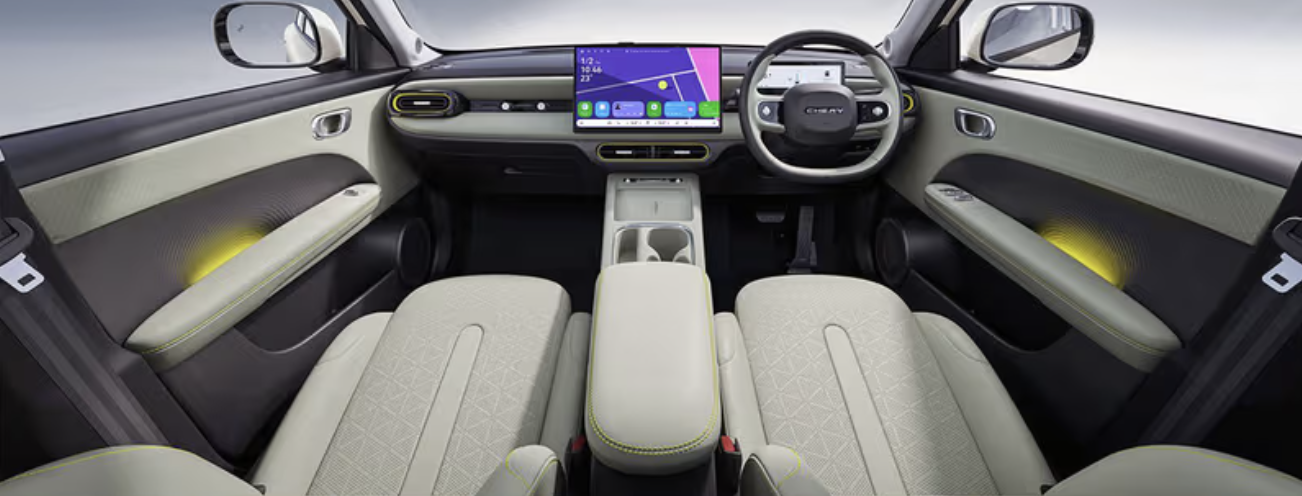
The Chery Q comes in Comfort and Premium trims, and the differences between them are more than cosmetic. Both get an 8.8-inch digital driver display, but the central touchscreen is 12.8 inches in the Comfort and 15.6 inches in the Premium. For reference, 15.6 inches is the size of a standard laptop screen. It dominates the dashboard in a way that's become the visual signature of serious EV interiors.
Both variants support wireless Apple CarPlay and Android Auto, which remains the single feature that determines whether a car's infotainment feels current or dated within two years of purchase. Getting it wireless rather than wired is the right call.
Safety
Six airbags are standard. A 540-degree panoramic camera system handles the low-speed maneuvering and parking situations where compact crossovers are most likely to make expensive contact with things. Electronic stability control and hill assist are also on board.
The ADAS package is where the Chery Q separates itself from the competition in this price range. Adaptive Cruise Control, Lane Departure Warning, Blind Spot Detection, and Automatic Emergency Braking are collectively the kind of active safety stack that, until recently, you had to spend significantly more to get in Nepal. Having all four of them in a sub-Rs 33 lakh EV is not something the segment has been offering consistently.
Specifications at a Glance
Specification | Detail |
Length | 4,195 mm |
Width | 1,811 mm |
Height | 1,568 mm |
Wheelbase | 2,700 mm |
Ground Clearance | 175 mm |
Approach Angle | 21 degrees |
Departure Angle | 26 degrees |
Frunk Capacity | 70 litres |
Boot Capacity | 375 litres (1,450 litres, seats folded) |
Battery | 41.2 kWh LFP |
Drive | Rear-wheel drive |
Motor Type | Permanent magnet synchronous |
Peak Power | 90 kW |
Peak Torque | 115 Nm |
Claimed Range (NEDC) | 400 km |
Fast Charge (30-80%) | ~16.5 minutes |
Front Suspension | MacPherson strut |
Rear Suspension | Multilink |
Airbags | 6 |
Camera System | 540-degree panoramic |
Driver Display | 8.8-inch digital |
Central Screen (Comfort) | 12.8-inch touchscreen |
Central Screen (Premium) | 15.6-inch touchscreen |
Connectivity | Wireless Apple CarPlay, Android Auto |
ADAS | Adaptive Cruise Control, Lane Departure Warning, Blind Spot Detection, Automatic Emergency Braking |
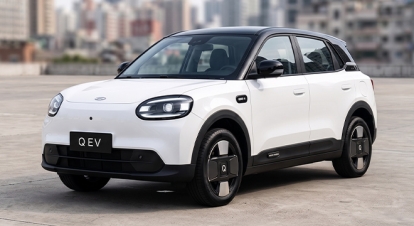
Price in Nepal
Variant | NAIMA Offer Price | Regular Price |
Comfort | Rs 30.99 lakh | Rs 34.39 lakh |
Premium | Rs 32.99 lakh | Rs 35.99 lakh |
Conclusion
The Chery Q holds up on paper, and more importantly, it holds up against the specific, unforgiving demands of the Nepali market. Space, safety, quick charging, honest pricing. It ticks the boxes that actually matter here rather than the ones that just photograph well. For where it sits in the market, the roundup of best electric cars under Rs 45 lakh in Nepal shows just how little real competition the Q faces at this price.
The real question isn't about the car. It's about everything around it. Can the after-sales network and charging support rise to match what this machine promises on the spec sheet? That's not a Chery-specific worry, it haunts every new EV brand that walks into this market, including pricier arrivals like the Wuling Eksion EV that launched at the same expo for Rs 55.99 lakh. But it's always the part that decides whether a good car quietly becomes a trusted one.
For more on how Nepal's EV field keeps shifting, Autoncell tracks every new arrival as it lands.