One expo ends, another begins. The NAIMA Nepal Mobility Expo wrapped up on Sunday, and Nepal's car lovers barely got a moment to breathe before the next big one loomed. The NADA Auto Show kicks off on Bhadra 9, and the anticipation is already building.
There's a good reason for the extra buzz this year. NADA is marking 50 years since its founding, so it's safe to assume the organisers have plenty of surprises lined up. There's even chatter about the Tesla Cybertruck making a Nepal appearance. But beyond the headline-grabbing spectacle, three upcoming SUVs stand out as the models that could genuinely move the market: the Jetour T-2, the Tata Sierra EV and the Changan Nevo Q05. Three very different machines, three very different buyers. Let's break them down.
Jetour T-2: For the Adventurers
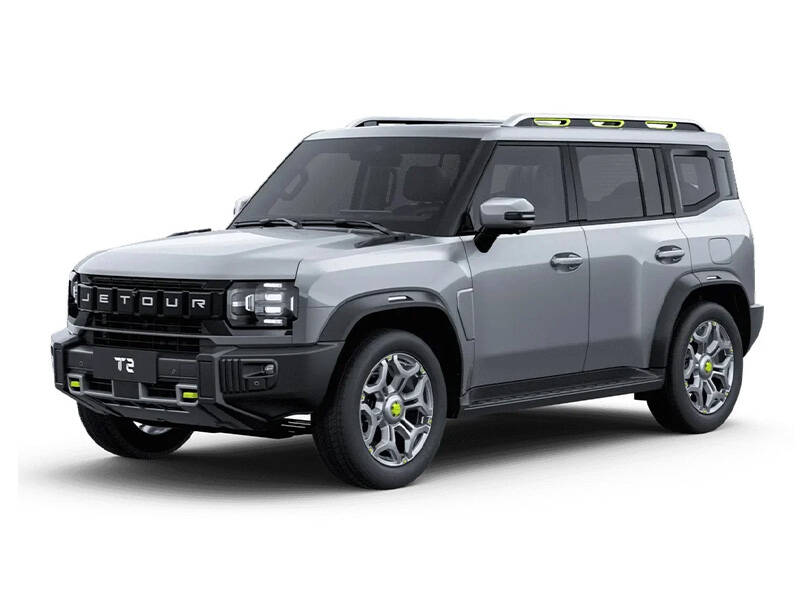
First up, the SUV for people who want to leave the tarmac behind. Jetour is developing the T-2 as a proper adventure SUV, and its design leans hard into classic off-roader territory. A tall bonnet, boxy silhouette, chunky wheel arches and a genuinely commanding road presence are its calling cards. This is a vehicle that looks ready for a trail, not just a school run.
The version bound for Nepal could be the most interesting bit. Internationally, the T-2 is offered with a plug-in hybrid system pairing a 1.5-litre turbo-petrol engine with an electric motor. Depending on the variant, battery capacity ranges from 26.7 kWh to 43.2 kWh, with an electric-only range of roughly 100 to 161 km, though exactly which spec lands in Nepal hasn't been confirmed. The real appeal here is that clever blend of electric driving for the daily grind and petrol power for the long haul, wrapped in a high-clearance, adventure-ready body. For Nepal's mixed terrain, that combination makes a lot of sense.
Tata Sierra EV: The Premium Play
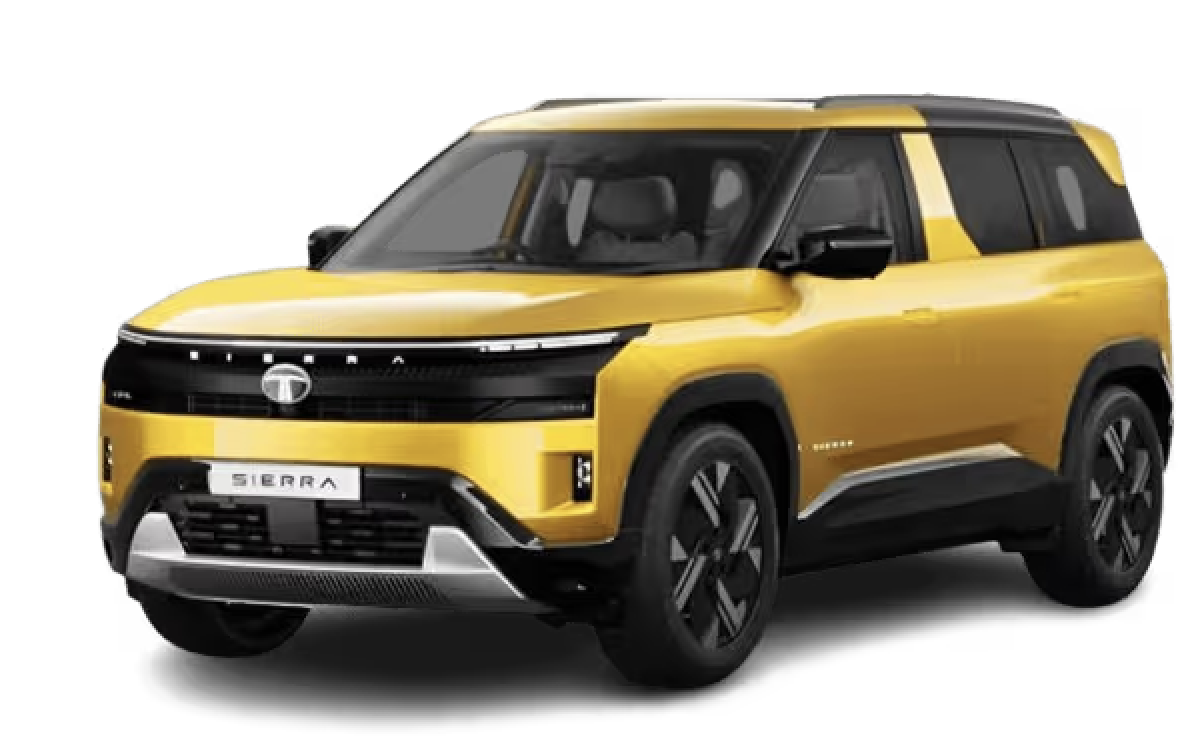
For Tata, the Sierra is far more than just another electric SUV. It's the revival of a legendary, much-loved nameplate, reborn for the electric age, and the brand is aiming it squarely at the premium EV segment.
Its biggest draw is range. Tata has launched it in India with two battery options, 63 kWh and 75 kWh, and claims up to 665 km on a single charge. It also supports rapid charging, with 15 minutes reportedly adding up to 263 km of range. The powerful version gets a dual-motor all-wheel-drive setup, with the rear-wheel-drive model making 175 kW and the AWD variant a punchy 225 kW, backed by 504 Nm of peak torque. Which version reaches Nepal is still unconfirmed. The cabin is another strong suit, packing a large sunroof, multiple screens, premium audio, smart parking and modern driver-assist systems. As always, the price Sipradi sets will ultimately decide Sierra's fate here. For the full rundown, see our detailed look at the Tata Sierra EV.
Changan Nevo Q05: The Mass-Market Contender
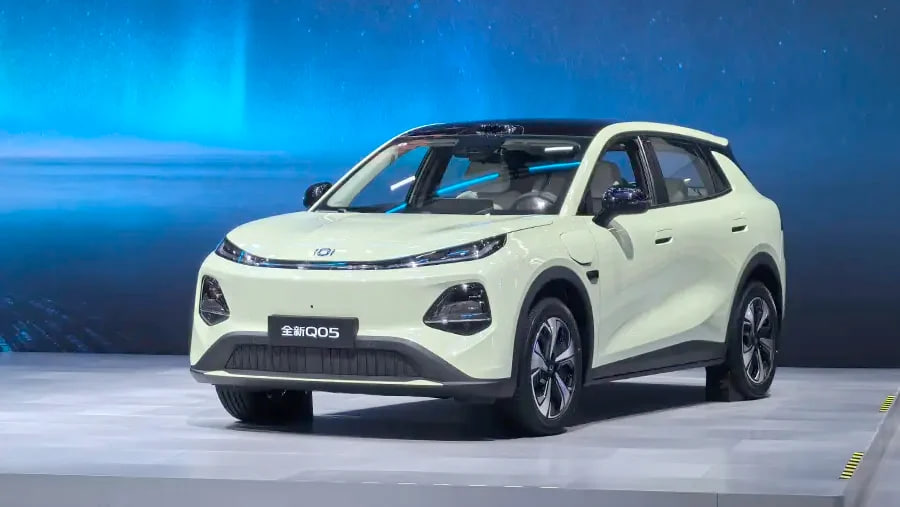
The Changan Nevo Q05 is a different flavour of SUV entirely. Compact, sharply styled and modern-looking, it's built to appeal to the everyday buyer rather than the adventurer or the premium seeker. It measures 4,435 mm long, 1,855 mm wide, on a 2,735 mm wheelbase, a tidy, city-friendly footprint.
With the BYD Atto 3 Advanced creeping up in price, the Q05 could carve out a strong position in the sub-Rs 55 lakh segment. It's expected to pack a 51.9 kWh LFP battery, with a claimed 30 to 80 percent charge in just 15 minutes. Inside, there's a 15.6-inch 2.5K central display, a 10.17-inch digital instrument cluster and modern connected tech. It's a well-rounded package pitched right at the heart of the market. For a sense of where it would slot in on price, the roundup of best electric cars under Rs 45 lakh in Nepal is a useful reference.
Three SUVs, Three Different Buyers
What makes this trio genuinely significant is what it says about the market itself. Nepali SUV buyers are no longer just asking "petrol or EV?" They're now asking a smarter question: what do I actually need this SUV to do? And that shift opens up real choices.
For buyers who prioritise adventure, long distances and worry about charging gaps, the Jetour T-2 PHEV makes a compelling case. For those chasing long range, a premium experience and full electric driving, the Sierra EV could be the standout. And for buyers who want modern design, sensible range and technology tuned to Nepal's roads and budgets, the Q05 shapes up as a strong contender.
The electric SUV space is already a crowded brawl, with BYD, MG, Deepal, Omoda, iCaur, Leapmotor and Nami all fighting for attention. Adding the Q05 and Sierra EV only widens the field for consumers. The Jetour T-2 PHEV, meanwhile, reopens a different debate entirely. With Nepal's charging network still uneven outside the major cities, the plug-in hybrid formula, electric for short trips, petrol for long ones, could genuinely tempt buyers who aren't ready to go fully electric.
Conclusion
Three SUVs, three distinct philosophies, one clear message: Nepal's SUV market is maturing into something far more nuanced than a simple fuel-type choice. As always, though, the specs and the hype only get you so far. The real winners will be decided by the numbers that matter most to Nepali buyers: final price, official specifications, warranty, spare-parts availability, service network and after-sales support.
So which of these three has caught your eye? Adventure, premium range or smart everyday value, the choice is shaping up to be a genuinely interesting one.
For full coverage of the NADA Auto Show and every launch that follows, Autoncell has it all covered.