Time and again, we may have heard about this term- BS6-BS4 while buying any four-wheeler or two-wheeler. And we are also aware of the fact that vehicles with BS6 engines cost us more than the ones with BS4 engines.
Although we might have been blindly picking up BS6 engine-powered vehicles grasping an idea of it to be a superior one, it is very crucial to be acknowledged of the actual fact behind this. Well, to clear you out of this dilemma, today we will be exploring what are the actual meaning and differences between BS6 and BS4 engines.
Understanding BSES
Before continuing to BS6, let us shed some light on BSES. BSES (Bharat Stage Emission Standards) is a regulation issued by the Government of India to control the emission of pollutants by two-wheelers and four-wheelers. And according to the new regulation issued back in 2020, OEMs are only allowed to sell and register BS6 standard vehicles from April 1, 2020.
Also Read: Top 5 Upcoming Cars in Nepal 2078
Although the previously registered vehicles in India used to be BS4 norms compliant, all the newly launched ones starting April 2020 are BS6 compliant.
Before glancing at the differences between BS4 and BS6, we must know that BS norms are defined based on the engines and fuel. The primary reason for a vehicle to shift from a BS4 engine to a BS6 engine is for cleaner vehicle emissions. These standards are set by the Central Pollution Control Board under the Ministry of Environment, Forest, and Climate Change.
Let’s elaborate further on these terms.
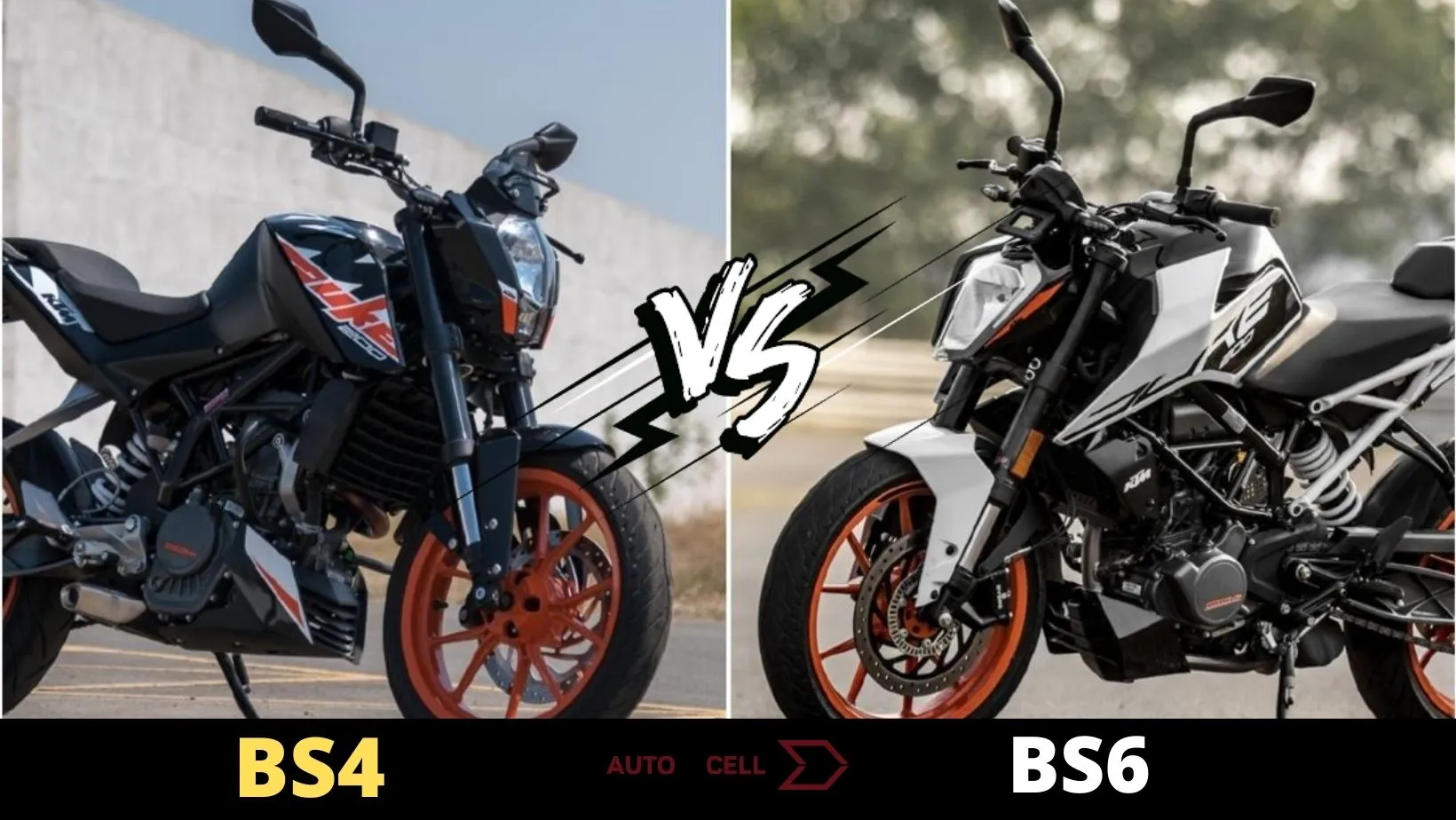
BS4 VS BS6
The first norm introduced was BS1 (also known as India 2000) that made its debut in 2000. Later, the norms were further increased to BS2 and BS3 in the year 2005 and 2010 respectively. Finally, the BS4 norms came into place in 2017. And now again the Government set up a new rule to follow BS6 emission standards starting 2020.
Why are new emission standards introduced one after another in a short period?
The major reason behind this is the swift increase in pollution followed by the surge in the number of vehicles on the road. With the introduction of vehicles with new emission standards, the number of pollutants their engine secretes in the environment decreases gradually. The higher the emission standard, the safer a vehicle will be for the environment.
Also Read: Suzuki Cars under 30 lakhs in Nepal
How are these emission standards categorized?
BS6, the sixth iteration of the norm is the latest and safest standard in the vehicle engine. As per the facts, vehicles with BS6 compliant engines are 25% cleaner compared to the previous iteration. In the case of BS6 petrol vehicles, the number of NOx (Nitrogen Oxide) emission are 60mg/km compared to 80mg/km in BS4 ones.
Likewise, in the case of diesel vehicles, BS6 compliant engine aims to reduce three major pollutants- Hydrocarbons (HC) + NOx, PM (Particulate Matter) and NOx reduction by 43, 68 and 82 percent respectively.
Also Read: Best-Selling Cars in Australia
This all is possible because of the modern technology integrated on BS6-compliant engines.
To give you a clear idea of the BS4 and BS6 engines, here we have tabulated the pollutants they emit to the environment.
Pollutant Emission (BSIV and BSVI)
| Fuel Type | Pollutant Gases | BS4 (BSIV)
|
BS6 (BSVI) |
| Petrol Passenger Vehicle | Nitrogen Oxide (NOx) Limit | <80mg>
|
<60mg> |
| Particulate Matter (PM) Limit | – | <4.5mg/km | |
| Diesel Passenger Vehicle | Nitrogen Oxide (NOx) Limit | <250mg>
|
<80mg> |
| Particulate Matter (PM) Limit | <25mg> | <4.5mg/km | |
| HC + NOx | <300mg> | 170mg/km |
Also Read: Volkswagen Cars Price in Nepal 2021
Also Read: Ford Cars Price in Nepal 2021
Also Read: Mahindra Cars/Pikups Price in Nepal 2021
In the context of the South-Asian market, we may have heard of the terms BS4 and BS6 emissions, but you might also be familiar with the term EURO 4, EURO 5 while researching for vehicles abroad. Well, you don’t need to rumble your mind on that EURO 4 is simply an emission standard set by the European Government for its automotive OEMs.
The table below can enlighten you with the idea of BS norms and their reference to European ones.
| Emission Standard | Reference |
| India 2000 | EURO 1 |
| Bharat Stage II (BS2) | EURO 2 |
| Bharat Stage III (BS3) | EURO 3 |
| Bharat Stage IV (BS4) | EURO 4 |
| Bharat Stage V (BS5) | EURO 5 |
In conclusion, to understand these norms simply, the standard of the engines is categorized based on the pollutants they emit on the environment. The more the emission standard number, the safer the vehicle is for the environment.
On the other hand, it also implies the fact that if the environment gets highly polluted, the chances of introduction of new emission standards by the Government are also high. The sudden jump from BS4 emissions to BS6 emission norms in such a shorter period of 3 years (2017-2020) is a clear example of that.
Also Find out the Price of: