-original.webp)
If you're hunting for a no-nonsense budget smartphone in Nepal that doesn't skimp on the basics, like a massive screen, solid battery life, and some clever extras for everyday reliability, the Nubia V80 Max just landed and it's worth your attention. Nubia (under ZTE) has officially brought this rugged, value-packed device to the Nepali market, and at starting prices below NPR 20,000, it positions itself as a practical pick for students, travelers, or anyone who wants something durable without flashy overkill. Whether you're dealing with spotty signals in rural areas or just need a phone that lasts through long days, this one aims to deliver where it counts.
Let's break it down honestly: what you get, where it shines, and where it keeps things straightforward.
Price in Nepal and Availability
The Nubia V80 Max is now available across authorized stores in Nepal, both online and offline. Official pricing breaks down like this:
8GB RAM + 128GB storage: NPR 18,999
8GB RAM + 256GB storage: NPR 20,999
At these levels, it offers strong value if you prioritize battery endurance, a big smooth screen, and unique off-grid connectivity over raw power or camera prowess. Nubia seems to be targeting practical users who want reliability on a budget, and in Nepal's market, that approach makes sense.
Design and Build Quality
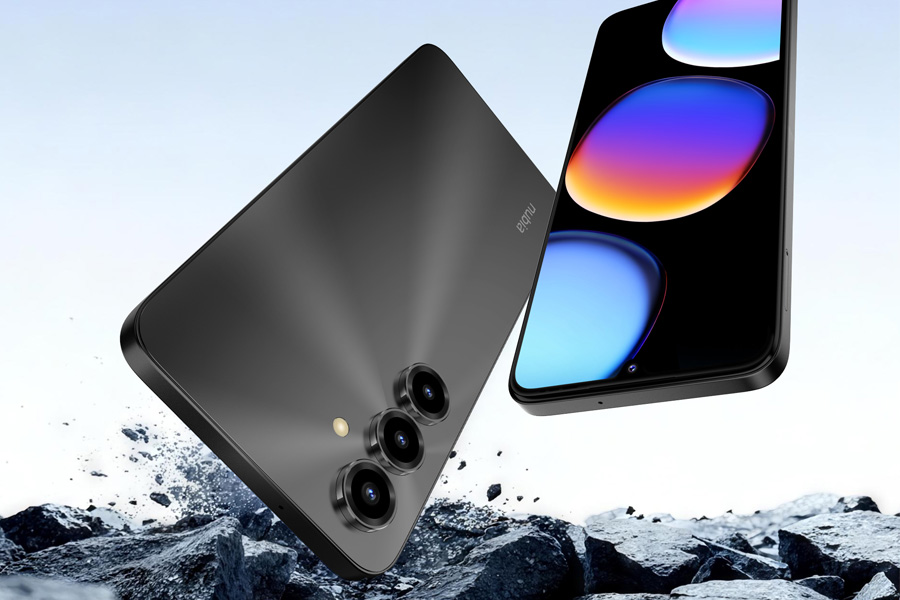
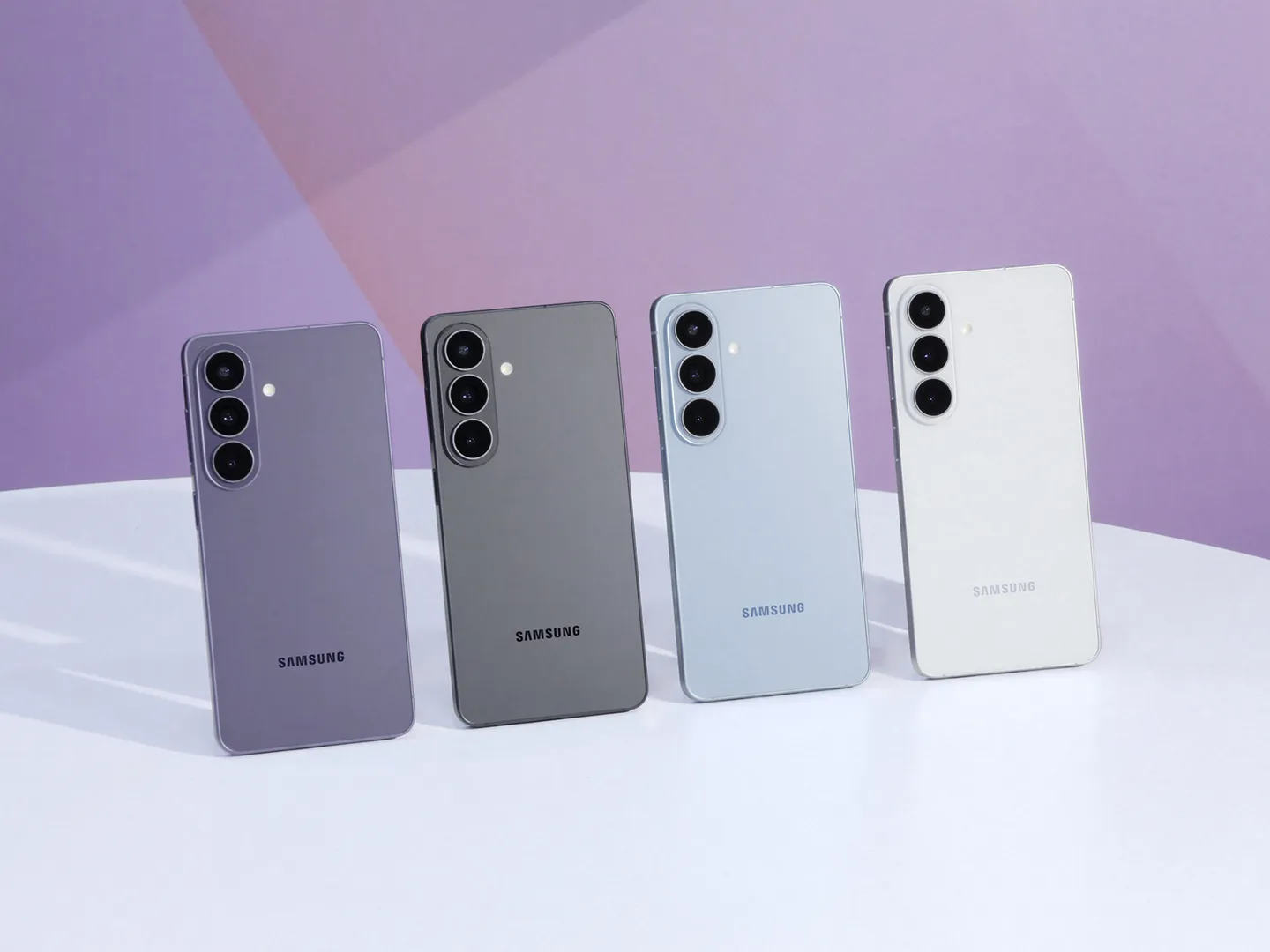
Pick up the Nubia V80 Max, and you'll notice right away it borrows a page from Samsung's Galaxy S series playbook, especially that familiar camera module layout on the back. The flat frames give it a surprisingly premium feel for the price, making it look more upscale than most phones in this segment. It's not trying to be ultra-sleek with razor-thin bezels, though; you'll spot noticeably thicker frames around the display, which is a trade-off for keeping costs down and the screen protected.
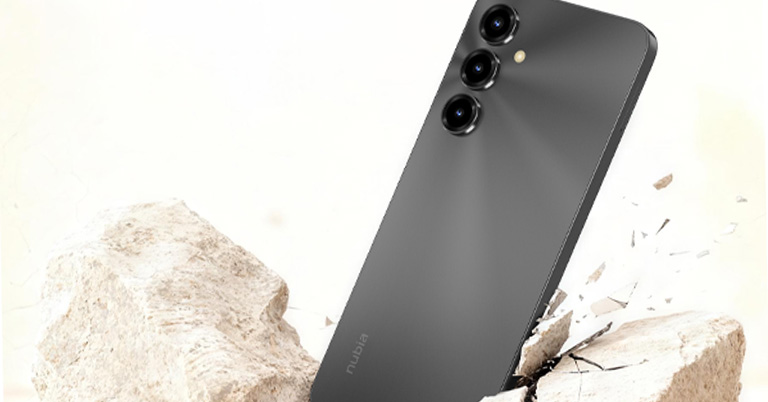
What really stands out is the durability focus. Nubia claims 360-degree all-around protection, backed by an IP64 rating for dust and water resistance, meaning it handles splashes, rain, or dusty roads without drama, which is practical for Nepal's diverse conditions. It also survives drops from up to 1.8 meters, so minor accidents won't leave you scrambling for repairs. At 6.9 inches overall, it's a big phone, but the build keeps it manageable for daily carry. If you want something that feels tough yet presentable, this design convinces without overpromising.
Display Experience
The screen is one of the V80 Max's strongest suits, you're getting a large 6.9-inch LCD panel with a smooth 120Hz refresh rate. Scrolling through apps, browsing social media, or watching videos feels fluid and responsive, far better than the choppy 60Hz displays you still see in some budget options. Peak brightness hits 780 nits, which should hold up decently in bright outdoor light around Kathmandu or during sunny hikes.
It's not an AMOLED with infinite blacks or punchy colors, but for an LCD in this range, it delivers clear visuals and good viewing angles. The size makes it great for media consumption or multitasking, like splitting the screen for notes and videos. Thick bezels aside, this display punches above its weight for everyday use, especially if screen real estate matters more to you than perfect contrast.
Performance and Special Features
Under the hood, the Nubia V80 Max runs on the UNISOC T7250 chipset, a budget-oriented processor that's fine for basic tasks like calls, messaging, social apps, light browsing, and casual streaming. Don't expect it to crush heavy gaming or intensive multitasking; it's not built for that. With 8GB RAM (and options for virtual expansion in similar models), it handles daily use smoothly enough, and Nubia promises up to 50 months of maintained performance, likely through software optimizations to keep things from slowing down over time.
What adds real value are the AI and connectivity tricks. "One-Swipe AI Memory" lets you quickly capture and organize screenshots or notes with smart processing, handy for staying organized on the go. Then there's "Nubia Linkfree", a standout feature for anyone who travels to remote spots or faces poor network coverage. It enables calls and texts over Bluetooth within a certain range (up to several hundred meters, terrain-dependent), no cellular signal required. In Nepal's hilly or rural areas, this could be a genuine lifesaver for staying connected with friends or family nearby.
The software runs Android 16 with Nubia's AI layer on top, bringing extras like real-time translation, scam detection, AI writing aids, and image editing, nothing revolutionary, but useful additions that make the phone feel smarter than its price suggests.
Camera Setup
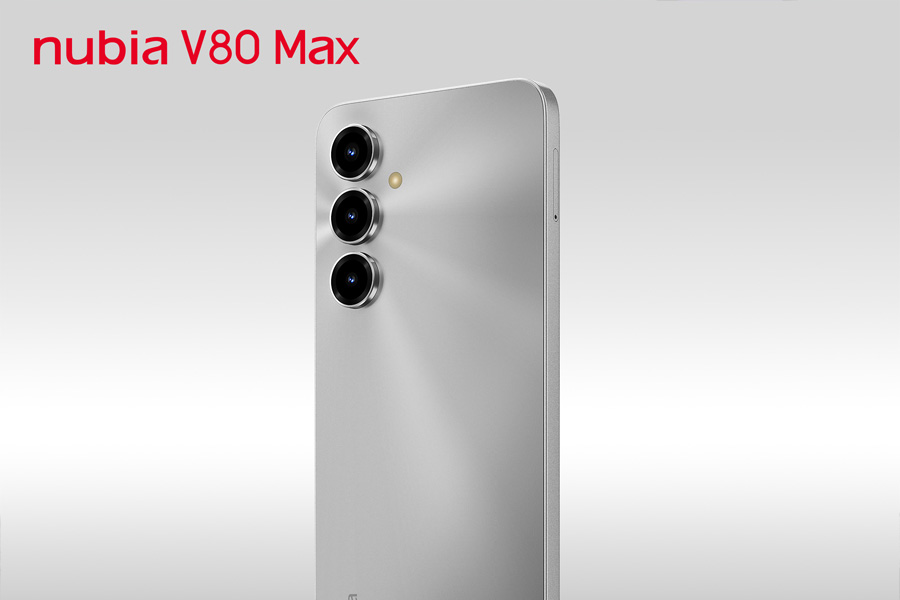
Cameras here keep it simple and realistic. The rear features a 50MP AI triple camera system (main sensor plus auxiliaries), which is standard these days but delivers decent shots for social media in good lighting. It won't wow you with pro-level detail or low-light magic, but everyday snaps, portraits, landscapes, or quick family pics, come out usable. The 16MP front camera supports gesture snap for easier selfies, a nice touch if you're into hands-free shots.
Nubia leans on AI enhancements for better processing, like scene optimization or basic edits. If photography is your main priority, look elsewhere; but for casual use, it gets the job done without disappointment.
Battery and Charging
Battery life is where the V80 Max really delivers, you get a hefty 6000mAh cell that easily lasts a full day (or more) with moderate to heavy use. In testing scenarios for similar devices, this capacity shines for streaming, calls, and navigation without constant top-ups. The inclusion of bypass charging is a smart bonus, letting you game or use intensive apps while charging without overheating the battery.
It supports 22.5W charging, and Nubia throws in a free 22.5W charger in the box, rare in this segment and a welcome perk. Quick enough to get you back up and running without long waits.
Full Specifications
Here's the complete rundown for quick reference, rephrased in a straightforward way:
Design & Build: Tough construction with full 360-degree protection, IP64 rating against dust and water splashes, and the ability to handle drops from as high as 1.8 meters.
Display: Generous 6.9-inch LCD screen offering a smooth 120Hz refresh rate and up to 780 nits of peak brightness for clear visibility even in bright sunlight.
Processor: UNISOC T7250 octa-core chipset, designed for reliable everyday performance without pushing into high-end territory.
Memory & Storage: 8GB of RAM for decent multitasking, with storage options of 128GB or 256GB, plus a microSD card slot if you need even more space for photos, apps, or files.
Software: Runs on the latest Android 16, customized with Nubia's AI interface that includes handy tools like One-Swipe AI Memory and the unique Nubia Linkfree feature for off-grid communication.
Rear Camera: 50MP main AI triple camera setup that handles standard shots well with smart enhancements from the software.
Front Camera: 16MP selfie shooter equipped with gesture snap for convenient hands-free capturing.
Connectivity: Solid 4G LTE support, plus Nubia Linkfree for Bluetooth-based calls and texts in no-signal zones, along with standard GPS.
Battery: Massive 6000mAh capacity paired with 22.5W fast charging support (and a charger included right in the box).
Other: Expandable storage via SD card, durable overall build tailored for real-world reliability.
Conclusion
In a market full of flashy mid-rangers chasing trends, the Nubia V80 Max takes a refreshingly practical approach. It doesn't pretend to be a gaming beast or a camera powerhouse, instead, it focuses on what matters for many users in Nepal: a big, smooth screen that’s easy on the eyes, exceptional battery endurance that keeps you going all day (and then some), rugged durability that can take a beating, and thoughtful features like Nubia Linkfree that actually solve real problems in areas with unreliable networks.
If you're in the under-25k category and need something tough with thoughtful extras, the V80 Max is a convincing option. Grab it if it fits your needs, what do you think of these budget contenders lately?
For more auto& tech related news follow Autoncell