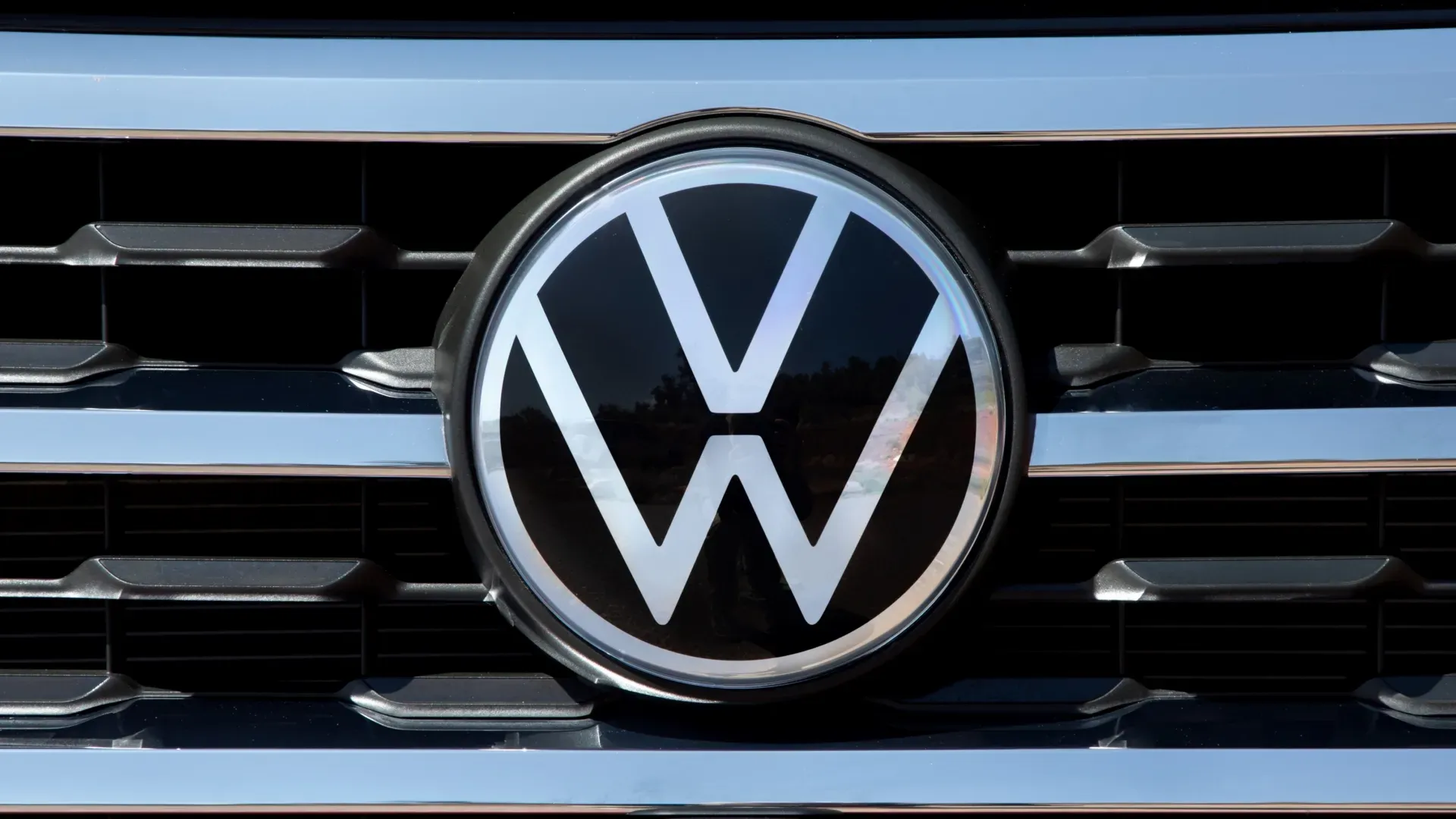
Volkswagen has stormed back to the top of China's passenger vehicle market in the first two months of 2026, unseating BYD, which has slipped to fourth place in its worst sales performance since the COVID-19 pandemic, a dramatic reversal driven largely by Beijing's rollback of electric vehicle incentives.
According to data released by the China Passenger Car Association (CPCA), Volkswagen's combined joint ventures with FAW and SAIC captured 13.9% of the passenger vehicle market in January and February, narrowly ahead of domestic rival Geely at 13.8%. Toyota took third place with 7.8% market share through its own partnerships with FAW and GAC, while BYD, the company that had dethroned Volkswagen just two years ago, fell to fourth with a 7.1% share.
The turnaround is being closely tied to a significant policy shift in Beijing. The Chinese government recently ended purchase tax exemptions on electric vehicles and scaled back subsidies for consumers trading in their cars for EVs. The move appears to have rattled confidence in the budget EV and plug-in hybrid segments, where domestic manufacturers have invested most heavily.
CPCA Secretary-General Cui Dongshu noted that buyers have been steering away from plug-in hybrids and gravitating instead toward conventional Toyota hybrid vehicles, which are unaffected by the subsidy changes. Local manufacturers with a strong dependence on PHEVs and affordable EVs have borne the brunt of the resulting slowdown.
BYD's fall from grace is particularly striking. The Shenzhen-based automaker had made history in 2024 by overtaking Volkswagen to become China's bestselling carmaker, a position it successfully defended throughout 2025. The slide to fourth in early 2026 represents a sharp and unexpected reversal of fortune.
The company is not sitting still, however. Last week, BYD unveiled its most significant battery system upgrade in six years, a development the industry is watching closely to see whether it can inject fresh momentum into flagging sales figures.
Volkswagen, meanwhile, is pressing its advantage. The German giant recently began mass production of its first vehicle co-developed with Chinese electric vehicle partner Xpeng, and has announced plans to launch more than 20 new electric models in the Chinese market. The scale of that commitment suggests Volkswagen is not content merely to reclaim old ground , it is positioning itself for a long-term fight in the world's most competitive auto market.
Whether BYD's battery breakthrough can reverse its fortunes, or whether legacy automakers are witnessing a more permanent resurgence, is fast becoming the defining question for China's automotive industry in 2026.
-original.webp)