There’s something quietly strategic brewing at Triumph Motorcycles, and it’s not just another routine product launch. It’s a calculated shift that reflects a deeper understanding of how the Indian motorcycle market works.
Come April 2026, Triumph is expected to introduce an all-new lineup of 350cc motorcycles in India. At first glance, this may seem like a simple reduction in engine capacity. But in reality, it signals a much broader strategy aimed at improving pricing, accessibility, and long-term competitiveness.
India’s mid-capacity motorcycle segment has become one of the most hotly contested spaces in the industry. Buyers today are looking for a balance, premium branding, refined performance, and everyday usability, all without stretching into expensive territory. Triumph has already made a strong impression with its 400cc platform, but this new 350cc move suggests the brand is now going even deeper into the market.
Why 350cc Makes Perfect Sense
The decision to move to 350cc is largely driven by taxation policies in India.
Motorcycles above 350cc fall into a higher GST bracket, which increases their final cost to customers. Triumph’s current 399cc motorcycles, despite being competitive in their segment, still carry this additional tax burden. By reducing the engine capacity to just under 350cc, the company can take advantage of a lower tax rate.
This is more than just a financial adjustment, it directly impacts pricing strategy. A slightly smaller engine can result in a noticeably more affordable motorcycle, making the brand accessible to a wider range of buyers.
In a market where pricing plays a decisive role, this move could significantly strengthen Triumph’s position.
Engineering Strategy: Reworking a Proven Platform
Rather than developing a completely new engine, Triumph is expected to modify its existing 399cc single-cylinder, liquid-cooled unit.
The likely approach involves reducing the bore while keeping the stroke unchanged. This effectively lowers the engine displacement to below 350cc without altering the fundamental structure of the engine.
This strategy makes strong engineering and business sense. It allows Triumph to retain the reliability and refinement of an already proven platform while minimizing development costs and production complexity.
It also ensures faster time-to-market, which is crucial in a segment that evolves rapidly.
Performance
With the reduction in displacement, a slight drop in performance is inevitable. The current 399cc engine produces around 40 horsepower and 37.5 Nm of torque. The new 350cc version is expected to deliver approximately 3 to 5 horsepower less.
However, the real story lies in how the engine will be tuned.
Instead of focusing on outright power, Triumph is expected to prioritize low- and mid-range torque. This is particularly important for Indian riding conditions, where traffic congestion and varied road conditions demand strong, usable performance rather than high-speed capability.
This means the new 350cc motorcycles could feel more responsive and practical in everyday riding scenarios, even if they are slightly less powerful on paper.
Design
Triumph is unlikely to make major changes to the design language of these motorcycles.
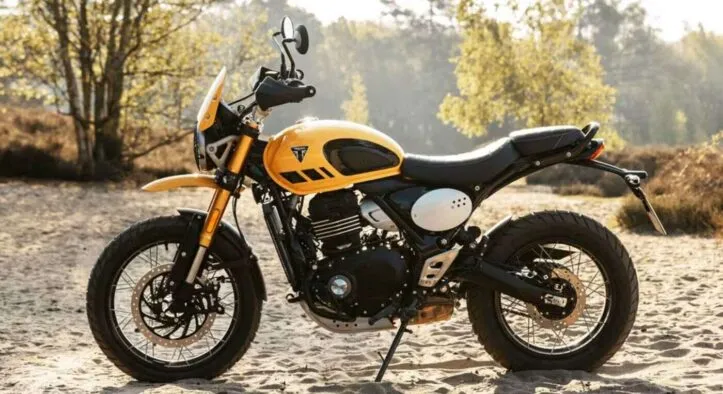
The upcoming 350cc models are expected to closely resemble their 400cc counterparts, carrying forward the same modern-retro styling that has already been well received. Clean lines, balanced proportions, and a strong road presence will likely remain key highlights.
This approach ensures that buyers still get the premium visual appeal associated with the brand, even at a more accessible price point.
Multiple body styles are expected, including roadster and scrambler variants, allowing the lineup to cater to a broader audience.
Features and Build Quality
One of the strongest aspects of Triumph’s current motorcycles is their build quality, and this is not expected to change.
The new 350cc range will likely retain many of the features seen on the 400cc models. This includes high-quality suspension components, disc brakes with dual-channel ABS, modern instrument clusters, LED lighting, and premium switchgear.
What sets Triumph apart is its attention to detail. Even in this more affordable segment, the brand has managed to deliver a product that feels genuinely premium. Maintaining this standard will be crucial for the success of the 350cc lineup.
Platform Strategy
The 350cc engine is expected to underpin multiple models rather than a single motorcycle.
This platform-based approach allows Triumph to create a diverse range of motorcycles while keeping development and production efficient. Different variants can target different types of riders, from urban commuters to lifestyle-focused enthusiasts.
At the same time, the existing 400cc motorcycles are not expected to be discontinued. They will likely continue to serve international markets, while the 350cc lineup focuses primarily on India.
This dual strategy gives Triumph the flexibility to cater to both global and local demands effectively.
Competitive Landscape
With this move, Triumph is positioning itself more aggressively in the mid-capacity segment.
The 350cc category in India is currently dominated by established players, particularly those known for their strong torque-focused engines and classic appeal. However, Triumph brings a different proposition, global brand value, refined engineering, and a more modern riding experience.
This shift also places the brand in closer competition with offerings from other manufacturers that are targeting similar buyers. If Triumph manages to price these motorcycles competitively while retaining its premium feel, it could significantly disrupt the segment.
The Role of Strategic Partnerships
Triumph’s success in India is closely linked to its partnership with Bajaj Auto.
Bajaj’s manufacturing capabilities and cost efficiencies have already played a crucial role in making the 400cc platform viable. The upcoming 350cc motorcycles will further benefit from this collaboration, enabling competitive pricing without compromising quality.
There are also early indications that similar strategies could be explored for other brands and platforms in the future, reflecting a broader industry trend of adapting products to local tax structures and market needs.
Final Thoughts
On the surface, the shift from 399cc to 350cc might seem minor. But in reality, it represents a significant strategic move.
Triumph is not just adjusting engine size, it is refining its entire approach to the Indian market. By aligning engineering, pricing, and consumer expectations, the brand is positioning itself for stronger growth in one of the world’s most important motorcycle markets.
If executed well, the new 350cc lineup could become a turning point for Triumph in India, expanding its reach far beyond niche premium buyers and into the heart of the mid-capacity segment.
April 2026 could very well mark the beginning of that transformation.
-original.webp)


-original.webp)


-original.webp)