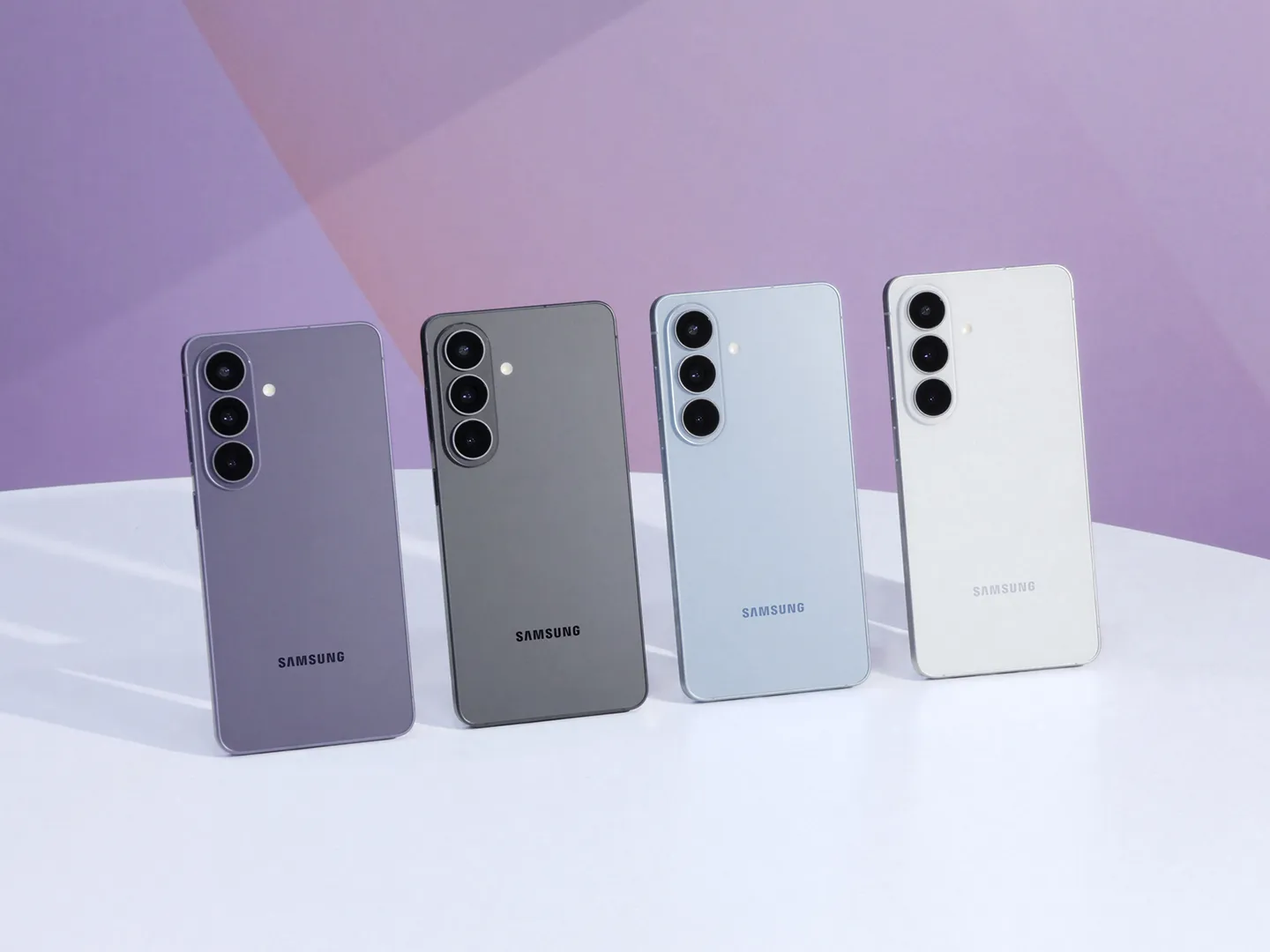
During the Computex 2021, AMD CEO Lisa Su unveiled that Samsung’s Exynos SOC will feature AMD’s RDNA 2 graphics architecture with ray-tracing and variable shading capabilities. The two firms, Samsung and AMD have been working together since 2019 on a mobile GPU. Samsung’s Exynos processor with AMD RDNA 2 graphics will most probably be a successor to the Exynos 2100 that you can find in the Galaxy S21 series smartphones.
“The next place you will find RDNA 2 will be the high-performance mobile phone market. We're happy to announce that we will bring custom graphics IP to Samsung’s next flagship mobile SOC, with ray-tracing and variable rate shading capabilities.” - AMD CEO Lisa Su
What is RDNA 2??
RDNA (Radeon DNA) is the codename for a GPU microarchitecture and accompanying instruction set architecture developed by AMD. AMD's RDNA2 architecture brings ray tracing, enhanced compute unit, new visual pipeline, and AMD Infinity Cache, enabling high-resolution gaming performance with vivid visuals. AMD Infinity Cache delivers up to 3.25x the effective bandwidth of 256-bit 16 Gbps GDDR6.

What is Ray Tracing??
Ray tracing is a rendering technique that can produce incredibly realistic lighting effects by tracing the path of light as pixels in an image. Ray tracing allows for dramatically more lifelike shadows and reflections, along with much-improved translucence and scattering.
What is Variable Rate Shading??
Variable Rate Shading is a feature that increases rendering performance and quality by varying the shading rate for different regions of the frame. Variable Rate Shading allows the developer to control the shading rate without changing the visibility rate.
Articles on Some recently launched smartphones:
- Poco F3 launched in Nepal | Price and Specifications
- Xiaomi Mi 11 launched in Nepal | Price and Specifications
- Poco X3 Pro launched in Nepal
- OnePlus 9 launched in Nepal | Price and Specifications
- Redmi Note 10 Pro launched in Nepal