Tata Motors has launched the 2026 Tiago EV facelift in India at a starting price of INR 6.99 lakh, ex-showroom. It arrives with a properly reworked design, a much-improved cabin, and a features list that feels punchy for this price point. This is not a cosmetic refresh. Tata has made real changes across the board, and the result is a car that no longer asks buyers to feel like they made a compromise.
The Tiago EV has always been the logical choice in India's budget electric segment. With this facelift, Tata is aiming to make it the emotional one too. Whether that gamble pays off is something the market will decide, but on paper, this is the most complete the Tiago EV has ever been.
Design
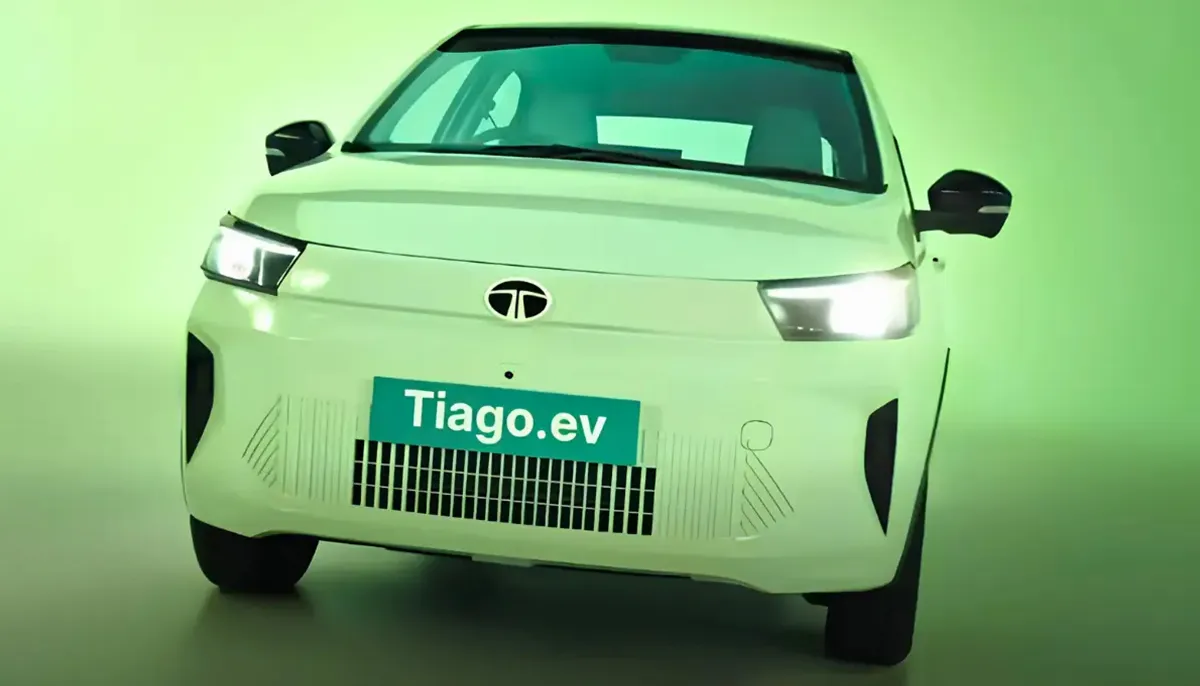
The exterior transformation is the most immediately visible change. The 2026 Tiago EV gets a fully blanked-off front fascia finished in body colour, replacing the older black grille setup. It reads as unmistakably electric and considerably cleaner than before.
The LED headlamps are slimmer and more angular now. The outgoing projector-style units have been swapped for reflector-style LEDs, and the DRLs have been repositioned inside the headlamp housing rather than sitting lower near the fog lamp area. The bumpers front and rear have been resculpted for a smoother, sharper finish.
At the rear, revised LED tail lamps are connected by a faux red strip that creates a linked, full-width lighting effect. The new vertical slat-style motif inside those lamps looks genuinely modern. The roofline, silhouette, and overall proportions remain unchanged, but the 14-inch steel wheels now wear more aerodynamic-looking covers. Blacked-out ORVMs with turn indicators, wheel arch cladding, and Tata EV badging on the doors continue from before.
Six colour options are available: Dehradun Dew, Pangong Pulse, Sobo Surge, Matheran Monsoon, Pure Gray, and Pristine White.
Features
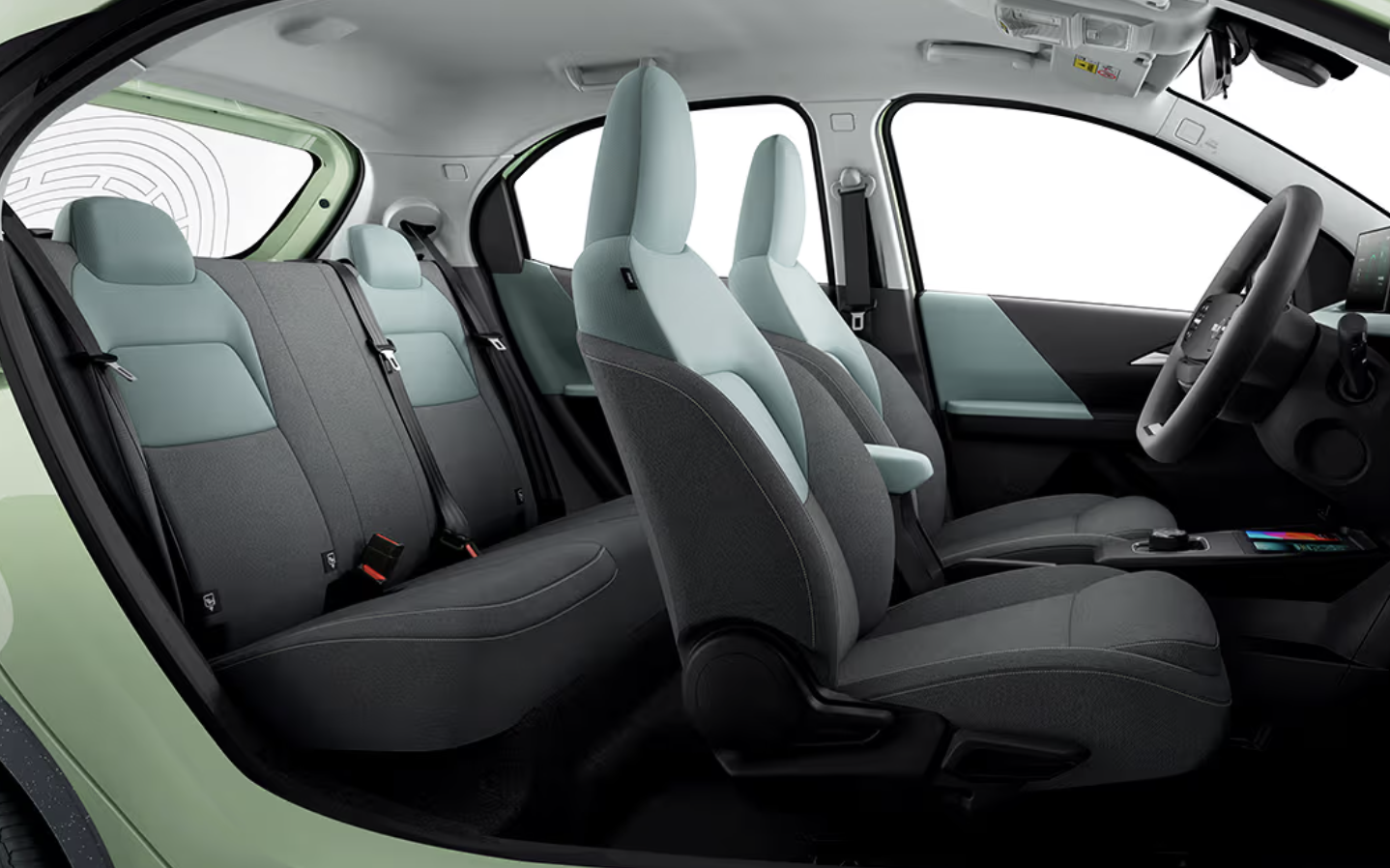
The cabin has seen the most meaningful upgrades. Tata has redesigned the dashboard with a dual-tone theme, horizontal layout, and gloss-black detailing. The steering wheel now carries Tata EV branding, and the centre console has been reorganised for better usability. Both front and rear passengers get Type-C charging ports, and rear AC vents are a new addition.
The headline addition is a floating 10.25-inch touchscreen infotainment system paired with an updated digital driver display. It supports wireless Android Auto and Apple CarPlay. Tata has correctly kept physical controls for the AC, so you still get proper tactile buttons and rotary knobs for the climate system rather than burying everything in a touchscreen.
The seat upholstery has switched from leatherette to fabric, which is a genuine upgrade in everyday comfort for longer drives. Other features include a four-speaker audio system, a cooled glovebox, auto-fold ORVMs, cruise control, a six-way manually adjustable driver seat, push-button start and stop, connected car technology, and automatic headlamps.
The safety package has taken a significant step forward. The Tiago EV facelift is the first in its segment to offer a 360-degree camera with a blind view monitor. It also gets an auto defogger for the front windshield. The full list includes six airbags, ABS with EBD, electronic stability control, hill hold assist, rain-sensing wipers, tyre pressure monitoring, ISOFIX child seat mounts, and rear parking sensors.
Performance
The powertrain options carry over unchanged from the previous Tiago EV, which is the right call. The mechanical package was never the car's weakness. Two battery options remain available: a 19.2 kWh pack for urban-focused buyers and a 24 kWh pack for those who need a bit more range.
The 19.2 kWh battery drives a single electric motor producing 61 PS and 110 Nm of torque. It covers the 0 to 60 kmph sprint in 6.2 seconds and offers a claimed range of 226 km under MIDC Part 1 and Part 2 testing conditions. The 24 kWh unit steps up to 75 PS and 114 Nm, accelerates to 60 kmph in 5.7 seconds, and pushes the claimed range to 285 km. Both packs charge from 10 to 80 percent on a DC fast charger in 35 minutes.
The Tiago EV delivers a smooth, quiet driving experience that suits city traffic well. The instant torque response makes urban commuting effortless. Highway travel is doable with the larger battery, but longer trips still require planning given the current state of public charging infrastructure in India. Boot space stands at 240 litres, which covers everyday urban requirements and weekend luggage with reasonable comfort.
Specifications
Battery Options: 19.2 kWh and 24 kWh
Motor: Single electric motor on both variants
Power: 61 PS (19.2 kWh) and 75 PS (24 kWh)
Torque: 110 Nm (19.2 kWh) and 114 Nm (24 kWh)
Length: 3825 mm
Width: 1684 mm
Height: 1562 mm
Wheelbase: 2400 mm
Boot Space: 240 litres
Price in India
Smart (19.2 kWh): INR 6.99 lakh Pure Plus (19.2 kWh): INR 8.49 lakh Pure Plus (24 kWh): INR 9.49 lakh Creative Plus (24 kWh): INR 9.99 lakh
All prices are ex-showroom, pan-India.
For buyers looking to reduce the upfront cost, the Tiago EV is also available under a Battery-as-a-Service scheme, where pricing starts at INR 4.69 lakh plus Rs 2.6 per kilometre. This scheme separates the battery cost from the vehicle price, lowering the barrier to entry significantly for those with predictable daily usage patterns.
The Tiago EV facelift competes primarily against the MG Comet EV and the Citroen eC3. At its upper price points, it also sits as a more affordable alternative to the Tata Punch EV.
Conclusion
At INR 6.99 lakh for the base variant, the 2026 Tata Tiago EV facelift makes a strong case. A 360-degree camera, six airbags, wireless Apple CarPlay and Android Auto, a 10.25-inch infotainment screen, and up to 285 km of claimed range at a price that undercuts most petrol hatchbacks in the segment is a genuinely difficult package to argue against.
Tata has addressed almost every criticism the first-generation car attracted. The design is sharper. The cabin is more comfortable and better equipped. The safety features are class-leading. What has not changed is the powertrain, which needed no changes, and the price, which needed no increase.
The Tiago EV facelift is the car that finally earns the right to be called a practical electric hatchback, not just the cheapest one. Whether buyers who have been sitting on the fence finally commit to making the switch, that is the real question the next few months will answer.