Qualcomm announced its new flagship silicon yesterday. Xiaomi shipped a phone with it today.
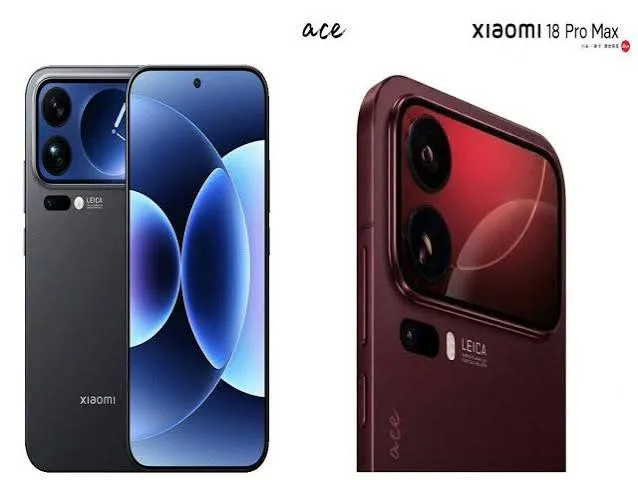
The Xiaomi 18 Pro and 18 Pro Max landed in China this week, and the Pro Max is the one carrying the headlines: two 200MP Leica cameras, the most powerful mobile chip Qualcomm currently makes, a secondary display on the back, and a privacy screen built into the panel itself. It arrives a day after Oppo's Find X10 Pro Max, which makes this a genuinely crowded week at the top of the camera-phone market.
Design
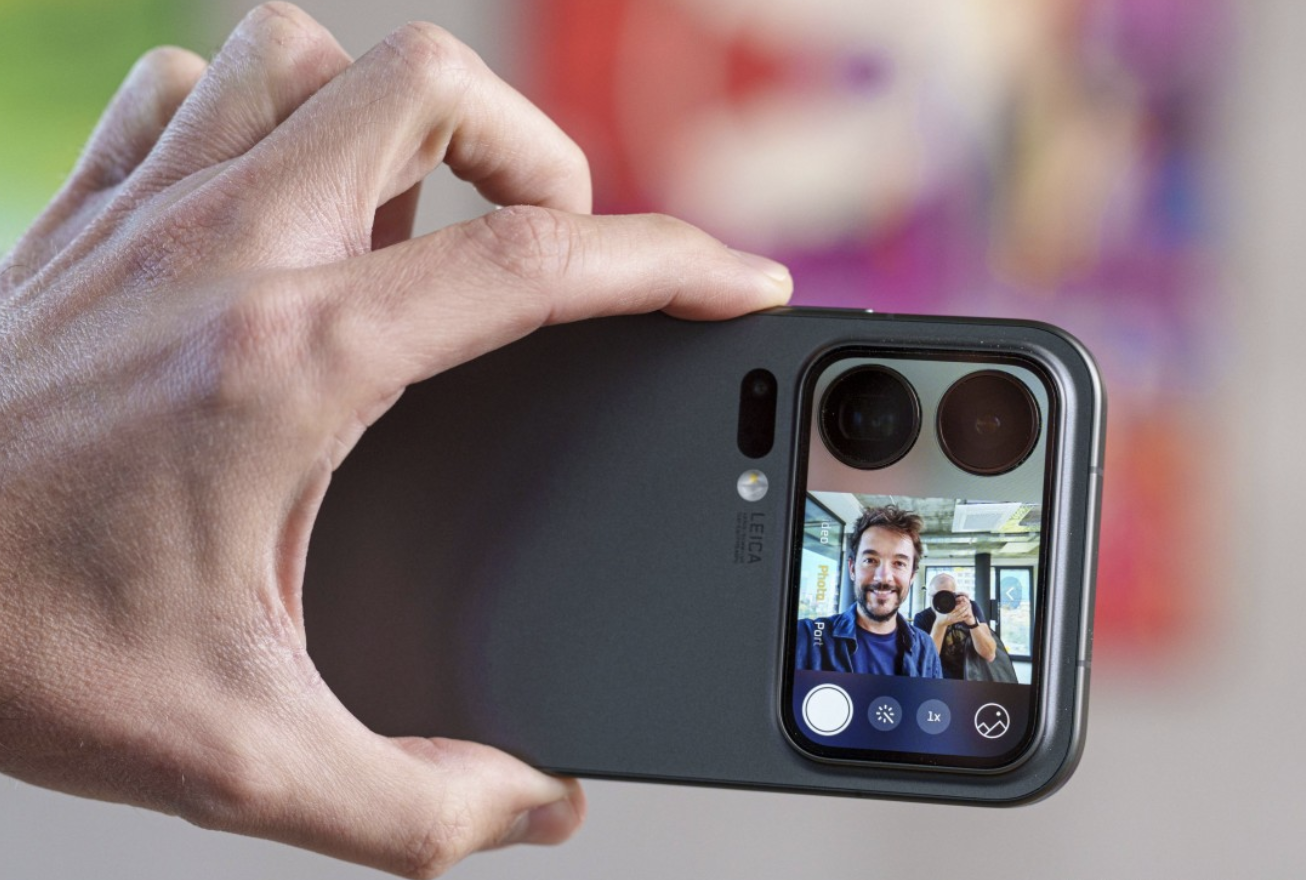
The back is where Xiaomi has done something nobody else is doing. Alongside the camera array sits a small secondary display, a feature introduced on the 17 Pro series and carried over for a second generation.
The Pro Max gets a 2.86-inch 120Hz OLED, with the 18 Pro stepping down to 2.66 inches. It handles custom images, wallpapers and app cards, and Xiaomi has added AI-generated cards this time around. Whether anyone truly needs a screen on the back of a phone is still up for argument. That it survived into a second generation suggests enough owners found a use for it.
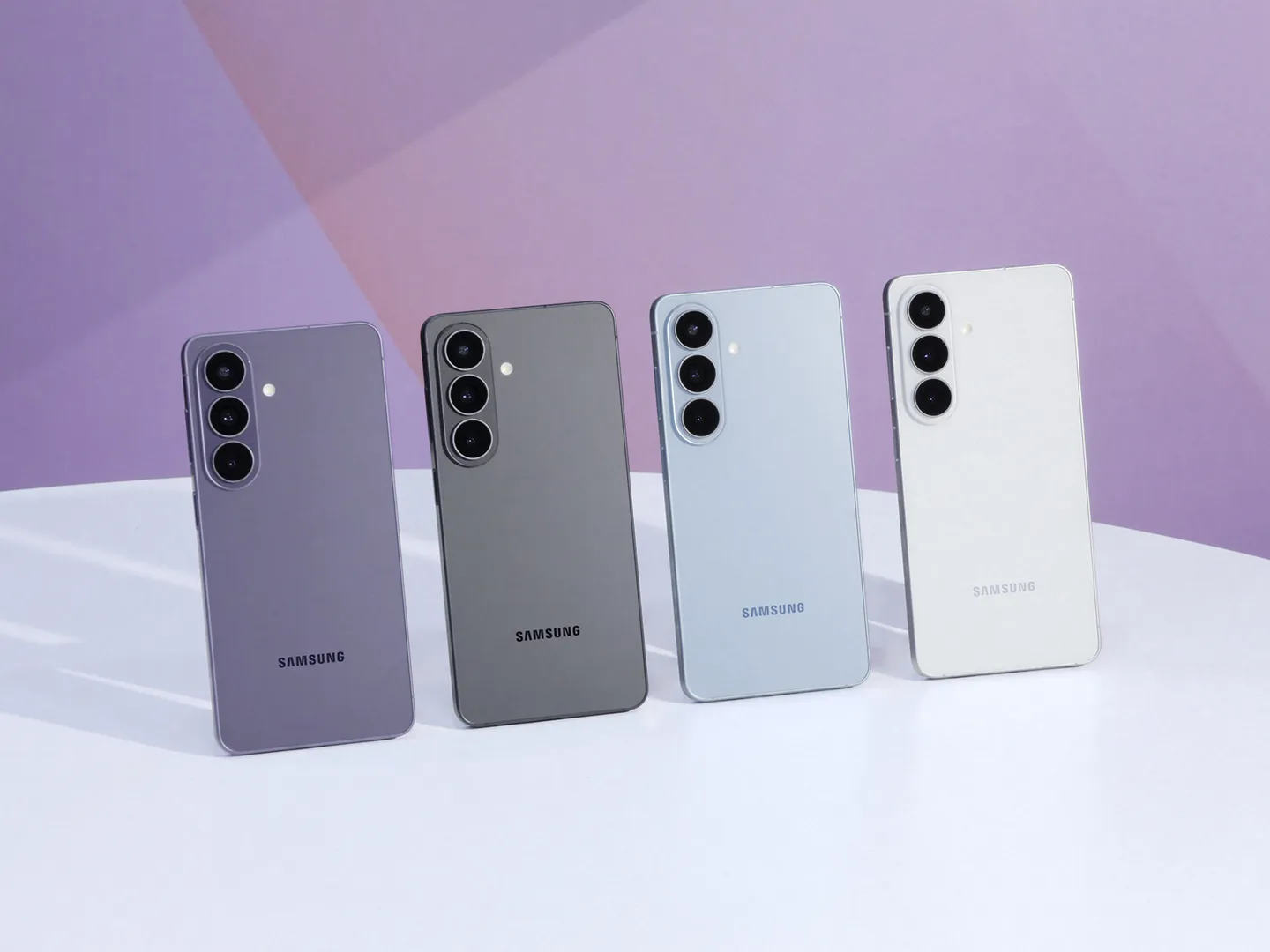
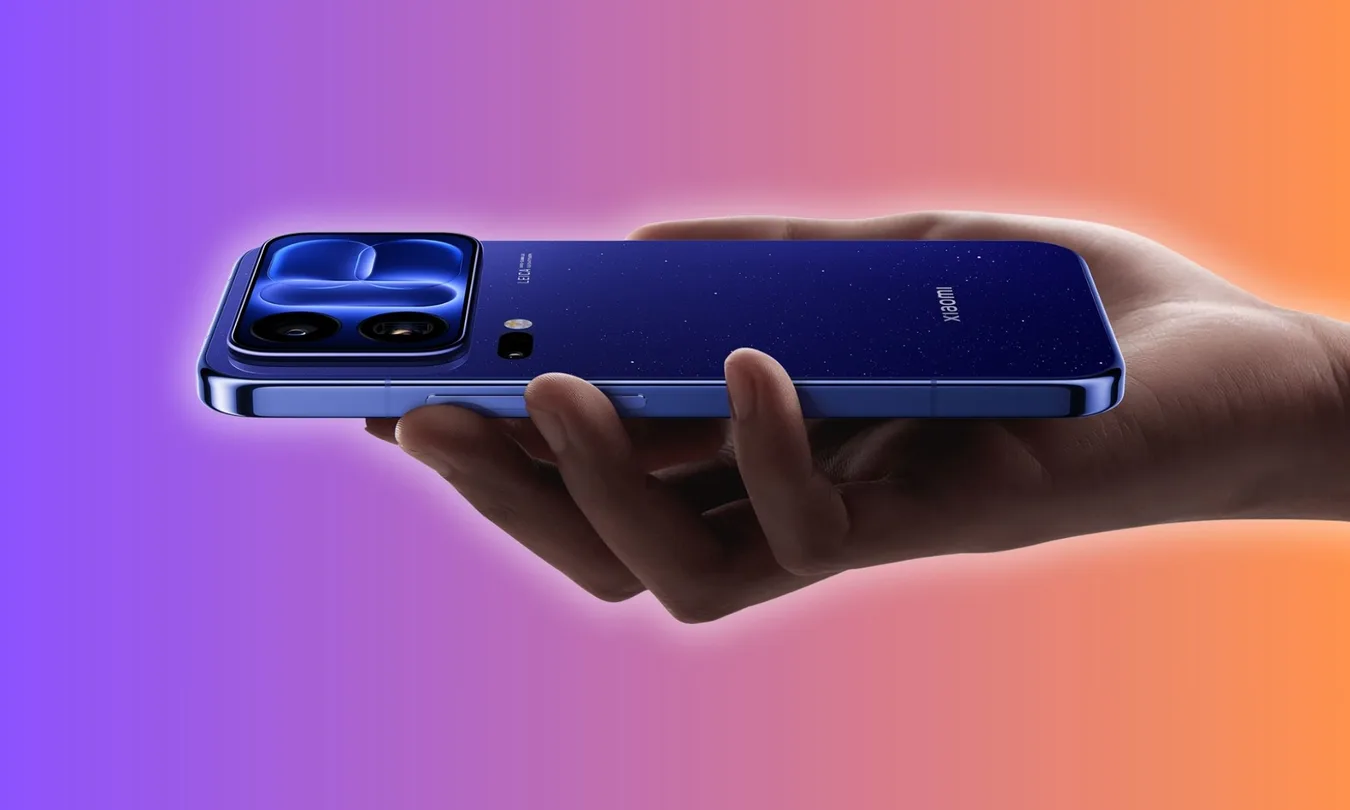
Colour options include sand pink and blue, and Xiaomi is also offering a transparent edition for buyers who want the hardware on show.
Display
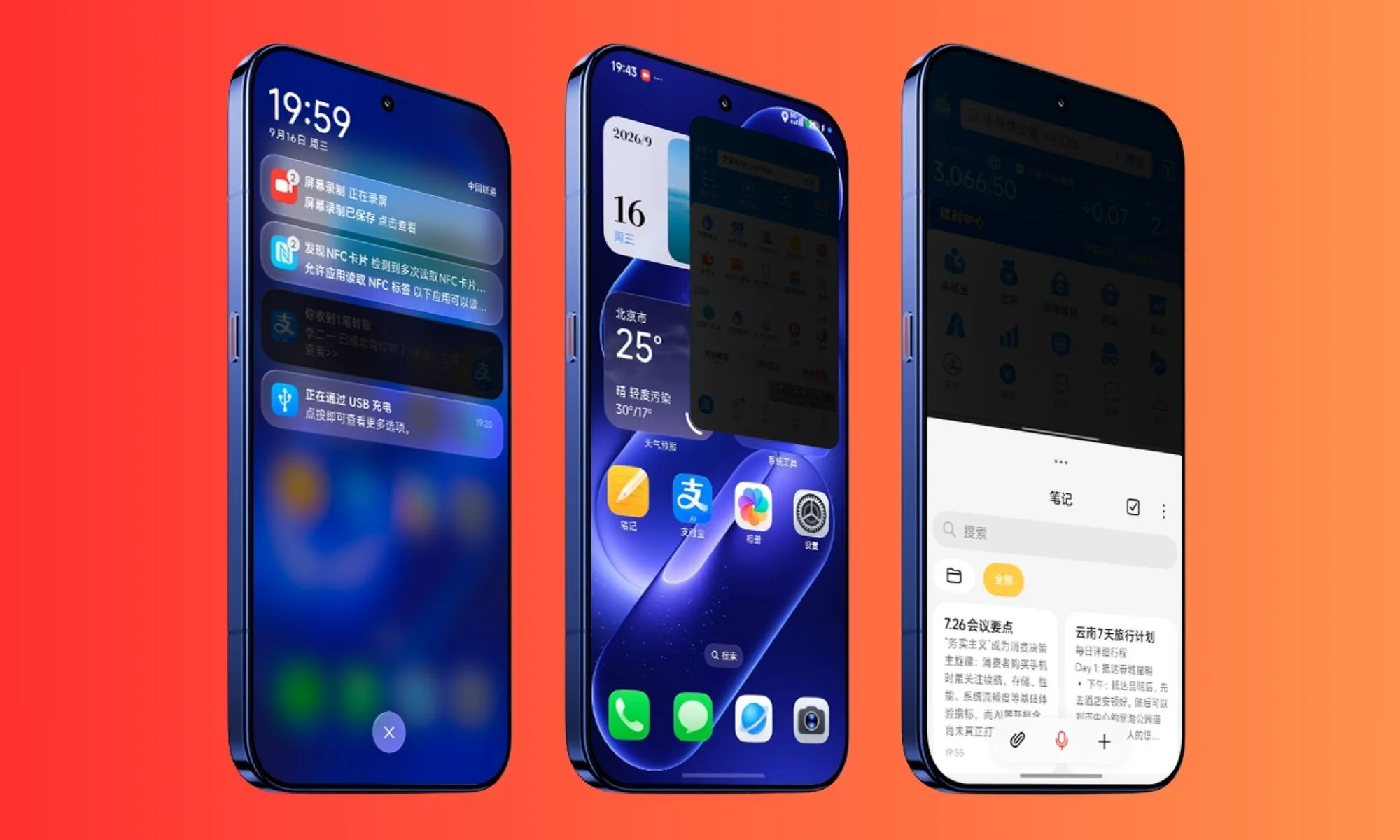
The 6.9-inch front OLED carries everything you would expect from a flagship, but the feature worth attention is Smart Privacy Screen 2.0. It narrows the viewing angle at the display level, so content becomes far harder to read from the side.
Samsung got there first with the Privacy Display on the Galaxy S26 Ultra earlier this year, controlling how pixels disperse light and protecting either the whole screen or selected apps and notifications. Xiaomi has taken the same hardware-level route using narrow-angle privacy pixels, and claims side-view brightness drops to roughly 1 percent beyond a 60-degree angle when the feature is active.
That 1 percent figure is aggressive, more so than anything Samsung claimed. It is also exactly the sort of number that needs independent testing before anyone takes it at face value. Worth noting too that on the S26 Ultra, this technology carried a cost in off-axis quality even with privacy mode switched off. Whether Xiaomi has avoided that trade-off is an open question.
Performance
The Pro Max runs the Snapdragon 8 Elite Extreme Gen 6, while the smaller 18 Pro takes the standard Snapdragon 8 Elite Gen 6. Both sit on a 2nm process, and both can push their prime CPU cores to 5GHz.
That 5GHz figure is the one that will travel. Whether it translates into anything meaningful outside benchmark runs depends entirely on thermals, and nobody has independently tested these yet. The speed with which Xiaomi got a retail phone out the door after Qualcomm's announcement says more about the partnership than about the silicon.
Camera
The Pro Max leads with a 200MP Leica main camera on a large 1/1.28-inch sensor. Beside it sits a second 200MP sensor handling the 3.2x periscope telephoto, which also shoots macro from 12cm. Xiaomi claims that telephoto pulls in 83 percent more light than the equivalent lens on last year's model. A 50MP ultrawide completes the array.
Two 200MP sensors on one phone is unusual, and the periscope is the more interesting of the pair. Long-range shooting has always been where sensor size and light-gathering hurt most, so putting a flagship-grade sensor behind the zoom lens rather than a token one is the right call.
The smaller 18 Pro keeps the dual 200MP setup, which is a notable thing for Xiaomi not to have cut.
Xiaomi 18 Pro Max Features
Snapdragon 8 Elite Extreme Gen 6 on a 2nm process, 5GHz prime core
200MP Leica main camera with 1/1.28-inch sensor
200MP 3.2x periscope telephoto with 12cm macro
50MP ultrawide
6.9-inch OLED with Smart Privacy Screen 2.0
2.86-inch 120Hz OLED rear display with AI-generated cards
8,500mAh battery
100W wired and 50W wireless charging
Battery
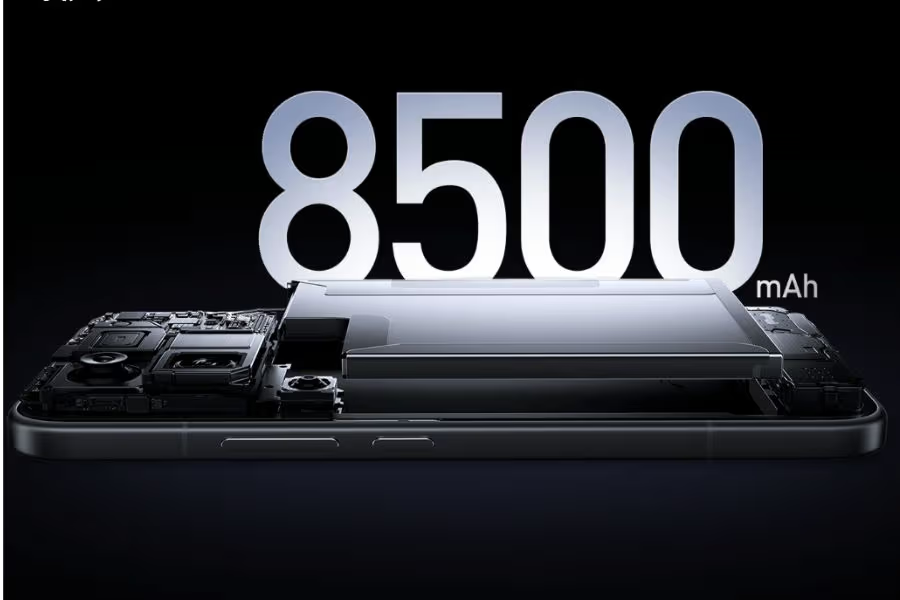
The Pro Max carries an 8,500mAh cell with 100W wired and 50W wireless charging. The 18 Pro steps down to 7,000mAh.
Those are large numbers by any standard, and they land in a market where 7,000mAh is becoming the expected figure rather than an outlier. Silicon-carbon cell technology is doing the work here, and it is the clearest area where Chinese manufacturers have pulled ahead of Samsung and Apple.
Specifications at a Glance
Specification | Xiaomi 18 Pro Max | Xiaomi 18 Pro |
Chipset | Snapdragon 8 Elite Extreme Gen 6 (2nm) | Snapdragon 8 Elite Gen 6 (2nm) |
CPU Clock | Up to 5GHz prime core | Up to 5GHz prime core |
Main Display | 6.9-inch OLED with Smart Privacy Screen 2.0 | OLED with Smart Privacy Screen 2.0 |
Rear Display | 2.86-inch 120Hz OLED | 2.66-inch OLED |
Main Camera | 200MP Leica, 1/1.28-inch sensor | 200MP Leica |
Telephoto | 200MP 3.2x periscope, 12cm macro | 200MP periscope |
Ultrawide | 50MP | 50MP |
Battery | 8,500mAh | 7,000mAh |
Charging | 100W wired, 50W wireless | Not specified |
Price
Chinese pricing is as follows:
Model | Price (China) |
Xiaomi 18 Pro Max | 6,999 yuan (approx. USD 1,045) |
Xiaomi 18 Pro | 5,999 yuan (approx. USD 895) |
Both phones went on sale in China immediately, with no international launch details announced.
Neither model has arrived in Nepal, and no official local pricing exists. We are not estimating a figure here. If and when these launch through authorised channels, the final price will depend on taxes and market conditions, and we will update it then.
Conclusion
What stands out about the 18 Pro Max is how little Xiaomi held back. The best chip Qualcomm makes, two 200MP sensors, the largest battery in the class, and a privacy display that arrives months after Samsung's and claims better numbers.
The caveat is the usual one with Chinese domestic launches. Those yuan prices are supported by scale, local supply chains and a market where Xiaomi does not have to build distribution from scratch. Whatever these phones cost outside China, if they leave at all, will look very different.
For now, it is a reminder of how quickly the top of the Android market moves. Qualcomm's chip was announced yesterday and is already in a phone you can buy. Nobody else is turning that corner this fast.
For more on new phone launches and prices in Nepal, Autoncell covers them as they land.