Nepal’s electric vehicle (EV) revolution is accelerating, so much so that the country now imports more EVs than traditional fossil‑fuel cars. Driving this shift are sweeping tax incentives, inexpensive hydropower, and practical models tailored for Nepali roads. But the real focal point isn’t just numbers, it’s understanding which models are capturing hearts (and registrations) this fiscal year, and why they matter.
In this article, we explore the top‑selling electric cars in Nepal today, providing an expert lens on what makes each one resonate with Nepali consumers, whether it’s design finesse, efficient performance, smart features, or solid specs. Read on for a deep dive into the technology, trends, and the voices behind the decisions.
EV Market Context in Nepal
Nepal has imported approximately 5,700 four‑wheeled EVs worth NPR 14.19 billion in the first five months of the 2024/25 fiscal year. That represents nearly 70% of all new passenger-vehicle imports, underlining a sea change in consumer preference.
Several forces fuel this boom:
- Tax incentives, EVs carry far lower import duties (10–90%) compared to 276–329% on fossil-fuel vehicles
- Cheap, green electricity, Nepal’s hydropower grid ensures charging costs are minimal and clean
- Affordable financing, Banks now cover up to 90% of purchase costs at interest rates as low as ~7%, fueling volume.
The result? A stunning 149% jump in EV imports vs. last fiscal year, 11,701 EVs overall, with 8,065 from China alone.
Leading EV Models in Nepal
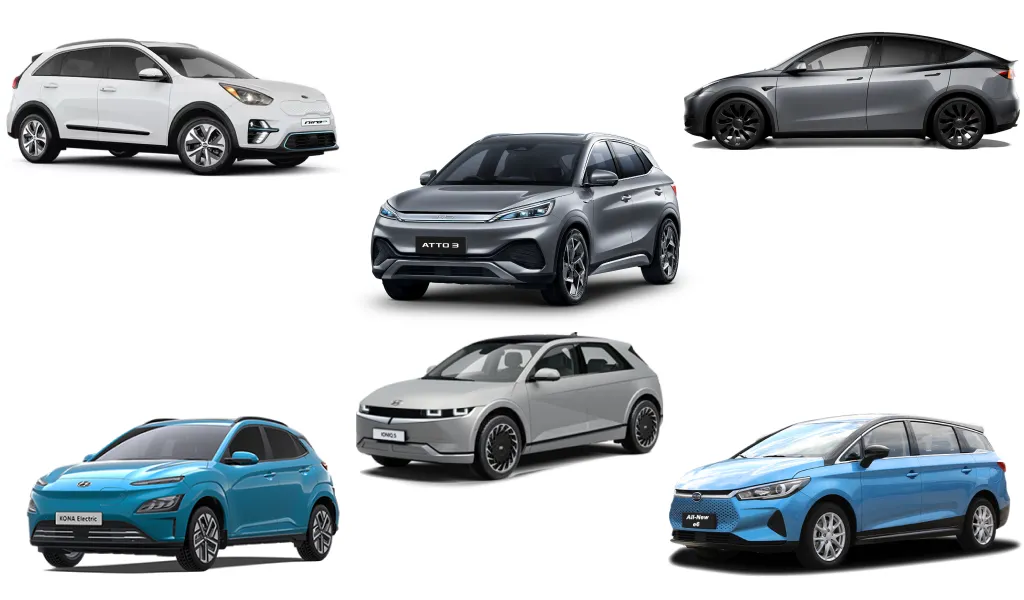
BYD Atto 3: NPR 56.90 lakhs- 67.80 lakhs
Why it leads: Sophisticated yet practical, the BYD Atto 3 blends sharp SUV styling with solid range and comfort. It's become a favorite thanks to its balance of modern tech and a price fitting Nepali tax slabs.
Design & comfort: Spacious architecture, a panoramic sunroof, and a rotating 12.8″/15.6″ infotainment screen lend it a premium feel.
Performance & range: Dual battery options, around 345–420 km WLTP, plus a 150 kW motor yielding 310 Nm of torque deliver brisk, responsive driving. 0–100 km/h in 7–9 seconds.
Charging & practicality: DC fast charging (80 kW) replenishes battery from 0–80% in around 45 minutes. Boot space is around 440 L, ideal for short family trips.
Expert insight: Reviewers highlight, “seats among the most comfortable… roominess and performance” while noting minor blind spots in lane‑keeping and tire feedback .
BYD Dolphin: NPR 41.15 lakhs
Why it stands out: This compact hatchback is tailored for city life, affordable, efficient, and light on running costs. In Nepal, it hit the market in September 2023.
Design & appeal: Quirky yet cute styling and compact dimensions make it ideal for densely packed urban environments.
Performance & range: Comes with a 44.9 kWh Blade LFP battery offering up to 340 km NEDC (~300 km real-world), and stronger variants overseas go up to 60 kWh.
Practicality: Its small size and decent charging plugs make it an excellent value, perfect for first-time EV buyers or as a secondary vehicle for city travel.
BYD e6
Why fleet operators love it: The e6, launched in Nepal in recent years, offers exceptional interior space and practicality, making it a go-to for taxi services and ride-sharing.
Design & interior: Roomy cabin and large boot capacity; a prime example of function over form.
Performance & charging: Uses Blade batteries and supports AC charging up to 6.6 kW and DC at 40 kW, ideal for night-time charging during service downtimes.
Strategic edge: Represents a smart shift toward electrifying Kathmandu’s informal public transit, crucial for reducing valley pollution.
Omoda E5: NPR 61.99 lakhs- 62.49 lakhs
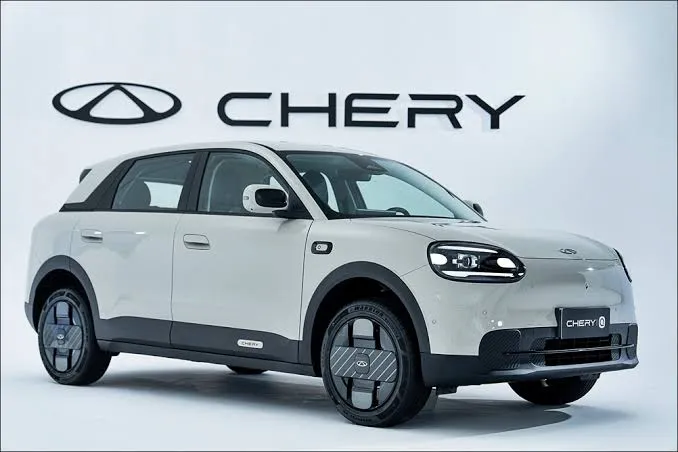
Why it's gaining traction: The SUV-style battery-electric Omoda E5 (heart of the Chery Omoda lineup) debuted in early 2024.
Design & features: Bold, futuristic lines and enticing entry-level pricing make it a strong contender.
Performance & warranty: Comes with a 99 kW motor and includes perks, 7 kW wall charger, 8‑year battery warranty, making it attractive to budget-conscious families.
Market potential: With financial-savvy packages and growing charger support, it’s positioning itself as a value-packed SUV alternative.
Comparative Summary & Expert Opinion
Here’s a snapshot contrasting the models:
|
Model |
Segment |
Range (approx.) |
Charging |
Ideal for |
|
BYD Atto 3 |
Compact SUV |
345–420 km |
DC 80 kW |
Families, premium buyers |
|
BYD Dolphin |
Compact Hatch |
~300 km |
AC/DC |
Urban drivers, first-time EVs |
|
BYD e6 |
Compact MPV |
250–300 km |
DC 40 kW |
Fleet, ride-sharing, taxis |
|
Omoda E5 |
Compact SUV |
~300 km |
AC |
Budget-conscious SUV seekers |
The Atto 3 offers a refined package ideal for small families and those upgrading; Dolphin hits the sweet spot in affordability and practicality; e6 is key to electrifying shared mobility; and Omoda E5 represents an emerging segment, budget SUVs with impressive features.
Challenges & Opportunities Ahead
While the EV tide continues to rise, the road ahead comes with its own hurdles:
-
Charging infrastructure: Despite ~400 existing stations, the growth of EV ownership demands far more to ease “range anxiety”.
-
Financing stability: Fluctuating bank policies could stall momentum; consistent low-rate loans, potentially subsidized by the government, are essential .
-
Public transit electrification: Tackling diesel bus emissions remains a gap; progress with fleets like Sajha Yatayat is encouraging, but scaling is key.
Conclusion
Nepal is charging ahead, literally, in the global EV race. With nearly 70% of new vehicle imports being electric, a portfolio of compelling BYD models and newcomer choices like Dolphin and Omoda E5, and supportive infrastructure on the rise, the electric revolution is well underway. The next fiscal year could see deeper penetration as charging networks densify and financing becomes more reliable.
In my professional assessment, the BYD Atto 3 will likely remain the flagship choice, Dolphin will solidify its place in urban niches, and fleet conversions with models like e6 will meaningfully improve Kathmandu’s air quality. Meanwhile, value‑driven SUVs like Omoda E5 herald a new, accessible chapter in Nepal’s electric mobility story.
Nepal isn’t just adopting EVs, it’s integrating them across its social and environmental fabric. And that’s a story worth following closely.
-original.webp)