Anyone who has waited months for a printed licence knows the problem. The government says it now has a fix in motion.
The Department of Transport Management has begun printing driving licences through the Electronic Driving License and Vehicle Registration System, or EDLVRS, which came into force on July 17. The first batch is already out, and the structure behind it has changed in a way that matters.
How the new process works
The key shift is that paperwork no longer circles back through layers of offices before reaching a printer.
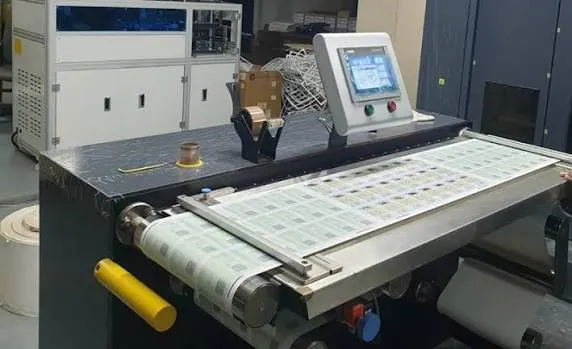
Applicant details uploaded to EDLVRS now go straight to the security press. The press prints the licence and posts it directly to the relevant Transport Management Service Office for collection. That is the whole chain, and it removes most of the handoffs where the old process used to stall.
For applicants, the promise is a faster route to both new licences and renewals, with fewer trips and less waiting.
First batch already posted
Madhesh Province went first. A total of 3,081 driving licences have been printed and dispatched by post to the respective Transport Management Service Offices for distribution.
That is a modest opening volume against national demand, but it establishes that the pipeline works end to end rather than only on paper.
Provinces can run their own printing
Here is the part that will shape how quickly this scales. Provincial governments are permitted to sign agreements directly with the security press and handle their own licence printing.
Madhesh has done exactly that and is now printing under its own arrangement. Lumbini signed its agreement on Friday and has also started printing.
For provinces that have not signed, the Department of Transport Management has arranged printing through direct coordination with the security press, so nobody is left waiting on a bureaucratic formality while the backlog grows.
What has changed
EDLVRS implemented from July 17
Applicant details go directly from the system to the security press
Printed licences posted straight to Transport Management Service Offices
3,081 licences printed and dispatched in the first phase from Madhesh Province
Madhesh and Lumbini provinces printing under their own agreements
Other provinces covered through Department and security press coordination
Why it matters
Licence printing delays have been one of the more persistent frustrations in Nepal's transport administration. People passed their tests, paid their fees, and then waited, sometimes for a very long time, holding temporary paper while the actual card sat somewhere in a queue.
Decentralising the printing responsibility province by province is a sensible response. It spreads the load instead of funnelling everything through a single national bottleneck, and it gives provincial governments a direct lever on their own backlog rather than waiting on Kathmandu.
The real test is throughput. Two provinces printing independently and a few thousand licences dispatched is a start, not a resolution. Whether the system holds up once every province is running at volume will decide if this fixes the problem or simply relocates it.
For more on transport policy, vehicle regulations and the auto market in Nepal, Autoncell covers it as it happens.