-original.webp)
Think of the biggest, plushest electric SUV you can picture gliding through Kathmandu traffic, seven seats, a cabin like a lounge, and enough range to reach the Terai and back without breaking a sweat. Hyundai just put it on sale in Nepal, and it wants nearly Rs 2.20 crore for the privilege.
The Hyundai IONIQ 9, the largest electric SUV in the brand's entire IONIQ family, has officially arrived through Laxmi Intercontinental, Hyundai's authorised distributor in Nepal, with sales kicking off at the NAIMA Mobility Expo 2026. Priced at Rs 2.19 crore, this is Hyundai's no-compromise electric flagship, built to haul a full family in serious comfort and go a very long way doing it. But at that money, does it actually make sense for a Nepali buyer? Let's take a proper look.
Design
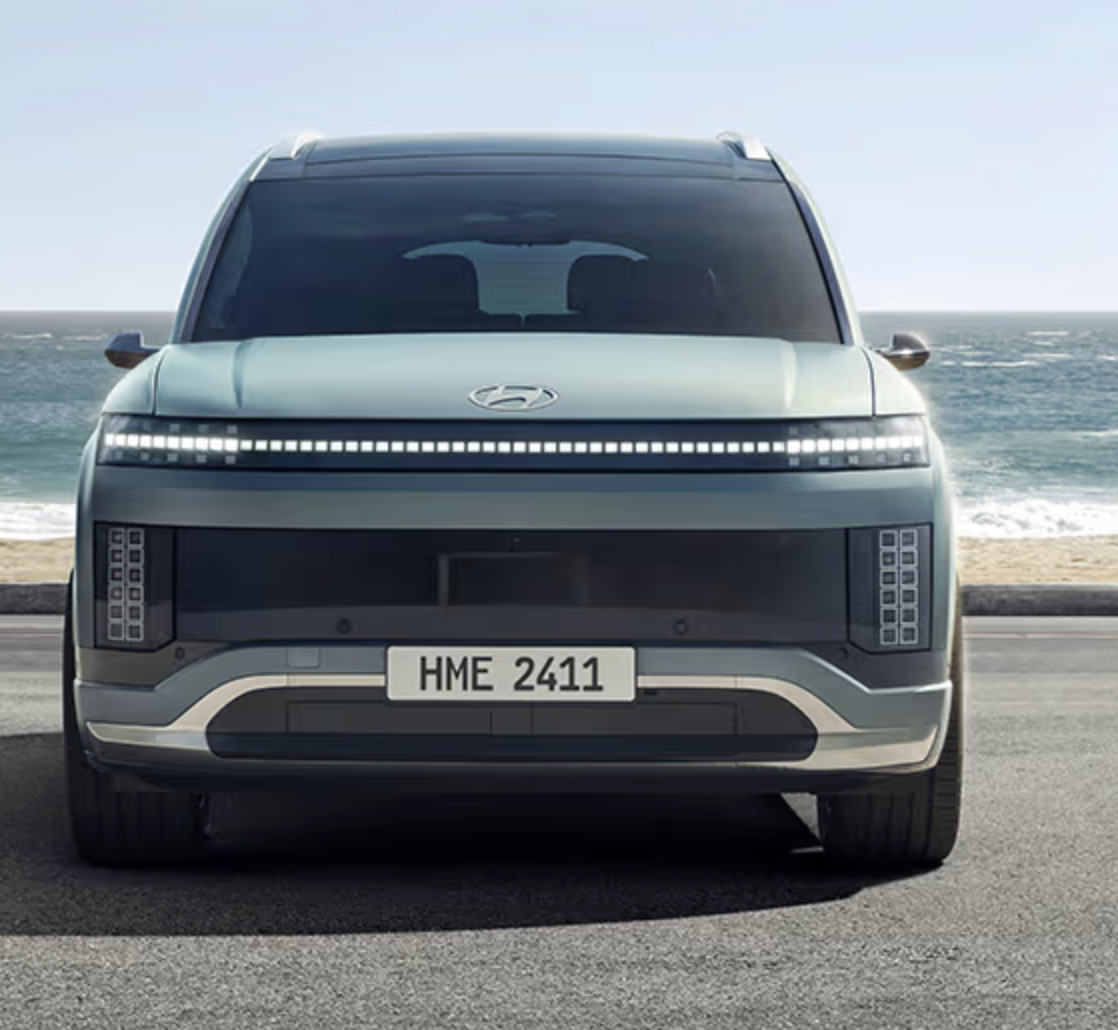
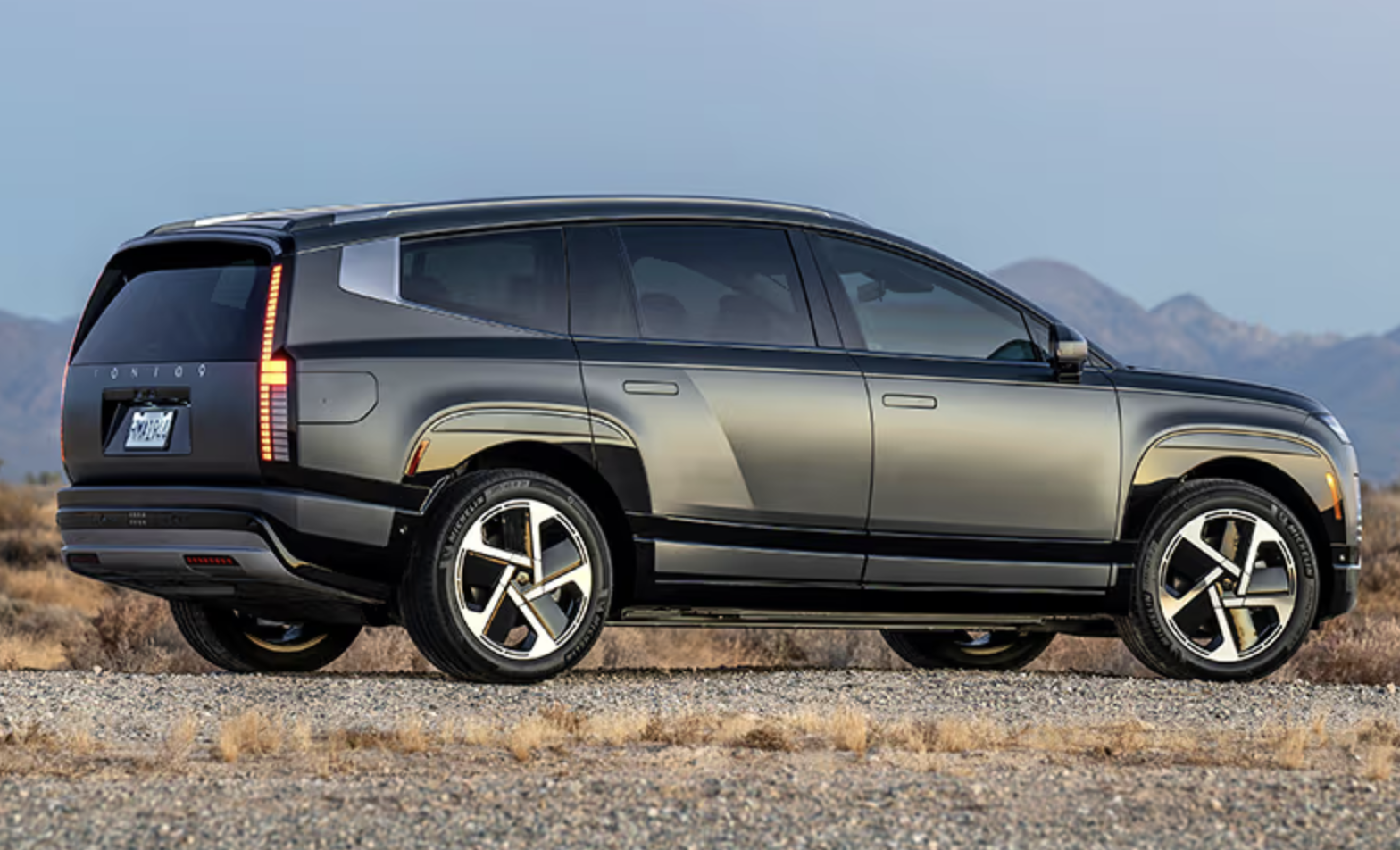
The IONIQ 9 follows Hyundai's Aerosthetic design philosophy, a fusion of aerodynamics and aesthetics, and the result is genuinely striking. Rather than the boxy, upright shape most three-row SUVs settle for, the IONIQ 9 wears a smooth, boldly aerodynamic body that helps it slip through the air and squeeze more range from every charge. It's a big vehicle that somehow looks sleek rather than slab-sided.
The signature touches are pure modern Hyundai: pixel-style LED lighting front and rear, and a clean, closed-off front grille that quietly announces its electric heart. It's futuristic without trying too hard, the kind of design that turns heads not through aggression but through sheer confidence. Parked next to Nepal's growing crowd of premium EVs, like the Wuling Eksion EV, the IONIQ 9 carries a clear identity all its own.
Interior and Cabin
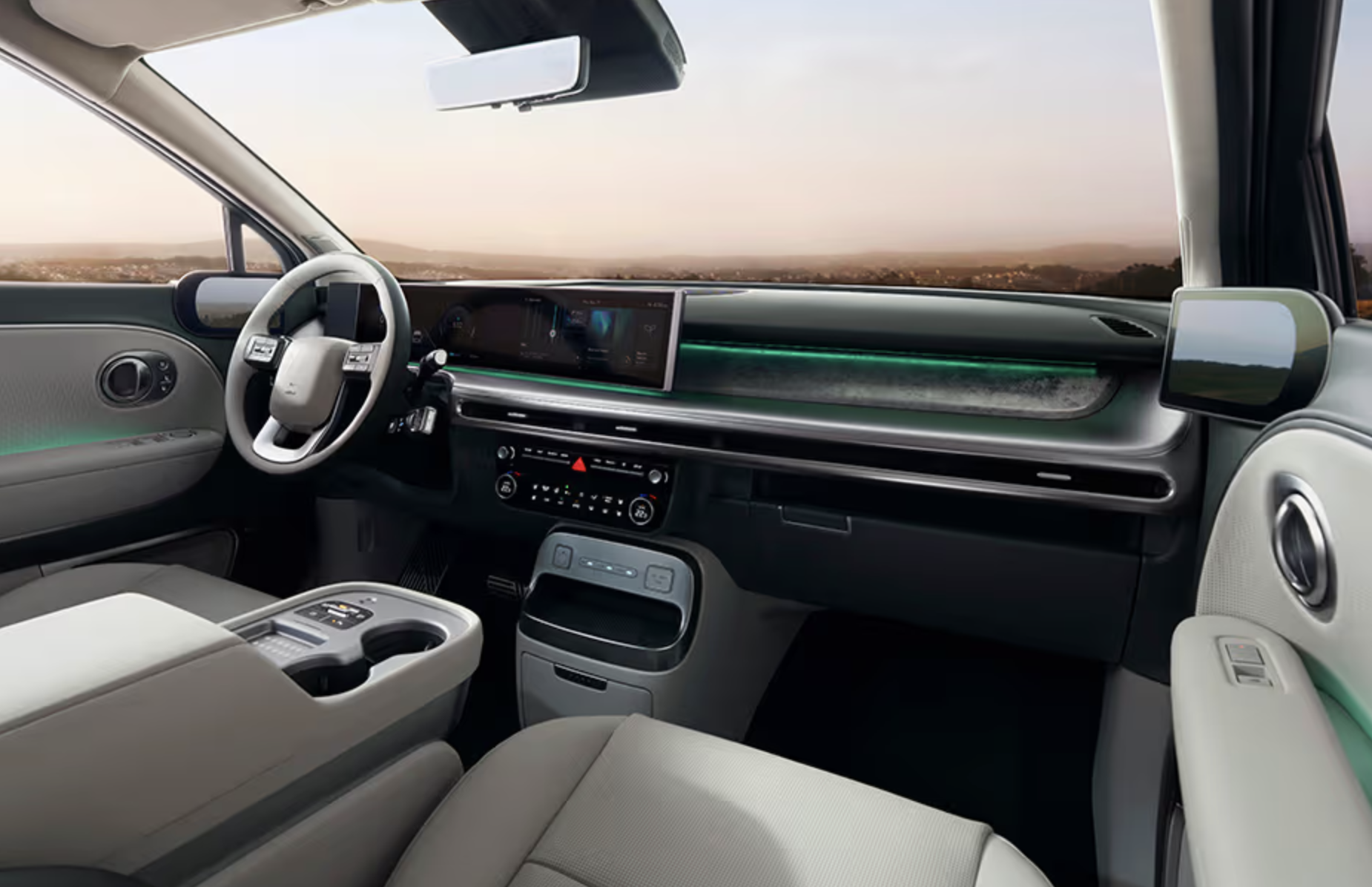
This is where the IONIQ 9 earns its flagship billing. Hyundai describes the cabin as a "home away from home," and it's not just marketing fluff. The interior is built around a lounge-like atmosphere, with a fully flat floor, calming tones and natural light pouring in through the panoramic sunroof. There's genuine space here, with ample room across both the second and third rows, making that third row usable for adults rather than a punishment for the smallest passenger.
Up front, dual panoramic 12.3-inch displays anchor a digital cockpit, joined by premium materials and comfort-focused seats. Depending on configuration, the IONIQ 9 offers captain's chairs or a bench in the second row, and clever touches like a slidable centre console add real flexibility. It's a cabin designed for long journeys, exactly the sort of space that makes a haul from Kathmandu to the Terai feel like a treat rather than a trial.
Performance and Platform
The IONIQ 9 rides on Hyundai Motor Group's E-GMP, the dedicated Electric-Global Modular Platform that underpins the brand's best EVs. Crucially, it uses an 800-volt electrical architecture, the same high-voltage tech found in far pricier performance EVs, which unlocks both rapid charging and efficient power delivery.
The Nepal-spec model pairs a 160 kW electric motor with a large 110 kWh battery. Internationally, the IONIQ 9 is offered in both rear-wheel-drive and dual-motor all-wheel-drive forms, with the AWD setup delivering stronger acceleration and higher torque. That instant, silent electric shove makes a vehicle this size feel effortless to drive, whether you're merging onto a highway or crawling through valley traffic. It's not built to be a corner-carver. It's built to waft, and it does that beautifully.
Range and Charging
Here's the number that matters most for a family flagship: the IONIQ 9 claims up to 620 km on a single charge under the WLTP cycle. That's a genuinely huge figure, enough to wipe out range anxiety for all but the most extreme journeys, and enough to make cross-country trips a realistic proposition rather than a logistical headache.
Charging is just as impressive, thanks to that 800-volt architecture. Hook it up to a 350 kW DC ultra-fast charger and Hyundai claims a 10 to 80 percent top-up in roughly 24 minutes. That's coffee-break territory. The catch, as always in Nepal, is infrastructure, since chargers that are powerful remain rare outside the major hubs. But the car is ready for the network as it grows, and that future-proofing counts for a vehicle you'll likely keep for years.
Features and Safety
The IONIQ 9 comes loaded. On the convenience side you get multi-zone climate control, over-the-air software updates that keep the car improving after purchase, a digital key that turns your smartphone into a key fob, and a 360-degree camera for stress-free parking. International versions pile on even more, from ventilated and massaging seats to a UV-C sterilizer and a premium BOSE sound system.
Safety is comprehensive, built around Hyundai's latest suite of advanced driver assistance systems. Expect the full modern spread of collision avoidance, blind-spot monitoring, adaptive cruise and lane-keeping aids. For a family SUV at this price, that thorough safety net isn't a luxury, it's the baseline buyers rightly expect.
Specifications at a Glance
Specification | Detail |
Type | Seven-seat electric SUV |
Platform | E-GMP, 800-volt architecture |
Motor (Nepal-spec) | 160 kW |
Battery | 110 kWh |
Claimed Range (WLTP) | Up to 620 km |
Fast Charging | 10-80% in ~24 min (350 kW DC) |
Drivetrain | RWD / AWD (by market) |
Displays | Dual 12.3-inch panoramic |
Climate | Multi-zone |
Key Features | OTA updates, digital key, 360-degree camera |
Safety | Full ADAS suite |
Price in Nepal
At Rs 2.19 crore, the IONIQ 9 plants itself firmly in premium flagship territory. That's a serious sum, but it buys a genuinely cutting-edge package: a huge, comfortable seven-seat cabin, class-leading range, ultra-fast charging and a badge with real credibility in the EV world. Hyundai is betting that buyers who want a no-compromise electric family SUV will see the value. For a sense of how the rest of Nepal's high-end electric market is shaping up, the arrival of badges like the Hongqi E-HS4 shows just how quickly the premium segment is filling out.
Conclusion
The Hyundai IONIQ 9 is a statement of intent. It takes everything the brand has learned building award-winning EVs and pours it into a spacious, tech-laden, long-legged family flagship. With up to 620 km of range, blisteringly fast charging and a cabin that genuinely feels special, it makes a compelling case as one of the most complete electric SUVs money can buy in Nepal right now.
The real question is the price. At nearly Rs 2.20 crore, the IONIQ 9 is a serious investment, and it asks buyers to spend big on an electric vehicle in a market where charging infrastructure is still catching up. Is Nepal ready for a flagship EV of this calibre and cost? Hyundai clearly thinks the moment has arrived. The next couple of years will show whether buyers agree.
For more on Nepal's fast-evolving EV market, Autoncell tracks every new launch as it lands.