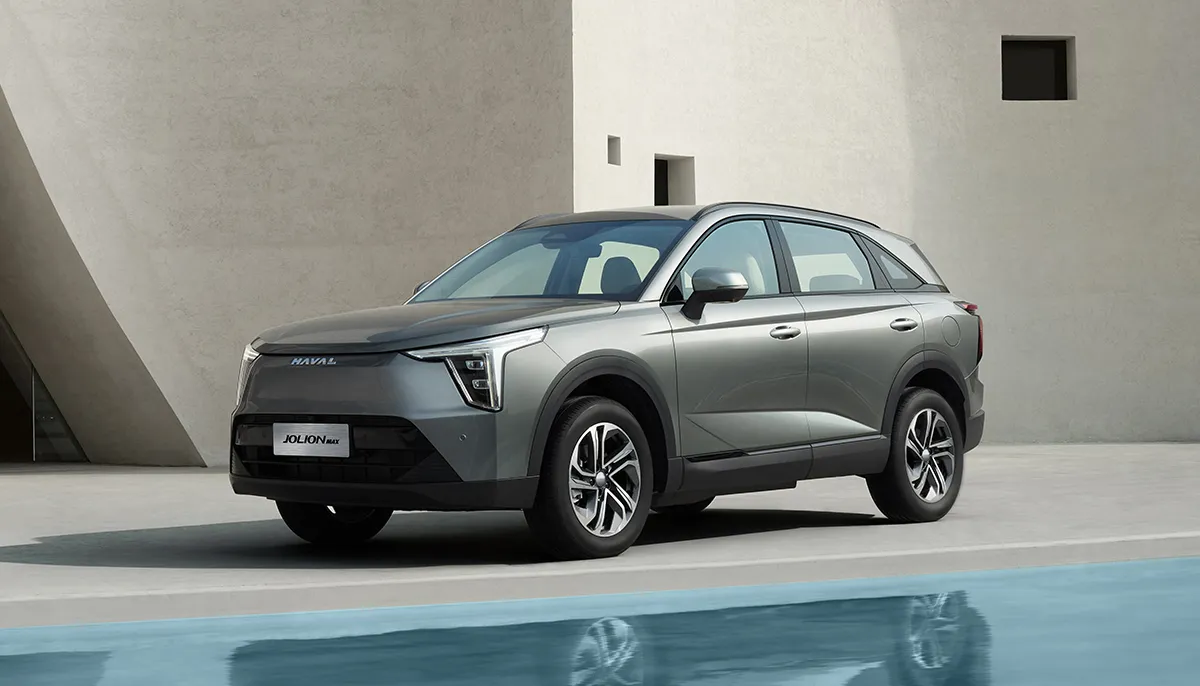
GWM clearly isn't playing around in Nepal anymore. Barely a month after dropping the Ora 5 here, the brand is already back, this time with something bigger, plusher and a whole lot more ambitious. For a market that's used to waiting patiently while new models trickle in years after the rest of the world has moved on, that kind of pace is almost jarring. But it's exactly the point.
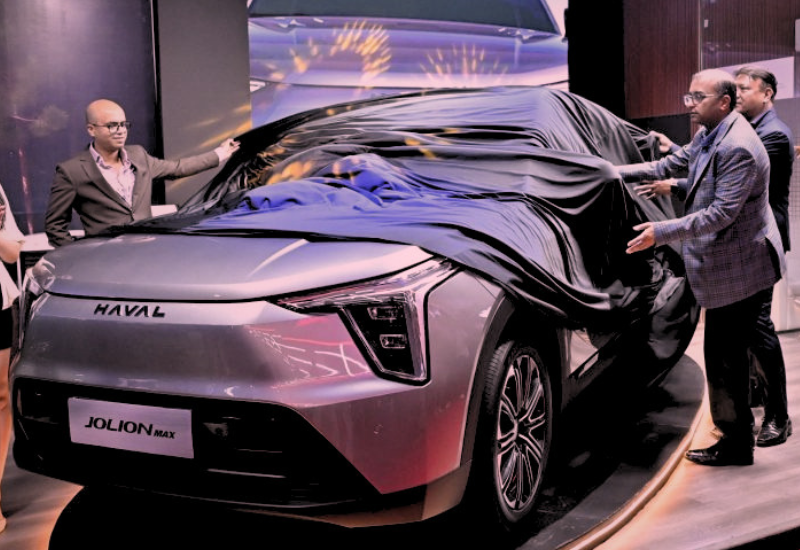
The Haval Jolion Max EV landed at the NAIMA Nepal Mobility Expo 2026 at a special price of Rs 59.99 lakh, and it comes with a bragging right most cars sold here can only dream of. Nepal is just the second market in the world to get it. Think about that for a second. Not the tenth, not the twentieth, the second, ahead of dozens of bigger, wealthier markets that would normally be first in line.
That's not a coincidence, and it's not a throwaway marketing line either. It's a deliberate signal. GWM is telling Nepali buyers that it sees this market as a genuine priority, worth launching a brand-new electric SUV into before almost anywhere else on the planet. And in a segment that's suddenly bursting with Chinese challengers and sharp pricing, that kind of statement carries weight.
So the real question is the one that matters most: does the Jolion Max EV actually live up to all that flattery, or is the "second in the world" headline doing the heavy lifting? Let's take a proper look.
Price in Nepal
The Jolion Max EV joins the Ora 03 and the recently launched Ora 5 in GWM Nepal's growing electric lineup, sitting as the bigger, more upmarket option. On pricing, the special NAIMA launch offer is Rs 59.99 lakh, while regular pricing settles at Rs 57.99 lakh for the Middle variant and Rs 60.99 lakh for the Top variant.
The arrival comes barely a month after GWM introduced the Ora 5 here, which signals a brand pushing hard and fast to plant its flag in Nepal. GWM isn't dipping a toe in. It's diving in, and the pace of launches shows a company betting big on Nepali buyers.
Design
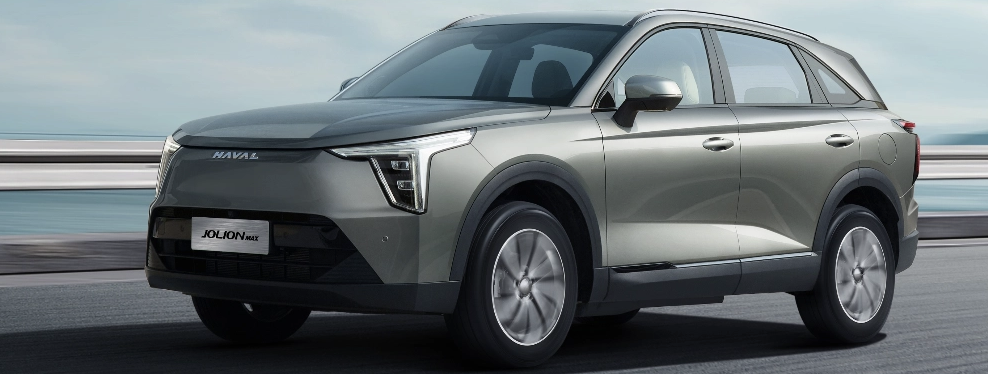
The Jolion Max wears a modern, clean SUV shape that feels current without shouting for attention. It measures 4,590 mm long, 1,877 mm wide and 1,675 mm tall, with a practical 190 mm of ground clearance. That last figure matters here more than it might elsewhere. On Nepal's broken tarmac, potholed side streets and monsoon-flooded roads, that extra clearance is the difference between confidence and constant flinching over every speed bump.
It's a genuinely useful size too, bigger than the compact crossovers it shares a family with, which translates to a roomier cabin and more everyday practicality. This is an SUV built to be lived with, not just admired.
Interior and Cabin
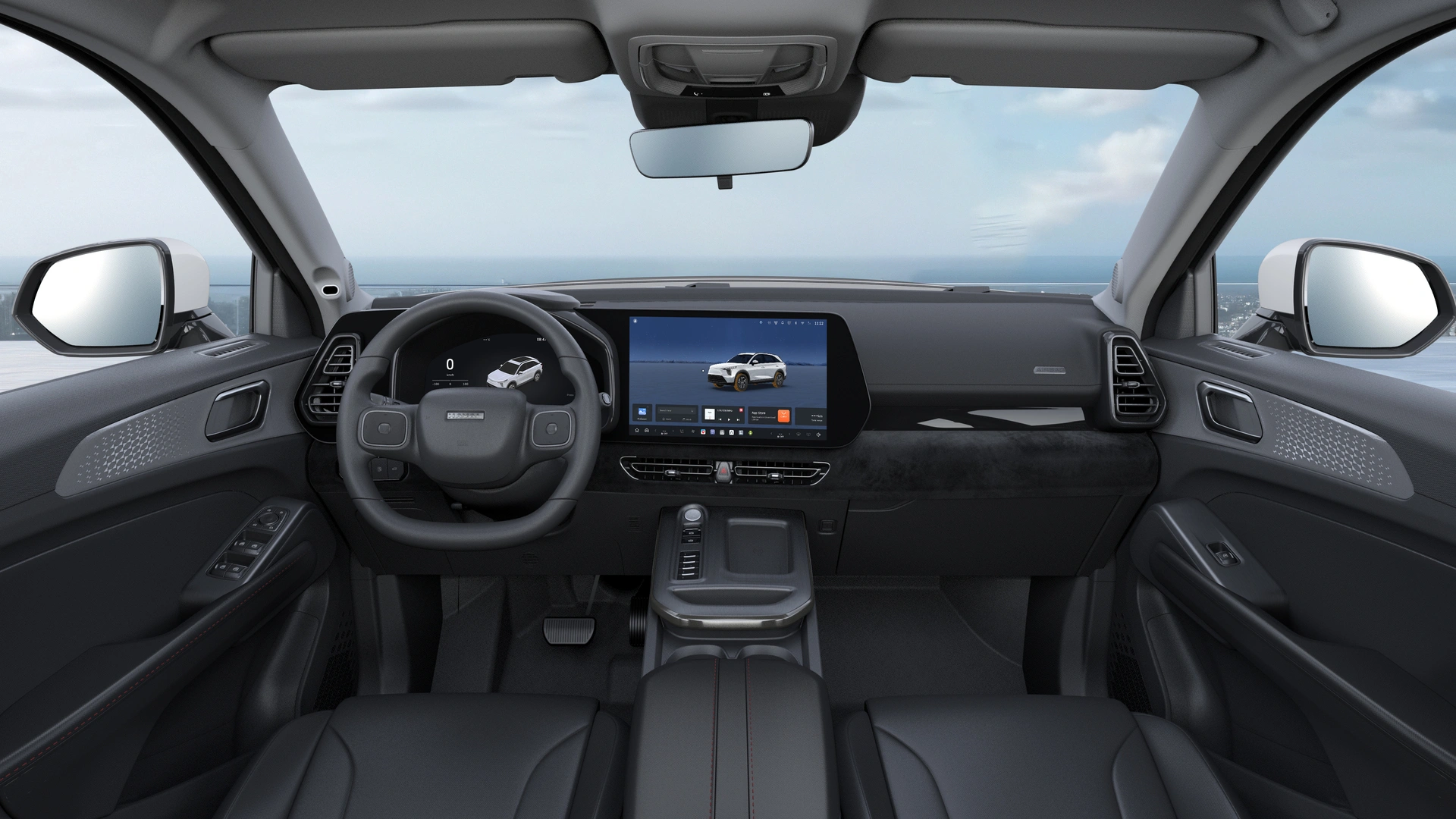
Step inside and the tech does the talking. The dashboard is anchored by a large 14.6-inch touchscreen paired with a 10.25-inch digital instrument cluster, both running Apple CarPlay and Android Auto. It's a clean, screen-forward layout that feels thoroughly modern.
The standard kit is generous. You get automatic climate control, rear AC vents (a genuine blessing for back-seat passengers in the Kathmandu heat), wireless charging, multiple USB ports, a six-speaker audio system, voice recognition and a panoramic camera. Go for the Top variant and it piles on more: a panoramic sunroof, electric tailgate, ventilated front seats, a head-up display and electric passenger seat adjustment. For the money, that's a properly well-appointed cabin, the sort of feature list that used to demand a much fatter budget.
Performance and Range
Under the skin sits a 58.3 kWh lithium iron phosphate battery, and that LFP chemistry is worth noting. It means no cobalt worries and generally better long-term durability and cycle stability than the NMC packs many rivals use. The electric motor produces 150 kW and 260 Nm, sent to the front wheels.
Claimed WLTC range comes in at over 400 km, with some sources putting it north of 420 km. Real-world figures will land lower, as they always do, but that's a comfortable enough buffer for daily commuting and even a valley-to-valley run without white-knuckle range anxiety. It's not built to be a rocket, and it doesn't need to be. It's tuned for smooth, effortless, everyday electric driving, which is exactly what most Nepali buyers actually want.
Charging and V2L
The Jolion Max supports 6.6 kW AC charging and DC fast charging, and GWM has fitted a heat pump to improve efficiency across varying conditions, a smart inclusion that helps protect range when temperatures swing.
The standout, though, is Vehicle-to-Load. The car can supply 220V/50Hz power to external devices, effectively turning your SUV into a giant mobile power bank. In a country that still knows its way around a power cut, that's not a gimmick. Picture running appliances during an outage or powering tools at a remote site. It's the kind of feature that quietly earns its keep.
Safety and Driver Assistance
GWM has thrown a serious amount of safety tech at this car. The driver-assistance suite includes Adaptive Cruise Control, Lane Keeping Assist, Lane Change Assist, Forward Collision Warning, Autonomous Emergency Braking, Rear Cross Traffic Warning and Rear Cross Traffic Braking. There's also a driver fatigue monitoring system and a transparent underbody view, which is genuinely handy when you're picking your way over rough ground.
The fundamentals are all present too: ABS, EBD, traction control, ESC, hill assist and hill descent control. Higher variants add extra kit including curtain airbags. It's a comprehensive package that punches above the price, and it keeps the Jolion Max competitive against pricier rivals rather than trailing them.
Specifications at a Glance
Specification | Detail |
Battery | 58.3 kWh LFP |
Motor | 150 kW, 260 Nm (FWD) |
Range (WLTC, claimed) | Over 400 km |
AC Charging | 6.6 kW |
DC Charging | Yes (fast charging) |
Heat Pump | Yes |
V2L | Yes (220V/50Hz) |
Length | 4,590 mm |
Width | 1,877 mm |
Height | 1,675 mm |
Ground Clearance | 190 mm |
Instrument Cluster | 10.25-inch digital |
Touchscreen | 14.6-inch (CarPlay/Android Auto) |
Safety | ADAS suite, ABS, EBD, ESC, hill assist, curtain airbags (higher trims) |
Price in Nepal
Variant | Price |
NAIMA Launch Offer | Rs 59.99 lakh |
Middle (regular) | Rs 57.99 lakh |
Top (regular) | Rs 60.99 lakh |
At around Rs 60 lakh, the Jolion Max EV drops into one of Nepal's most fiercely contested electric brackets, going up against a growing wall of Chinese and established rivals. For a clear sense of how it stacks up against the competition, the comparison of best electric vehicles in Nepal between 40 and 60 lakhs is worth a read, as is the direct MG S5 Luxury vs GWM Ora 5 High matchup, which shows just how differently these mid-price electric SUVs behave.
Conclusion
The GWM Haval Jolion Max EV is a confident, well-rounded package. Modern design, a genuinely loaded cabin, sensible real-world range, useful V2L and a deep safety suite, all wrapped up at a competitive price. That "second market in the world" detail isn't just marketing fluff either. It's a real signal that GWM sees Nepal as a priority, not an afterthought.
The bigger question is the one that hangs over every ambitious new brand here: can GWM build the service network and after-sales trust to match its rapid launch pace? The cars are landing thick and fast, and the specs are undeniable. But in Nepal, reputation is earned over years, not expos. Whether GWM can turn this fast start into lasting loyalty is the story worth watching.
For more on Nepal's fast-moving EV market, Autoncell tracks every new launch as it lands.