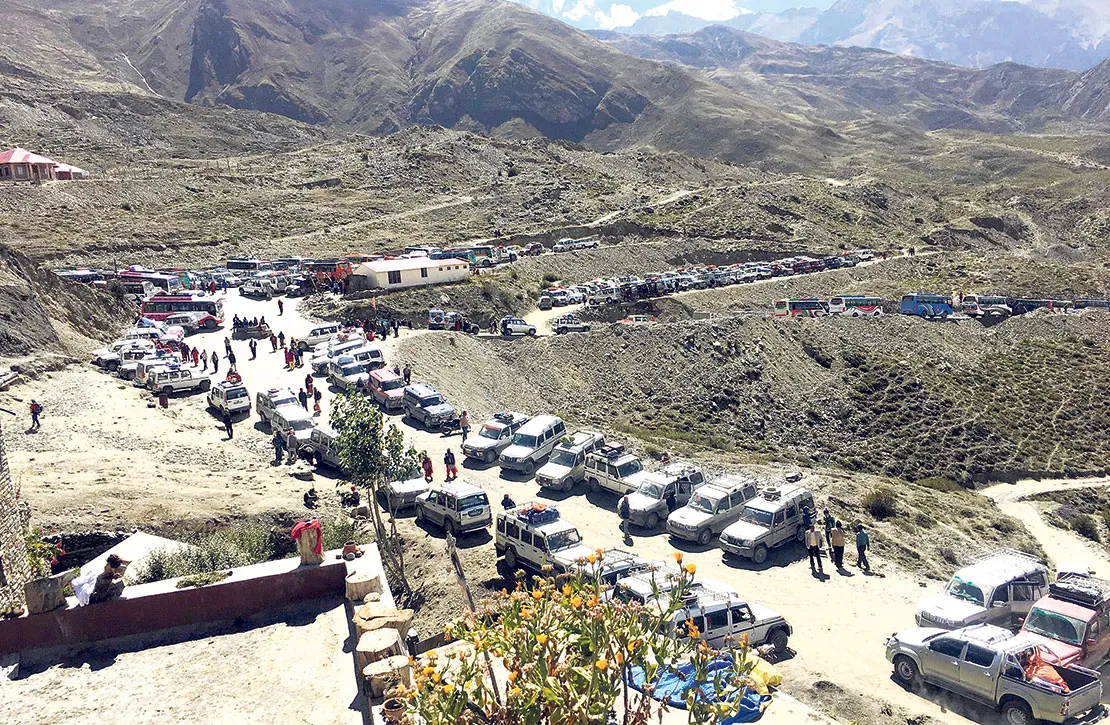
Nepal's electric vehicle pipeline has found a way around the disaster. With the flood-hit Rasuwagadhi and Tatopani border points shut, importers have pivoted to the Korala crossing in Mustang, and the vehicles are once again flowing, just in time for the festive rush.
The switch became necessary after both Rasuwagadhi and Tatopani, the main gateways for vehicles arriving from China, were closed following the devastating Bhotekoshi floods. Rather than let stock sit stranded, importers moved quickly to route shipments through Korala instead. It is exactly the workaround the customs authorities urged the trade to adopt in the immediate aftermath of the disaster, and it appears to be holding up.
Why the Timing Is Critical
The pressure is real. A huge number of vehicles were booked during the back-to-back NAIMA Nepal Mobility Expo and NADA Auto Show across August and September, and buyers are expecting their cars. With Dashain and Tihar approaching, importers cannot afford delivery delays, so Korala has become the lifeline keeping festive-season orders on track.
The scale of the redirection is notable. Some vehicles that already had letters of credit opened for Rasuwagadhi and Tatopani are being diverted through Korala, and importers have started opening entirely new LCs with Korala listed as the customs point from the outset. In other words, this is not just a temporary patch, companies are actively rebuilding their supply chains around the Mustang route.
The Numbers So Far
According to Mustang Customs Office Chief Bidur Chudal, EVs are arriving regularly. A striking 133 EVs reached the customs office in just 22 days and are currently undergoing clearance, with many more reportedly on the way, though the exact figure is not yet confirmed.
"EVs are arriving from China," Chudal said. "Since the beginning of Bhadra, 133 EVs have arrived and are undergoing clearance. We have also been informed that many more vehicles are on the way." To keep pace, the customs office has taken on extra staff to speed up clearance, a sign officials expect the volume to keep climbing.
Korala Was Already Proving Itself
This is not Korala's first test. The route has quietly been growing in importance. In the first month of the current fiscal year alone, 100 EVs came through the crossing, and more than 700 EVs had been imported through it before the new budget landed on May 29, 2026.
The bigger picture is even more telling. The government brought the Mustang Customs Office into regular operation from September 16, 2025, precisely because earlier floods and landslides had disrupted the Tatopani and Rasuwagadhi routes. Over the past year, around 3,000 EVs were imported through Korala, generating roughly Rs 692 crore in revenue. That track record is exactly why the route could absorb the sudden surge when the main borders closed.
Which Brands Are Coming Through
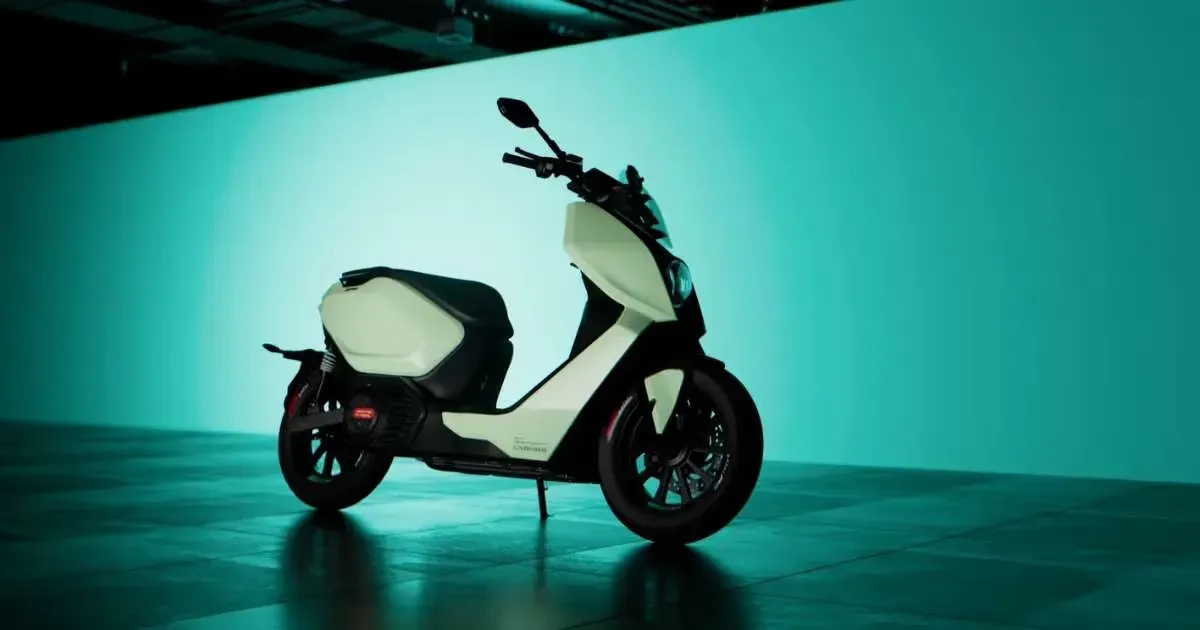
A broad spread of electric brands is now flowing through Korala, underlining how central the route has become to Nepal's EV trade. The list includes some of the biggest names in the market: BYD, Leapmotor, Jaecoo, Omoda, Chery, Nammi and MG. Many of these are the same brands that dominated the recent expo halls and are now racing to fulfil the bookings those shows generated.
Conclusion
The Korala story is a rare piece of good news in the flood's grim aftermath. A route that was upgraded out of necessity a year ago has now stepped up as the auto trade's escape valve, keeping Chinese EVs moving into Nepal when the main corridors failed. For importers staring down festive-season deadlines and for buyers waiting on their new cars, that matters enormously.
The open question is capacity. Korala is handling the load for now, but whether a single high-altitude crossing can carry the full weight of Nepal's EV imports over the longer term, especially if Rasuwagadhi stays closed, is the real test ahead.
For continuing coverage of the flood's impact on Nepal's auto sector, Autoncell is following the story as it develops.