The electric scooter market isn’t just growing anymore; it’s evolving fast. And if you’ve been following the space lately, one thing is clear: the old leaders are being challenged, and new dynamics are shaping the future.
At the center of this shift are two familiar names, TVS Motor Company and Bajaj Auto, both of which are now dominating the EV scooter segment like never before in the Indian market.
A Market No Longer Led by Startups
Not too long ago, the EV scooter space was largely driven by newer players. Brands like Ola grabbed headlines and market share quickly. But today, the story has changed.
Legacy manufacturers, companies with decades of trust, dealership networks, and production expertise, are now taking control.
In March 2026, TVS emerged as the clear leader, selling over 38,000 electric scooters and capturing more than 27% of the market. Bajaj followed closely with around 24% share. This isn’t just a temporary spike; it reflects a deeper shift in consumer confidence.
The Top 5 Players Defining the EV Scooter Space in the Indian Market
Right now, five brands are setting the tone for the entire industry:
TVS Motor Company
Bajaj Auto
Ather Energy
Hero MotoCorp (Vida EV lineup)
Ola Electric
Together, they represent the bulk of EV scooter sales, and more importantly, they show how competitive the space has become.
While TVS and Bajaj lead, Ather continues to build a strong niche, Hero is steadily growing, and Ola, once the dominant player, has slipped to fifth place.
Why TVS and Bajaj Are Winning
So, what’s driving this dominance?
It’s not just about launching electric scooters, it’s about doing everything around them better.
1. Trust Still Matters
Buying a scooter is a long-term decision, especially in markets like India and Nepal. Brands like TVS and Bajaj already have years of credibility behind them.
2. Strong Dealer Networks
Unlike newer companies, these brands have widespread service centers, something EV buyers now prioritize heavily.
3. Practical Products
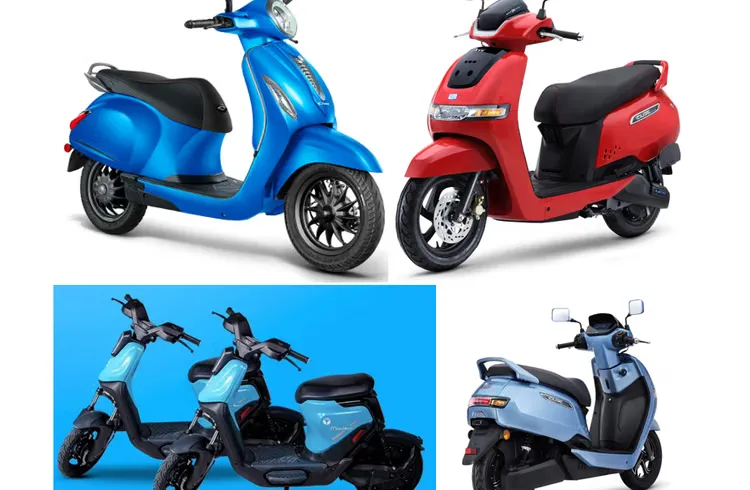
Models like the TVS iQube and Bajaj Chetak Electric focus on real-world usability, decent range, reliability, and comfort, rather than just flashy features.
4. Expansion Beyond Metro Cities
Growth is no longer limited to big cities. Smaller towns are now driving demand, and traditional brands are better positioned to reach them.
What Happened to Ola?
Just a year ago, Ola Electric was leading the EV scooter race. But things have changed.
Sales have dropped significantly, and the brand now sits in fifth position. The reasons? A mix of delivery delays, service concerns, and rising competition from more established players.
This doesn’t mean Ola is out of the race, but it does show how quickly things can shift in this market.
The Bigger Picture: A New EV Era
What we’re seeing now is not just a change in rankings, it’s a transformation of the entire EV ecosystem.
Consumers are becoming more practical
Service and reliability matter more than hype
Legacy brands are adapting faster than expected
And most importantly, competition is making everything better.
Conclusion
The EV scooter market has officially entered its most exciting phase yet. TVS and Bajaj aren’t just leading, they’re redefining what success looks like in this space. Meanwhile, brands like Ather, Hero, and Ola are pushing innovation and keeping the competition alive.
For buyers, this is the best possible scenario. More choices. Better products. Stronger competition.
And if this trend continues, the future of electric mobility looks not just promising, but unstoppable.
-original.webp)