In a striking development, Tesla has recorded a massive 91 percent year-on-year surge in its February 2026 sales in China, emerging as a clear outlier in an otherwise slowing electric vehicle market.
At a time when demand is softening and several automakers are struggling to maintain momentum, Tesla’s performance signals more than just a temporary spike, it reflects a deeper strategic advantage in one of the most competitive automotive markets in the world.
Model Y Dominates, Model 3 Holds Strong
Tesla’s Shanghai Gigafactory delivered nearly 58,600 vehicles to Chinese customers in February. Leading the charge was the Model Y, which alone accounted for over 41,000 units, making it the best-selling EV in the country for the month.
The Model 3 also maintained solid traction, contributing more than 17,000 units to the total. Together, these two models continue to anchor Tesla’s dominance in China’s mid-to-premium EV segment.
Despite increasing competition from significantly cheaper alternatives, Tesla’s pricing has not deterred buyers. Instead, it continues to attract consumers who are looking beyond just affordability.
Market Slowdown Hits Domestic Leaders
Tesla’s growth comes at a time when China’s EV market is undergoing a noticeable slowdown. Overall new-energy vehicle sales declined in February, reflecting weaker demand following the reduction of government subsidies at the end of 2025.
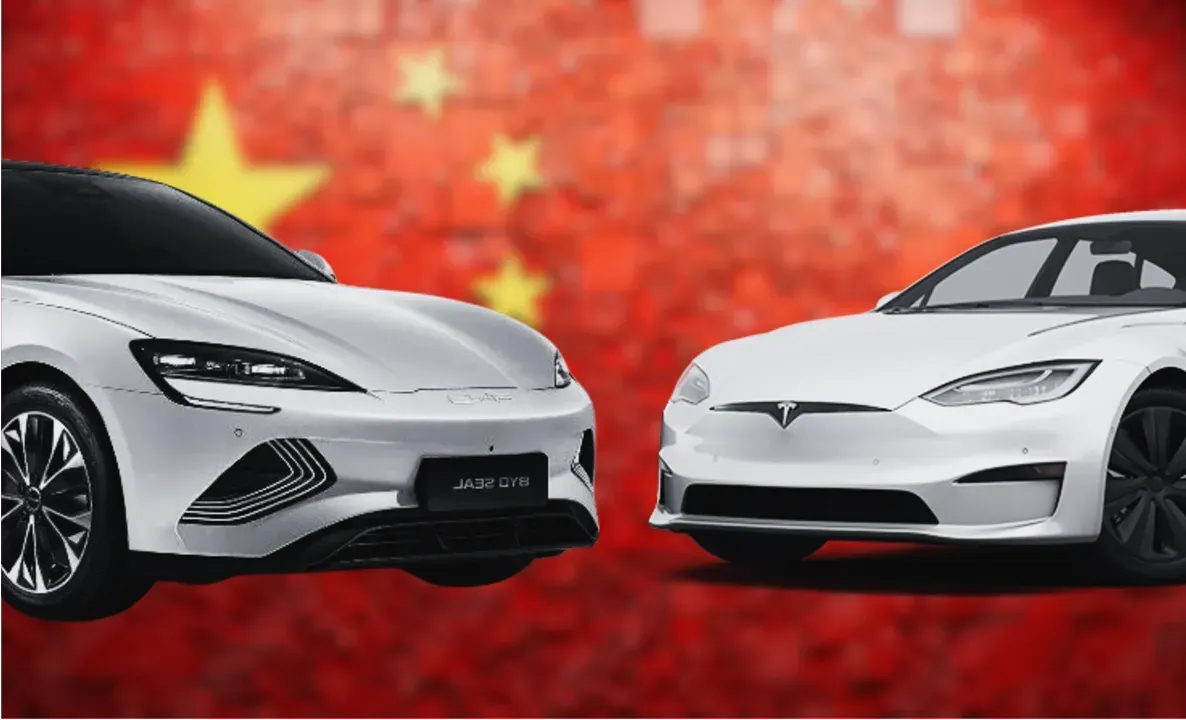
Even major domestic manufacturers faced sharp setbacks. BYD, widely considered the global leader in EV volume, saw its sales drop by more than 40 percent compared to the same period last year.
This contrast highlights a growing divide in the market, where some brands are losing pace while others are adapting quickly to changing conditions.
Smart Strategy Over Price Cuts
One of the key reasons behind Tesla’s strong performance lies in its shift away from aggressive price cuts.
Instead of further reducing prices in an already intense price war, Tesla introduced flexible financing options, including zero-interest and low-interest plans extending up to seven years. Additional insurance incentives have also been rolled out to make ownership more accessible.
This approach lowers the financial burden on buyers without affecting the brand’s premium positioning. In simple terms, Tesla made its cars easier to buy without making them feel cheaper.
Competition Intensifies Across Segments
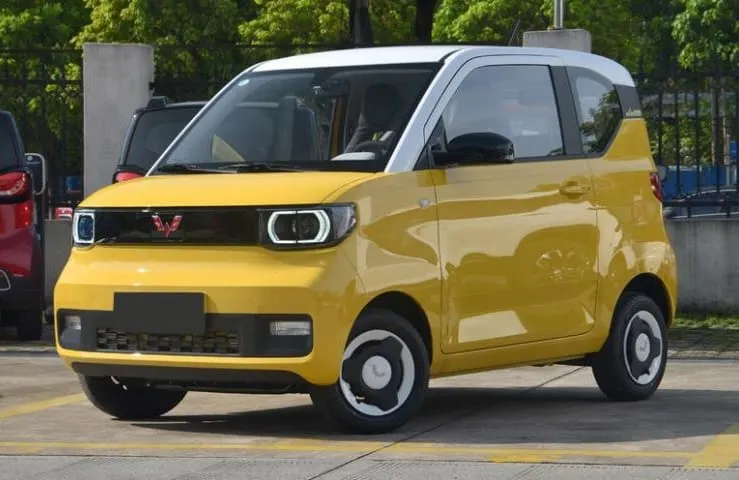
China’s EV market remains fiercely competitive, especially in the lower price segments. Domestic automakers continue to push budget-friendly models that appeal to first-time buyers and price-sensitive consumers.
However, this has created a fragmented landscape. While many brands compete heavily on price, Tesla has stayed focused on value, brand strength, and user experience.
That distinction is now becoming more visible, as consumers increasingly prioritize long-term reliability, technology, and brand trust.
Export Growth Adds Another Layer
Beyond domestic success, Tesla is also strengthening its position as an export powerhouse.
Its Shanghai facility shipped more than 20,000 vehicles overseas in February, marking a sharp increase compared to the previous year. This reinforces Tesla’s role not just as a local player in China, but as a global manufacturing force.
At the same time, Chinese automakers are also expanding internationally, intensifying competition in global markets.
Industry at a Turning Point
The current slowdown in China’s EV market is widely seen as a transitional phase. The earlier rush to take advantage of subsidies created a temporary demand gap in early 2026.
However, what is emerging now is a more mature and competitive market, one where strategy, positioning, and adaptability matter more than ever.
Tesla’s performance reflects this shift clearly.
Conclusion
Tesla’s 91 percent sales growth is not just a short-term win. It represents a calculated response to changing market dynamics, backed by strong product appeal and smart financial strategies.
As the EV industry continues to evolve, the gap between companies that can adapt and those that cannot is becoming increasingly clear.
For now, Tesla has not only weathered the slowdown, but turned it into an opportunity to move further ahead.
-original.webp)

-original.webp)

-original.webp)