The numbers don't lie, Tata Motors just had its best electric vehicle month in history, and the Indian car market is starting to take notice.
June 2026 was not a quiet month for Tata Motors. The company moved 63,083 total passenger vehicles, a 69.41% jump compared to the same month last year. Domestically, 62,076 units were sold , up 67.40% year-on-year. Exports crossed the 1,000-unit mark for the first time in a while, reaching 1,007 units against a mere 154 units a year ago. Month-on-month, domestic sales climbed 5.05% from May's 59,090 units. For a brand that has been aggressively launching products, this is the payoff.
EV Sales
Tata sold 14,800 electric vehicles in June 2026. That is 183% more than the 5,228 EVs it sold in June 2025. In a single year, its monthly EV volumes have nearly tripled. EV penetration hit 23% of total sales, a new high, meaning almost one in every four Tata passenger vehicles rolling out of a showroom is now electric.
Even more telling: one in every three new bookings received during June was for an EV. That is a 33% booking share for electric vehicles, which signals where demand is actually headed regardless of what the industry sceptics keep saying. People are walking into Tata showrooms and choosing electric. That shift is no longer gradual, it is accelerating.
Q1 FY2027 Sales
Zoom out and the picture gets even clearer. Tata Motors sold 1,82,574 total passenger vehicles in Q1 FY2027, a 46.28% increase over the 1,24,809 units sold in the same quarter last year. Domestic volumes for the quarter reached 1,80,166 units. Exports more than doubled.
EV sales during the quarter hit 34,467 units, a 112% year-on-year surge. The company's retail momentum was also reflected in Vahan registration data, which reportedly grew around 40% year-on-year during the quarter, nearly twice the pace of the broader industry. When a single automaker's retail growth is running at double the industry rate, that is not just good performance, that is market share being taken from competitors in real time.
New Launches
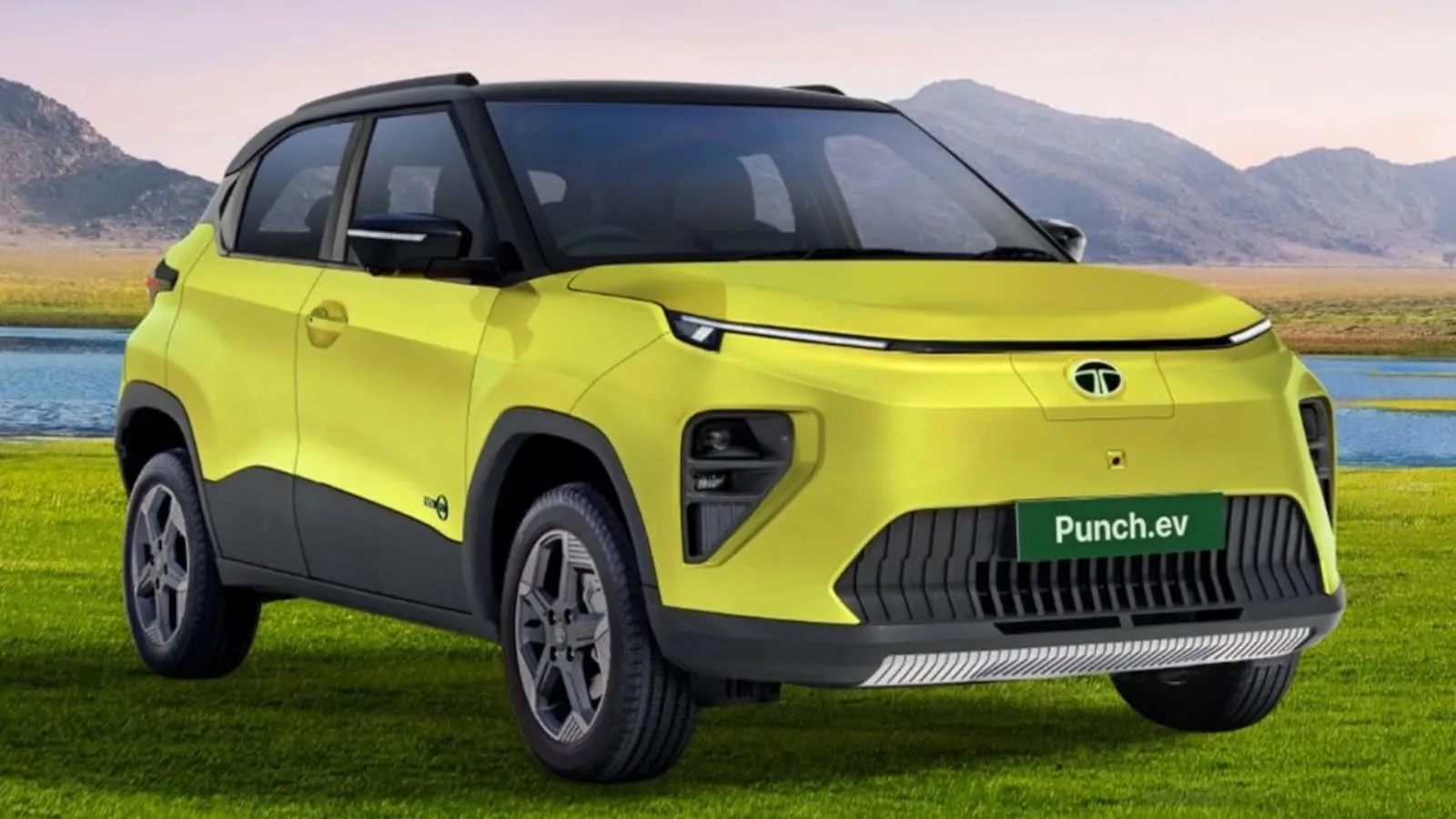
Shailesh Chandra, Managing Director and CEO of Tata Motors Passenger Vehicles, credited the surge to strong customer response and the company's recent refresh cycle. The updated Tiago and Punch, both now available across petrol, CNG, and electric powertrains, reportedly generated overwhelming responses. This multi-powertrain approach is a deliberate strategy, and it appears to be working. Rather than betting exclusively on one fuel type, Tata is letting the customer decide, and customers are choosing electric at a rate no one predicted this quickly.
Sierra Supply Issues
There is one sore point. The Sierra ICE ran into supply-side trouble during Q1, with component shortages from certain vendors constraining deliveries. The company acknowledged it openly rather than burying the news. Chandra confirmed that corrective steps are already underway, and Tata expects Sierra ICE volumes to accelerate from Q2 onward as production scales up.
What keeps the Sierra narrative from becoming a crisis story is the electric version. The Sierra EV launched recently and comes with a 63.75 kWh battery, a claimed range of 500 km, and a 0-100 km/h time of 5.8 seconds. Priced at Rs 18.79 lakh, it has given the Sierra nameplate a credibility boost that the ICE version alone could not have provided. The supply crunch is a short-term operational hiccup. The product itself is not the problem.
Conclusion
Tata Motors enters FY2027 with momentum most automakers would trade anything for. A 23% EV penetration rate, record booking shares for electric vehicles, retail growth outpacing the industry by 2x, and a Q1 that comfortably beats the year-ago period by nearly 50%, these are not incremental gains. This is a structural shift in how Tata competes.
The real question is whether the company can hold this pace when rivals like Hyundai, Mahindra, and an incoming wave of newer EV entrants start pressing harder. For now, Tata has the market's attention. Whether June 2026 ends up being remembered as a milestone or just another strong month depends entirely on what the next few quarters look like.



-original.webp)