Nepal's busiest vehicle import gateway is sending a clear signal: the country's relationship with fossil fuels is changing, faster than anyone expected.
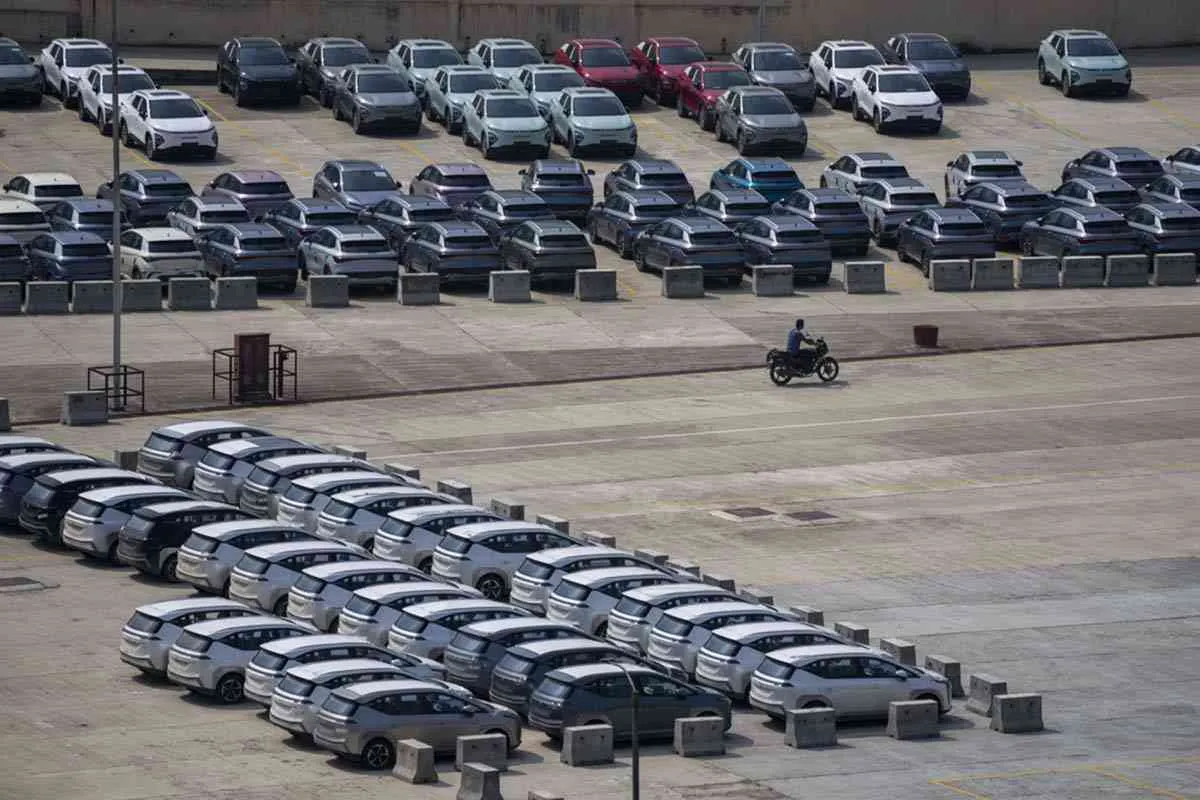
The Birgunj border crossing, which handles the lion's share of Nepal's vehicle imports from India, recorded a dramatic surge in electric vehicle arrivals during fiscal year 2082/83. According to data from the Birgunj Customs Office, overall EV imports through the border jumped by one and a half times compared to the same period the previous year , and the revenue story is even more striking, with customs collection from EV imports nearly two and a half times higher than before.
The Middle-Market Is Driving the Charge
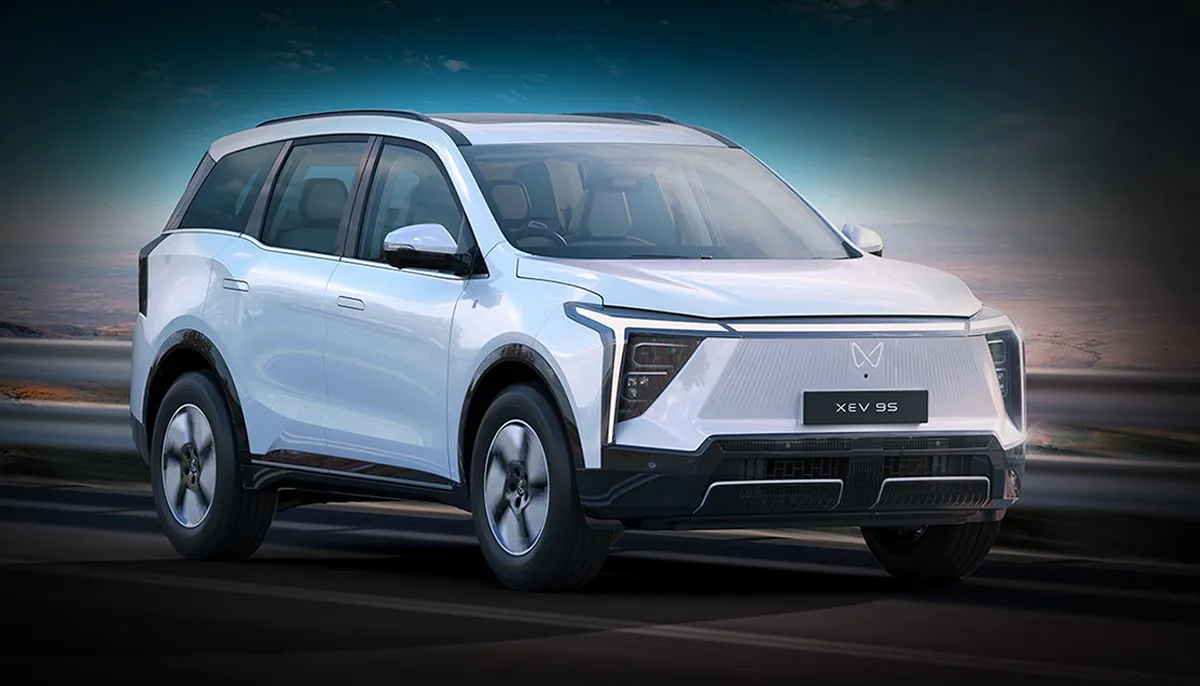
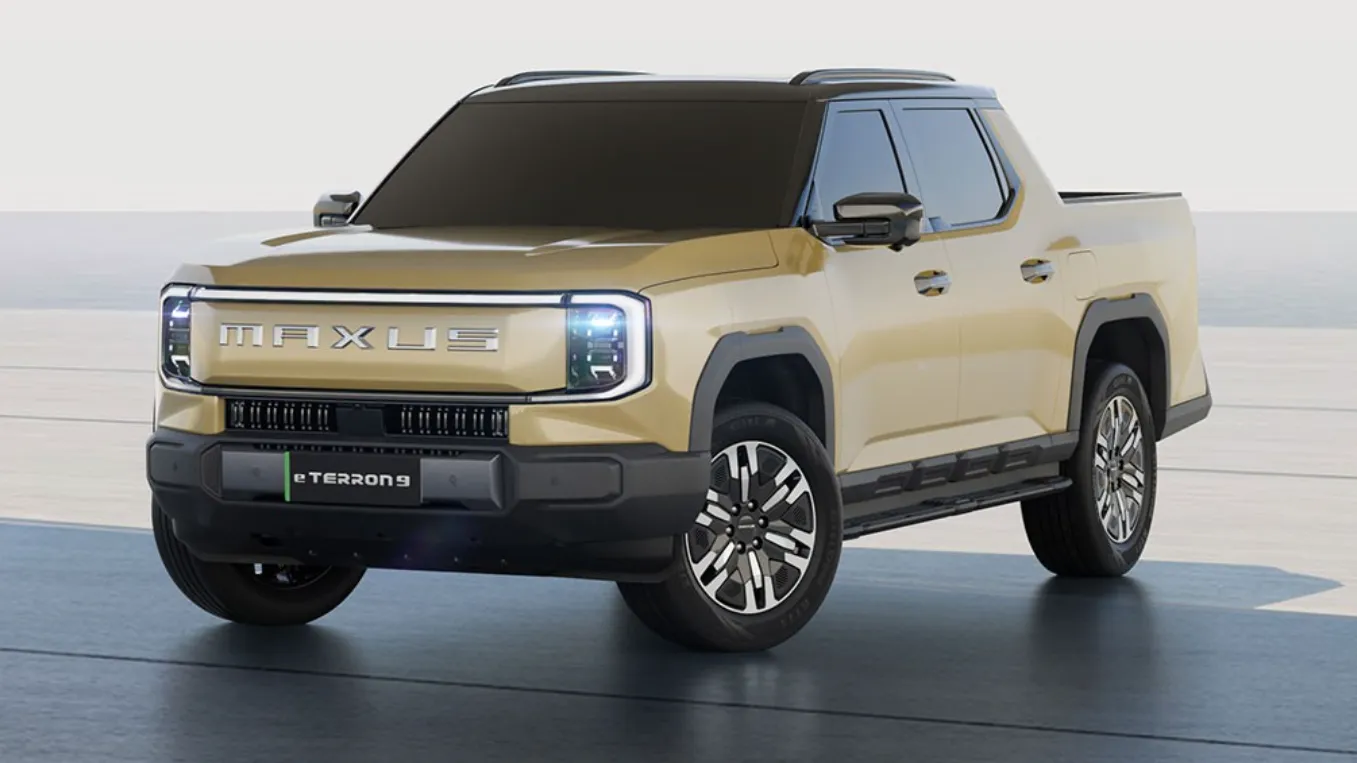
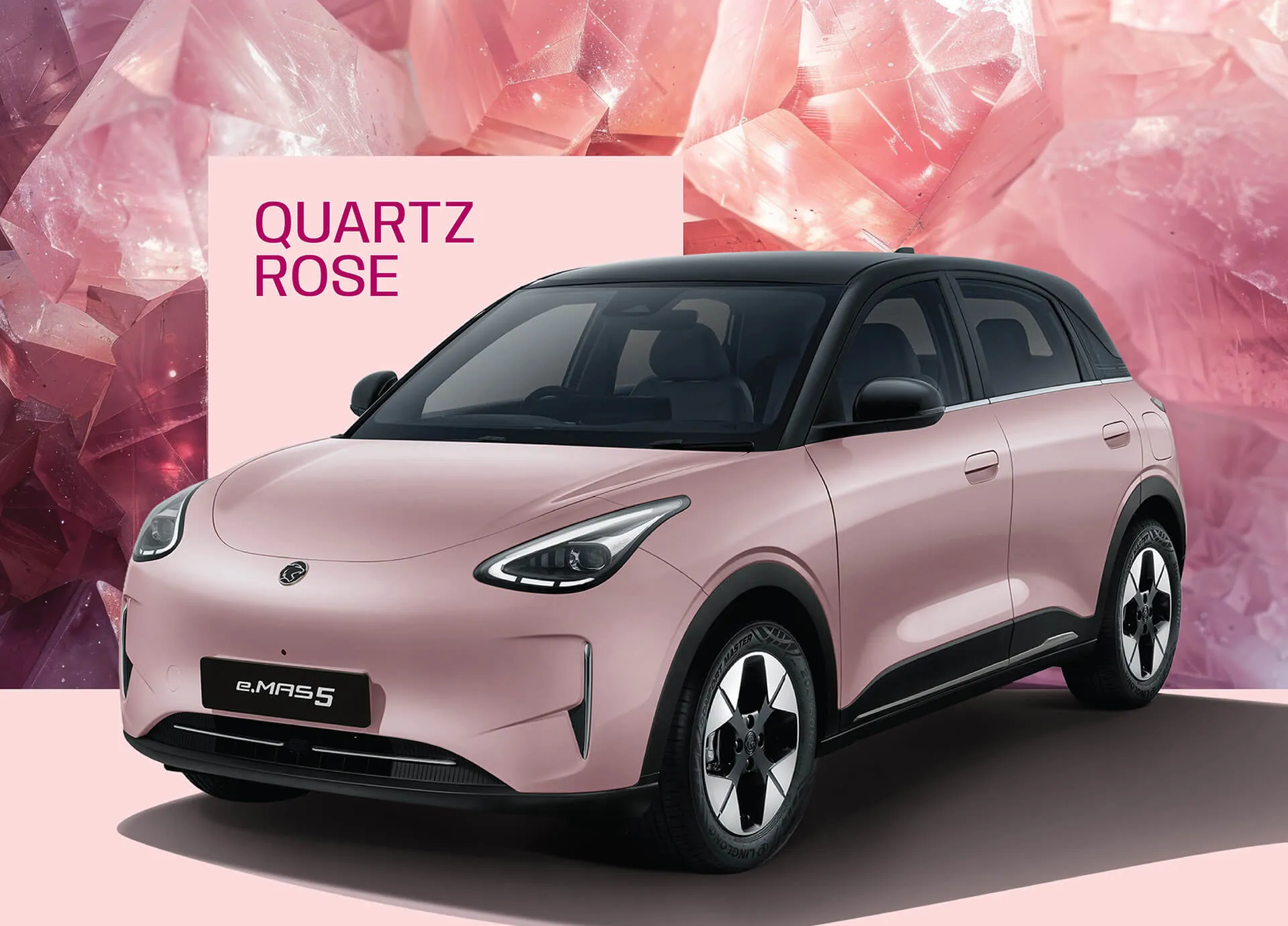
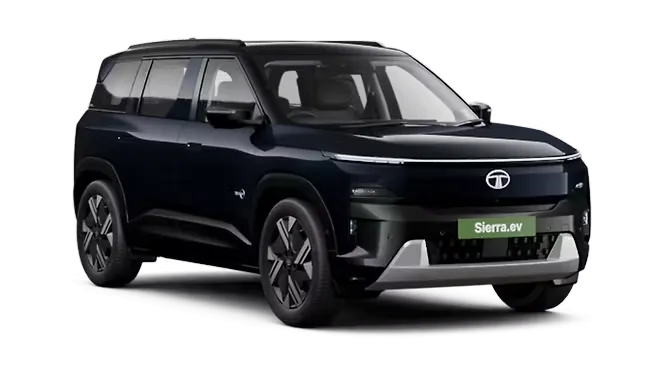
If there's one takeaway from this data, it's that Nepali consumers aren't waiting for affordable luxury EVs, they're buying practical, mid-range ones right now. The most explosive growth category was electric cars, jeeps, and vans with motor capacities between 51 and 100 kilowatts. In the comparable period of the previous fiscal year, just 6 units crossed through Birgunj in that category. This year? 657 units. That's not growth, that's a market being born overnight.
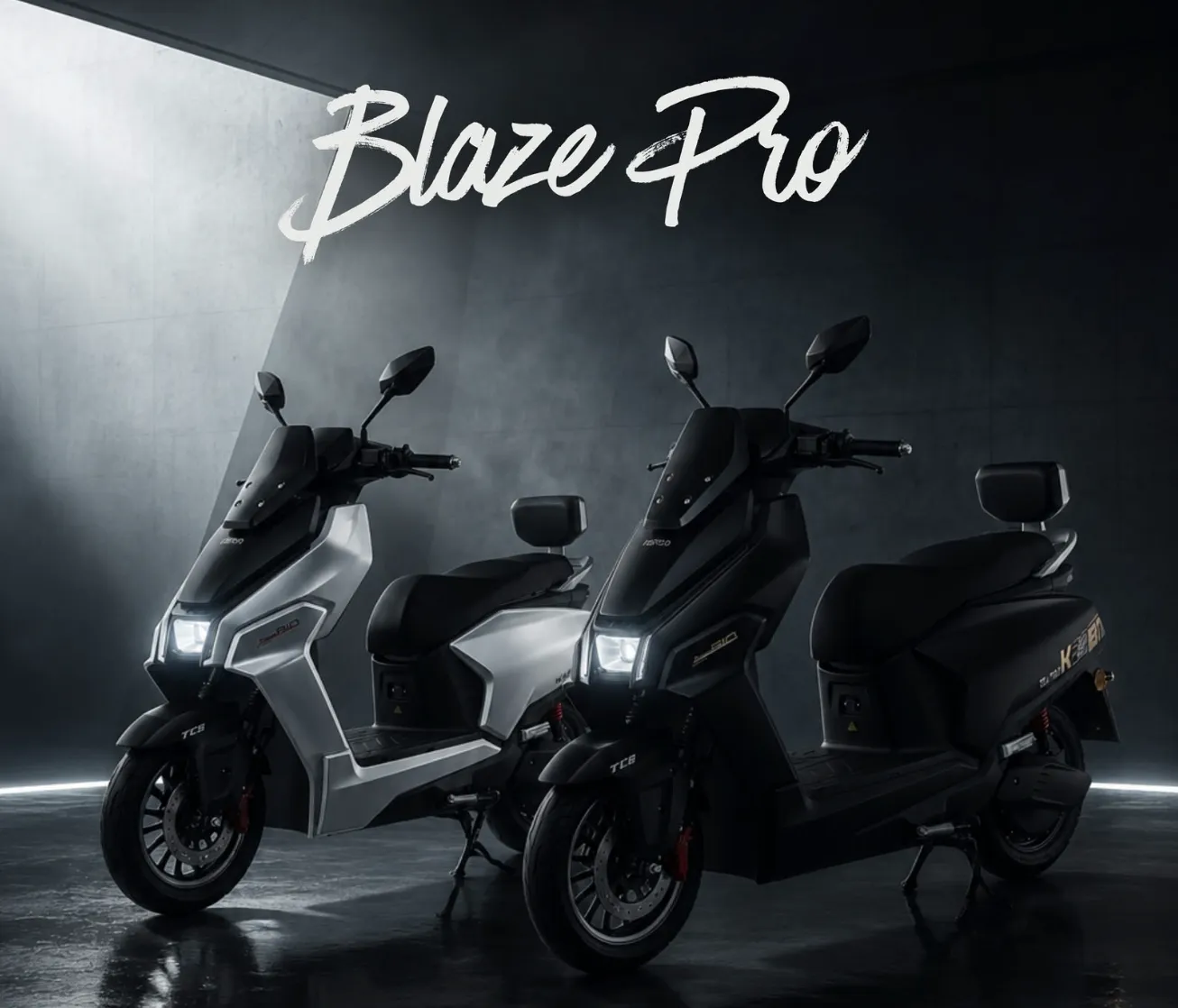
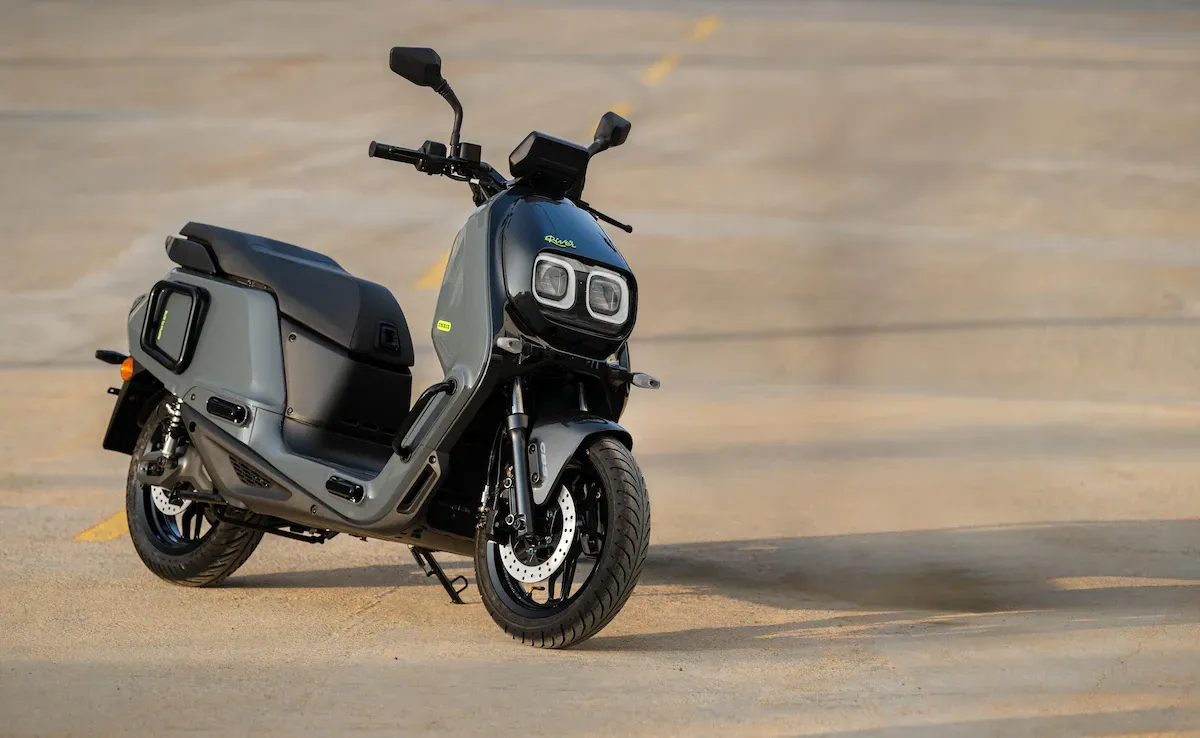
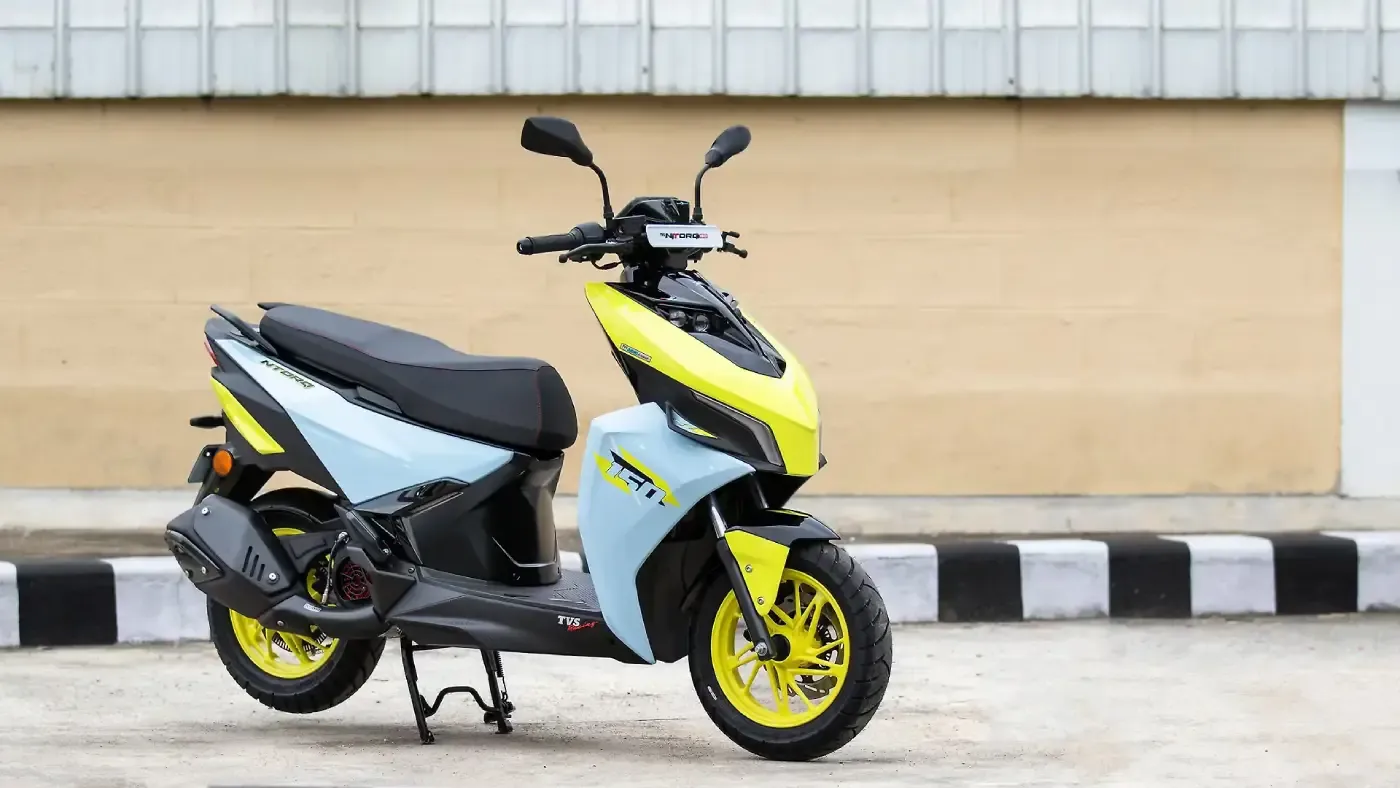
Electric motorcycles and scooters, the backbone of urban mobility in Nepal, nearly doubled as well. Imports rose from 4,834 units last year to 8,867 this fiscal year. For a country where two-wheelers are often the primary mode of daily transport, that shift carries weight far beyond the showroom floor.
Three-Wheelers Tell a Deeper Story
The three-wheeler segment, critical for last-mile and semi-urban transport across the Terai and hill towns, also saw significant movement. Fully assembled electric three-wheelers climbed from 1,133 to 1,654 units. But the more telling figure is in the unassembled (CKD) category: imports of knock-down electric three-wheelers leapt from 640 units to 2,040, a more than threefold increase. Local assembly is scaling up. That's not just consumer demand, that's the early architecture of a domestic industry forming.
The Quiet Death of the Small EV and the Luxury Segment
Not everything went upward. Smaller electric cars, jeeps, and vans under 50 kilowatts saw a dramatic collapse, down from 141 units to just 18. The market appears to be moving past entry-level underpowered EVs toward mid-range vehicles with more practical range and performance. At the other end, high-capacity vehicles above 300 kilowatts also fell sharply, from 15 to just 2 units. Premium EVs remain a niche that Nepal's import economics haven't yet accommodated at scale.
What the Revenue Numbers Actually Mean
Total EV imports through Birgunj reached 15,271 units through April of this fiscal year, generating customs revenue of Rs 2.21 billion. In the same window last year, 9,042 EVs came through, generating Rs 814.7 million. The government collected nearly three times the revenue on roughly one and a half times the volume, a reflection of the shift toward higher-capacity, higher-value vehicles that carry steeper customs duties. Nepal's treasury is benefiting directly from the EV surge, which also makes any future policy rollbacks on EV taxation politically complicated.
What's Fueling This?
Hari Gautam, president of the Birgunj Chamber of Commerce and Industry, points to two drivers: the rising cost of petroleum products and the gradual but real expansion of EV charging infrastructure across Nepal. Both arguments hold up. Petrol and diesel prices in Nepal have remained volatile and high relative to average incomes, making the operating economics of EVs increasingly attractive even when upfront vehicle costs are considered. Meanwhile, charging points are no longer confined to Kathmandu, they've been spreading along major highways and into secondary cities, removing one of the key psychological barriers to EV adoption.
A Border Crossing as a Bellwether
Birgunj isn't just a trade gateway, it's a barometer for where Nepal's consumer economy is heading. The fiscal year 2082/83 data makes clear that EV adoption in Nepal has moved past the early adopter phase. The middle market is buying in. The assembly sector is scaling. Government revenue is following the trend.
The real question now is whether Nepal's charging infrastructure, grid capacity, and domestic policy environment can grow fast enough to meet the demand that's already arrived, or whether the roads will fill with EVs while the ecosystem scrambles to catch up.

-original.webp)