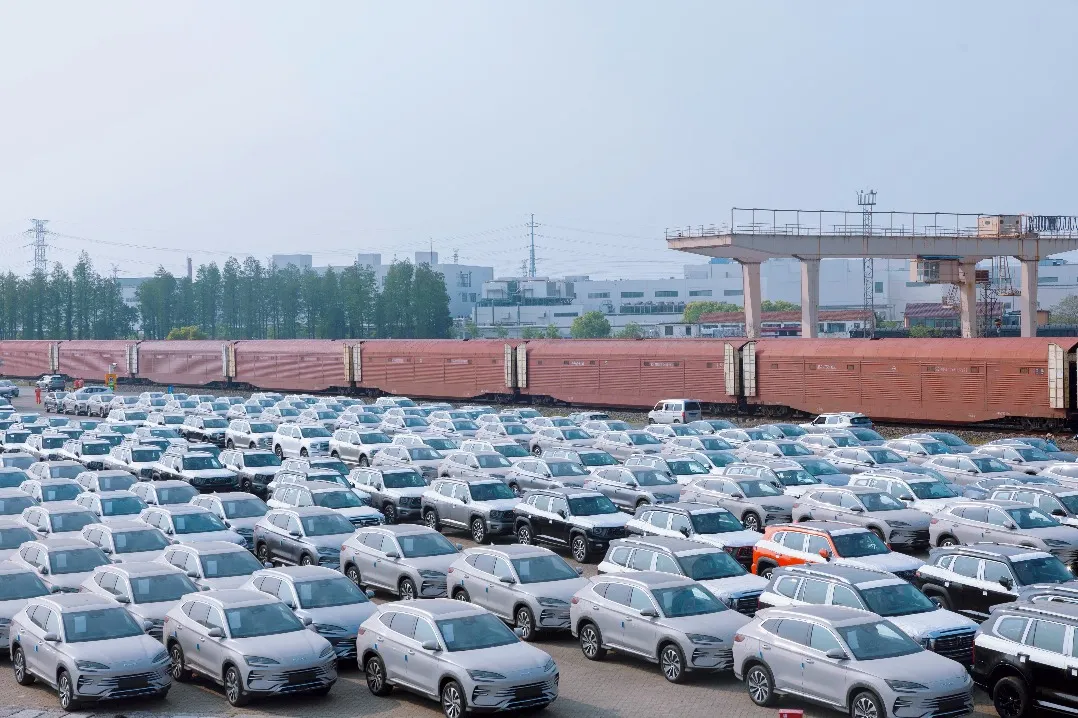
Nepal imported 2,240 electric vehicles in Jestha 2083, pushing the eleven-month cumulative total for the current fiscal year to 10,845 units, according to the latest data from the Department of Customs.
The monthly figure is lower than what the same period delivered in previous years. Jestha of fiscal year 2080/81 saw nearly 2,965 EVs enter Nepal in that single month alone, while Jestha 2082 brought in 3,633 units, the highest single-month Jestha figure on record. This year's tally falls short of both.
Baishakh of the current fiscal year had already brought in 1,892 units, with the ten-month total reaching approximately 9,850 four-wheeler EVs worth Rs. 23.09 billion before Jestha's numbers were added.
The slowdown in EV imports this fiscal year has coincided with a rise in petrol car imports. Over the first eleven months, 4,574 units of petrol vehicles entered the country, a jump of over 21 percent compared to the same period last year, when 3,761 units were recorded. Easier bank financing and a fresh wave of ICE models had been pulling buyers back toward petrol cars for much of the year.
That recovery, however, was cut short. Following military actions targeting Iran, disruptions in global oil supply chains sent crude prices sharply higher. Within ten days, the Nepal Oil Corporation raised petrol by Rs. 30 per litre and diesel by Rs. 25 per litre. Petrol crossed Rs. 172 per litre in Kathmandu and kept climbing since, a shock that hit petrol car demand almost immediately.
China remains the dominant source of EVs entering Nepal, supplying 7,353 of the 9,850 units imported in the first ten months of the fiscal year. India followed with 2,411 units, with smaller volumes coming from Indonesia, South Korea, Germany, Malaysia, and the United States. Most imported EVs fall in the 51–100 kW motor capacity range, the mid-tier segment that covers the bulk of affordable models available in the Nepali market. If you want to know exactly how those tax brackets work under the new budget, we broke it down in detail here: Nepal's New EV Tax Just Made Some Cars Cheaper and Others a Lot More Expensive.
On the policy side, the budget for fiscal year 2082/83 introduced a significant structural change. The kilowatt-based EV tax system was replaced with a new Clean Infrastructure Investment Levy that taxes EVs based on vehicle price, with rates ranging from 2.5 percent for budget models under Rs. 20 lakhs to 130 percent for luxury EVs above Rs. 50 lakhs, on top of a flat 20 percent customs duty.
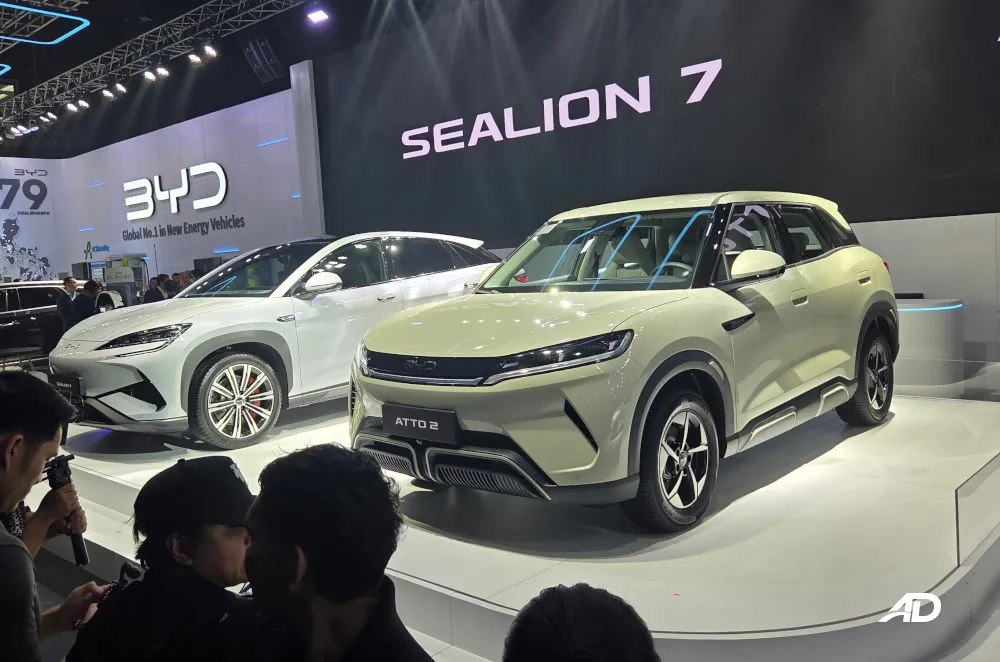
Despite the cost pressures, the Iran conflict pushed EV bookings sharply higher in recent months, with some dealers reporting a jump from fewer than two bookings per day to six or seven, and BYD distributor Cimex Inc. recording 30 to 40 bookings in just two days. You can browse the full range of electric cars currently available in Nepal on our Cars page.
Nepal's EV import numbers may be lower than last year's peaks, but the underlying shift toward electric mobility remains firmly in place. For more Nepal auto news and updates, visit our site Autoncell

-original.webp)