-original.webp)
The government has quietly pushed up annual income tax rates on for-hire vehicles across the board. Owners from taxi operators to heavy equipment contractors are now staring at a bigger bill come renewal time.
Nepal's government has revised the annual income tax rates applicable to commercial and hired vehicles registered or renewed through the Department of Transport Management. The increase applies uniformly, from small taxis and three-wheelers to electric vehicles and heavy construction machinery. The hike ranges between Rs 1,000 and Rs 2,500 depending on the category, and it took effect without significant public consultation or advance notice.
So what does this actually mean on the ground? More cash out of the pocket of vehicle owners every single year, at a time when fuel costs are already squeezing the transport sector and post-COVID passenger volumes in many routes have never fully recovered.
Cars, Jeeps, Vans and Microbuses: The New Slab System
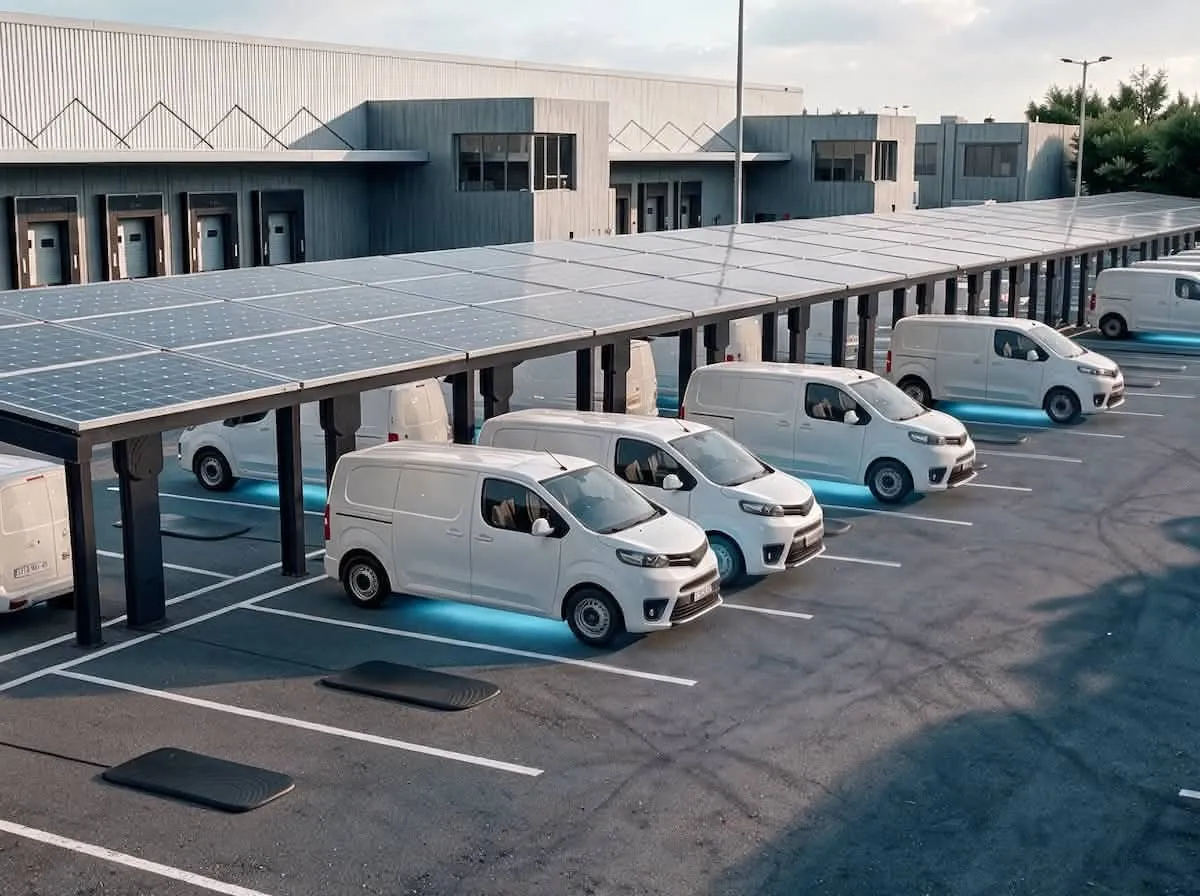
For the most common category, cars, jeeps, vans, and microbuses up to 1300cc, the annual tax has climbed from Rs 5,500 to Rs 6,500. That's a Rs 1,000 jump for the smallest hired vehicles on Nepali roads.
The increases scale up by engine displacement from there:
Engine Capacity | Previous Tax (Rs) | New Tax (Rs) | Increase (Rs) |
Up to 1300cc | 5,500 | 6,500 | +1000 |
1301cc – 2000cc | 6,000 | 7,000 | +1000 |
2001cc – 2900cc | 6,500 | 7,500 | +1000 |
2901cc – 4000cc | 8,000 | 9,500 | +1500 |
Above 4000cc | 9,000 | 11,000 | +2000 |
Across every engine bracket, the hike is consistent: roughly Rs 1,000 to Rs 2,000. It's not catastrophic in isolation, but stacked annually over a fleet of vehicles, it adds up fast.
Trucks, Buses and Heavy Equipment Take the Bigger Hit
Mid-size and large commercial vehicles, the backbone of Nepal's goods movement, are seeing some of the steepest absolute increases.
Mini trucks, minibuses, and water tankers go from Rs 8,000 to Rs 9,500. Mini tippers move from Rs 9,000 to Rs 11,000. Large trucks and full-size buses, which previously paid Rs 10,500, now owe Rs 12,500 annually, a Rs 2,000 jump that transport syndicates are unlikely to absorb quietly.
At the top end of the scale, heavy machinery, including dozers, excavators, loaders, rollers, cranes, oil tankers, gas bullets, and tippers, goes from Rs 15,500 to Rs 17,500. These are vehicles used in construction and industrial sectors, and the cost will almost certainly be passed down the supply chain.
Vehicle Type | Previous Tax (Rs) | New Tax (Rs) | Increase (Rs) |
Mini Truck / Mini Bus / Water Tanker | 8,000 | 9,500 | +1500 |
Mini Tipper | 9,000 | 11,000 | +2000 |
Large Truck / Full-Size Bus | 10,500 | 12,500 | +2000 |
Dozer, Excavator, Loader, Roller, Crane, Oil Tanker, Gas Bullet, Tipper | 15,500 | 17,500 | +2000 |
Small Operators and Agriculture Vehicles Aren't Spared Either
Even the smallest commercial operators, auto-rickshaws, three-wheelers, tempos, and tractors , face a Rs 1,000 increase. Their annual tax moves from Rs 2,500 to Rs 3,500. Power tillers used in agriculture go from Rs 2,000 to Rs 3,000.
For a tempo driver working a fixed route in Kathmandu or a tractor owner farming in the Terai, Rs 1,000 extra a year isn't a rounding error. It's a meaningful cost on a tight margin.
Electric Vehicles Get a Tiered Tax Structure
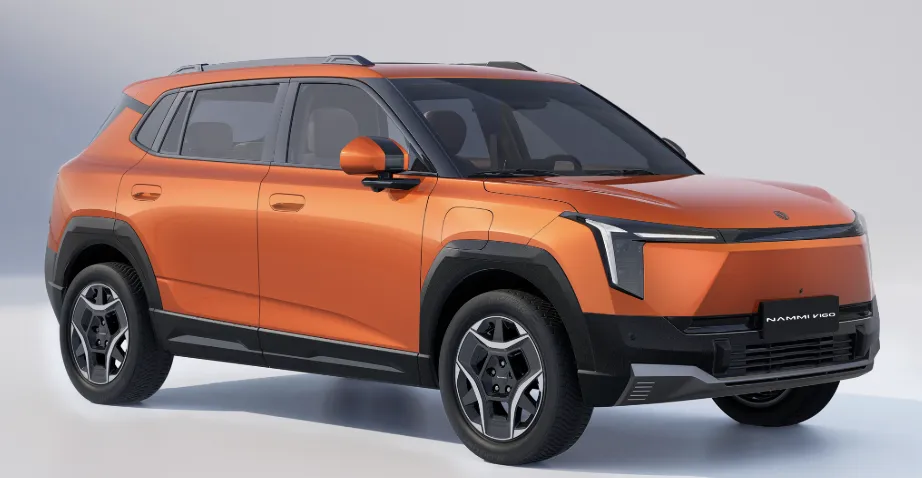
Nepal's push toward electric mobility doesn't exempt EVs from this revision. A new tiered system has been introduced based on kilowatt output:
Up to 50kW: Rs 4,000
50kW to 125kW: Rs 5,000
125kW to 200kW: Rs 7,500
Above 200kW: Rs 9,500
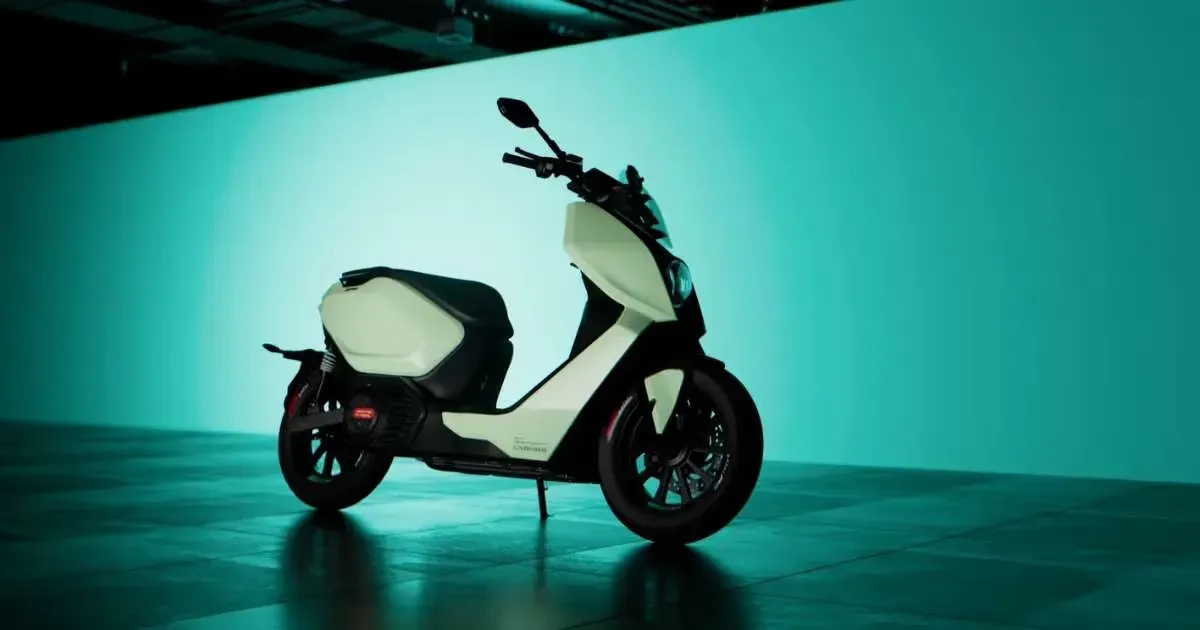
Electric rickshaws (e-rickshaws) are taxed at Rs 3,500 annually, while hired two-wheelers , electric motorcycles and scooters used commercially, are set at Rs 3,000.
The EV rates are lower than their petrol counterparts, which at least preserves some financial incentive to go electric. But it signals that the state sees EVs as part of its revenue base going forward, not just a sector to nurture.
Who Really Pays?
Here's the uncomfortable truth: annual taxes on hired vehicles are rarely absorbed by the vehicle owner alone. They get priced into fares, freight rates, and service costs. The passengers sitting in a microbus from Ratnapark to Kalanki, or the business waiting on a delivery truck , they're the ones who ultimately foot the bill.
Nepal's transport sector has long complained of rising operational costs and a regulatory environment that seems to grow heavier each fiscal year. Whether this tax revision is accompanied by any meaningful improvement in road infrastructure, vehicle inspection quality, or transport management remains the real question.
Raising rates is easy. Delivering value for them is the harder part, and it's where the government's credibility will be tested.