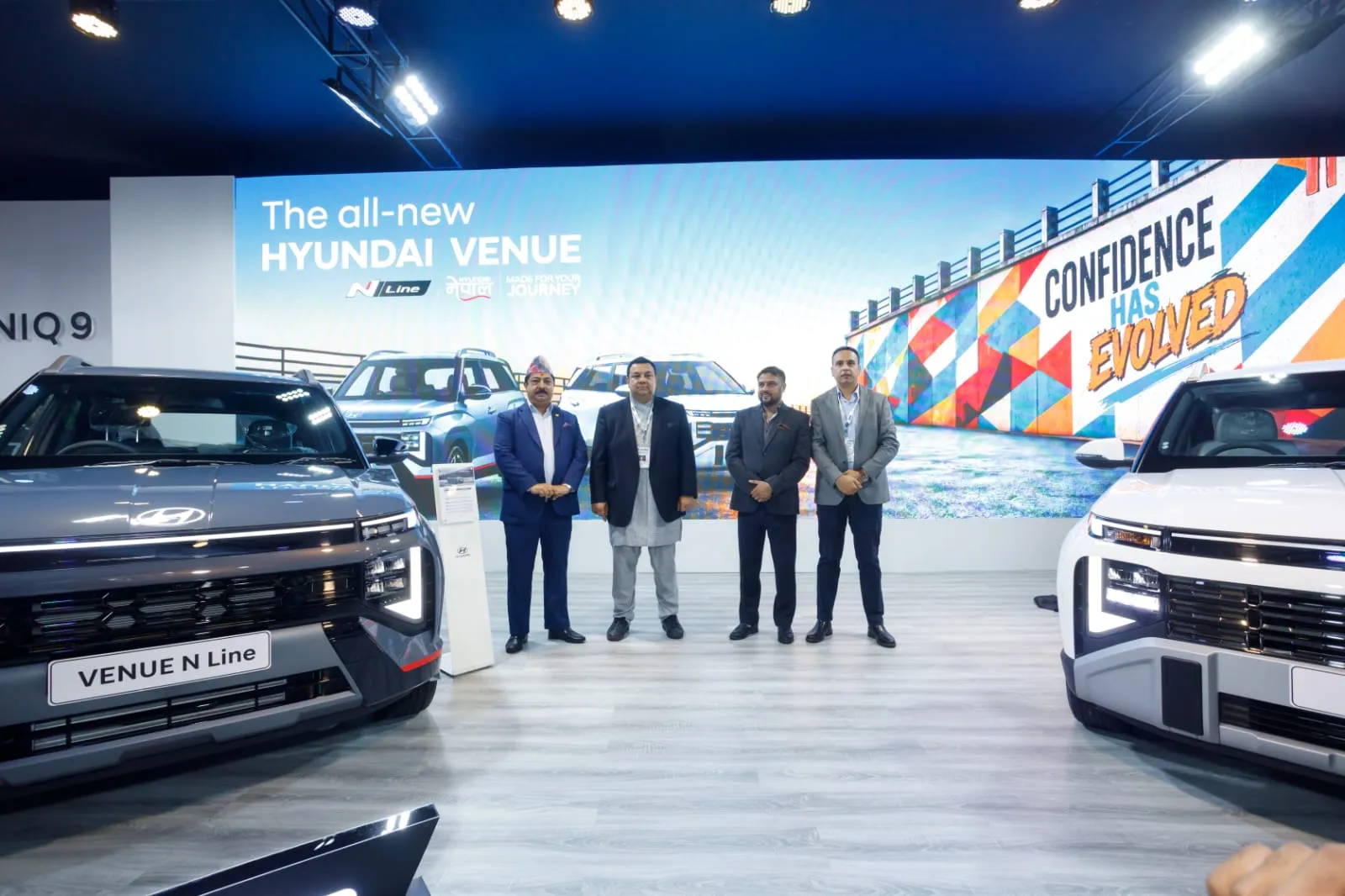
Kathmandu is gearing up for one of its most significant automobile events in years. The Nepal Automobile Importers and Manufacturers Association (NAIMA) has officially confirmed that the NAIMA Nepal Mobility Expo 2026 will open its doors at Bhrikutimandap from Shrawan 26 to 31, six days, starting August 11, that could genuinely shape how Nepalis think about transportation.
55 Brands, One Venue, The Scale Is Real
NAIMA completed the stall allocation through a transparent lottery process, distributing 49 stalls across two categories. Four-wheelers take the larger share with 26 stalls, while two-wheelers and commercial vehicles split the remaining 23. The names showing up are not second-tier players.
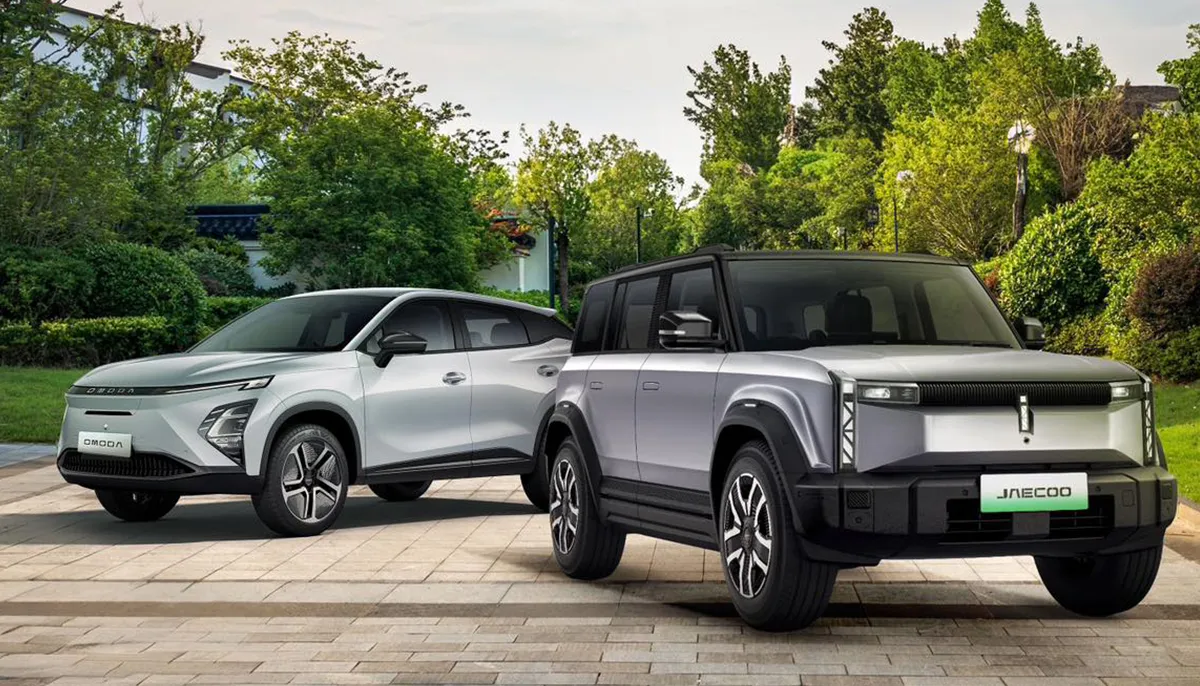
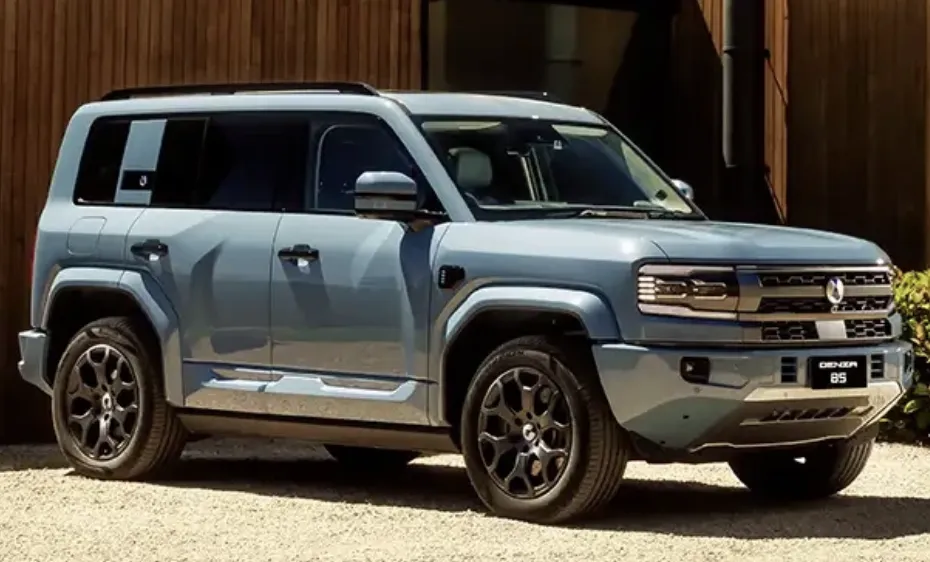
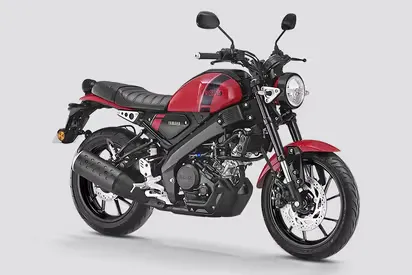
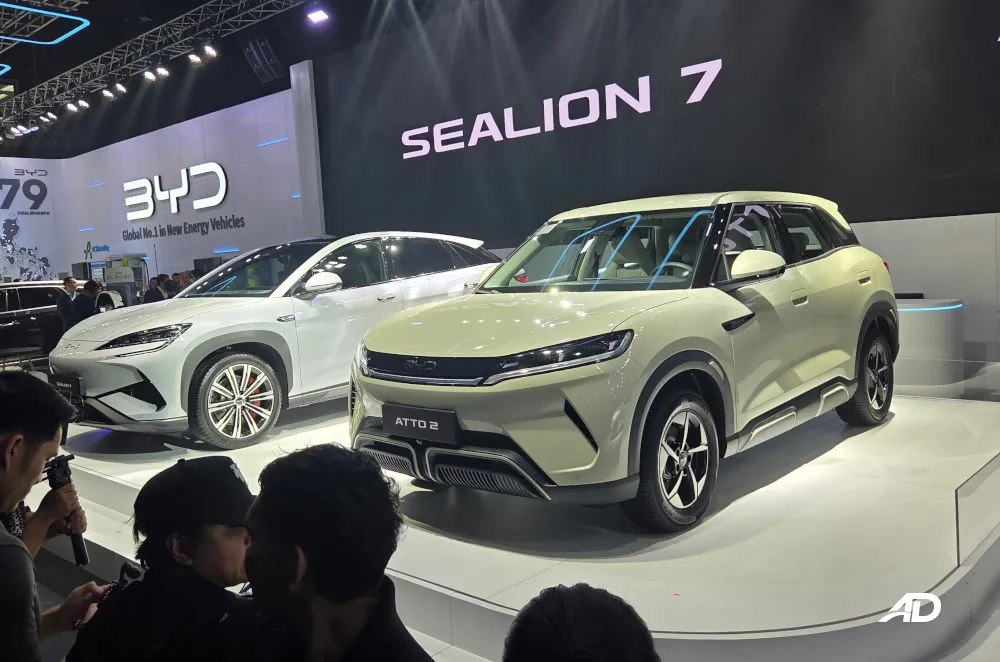
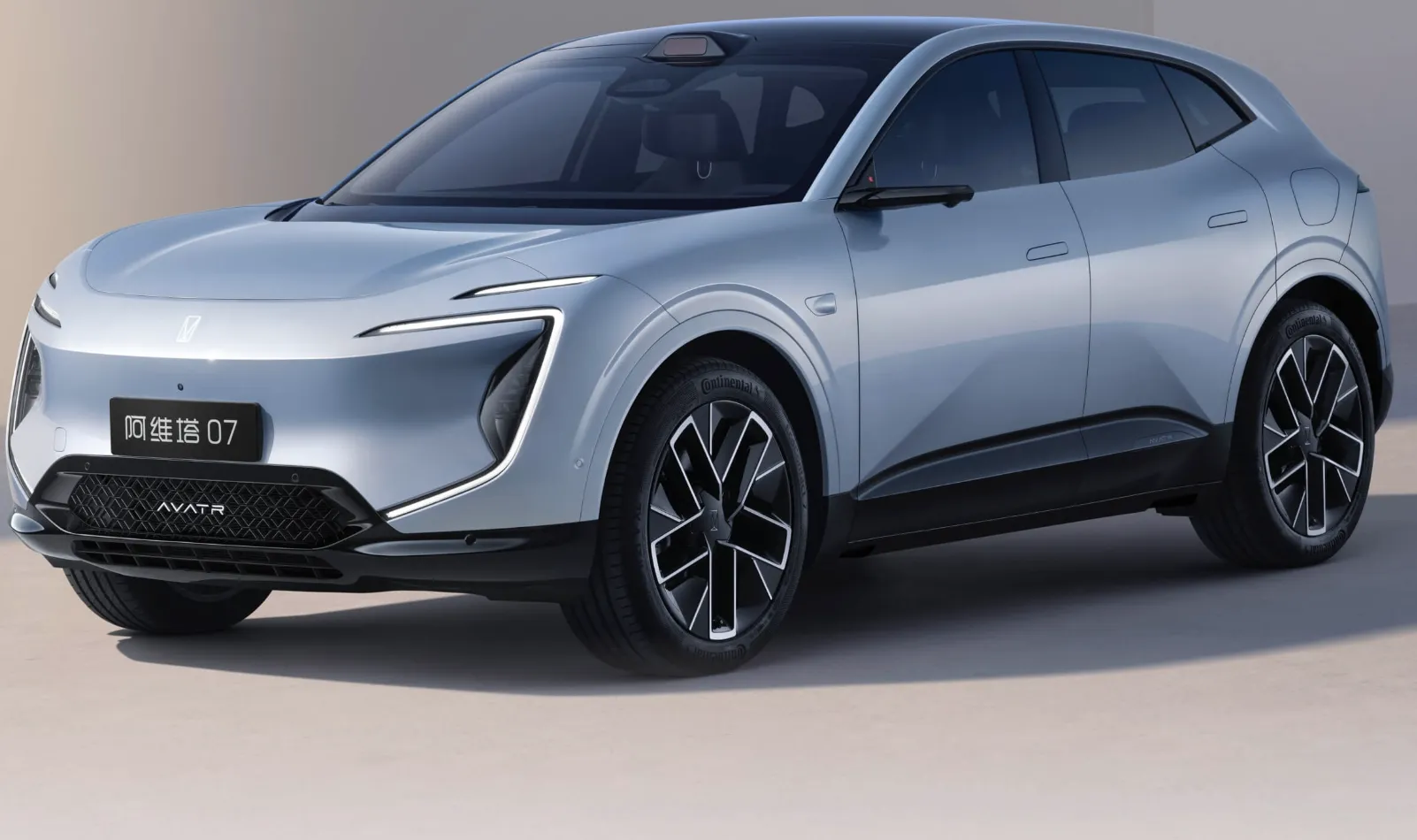
On the four-wheel side, Hyundai, BYD, Tata, Toyota, Kia, Nissan, and MG are among 26 confirmed brands , alongside a striking wave of newer Chinese entrants including BYD, Wuling, Zeekr, Leapmotor, Denza, and ARCFOX. Two-wheeler representation is equally serious: Bajaj, Honda, TVS, Royal Enfield, Ather, KTM, Triumph, and Suzuki headline 18 confirmed brands. Add four commercial vehicle brands and you have what amounts to a near-complete cross-section of Nepal's automobile market under one roof. Total brand participation crosses 55.
The demand clearly outpaced the available space. NAIMA President Ritu Singh Vaidya noted that even after the registration deadline closed, requests kept coming in from additional companies looking to participate. NAIMA members get priority for any remaining space, a reasonable call, though it raises a question worth asking: is Bhrikutimandap still the right venue for an expo of this ambition?
More Than a Motor Show
What makes this expo worth watching is what NAIMA is trying to make it mean. Vaidya framed the event not as a sales floor but as a shared platform for promoting modern, sustainable, and accessible mobility in Nepal. That is either a genuinely progressive vision or carefully worded aspiration, six days of execution will tell us which.
The program includes over 40 new product launches across motorcycles, scooters, passenger cars, commercial vehicles, batteries, and chargers. Beyond the launches, free knowledge sessions at the Auditorium Hall of the Blue Pavilion at Nepal Police Club will bring together experts, policymakers, and industry leaders to discuss road safety, EV adoption, skills development, and the future of transportation. That last element is underrated. Nepal's automobile conversation has historically been dominated by import costs, tax structures, and fuel access. A knowledge-focused format, if done right, could push that conversation somewhere more useful.
NAIMA has also committed that at least 10 percent of ticket revenue will go toward research fellowships and capacity-building programs. Tickets themselves will be available at a 50 percent discount, with Pathao offering discounted rides to and from the venue throughout the six days.
The timing matters. Nepal's EV two-wheeler market has grown faster than most expected, and BYD's presence alongside legacy names like Toyota and Hyundai signals that the electric transition is no longer a future scenario, it is a current purchasing decision. Whether the expo addresses this shift with depth or treats it as background decoration will say a lot about where NAIMA's priorities actually sit.
Why This Expo Has Real Stakes
Nepal's automobile sector operates under some of the world's steepest import duties and tax regimes. Consumers are increasingly sophisticated, but the retail environment rarely matches that, fragmented showrooms, limited test drive access, and thin after-sales transparency. A well-run expo addresses some of that gap in a concentrated way.
For brands, six days at Bhrikutimandap is an opportunity to build relationships that convert over the following quarters. For consumers, it is rare to compare products across every segment without the sales pressure that comes with walking into a single-brand showroom.
NAIMA itself is worth watching here. The association launched just over a year ago with 21 member companies and now represents 36, and is already considering a separate expo dedicated to commercial mobility brands, a signal that the industry's appetite has outgrown what one annual event can hold.
The NAIMA Nepal Mobility Expo 2026 arrives at a moment when Nepal's urban mobility challenges, congestion, air quality, fuel dependency, are impossible to ignore. The real question heading into Shrawan 26 isn't which brands will show up. It's whether the conversation in those halls will rise to meet the scale of the problem.

-original.webp)