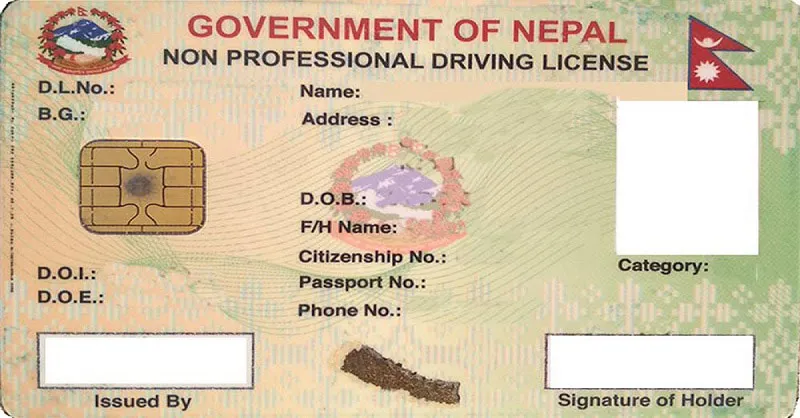
Getting a driving license in Koshi Pradesh just got twice as expensive. And unlike most government fee hikes that sneak in through the back door, this one came with a budget.
Koshi Pradesh government has officially doubled driving license fees for all vehicle categories under the Aarthik Vidheyak 2083 (Finance Bill 2083), tabled to support the implementation of the fiscal year 2083/84 budget. The revised fees take effect from Shrawan 1, 2083, meaning anyone walking into a transport management office on or after that date will pay substantially more than they did the week before.
This is not a marginal adjustment. Everything has been doubled, application fees, new license fees, renewal fees, and category addition fees. All at once. The province made no exceptions.
What You Will Actually Pay Now
The changes are comprehensive and affect every class of vehicle on Nepali roads.
Starting with the application process itself: the fee to simply apply for a license of any category goes from Rs. 500 to Rs. 1,000. You have not even taken the written test yet, and you are already paying double.
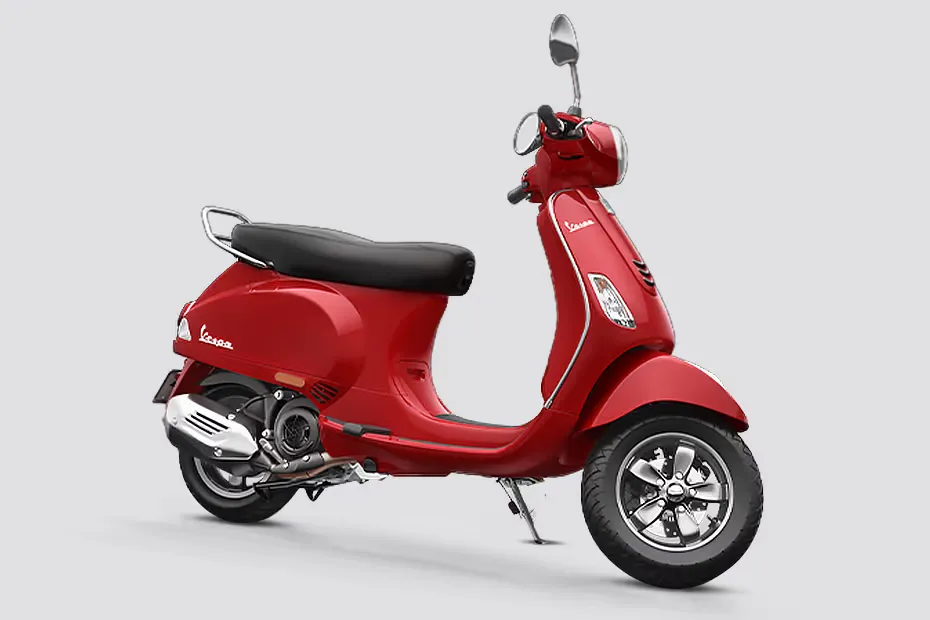
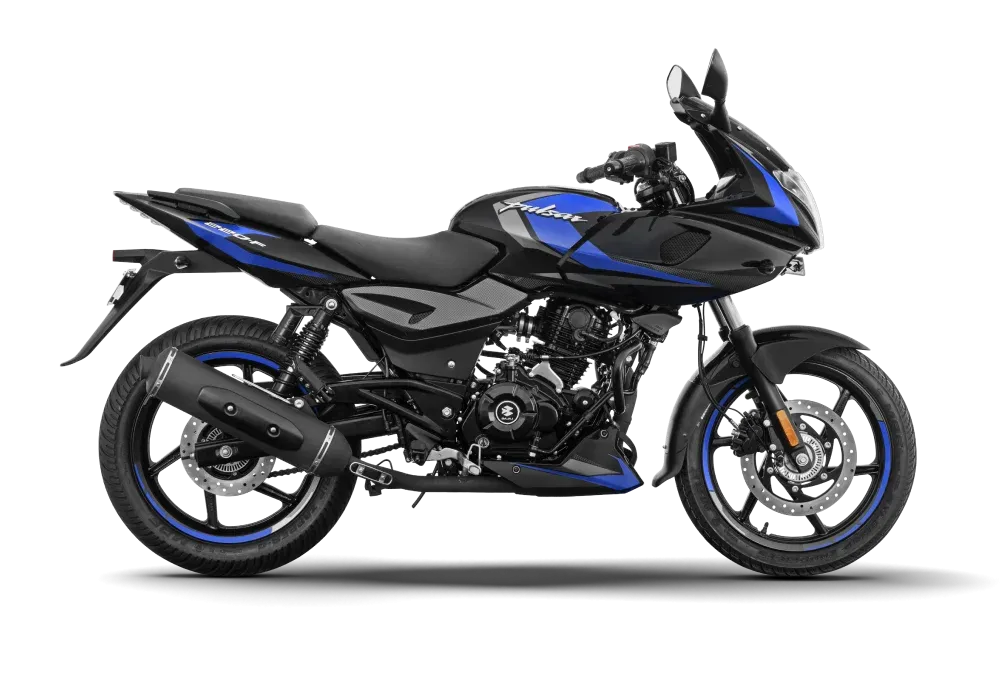
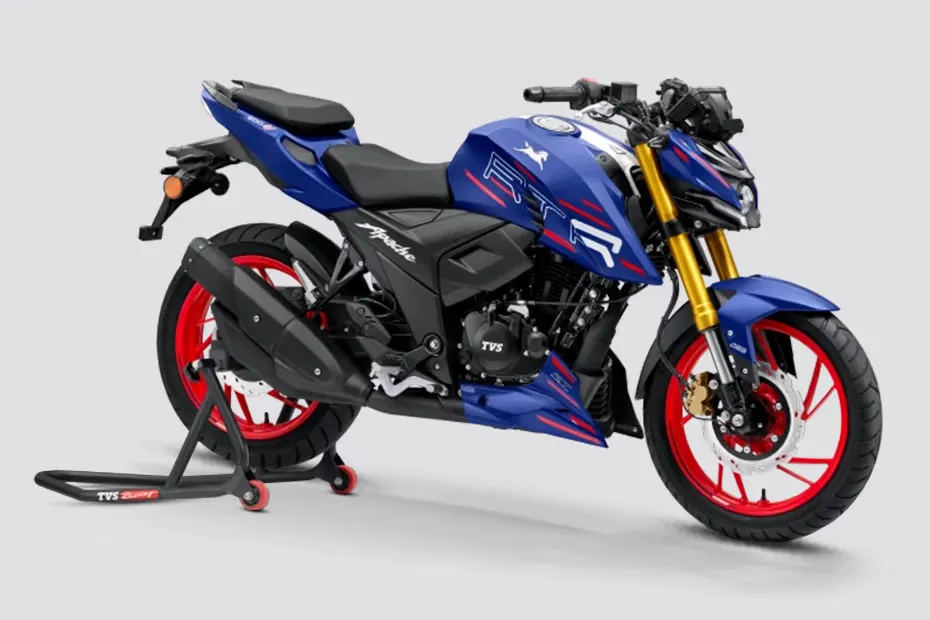
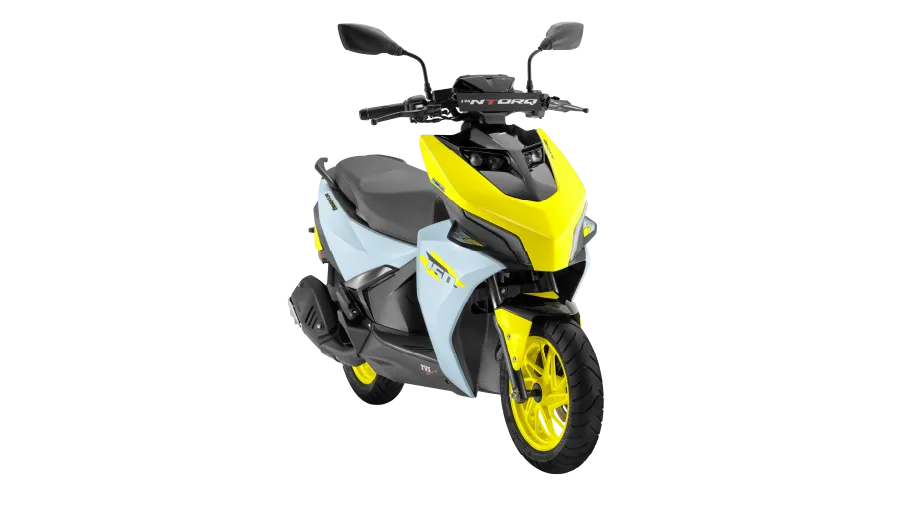
For Class A/K license holders, that is motorcycle and scooter riders, who make up the overwhelming majority of license applicants in Nepal, the cost of getting a new license or renewing an existing one jumps from Rs. 1,500 to Rs. 3,000.
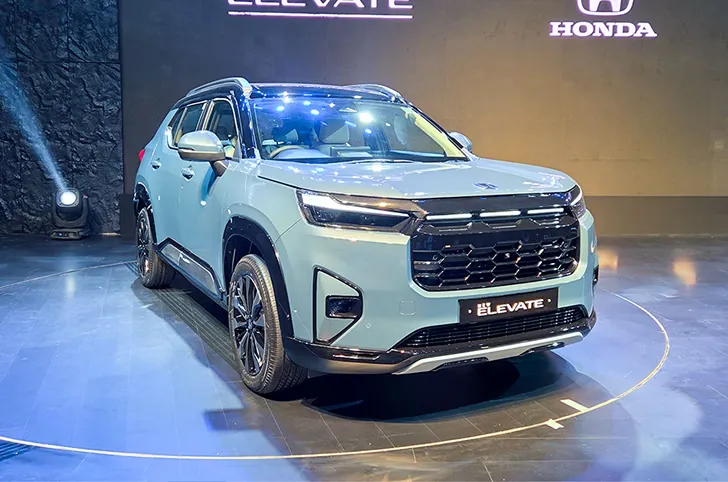
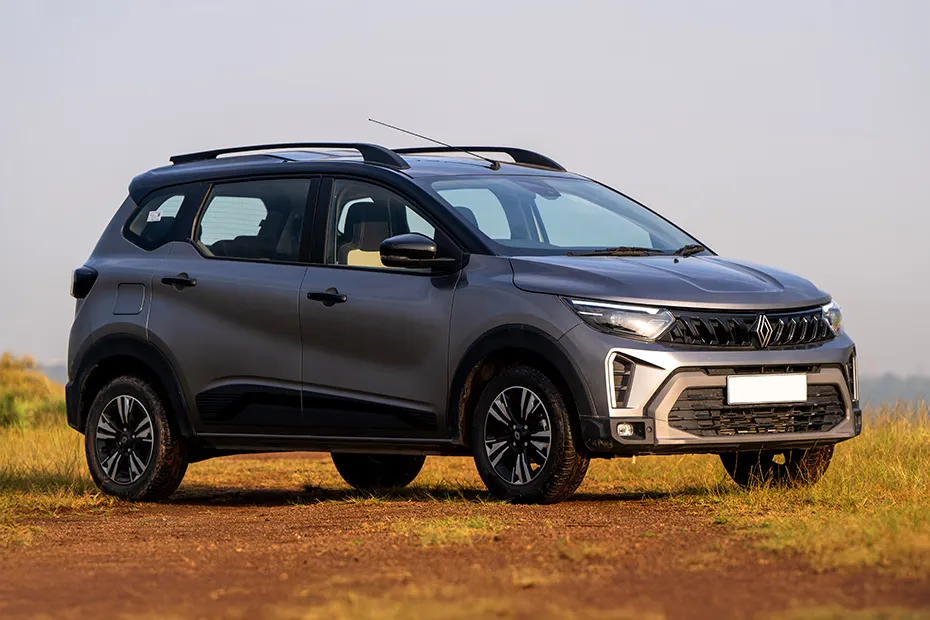
Four-wheeler drivers are not spared either. Class B (cars, jeeps, vans), Class C (tempo, auto-rickshaw), Class C1 (e-rickshaw), and Class D (power tiller) holders will now pay Rs. 4,000 for a new license or renewal, up from Rs. 2,000.
Move up the vehicle weight chain and the numbers get steeper. Class E (tractors) and Class F (minibuses, mini-trucks) licenses will cost Rs. 5,000, up from Rs. 2,500. At the top of the scale, Classes G through J, covering trucks, buses, heavy vehicles, road rollers, dozers, cranes, fire engines, loaders, excavators, backhoe loaders, and girder equipment, will require Rs. 6,000, double the previous Rs. 3,000.
The category addition fee, which allows licensed drivers to add new vehicle classes to an existing license, has also been doubled. For Classes A through F, the fee moves from Rs. 500 to Rs. 1,000. For Classes G through J, it goes from Rs. 1,000 to Rs. 2,000.
Validity Stays at 10 Years, That Part Has Not Changed
One piece of good news buried in the updated framework: the validity period for all new and renewed licenses remains 10 years. Effective from the start of fiscal year 2081, the Department of Transport Management extended license validity to 10 years for all drivers under 60, a reform that reduced the renewal burden for millions of license holders across the country. Koshi Pradesh's higher fees apply within that same 10-year framework, so the per-year cost of holding a license has increased but not catastrophically so.
Drivers aged 60 and above retain a five-year validity period, based on age-related health and road safety considerations. The fee revision does not alter that age-differentiated validity structure.
Why Koshi Can Do This Independently
Nepal's federal structure gives each province the authority to set its own vehicle-related fees independently. The Aarthik Vidheyak, the annual finance bill passed by each provincial assembly, is the legal instrument through which these changes happen. This is why Koshi Pradesh can double its licensing fees without the revision automatically applying in Bagmati, Gandaki, or any other province.
What remains unanswered is what the additional revenue is earmarked for. Provincial finance bills in Nepal rarely justify individual line items, and this one is no different. Whether the hike is about cost recovery, revenue expansion, or catching up with inflation has not been publicly explained.
Who Absorbs This Hit
Motorcycle riders take the biggest blow, they are the largest group of applicants, and their fee has doubled from Rs. 1,500 to Rs. 3,000. For delivery workers, young first-time applicants, and daily wage earners, that is a real pinch.
Commercial operators will absorb the higher costs more easily but will likely pass them on. The broader concern for everyone is whether higher fees come with better service, faster processing, shorter queues, improved facilities. That accountability piece is nowhere in the legislation.
Conclusion
Doubling an entire fee category in a single budget cycle, with no phased rollout and no public consultation, is a strong fiscal signal. The fees take effect in Shrawan 1. If your license is due for renewal and you live in Koshi Pradesh, the calculus is straightforward, renew before then, or pay double.