March 2026 wasn’t just another strong month for the Indian car market, it felt like a turning point.
On the surface, almost every car brand posted growth. But if you look a little deeper, this isn’t just about higher sales anymore. It’s about who is evolving faster, who understands the market better, and who is preparing for the future.
Let’s break it down based on who’s actually on top, and how each brand is performing in the real race.
Maruti Suzuki: Still Untouchable, But Playing the Long Game
Maruti Suzuki once again sits comfortably at the top with 1,69,428 units sold, growing 10.27% year-on-year.
At this level, growth doesn’t need to be aggressive, it needs to be consistent. And that’s exactly what Maruti is doing.
What makes Maruti different is not just its cars, but its deep connection with Indian buyers. From small towns to big cities, the brand has built unmatched trust through affordability, reliability, and a massive service network.
But here’s the shift, Maruti is no longer chasing rapid growth. It’s focusing on stability and dominance across every segment it operates in. And while that keeps it firmly on top, the competition behind it is moving faster than ever.
Tata & Mahindra: From Underdogs to Serious Threats
This is where things get exciting.
Tata Motors and Mahindra are no longer just alternatives to bigger brands, they are becoming core choices for Indian buyers.
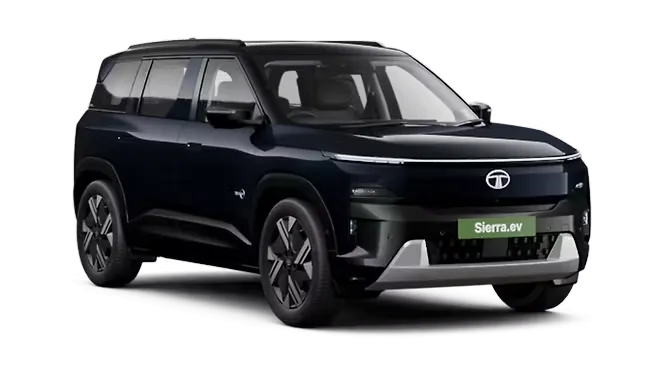
Tata Motors: 66,971 units (+29%)
Mahindra: 60,272 units (+25%)
Tata has completely transformed its image over the last few years. Today, it stands for safety, bold design, and leadership in electric vehicles. Buyers are not just choosing Tata for price anymore, they are choosing it for confidence.
Mahindra, on the other hand, has mastered one thing perfectly: SUVs. Its lineup appeals to buyers who want power, road presence, and a premium feel. That focus is paying off massively as SUVs continue to dominate Indian preferences.
Together, these two brands represent a bigger shift, Indian manufacturers are no longer behind global players. They are leading the conversation.
Hyundai: Strong Position, But Growing Pressure
Hyundai reported 55,064 units, with a 6.3% growth.
It’s still one of the top players in the market, but compared to Tata and Mahindra, the growth feels slower. And in a fast-moving market, that matters.
Hyundai has always been known for its premium feel, smooth engines, and well-designed interiors. But right now, it seems to be caught in the middle, no longer the most affordable, and not always the most exciting either.
The brand isn’t struggling, but it’s clearly under pressure to reinvent its strategy and bring something fresh to the table.
Toyota: Quietly Making Smart Moves
Toyota posted 35,125 units, growing 23.8%, and this growth tells a very interesting story.
Toyota has never been about chasing high volumes. Instead, it focuses on long-term trust, reliability, and strong resale value.
Now, with the rise of hybrid vehicles, Toyota is in a very strong position. It offers a practical solution for buyers who want better fuel efficiency without fully switching to electric.
While others are fighting for attention, Toyota is quietly building a loyal and future-ready customer base.
Kia: Consistency Is Winning the Game
Kia sold 29,112 units, with a 14.5% increase.
What stands out about Kia is its consistency. It doesn’t rely on sudden spikes or hype. Instead, it delivers well-designed, feature-packed cars that appeal strongly to urban buyers.
From infotainment systems to styling, Kia understands what modern buyers want, and it delivers that without overcomplicating things.
In a market full of aggressive moves, Kia’s steady approach is proving to be very effective.
Skoda & MG: Focused, Niche, and Growing
Skoda: 7,906 units (+6.8%)
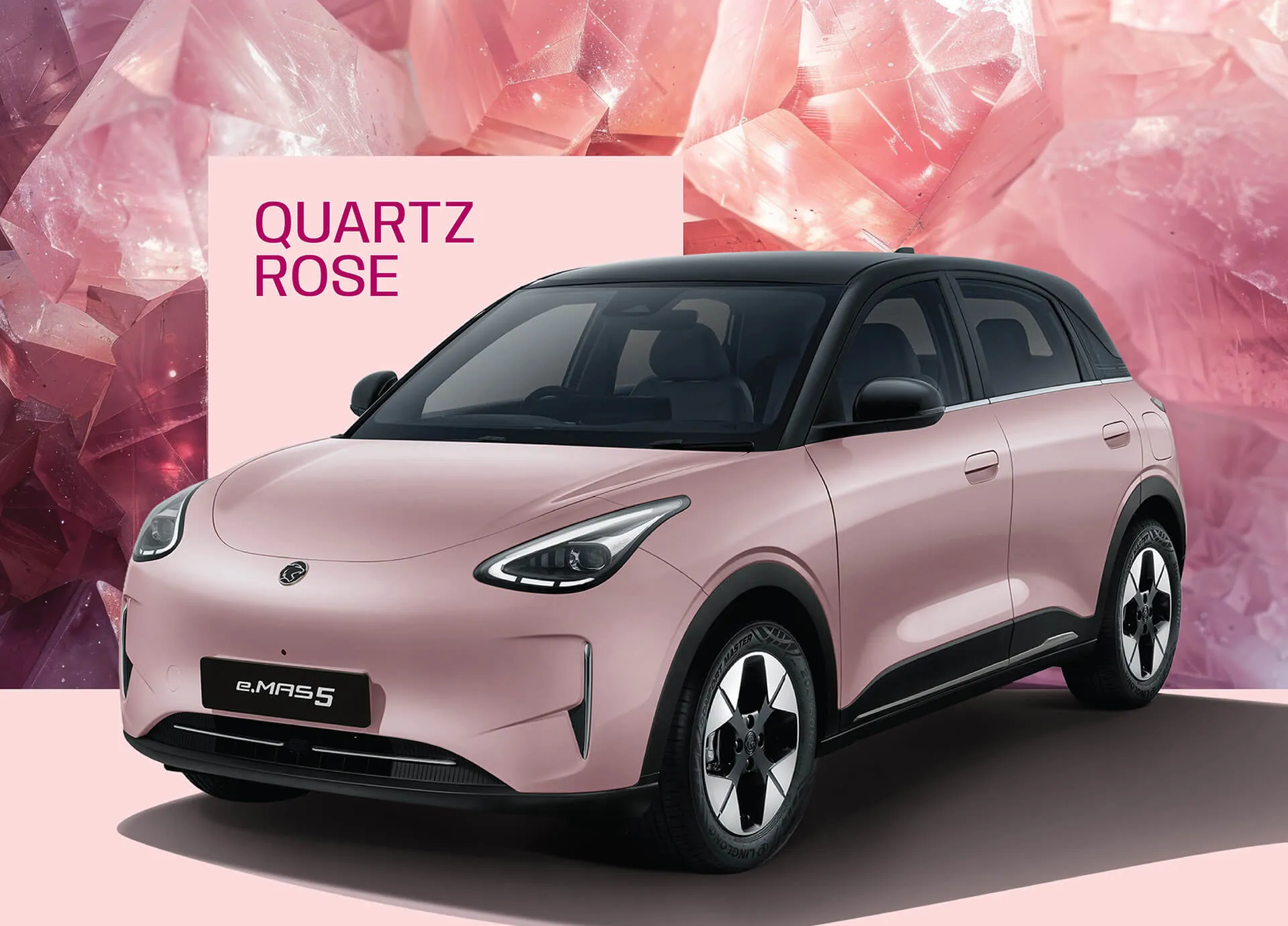
MG Motor: 6,528 units (+19%)
These brands aren’t trying to compete with mass-market giants. Instead, they are carving out their own space.
Skoda continues to attract enthusiasts who value driving quality and European engineering, while MG is building a strong identity around technology and electric mobility.
Their volumes may be smaller, but their strategies are clear, and that clarity is helping them grow steadily.
Renault & Nissan: The Comeback Is Beginning
The biggest surprise this month comes from Renault and Nissan.
Renault: 5,046 units (+77%)
Nissan: 4,408 units (+151%)
These numbers might not look huge, but the growth is massive. It clearly signals that both brands are regaining momentum.
After a slow phase, they now seem to be aligning better with market expectations, whether through pricing, product updates, or improved reach.
This could be the early stage of a much bigger comeback.
What This Market Is Really Saying
If you step back and look at everything together, a few clear trends emerge:
The leader is still strong, but not growing the fastest
Indian brands are rising with confidence and clear identity
Global brands are being pushed to rethink their strategies
Smaller players are finding smart ways to stay relevant
This is no longer just a market driven by price or brand name.
It’s being shaped by innovation, positioning, and understanding the modern buyer.
Conclusion
March 2026 shows that the Indian car market is entering a completely new phase. It’s more competitive, more dynamic, and far less predictable than before. The real question is no longer who sells the most cars today, It’s who is building the future of mobility in India.
And if this momentum continues, we might soon see a reshuffling of the market in ways that would have been hard to imagine just a few years ago.
-original.webp)