Hundreds of riders showed up at a custom, built track near Sallaghari, Bhaktapur, on June 13, 2026, and that alone tells you something. CG Motors did not just launch the Hero Xpulse 210; they threw an event called the "210 Xperience," complete with trail rides and off road challenges, and people came. This is Hero's boldest adventure motorcycle yet in Nepal, and the market is paying attention.
The Xpulse 210 replaces the well regarded Xpulse 200 4V, which built a loyal following in Nepal for being one of the rare motorcycles that could actually handle the country's unpredictable mix of mountain switchbacks, potholed highways, and muddy dirt trails without costing a fortune. The new model does not tinker with that formula, it amplifies it. A bigger engine, more technology, sharper design, and a refined chassis. Speaking at the launch, CG Motors Managing Director Nirvana Chaudhary described the Xpulse 210 as a complete package for adventure focused riders. That is a bold claim worth scrutinizing.
Design
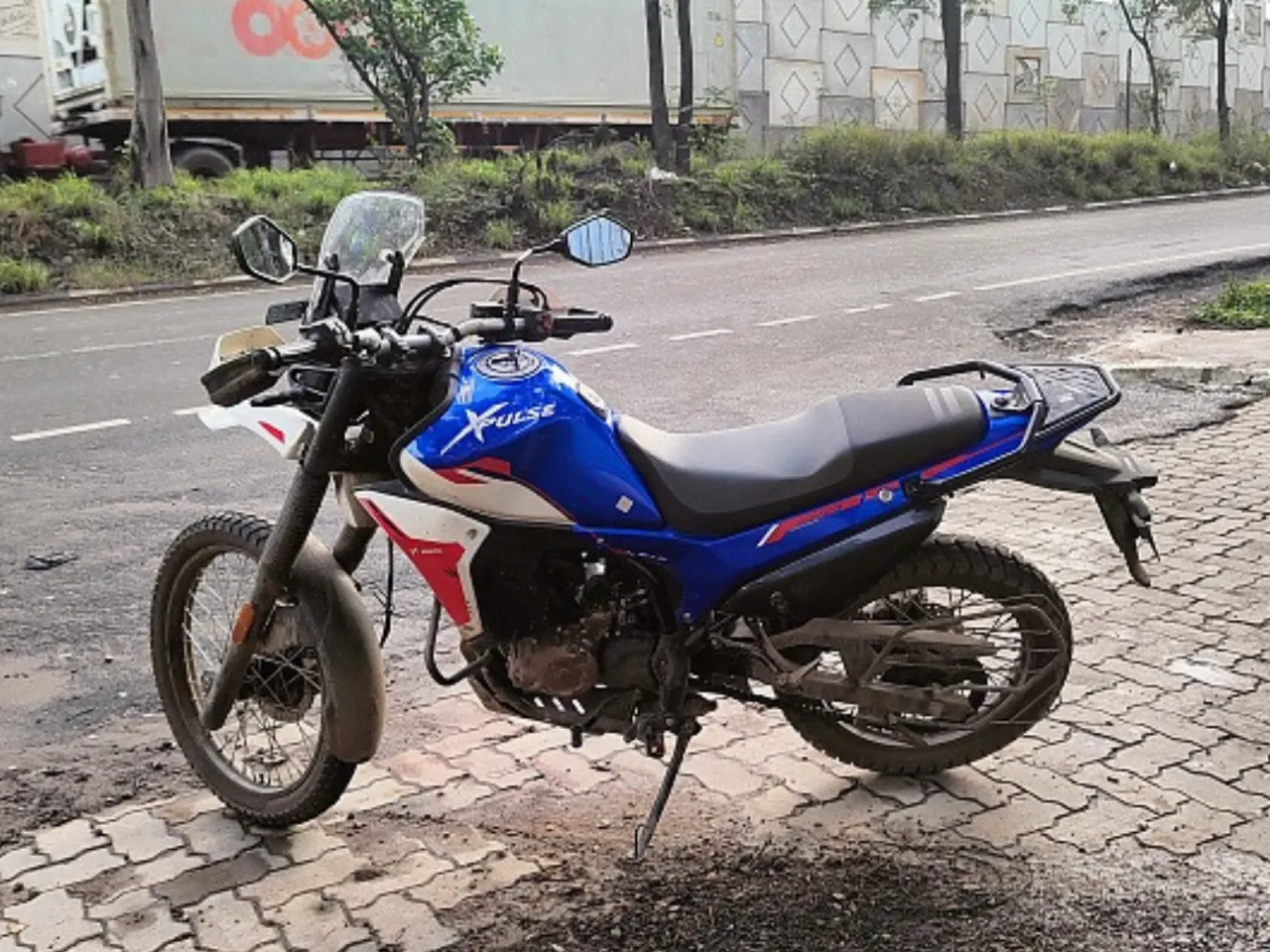
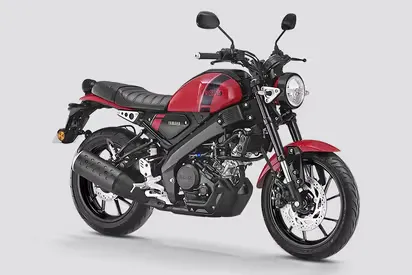
The Xpulse 210 does not look like a motorcycle that is trying too hard. That is intentional. Hero has maintained the tall, upright adventure silhouette that defined its predecessors while introducing a sharper, more muscular execution across the board.
Up front, the signature round Class, D LED headlamp gets H, shaped DRLs and is flanked by a protruding pull bar, a feature that doubles as an engine guard and a practical grab point when you need to lift the bike out of a ditch. The tall windscreen gives noticeably better wind protection at highway speeds than the older model, and the reinforced handguards add genuine trail credibility. The high, mounted front fender works with the long, travel forks to communicate off road intent before you even start the engine.
The fuel tank has a sculpted, ergonomic shape that aids grip during standing maneuvers, flowing cleanly into slim side shrouds. A golden engine casing adds a premium accent that does not feel out of place. The rear section is where things get particularly interesting: an exposed subframe gives it a rally bike look, topped with a long one, piece seat designed to mimic a split setup. Open, tooth footpegs with removable rubber inserts sit at the right height for standing, and the upswept exhaust keeps ground clearance honest.
Wheel choice is orthodox but correct for the application, a 21, inch front and 18, inch rear, both spoked, wrapped in Eurogrip dual, purpose tubed tyres. At the rear, a compact LED split tail light integrates neatly into the enduro, style tail section, with a long mudguard and high, mounted indicators suited for messy terrain. A rear luggage rack comes standard. Hero offers the Xpulse 210 in two colors for Nepal: Azure Blue and Alpine Silver, both with tri tone finishes that carry a Dakar, inspired edge.
Performance
The numbers on the Xpulse 210 are not marketing fluff, they represent a genuine generational jump. At the center is a 210cc, single, cylinder, liquid, cooled, four, valve DOHC engine producing 24.6 PS at 9,250 rpm and 20.7 Nm of torque at 7,250 rpm. Paired to a six- speed gearbox with an assist, and slipper clutch, the powertrain is a significant upgrade over the 200 4V that it replaces.
How significant? The Xpulse 210 delivers 30 percent more power and 20 percent more torque than the 200 4V, translating to 5.5 PS and 3.35 Nm of additional performance at the top end. The higher rev ceiling means it can hold highway speeds more comfortably, addressing the biggest real world complaint about the previous generation model. At the same time, a revised sprocket ratio, moving from 14/42T to 14/46T, ensures stronger low end grunt for off road work.
The engine shares its base architecture with the Karizma XMR 210 but is returned for dual, sport duties, with distinct cam timing and fuel mapping. Around 70 percent of the torque is available from as low as 3,000 rpm, which matters more on the trail than peak figures do. Liquid cooling and the sixth gear together expand the bike's comfort zone on open stretches.
One standout addition is switchable ABS. The Xpulse 210 offers three modes: Road (both channels active), Trail (rear ABS off), and Off Road (both ABS off). This is genuinely useful, not a spec sheet checkbox. Being able to cut rear ABS when navigating loose gravel or wet rocks changes how much confidence you can carry into a corner. The fuel tank holds 13 litres, and real, world mileage is estimated at 30 to 35 kmpl, giving a practical range of roughly 400 kilometres per fill.
Top speed is rated at 125 to 130 km/h, respectable for a motorcycle in this category and price range.
Specifications
Specification | Detail |
Engine | 210cc, Single, Cylinder, DOHC, 4, Valve, Liquid, Cooled |
Max Power | 24.6 PS @ 9,250 rpm |
Max Torque | 20.7 Nm @ 7,250 rpm |
Gearbox | 6, Speed with Assist and Slipper Clutch |
Front Suspension | 41mm Telescopic Forks, 210mm travel |
Rear Suspension | Linkage, type Monoshock, 205mm travel |
Front Tyre | 90/90, 21 Eurogrip (Tubed) |
Rear Tyre | 120/80, 18 Eurogrip (Tubed) |
Front Brake | 275mm Petal Disc |
Rear Brake | 220mm Petal Disc |
ABS | Dual, Channel, Switchable (Road / Trail / Off, Road) |
Fuel Tank | 13 litres |
Ground Clearance | 220mm |
Seat Height | 830mm |
Kerb Weight | 170 kg |
Wheelbase | 1,446mm |
Estimated Mileage | 30–35 kmpl |
Top Speed | 125–130 km/h |
Colors | Azure Blue, Alpine Silver |
The suspension setup sits between the standard 200 4V and the hardcore 200 4V Pro. Front forks offer 210mm of travel; the rear monoshock provides 205mm. Unlike the Pro variant, the Xpulse 210's suspension is not adjustable , Hero has positioned it as a balanced all rounder rather than a dedicated off- road weapon. The high, tensile semi, double cradle chassis is stiffer than the previous platform, with dual downtubes wrapping around the engine for better flex resistance under load. Ground clearance of 220mm and a seat height of 830mm complete the adventure geometry.
At 170 kg, it is noticeably heavier than the 200 4V (158 kg) and 4V Pro (161 kg). The added weight, combined with a longer wheelbase, trades some flick, ability for highway composure , a reasonable trade off given the Xpulse 210's broader remit.
Features
Nepal is getting the Top variant only, and it is well equipped. The centerpiece is a 4.2, inch full, color TFT instrument cluster with Bluetooth connectivity, offering turn- by- turn navigation, call and SMS alerts, and ride data logging. The display shows all standard riding information, speedometer, tachometer, gear position, fuel level, engine temperature, trip meters, and clock , with richer graphics than the base LCD unit available in India.
The full LED lighting system covers the projector headlamp, tail lamp, and indicators. A USB charging port is standard. Taller windscreen and closed loop handguards are functional additions, not cosmetic ones. Hero's Smart Connect system is integrated via the TFT console.
Whether the base variant with single, channel ABS and an LCD display will ever reach Nepal remains unclear. CG Motors has not announced any plans in that direction, and given that the top variant sits at an already accessible price point relative to the competition, it may not need to.
Price in Nepal: How It Fits the Market
The Xpulse 210 is now priced at Rs 6.10 lakh. That puts it roughly Rs 1 lakh above the outgoing Xpulse 200 4V Pro at Rs 5.07 lakh, and Hero is asking buyers to accept that gap by delivering a materially better product. Given what is on offer, the ask is not unreasonable.
The direct competition includes the Suzuki V, Strom SX 250, which outguns the Xpulse 210 on paper with 26.5 PS and 22.2 Nm from a 250cc engine. But the V, Strom uses an oil, cooled SOHC motor and road, biased 19/17, inch tubeless alloy wheels, it is built more for tarmac than trail. The Xpulse 210 fights back with liquid, cooling, DOHC technology, proper 21/18, inch spoked wheels with dual, purpose tyres, and a slipper clutch that the Suzuki does not offer.
The CFMoto 250 Dual is the wilder card. It is roughly Rs 50,000 cheaper, lighter at 154 kg, has higher ground clearance, and produces more power. For younger riders who prioritize outright performance and style, the CFMoto is a genuine alternative. But the Xpulse 210 counters with switchable ABS modes, a more developed suspension setup, a TFT cluster with navigation, and , critically , Hero's far deeper service and spare parts network across Nepal. For adventure riding that takes you away from Kathmandu, the last point matters more than any specification.
For EMI buyers, approximate monthly payments work out to around Rs 7,190 over a seven year tenure at 11 percent interest with a 70 percent loan to, value ratio.
Conclusion
The Xpulse 210 is not the Xpulse 200 with a new sticker. It is a rethought machine that takes the original's strengths, affordability, ruggedness, genuine trail capability, and closes the gaps that riders had been flagging for years. Better engine, better gearbox, better suspension travel, better technology, and a chassis designed for more than just one type of road.
Nepal's terrain is arguably one of the best proving grounds on earth for a motorcycle like this. Kathmandu to Pokhara, Pokhara to Mustang, or a weekend run through Nagarkot, the Xpulse 210 is built to handle all of it without asking its rider to compromise. Whether it can replicate the iconic status of the Xpulse 200 in the Nepali market is the real question. Given what Hero has packed into Rs 6 lakh, it has more than a fair shot.

-original.webp)