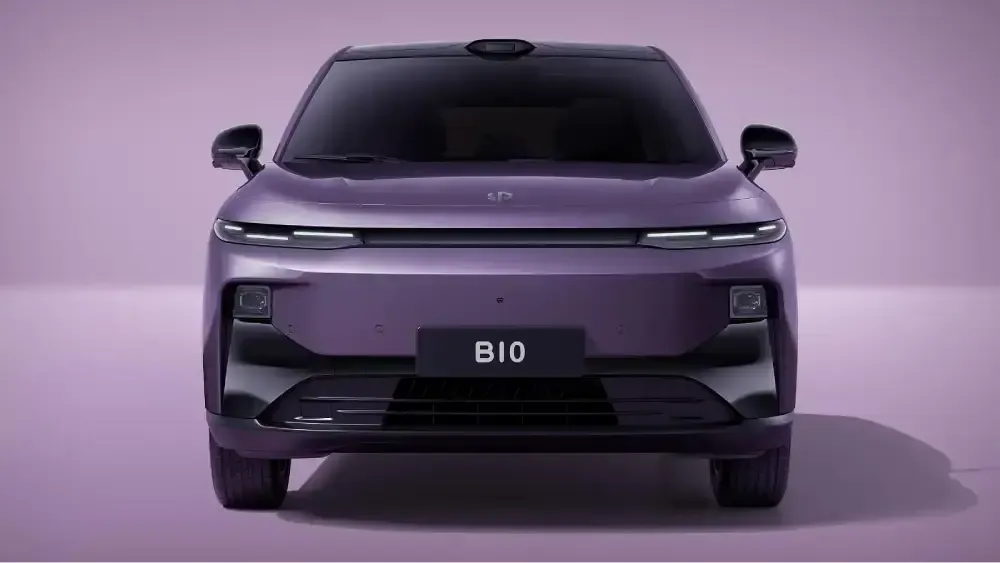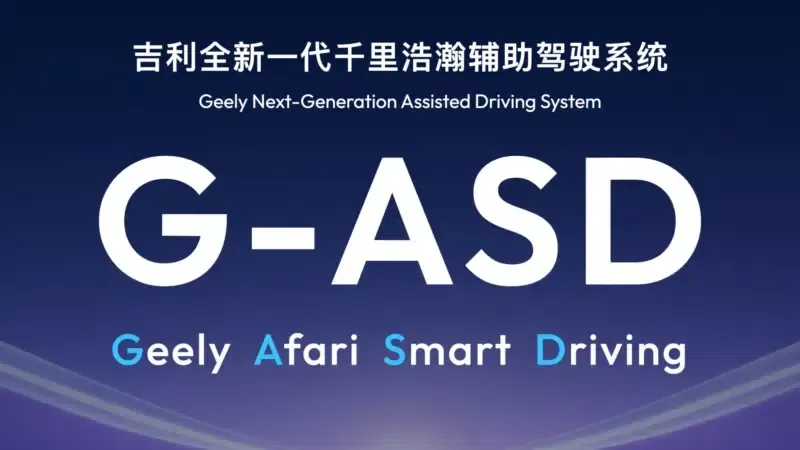
In a landmark moment for the global automotive industry, Geely Auto Group has secured UN R171 certification from European regulatory authorities for its advanced driver assistance system, making it the first Chinese automaker in history to achieve this milestone. The company confirmed the news on March 13, and the implications stretch far beyond a single certification stamp.
The certified system, called G-ASD, short for Geely Afari Smart Driving, is now cleared to operate in vehicles sold across all member states of the United Nations Economic Commission for Europe. No country-by-country approvals. No fragmented regulatory gymnastics. One certification, the entire continent. Before today, only BMW had ever obtained this approval, having done so in late 2025.
What You Need to Know Right Now
G-ASD was developed entirely within Geely's own ecosystem by Afari Technology, a Chongqing-based subsidiary operating under the Lifan Group, which itself sits under Geely Holding. This is not a licensed foreign system. It is Chinese-built technology that has now passed one of the most rigorous driver assistance regulatory tests in the world.
The system will hit European roads for the first time in June 2026, launching inside Lotus brand vehicles. Lotus, the iconic British performance marque, is owned by Lotus Technology, another subsidiary of Geely Holding. The choice to debut through a trusted British nameplate rather than a Chinese brand is deliberate, calculated, and worth paying attention to.
What the Company Is Saying
Geely CTO Li Chuanhai has been direct about both the opportunity and the current limits. European regulations allow only highway navigation assistance at this stage. The more advanced urban navigation assistance that has become standard in China has not yet been approved. Li's response to that gap was not frustration. It was recognition. He drew a direct comparison to China's own market a few years ago, when driver assistance features were novel before becoming a decisive factor in what consumers chose to buy.
His read of where Europe is headed carries weight. McKinsey projects that fully autonomous vehicles could account for 25 percent of European auto sales by 2035. Li believes his company will be central to that shift. "Chinese companies lead in intelligent technologies like driver assistance systems," he said, "and international expansion is inevitable."
The Wider Race
Geely is not alone in pushing outward. XPeng and Nio have both outfitted their export vehicles with driver assistance systems. Chinese suppliers including iMotion and Zhuoyu Technology are already building local research, operations, and service infrastructure in overseas markets, preparing the ground before the main wave arrives.
But the road is not clear. In January 2025, Washington announced plans to begin banning Chinese-made connected vehicles and related software from the American market starting in 2027. Other governments have introduced their own data security and import frameworks. The geopolitical friction around Chinese intelligent vehicle technology is real and accelerating.
Conclusion
This certification does not just open a market. It rewrites the story. For years, the assumption in Western automotive circles was that Chinese technology would need to catch up before it could compete globally on safety-critical systems. Geely has just handed European regulators its homework and received a passing grade that only one other automaker on earth has earned. Geely, Zeekr, and Lynk & Co vehicles are all slated to receive the G-ASD system for overseas markets. The rollout is beginning. Watch this space.
-original.webp)

-original.webp)

-original.webp)