Petrol prices pushed people to the edge, and the edge turned out to be an EV showroom. Across Kathmandu, electric two-wheeler dealers are struggling to keep stock on the floor as demand has roughly doubled in recent months, and the timing is no coincidence.
The geopolitical turbulence brewing in West Asia has sent petroleum prices climbing globally, and Nepal, almost entirely dependent on fuel imports, has felt every rupee of that pinch. For the average Nepali commuter already stretched thin, the math on petrol just stopped making sense. The result? A sudden, sharp surge in interest toward electric scooters that dealers say they weren't fully prepared for.
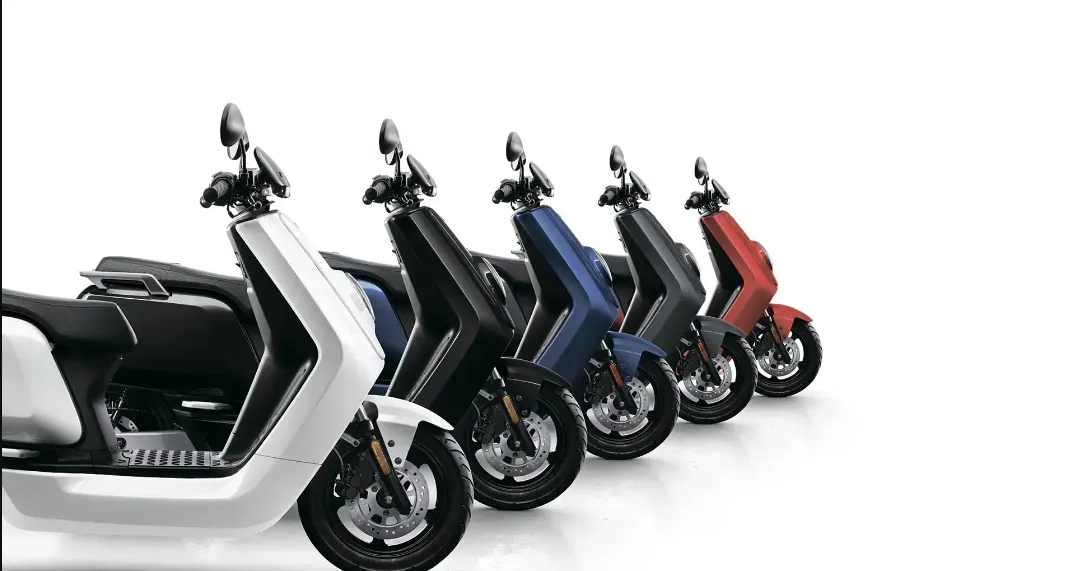
Umid Shrestha, director at Kuzu Nepal, the authorized Nepali distributor for Yadea two-wheelers, says bestselling models are now selling out before fresh stock even arrives. Sales have doubled compared to the period before the fuel price hike. Dealers are scrambling to import faster just to keep up.
Which Electric Scooters Are People Actually Buying?
Not all EVs are created equal in Nepal's market, and buyers know exactly which segment they want. The country's two-wheeler EV landscape broadly splits into three price tiers.
At the bottom sits the low-range category, scooters and mini scooters offering 30 to 50 kilometers per charge, priced anywhere from NPR 70,000 to NPR 1.5 lakh. Some of these require registration, some don't.
At the top sit long-range vehicles covering 120 to 200 kilometers, with some sellers claiming up to 300 kilometers. These are priced between NPR 3 lakh and 6 lakh.
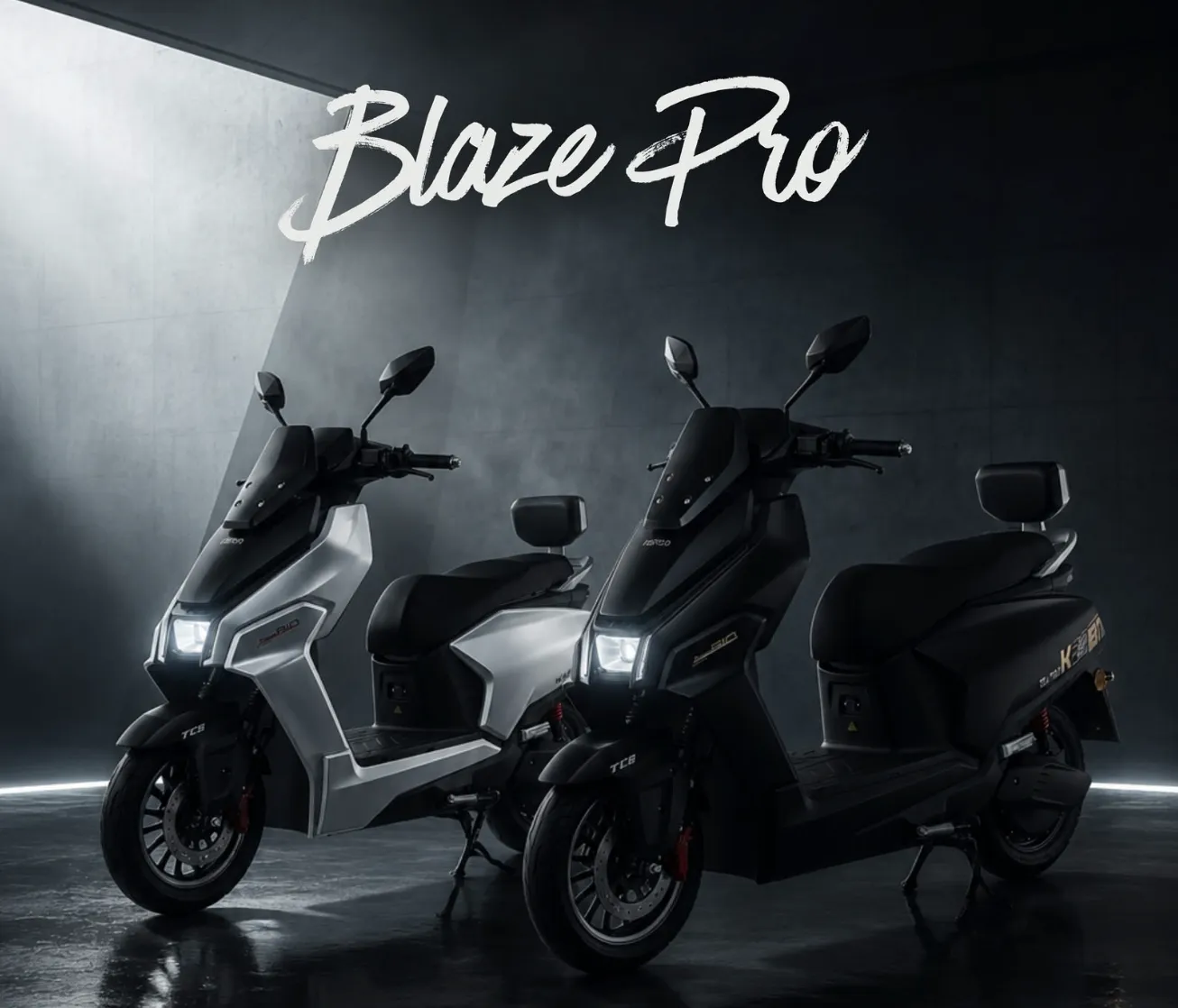
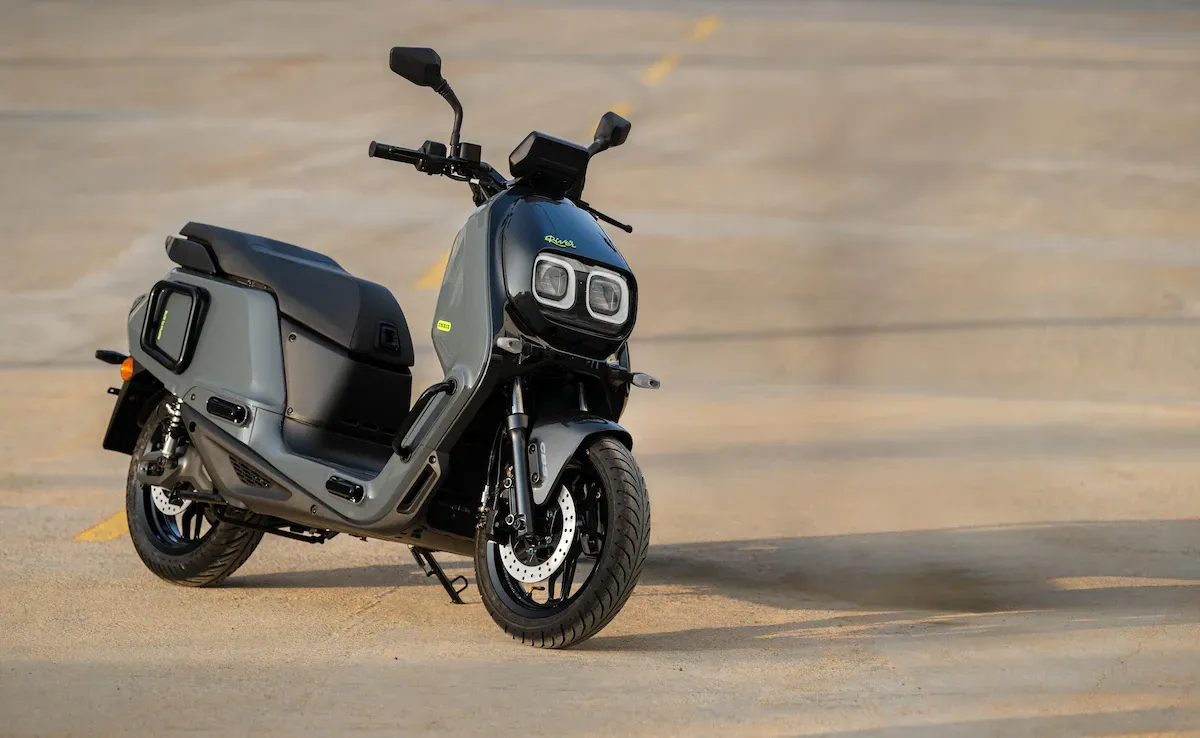
Then there's the middle, priced between NPR 1.5 lakh and 3 lakh, offering a real-world range of 60 to 100 kilometers despite advertised claims of up to 120 kilometers. This is where the market is genuinely on fire right now.
Why Middle-Range Scooters Are Selling the Fastest
The largest chunk of new EV buyers are lower-middle-class urban workers, office commuters, small traders, daily wage earners who were already riding petrol scooters and found themselves spending an increasingly painful amount each month just to get to work.
Many are selling their old petrol vehicles, using the proceeds as a down payment on a mid-range EV, and covering the monthly EMI with what they would have otherwise spent on fuel. Electricity costs for running an EV work out to less than a tenth of petrol costs for equivalent travel. Add zero engine oil changes and dramatically reduced servicing expenses, and the monthly savings easily absorb a loan installment. It's not idealism driving this shift , it's arithmetic.
Delivery Riders and the Battery Swap Factor
For ride-share drivers on Pathao and InDrive, or the growing army of delivery riders working for e-commerce companies, the calculation looks different. They need range, reliability, and above all, uptime. A scooter that runs out of charge mid-shift isn't just inconvenient, it's lost income.
This group consistently gravitates toward long-range models. But increasingly, another factor is shaping their decisions: battery-swapping capability. Instead of waiting to recharge, riders can pull into a swap station, exchange a depleted battery for a fully charged one in minutes, and get straight back on the road. For commercial riders putting in full-day shifts, this is becoming less of a bonus feature and more of a basic requirement.
Why Buyers Still Have Doubts Despite the Sales Numbers
Sales are up. Enthusiasm is genuine. But underneath the momentum runs a persistent current of consumer skepticism that the industry hasn't fully resolved.
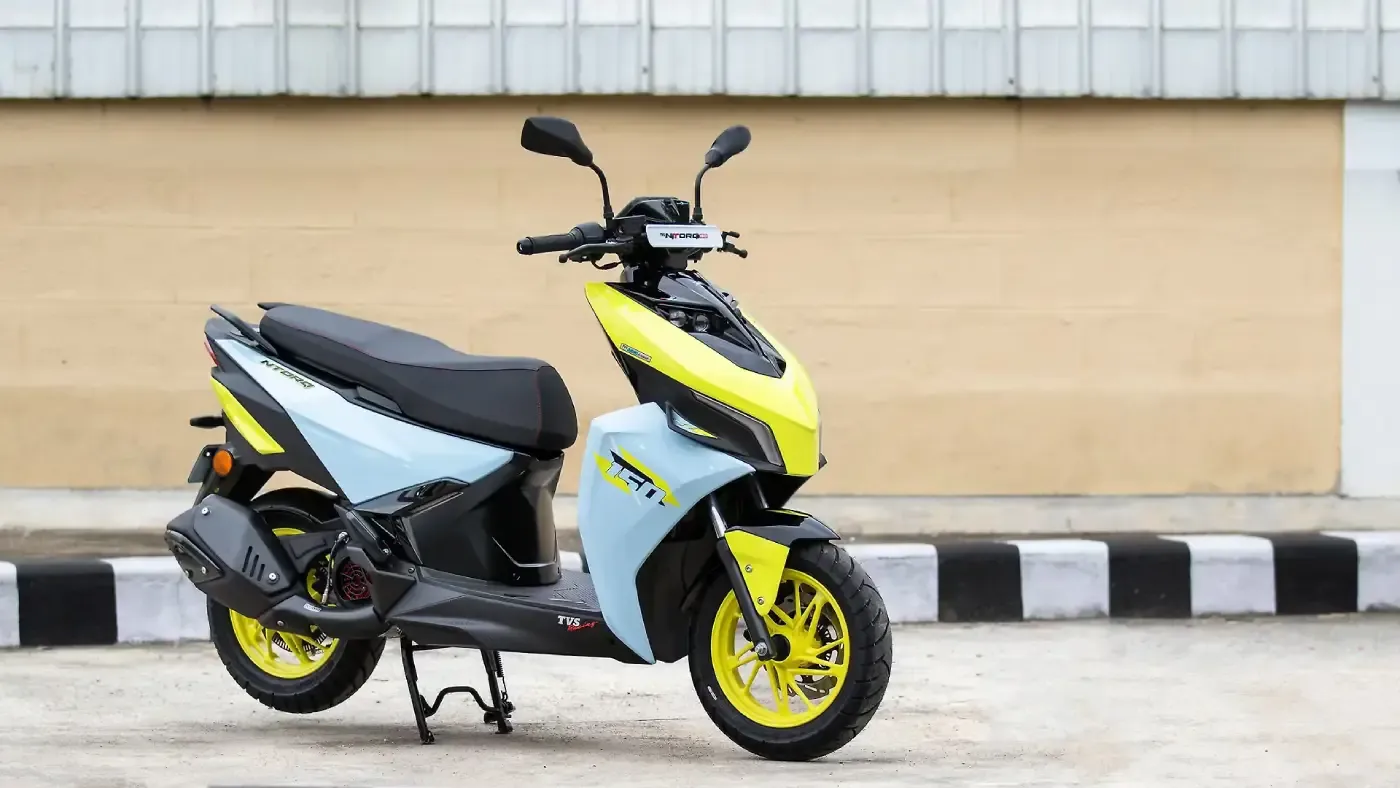
A significant part of the problem is the absence of globally recognized brands in this space. In four-wheelers, buyers have reference points, BYD, Tesla, Tata. These names carry weight because they've been tested in markets worldwide. The two-wheeler segment doesn't have that kind of established authority yet. Mahindra, Bajaj, and TVS have launched electric scooters and motorcycles, but with limited variety, and they haven't made a strong impact in Nepal's market. Yamaha, a dominant name in Nepal's petrol scooter segment, has not launched a full EV product at all, only a hybrid variant.
Some established dealerships are trying to close this credibility gap by staking their own reputations on newer brands. Baidya Organization, Toyota's authorized dealer in Nepal, is now selling Indian-made Ather scooters through its Baidya Energy arm. The reasoning is straightforward: if a name you already trust is vouching for something new, that transfer of credibility matters.
Some brands have also been operating in Nepal for five to seven years now, running service centers and honoring warranties consistently. Yet even that track record hasn't been enough to fully win over the general public. The industry's overall reputation still carries the weight of its worst actors.
The Real Problem: Shady Approvals and Dealers Who Vanish
Shankar Sharma, sales head at Sarathi Nepal, doesn't hold back when describing what's actually undermining Nepal's EV market. The government's approval process for EV imports, he argues, runs on influence rather than merit. Vehicles that fall short of quality standards sometimes get cleared because of connections, while legitimately compliant imports get delayed for no clear reason.
"Approval here isn't transparent," Sharma says bluntly. "Under-the-table dealings have become so normalized that even the sellers stop feeling accountable."
The consequence plays out at the consumer level. Some operators import two to four hundred scooters, sell them quickly, and then vanish entirely, no after-sales service, no spare parts supply, no warranty follow-through. Sharma points out that even some established brands aren't delivering great post-sale service, but because their spare parts remain available in the market, the problem never surfaces visibly.
When a buyer purchases a scooter and can't find anyone to repair it six months later, they don't just lose faith in that brand. They lose faith in electric vehicles as a category.
Sharma's proposed solution is direct: require all importers and dealers to deposit a fixed amount with the government before they can operate. If they fail to provide promised parts and after-sales service, and customers lodge complaints, the government seizes that deposit and uses it to compensate affected buyers. It's basic consumer protection, just applied to a sector that currently functions almost entirely without it.
The Resale Value Problem Nobody Has Solved Yet
There's one more issue quietly discouraging potential buyers: resale value, or the lack of it.
A petrol scooter bought five years ago in Nepal might fetch 30 to 40 percent of its original price today. That figure is predictable enough to factor into a buying decision. An electric scooter? The secondary market barely exists, and when it does, buyers are often reluctant to offer even 10 percent of the original price, partly because battery health is unknown, partly because there's no established pricing benchmark for used EVs.
Dealers are now leaning into a total cost of ownership argument rather than defending resale value. The pitch goes like this: add up everything you'd spend on petrol and maintenance over the lifetime of a conventional scooter, and that figure could have bought you two additional scooters outright. Even if the EV is worth almost nothing at resale, you've still come out ahead financially.
Shrestha at Kuzu Nepal believes resale values will normalize as the mass market matures and more second-hand EVs enter circulation. It's a reasonable expectation, but "reasonable expectation" isn't quite enough reassurance for someone making a purchasing decision worth several lakh rupees today.
Conclusion
Nepal's electric two-wheeler movement is real, and the fundamentals behind it, rising fuel costs, dense urban commuting patterns, a cost-conscious young buying demographic, aren't going away. But enthusiasm alone has a ceiling. The industry needs the government to clean up its import approval process, enforce after-sales accountability, and give buyers the regulatory certainty that turns a market boom into something durable.
Without that, Nepal risks watching this EV surge follow a familiar pattern: a loud and promising start, followed by a messy middle, and a lot of burned consumers who won't be coming back for a second try.
-original.webp)