Let's be honest, fuel prices in Nepal have been brutal lately. With tensions flaring in West Asia driving petroleum costs through the roof, a lot of vehicle owners have been quietly doing the math and wondering: is there a better way?
Well, the government just handed them an interesting answer.
The Council of Ministers recently gave a green light to creating a legal framework that would allow diesel and petrol vehicles to be officially converted into electric vehicles (EVs). For a country that has been pushing electromobility for years now, this feels like the missing piece of the puzzle. And people are paying attention.
So, what exactly is "EV Conversion"?
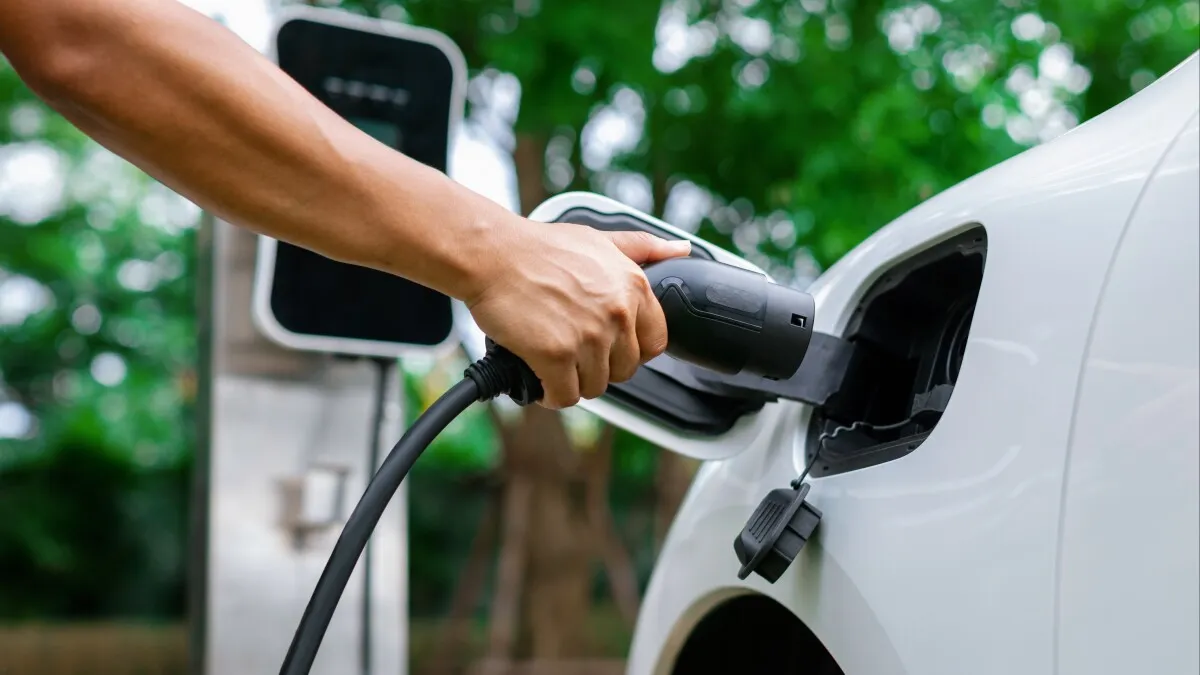
Think of it this way, you take your old petrol or diesel vehicle, strip out everything that makes it run on fossil fuels (the engine, the fuel tank, the exhaust, the fuel lines), and replace all of it with an electric motor, a battery pack, a motor controller, a Battery Management System (BMS), a charging port, and the necessary electrical wiring.
The technical term for this is Electric Vehicle Retrofitting, or simply EV Conversion. It's not a new idea globally; plenty of countries have already moved this from the experimental phase into full-blown commercial practice. Nepal, however, is still finding its footing here. Most of this is still in early pilot or testing stages locally, though some real work is clearly underway.
Okay, But How Much Is This Going to Cost?
Here's where things get real. Bhesh Bahadur Thapa, Chairman of Sundar Auto Engineering, puts the number plainly: converting a vehicle with a 40-litre diesel tank capacity will likely cost you upward of Rs. 15 lakhs.
That said, he's careful to add: "It's hard to give an exact figure. It depends on the dollar exchange rate, battery prices, and a bunch of other variables."
For smaller vehicles, your everyday car or taxi, the estimate is considerably more manageable. According to Thapa, a small taxi-sized car could get converted for somewhere around Rs. 4–5 lakhs, depending on the condition of the vehicle.
So the price range is wide, and that's kind of the point; there's no one-size-fits-all answer here. Every vehicle is different, and so is every conversion job.
It's Not as Simple as Just Swapping Parts
Before anyone gets excited and drives their old Maruti to a workshop, there's something important to understand: not every vehicle is eligible for conversion.
Before the actual work begins, technicians need to thoroughly assess the vehicle , its structure, chassis strength, weight-bearing capacity, suspension, and overall technical condition. Only vehicles that clear this evaluation move forward. If the base vehicle is too worn out or structurally compromised, the conversion simply won't be safe or practical.
Once the vehicle passes that check, the fossil fuel components come out, the electric system goes in, and the car is, in theory, reborn.
Nepal Has Actually Done This Before
This isn't completely uncharted territory. Sajha Yatayat, one of Nepal's most well-known public transport operators, has been quietly doing EV conversions for a while now. Engineer Bhushan Tuladhar from Sajha mentions they've already converted around 700 electric tempos in the past, so when the government announced this policy, Sajha's response was essentially: "This isn't new for us."
More recently, Sajha converted a diesel-powered bus into an EV, a promising sign that larger vehicles are on the table too.
On the private workshop side, Sundar Auto Engineering has been converting 14-seat vehicles and has already transformed 51 vehicles into EVs as part of this push.
Pilot projects within the Kathmandu Valley have also tested converting old diesel buses into electric ones, with some early results to show.
The Big Question: Who's Going to Pay for This?
This is honestly where the conversation gets a bit complicated.
Thapa puts it bluntly: "The government made this decision , great. But if someone spends Rs. 15 lakhs on a conversion, how do they recover that cost?"
It's a fair point. Converting a vehicle is one thing; making it economically worthwhile for the average vehicle owner is another challenge entirely. Thapa believes the government needs to sweeten the deal with tax exemptions, renewal discounts, and other financial incentives if it wants real, widespread adoption.
Tuladhar from Sajha echoes that sentiment and goes further, he says the government needs to set clear quality standards for conversions, define which vehicles can and cannot be converted, and create financial support structures for the industry, including subsidies on conversion materials and affordable credit for workshops doing this work.
He also raises a safety point that often gets overlooked: "There are genuine safety issues involved in these conversions. Standards need to be set, not just for quality, but for safety too."
And there's another angle worth thinking about. Nepal has a rule against operating vehicles older than 20 years. Tuladhar argues that instead of sending perfectly salvageable vehicles to the scrapyard, converting them to EVs could give them a new lease on life , a far smarter and more sustainable option, if done right.
What the Government Is Saying
Education Minister and Government Spokesperson Ssmit Pokhrel has framed this move as part of Nepal's broader environmental and energy goals. The idea, as he describes it, is twofold: reduce Nepal's dependence on imported petroleum, and increase domestic consumption of the country's own renewable hydropower energy.
That's a narrative that actually makes a lot of sense for Nepal. The country generates significant hydroelectric power and yet spends a massive chunk of foreign reserves importing fuel. Getting more vehicles running on electricity , especially locally generated electricity , is, in principle, a win on multiple fronts.
The Ministry of Physical Infrastructure and Transport is currently working on the operational guidelines that will define how all of this plays out in practice. Ministry Information Officer Gyanraj Lamsal has confirmed the procedures are in active development.
Conclusion
Nepal's EV conversion policy is a genuinely exciting development , but it's one that comes with a very long to-do list. The legal door is opening, the technical know-how exists in pockets, and there are operators like Sajha and workshops like Sundar Auto who are already doing the work.
What's missing is the full ecosystem: the financial incentives, the safety standards, the research backing, and the affordable access to batteries and components that would make this truly viable at scale.
The idea of turning your aging diesel car into a clean electric vehicle is compelling. Whether Nepal can make that transition practical , and affordable , for the average person is the real test ahead.
-original.webp)