The budget smartphone scene in Nepal just got more interesting. ZTE’s sub-brand Nubia has officially launched the Nubia A56, an entry-level smartphone priced at just Rs. 11,999. After making waves earlier this year with the V70 Max and V70 Design, Nubia seems to be doubling down on what it does best: offering distinct design, solid build quality, and surprising features for a price that seems almost too good to be true.
But can the Nubia A56 stand tall in a fiercely competitive segment ruled by brands like Xiaomi, Infinix, and Samsung? Let’s take a deep dive.
Design
The Nubia A56 doesn’t try to blend in, it wants to be noticed.
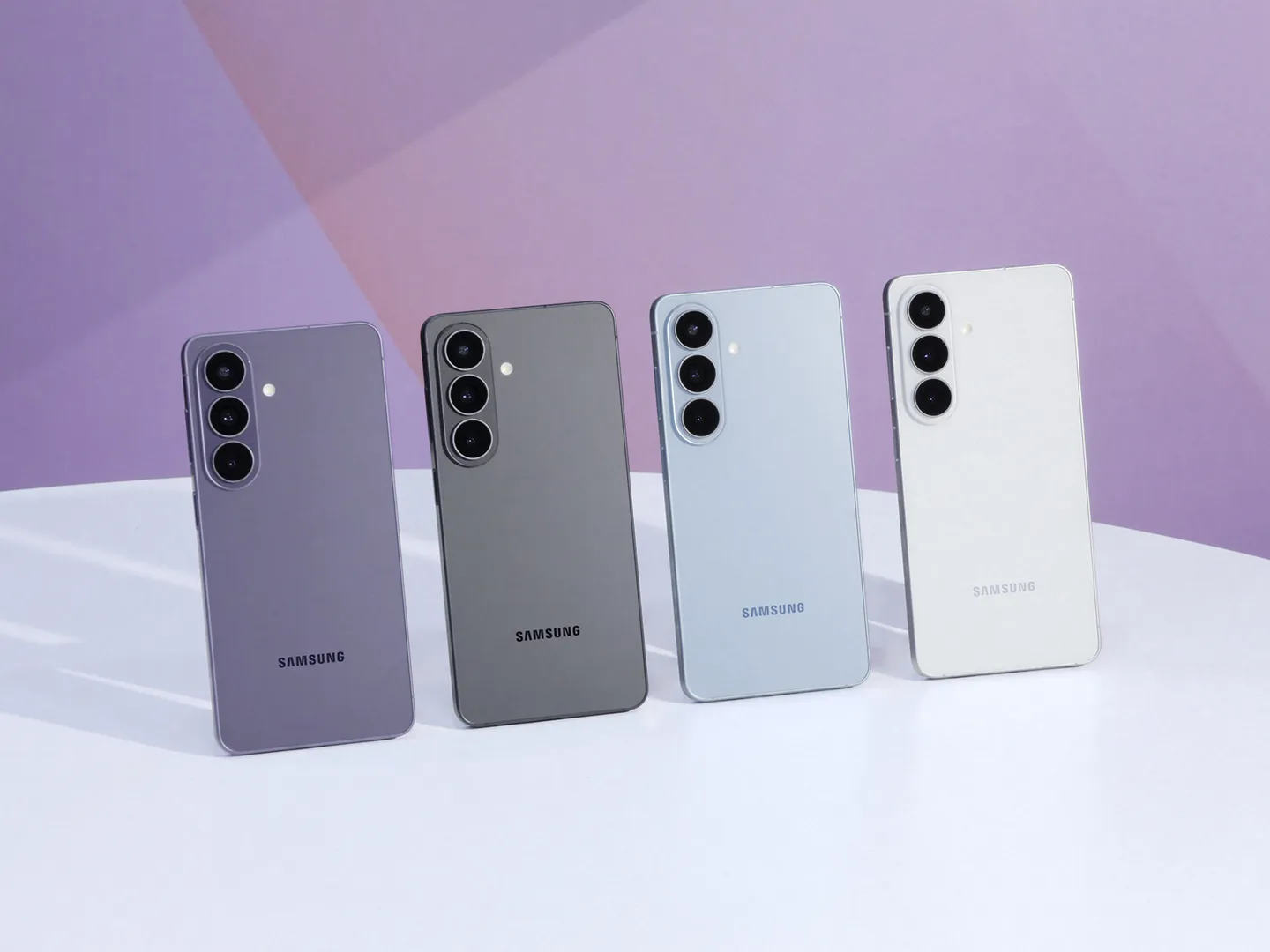
From the back, the phone features a large rectangular camera module outlined in champagne gold, complete with a striking red dot that instantly draws attention. It’s a bold choice, and while the styling may feel loud to some, it certainly sets the phone apart from the sea of bland plastic slabs in this segment.
Despite its plastic construction, the finish is clean and gives off a glass-like reflective sheen, lending the device a more premium aesthetic than its price would suggest. Small touches like the red-accented power button add personality without being gimmicky.
On the front, however, things are a bit more utilitarian. The phone sports an older waterdrop notch and noticeable bezels. While not modern by 2025 standards, it’s acceptable at this price point.
It comes in two color variants:
-
Celestial Black
-
Floating Gold
Both are minimal yet elegant, catering to different style preferences.
Display
Nubia A56 features a 6.75-inch IPS LCD panel with HD+ resolution (1600 x 720 pixels) and a 90Hz refresh rate. The size makes it great for media consumption, especially for users who love binge-watching videos or playing casual games.
Brightness is rated at 500 nits (HBM), which is decent but not extraordinary. In shaded environments and indoors, the display performs well. However, visibility under direct sunlight can be a challenge, this is typical for phones in this range.
Compared to some competitors now offering 120Hz refresh rates, the A56 falls slightly short in terms of specs. But the 90Hz panel is still a welcome upgrade from the 60Hz screens typically found in this category.
Performance and Hardware
At the heart of the Nubia A56 is the UNISOC T7200 chipset, a 12nm octa-core processor that’s good enough for day-to-day tasks like social media, light browsing, and messaging apps. You’re getting:
-
2x Cortex-A75 @ 1.6GHz
-
6x Cortex-A55 @ 1.6GHz
-
Mali-G57 MP1 GPU
This is paired with 4GB RAM and 128GB internal storage, which can be expanded up to 1TB via microSD card. There’s also support for virtual RAM expansion up to 12GB, which helps in multitasking, even if just slightly.
An interesting note: the phone comes with SGS Certification for 50 months of fluid performance. That’s a bold promise for a phone under Rs. 12,000, but one that may hold weight for casual users with light-to-moderate usage needs.
Camera
The Nubia A56 is fitted with a 13MP primary rear sensor with auto-focus. There are two additional auxiliary sensors, though ZTE hasn’t specified their purpose, likely depth or macro, but not particularly impactful in real-world usage.
On the front, there’s an 8MP selfie camera. Both front and rear shooters support video recording up to 1080p at 30fps, which is adequate for standard vlogging or video calls.
If you’re looking for a budget camera for basic captures and social media use, this setup should suffice. Just don’t expect flagship-like sharpness or night mode miracles.
Battery Life
Powering the Nubia A56 is a 5,000mAh battery, which has now become the standard in the budget smartphone market. It’s enough to get most users through a full day of light to moderate usage, think calls, YouTube, Facebook, and the occasional game.
Charging, however, is limited to 10W via USB Type-C, which feels underwhelming. At a time when some rivals are offering 15W or even 18W fast charging in similar price bands, ZTE could have gone the extra mile here.
Software
One of the most surprising aspects of the Nubia A56 is that it runs on Android 15, making it one of the few entry-level devices to launch with the latest Android version out of the box. This is layered with MyOS, ZTE’s own lightweight UI skin.
While the UI isn’t as polished or widely loved as Xiaomi’s MIUI or Samsung’s One UI Core, it remains fairly clean, bloat-free, and easy to navigate.
Even more interesting is the inclusion of Google Gemini out of the box, suggesting ZTE is making efforts to keep up with modern AI integration, even in budget phones.
Additional Features and Connectivity
Despite being budget-focused, the Nubia A56 packs a few nice extras:
-
Side-mounted fingerprint sensor (surprisingly fast)
-
3.5mm headphone jack (still loved by many in Nepal)
-
OTG support via USB Type-C
-
Dual SIM support
-
Sensors like G-sensor, proximity, and light sensor
These features may not sound flashy, but they add genuine utility to everyday users.
Price and Availability in Nepal
The ZTE Nubia A56 is officially priced at Rs. 11,999 for the 4GB RAM + 128GB storage variant. This pricing is highly competitive and puts it squarely in the budget segment.
It is available through:
-
Authorized retail stores across Nepal
-
Online marketplaces (expect availability through Hukut and other platforms)
Additionally, ZTE is offering an 18-month warranty, longer than the usual 12 months, and a 0% interest EMI option, making it more accessible to a wider audience.
Conclusion
The Nubia A56 doesn’t pretend to be anything it’s not. It’s a phone designed for first-time smartphone users, students, and anyone looking for a reliable device at a budget price.
Here’s what stands out:
-
Clean, modern design
-
Android 15 out of the box
-
Expandable storage up to 1TB
-
Virtual RAM support and SGS fluid performance certification
-
90Hz large display
Sure, there are limitations. The 10W charging feels slow, and the auxiliary cameras don’t add much value. But when judged purely by value-for-money, the Nubia A56 is one of the more thoughtfully balanced phones under Rs. 12,000.
With ZTE slowly re-establishing itself in Nepal, this launch feels like a step in the right direction, especially for a segment that demands innovation without breaking the bank.