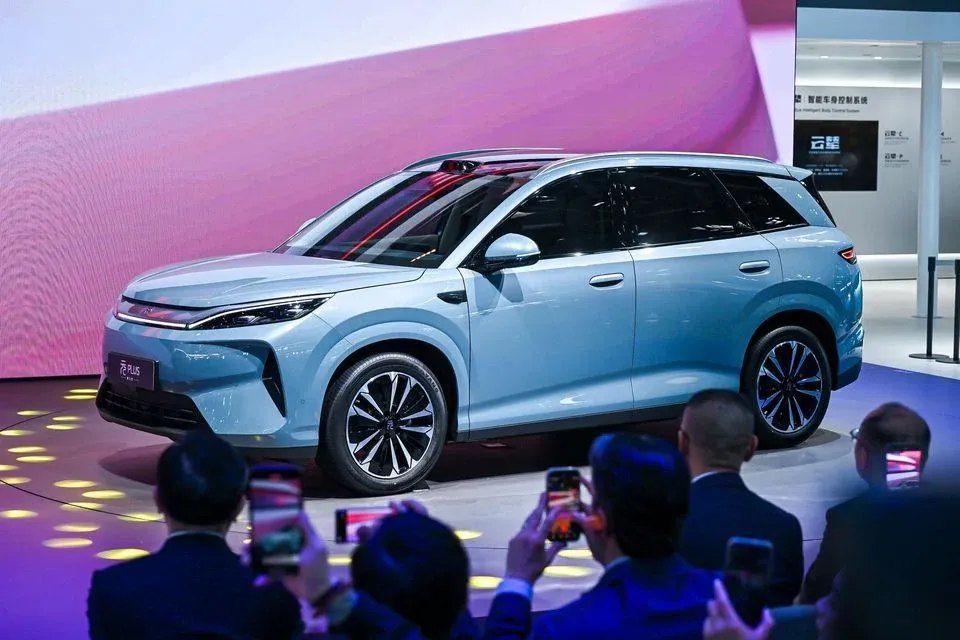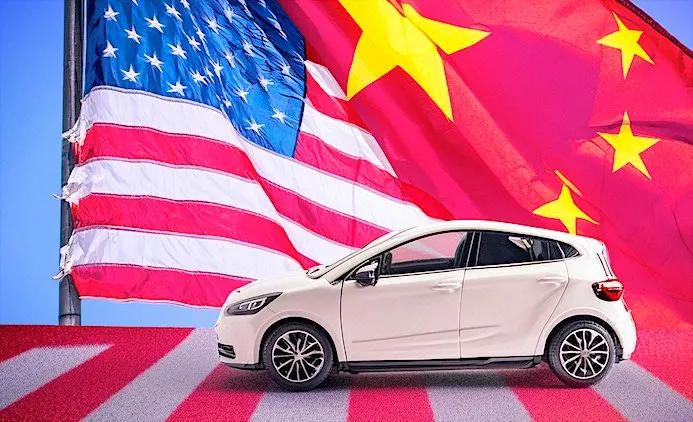
In a move aimed at protecting US manufacturers from the influx of cheap imports, President Joe Biden has announced a series of measures, including a 100% tariff on Chinese-made electric vehicles (EVs).
The White House revealed plans to impose more stringent curbs on Chinese goods worth $18 billion, signaling a potential escalation in trade tensions between the United States and China, the world's two largest economies.
The decision to impose a 100% tariff on Chinese-made EVs follows a four-year review and is intended to prevent the flooding of the US market with subsidized Chinese goods, particularly in the green technology sector.
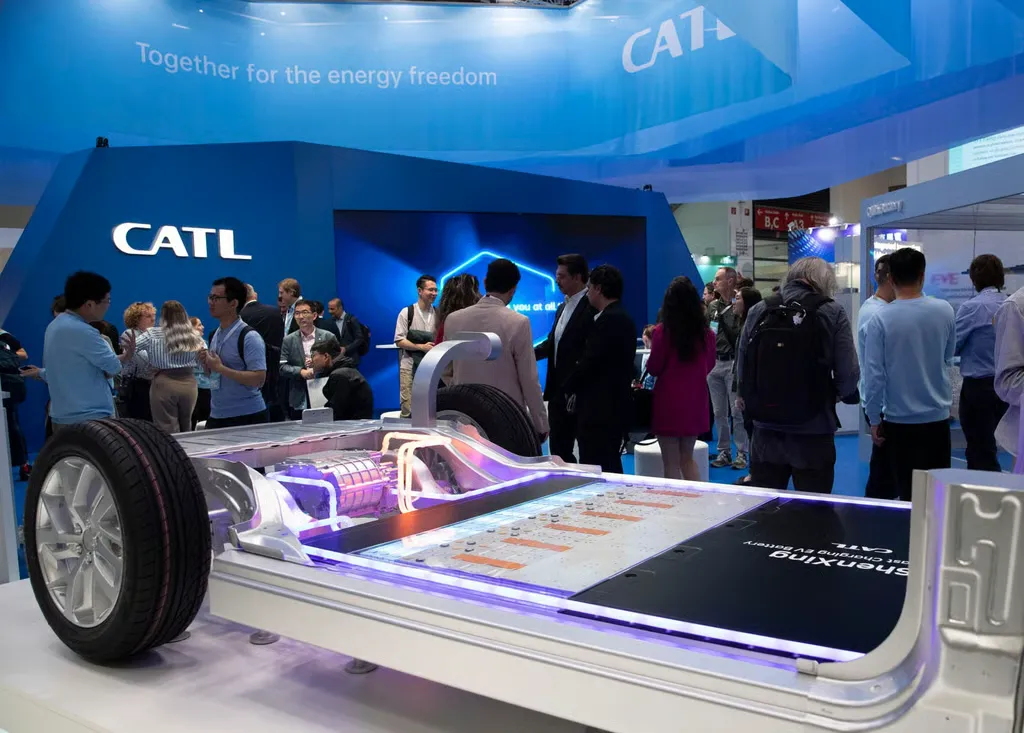
In addition to the tariff increase on EVs, levies will also rise on other key components, including lithium batteries, critical minerals, solar cells, and semiconductors. Tariffs on steel, aluminum, and personal protective equipment will also see a significant increase.
The move has sparked a response from China, with state media accusing the US of undermining fair trade and environmental protection. China contends that US consumers will ultimately bear the brunt of the tariffs.
Despite the risk of retaliation from Beijing, Biden defended the increased levies as a proportionate response to China's overcapacity in the EV sector. China's production of 30 million EVs annually exceeds domestic demand, leading to potential oversupply issues.
While Chinese EVs were largely blocked from the US market by tariffs imposed during the Trump administration, Biden's announcement underscores concerns about future competition and the potential impact on domestic carmakers.
Industry groups have warned that the introduction of Chinese cars to the US market could have dire consequences for American manufacturers. Biden's measures are part of broader efforts to boost US industry in high-tech sectors, particularly in battleground states crucial for the 2024 election.
Biden's approach to trade differs significantly from that of his predecessor, Donald Trump, with a focus on targeted measures rather than blanket tariffs. While Trump advocated for steep tariffs on all Chinese imports, Biden has emphasized the importance of fair competition and standing up to unfair economic practices.
The new tariffs will take effect after a 90-day period, during which potential retaliation from China will be closely monitored. The White House has stressed that the aim is not to escalate trade tensions but to support sectors of the US economy that have faced disinvestment.