In a world where motorcycle innovation is accelerating faster than ever, few names command the same reverence as Triumph. The British marque, known for its timeless designs and raw performance machines, has just raised eyebrows, and expectations, by announcing its most ambitious expansion yet. By 2026, Triumph plans to launch a staggering 29 new motorcycles, a mix of brand-new models and updates to existing favorites.
Yes, you read that right, 29.
While bold proclamations are nothing new in the motorcycle industry, Triumph’s detailed roadmap, structured rollout phases, and early glimpses into the models suggest this isn't just another marketing stunt. It's a strategic evolution. And if everything goes as outlined, Triumph is positioning itself not only to expand market share but to lead the global two-wheeler conversation in both legacy and future-forward segments.
Let’s unpack what makes this rollout historic, and potentially transformative, for the brand and riders around the world.
A Phased Rollout Across the Globe
Triumph isn’t rushing all 29 motorcycles to showroom floors at once. Instead, the company is employing a carefully calibrated, phased global release strategy:
-
Phase 1: Begins October 21
-
Phase 2: November 2025
-
Phase 3: December 2025
-
Phase 4: January 2026
-
Phase 5 (Final): March 2026
Each phase will feature teasers, specs, and strategic marketing campaigns, ensuring sustained interest and engagement across different rider communities. In fact, Triumph has already teased that on November 11, a fresh round of details, including new model reveals, will be made public.
So far, seven new motorcycles have already been announced, offering an exciting glimpse into what lies ahead.
Early Glimpses: What We Know So Far
Among the seven announced models, Triumph is clearly pushing in multiple directions: electric mobility, cross-country dominance, neo-retro sophistication, and high-capacity performance.
Some key highlights include:
-
TXP Electric Motorcycle Range: Triumph's answer to the electric revolution. Although full details remain under wraps, this series is expected to blend performance with sustainability, without compromising on the brand's muscular aesthetic.
-
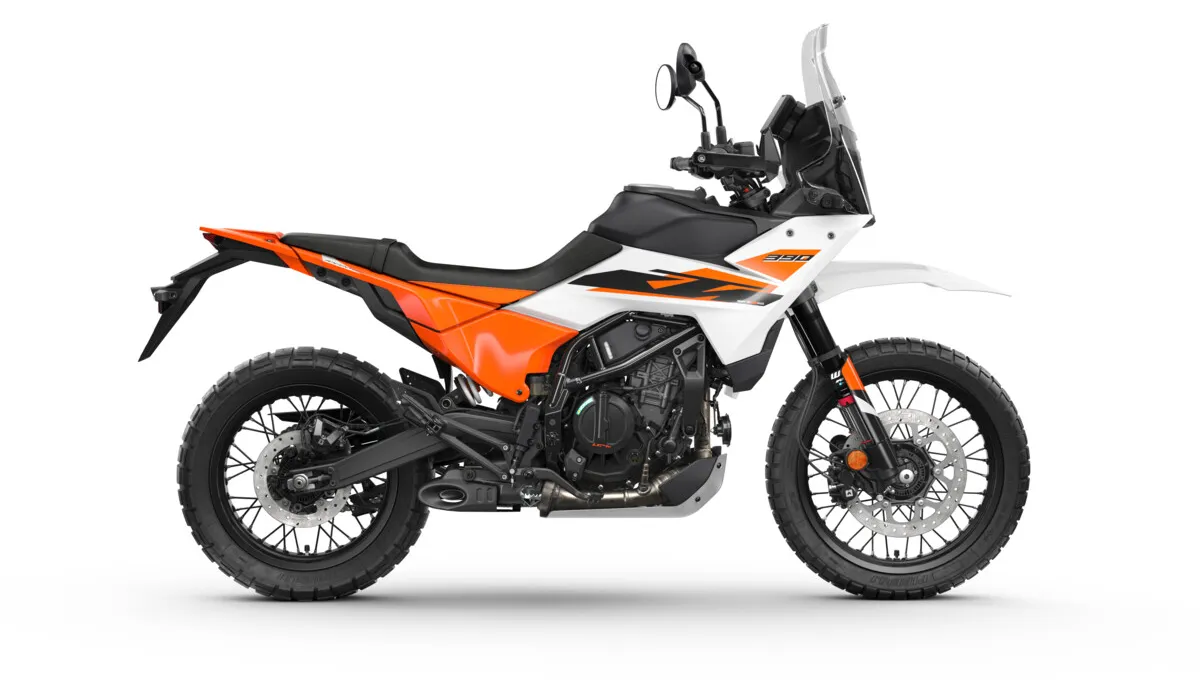
TF 450X: A new entry that appears to cater to off-road enthusiasts and dual-sport riders. This could be Triumph’s strategic bid to challenge Japanese dominance in the dirt/adventure segment.
-
Two Cross-Country Models: Likely additions to Triumph's popular adventure lineup, possibly successors or siblings to the Tiger series.
-
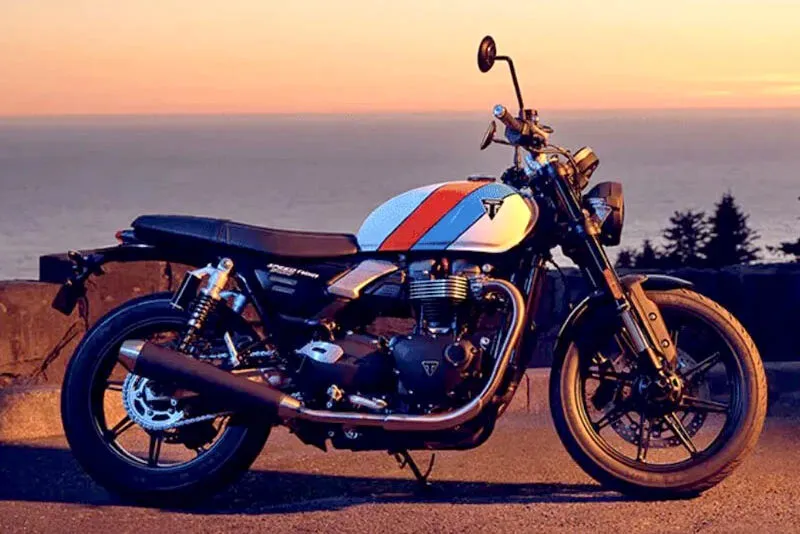
Updated Bonneville Lineup: The iconic Bonneville isn’t being left behind. Triumph is reworking this classic with contemporary improvements, likely engine tweaks, design refinements, and modern tech upgrades.
-
Trident 800: A much-anticipated evolution of the Trident 660, this bigger sibling is expected to feature a 798cc inline three-cylinder engine and a more aggressive yet still neo-retro design philosophy. It promises sportier handling with a chassis to match.
If the Trident 800 lives up to the early buzz, it could become one of the most important middleweight launches of the decade.
A Balancing Act: Heritage Meets Modern Innovation
What’s immediately clear is that Triumph is being careful not to abandon its DNA. Instead of going fully futuristic or clinging only to nostalgia, the company is weaving both into a diverse portfolio.
Take the Trident 800, for example. By increasing engine capacity and refining the chassis for agility, Triumph acknowledges the performance demands of today’s riders while retaining the styling cues that evoke emotional connection.
Similarly, the updated Bonneville line aims to keep the soulful character of the past alive, while injecting 21st-century features, likely including ride-by-wire, traction control, and advanced ABS systems.
This dual commitment, to heritage and innovation, is a strategic move that few manufacturers pull off well. Triumph seems intent on proving it can.
Entering the Electric Arena: TXP Range
One of the most important strategic moves is Triumph's entry into the electric motorcycle market through its TXP Electric Range. With global emissions norms tightening and urban mobility trends shifting rapidly, ignoring EVs is no longer an option.
While Triumph hasn’t yet revealed specs for the TXP, expectations are sky-high. Industry insiders speculate:
-
A mid-range electric platform that balances urban usability with occasional highway muscle
-
Possibly modular battery designs
-
Seamless integration of regenerative braking and smart displays
-
Minimalist yet premium styling
If the TXP lands with even half the elegance and performance of Triumph’s ICE (internal combustion engine) offerings, it could pose a significant threat to early players in the electric motorcycle game like Zero, LiveWire, and even the more premium end of Asia’s EV entrants.
What’s Fueling This Expansion?
At the heart of Triumph’s aggressive product blitz appears to be a combination of strategic foresight and competitive urgency.
-
New Partnerships: Collaborations such as the one with Bajaj (especially for smaller-capacity bikes for Asia and emerging markets) may be giving Triumph the manufacturing bandwidth and localization insights needed for a rollout of this scale.
-
Global Market Adaptation: From Europe to Southeast Asia, market dynamics are shifting. Riders are increasingly demanding variety, be it lightweight urban commuters, adventure tourers, electric alternatives, or retro-styled cruisers. Triumph’s 29-bike strategy seems to be designed with this demand granularity in mind.
-
Brand Rejuvenation: After years of steady but somewhat traditional output, this aggressive lineup suggests Triumph is entering a more youthful, risk-tolerant phase of its corporate identity. That could resonate with younger riders globally.
Design Language
From what has been unveiled so far, Triumph's upcoming models exhibit three parallel design themes:
-
Neo-Retro: Especially in the Trident and Bonneville updates, Triumph continues to master the art of blending yesteryear’s curves with today’s sharp finishes.
-
Aggressive Minimalism: Seen in concepts like the TF 450X and upcoming cross-country models, more exposed frames, sharper tank profiles, and angular LED headlamps.
-
Clean Electric Aesthetic: The TXP electric line seems poised to embrace the minimalist ethos typical of modern EVs, clean lines, seamless bodywork, and possibly hubless or lightweight alloy wheels.
Triumph isn't trying to reinvent itself, but rather extend its visual vocabulary to resonate with all types of riders, from purists to futurists.
Performance Expectations and Engine Platforms
While full technical specs are still under wraps for most of the models, what we do know already reveals Triumph’s calculated escalation:
-
Trident 800: 798cc, three-cylinder platform
-
Likely to produce 85–95 hp, placing it squarely in the higher-middleweight class
-
Improved ride ergonomics and suspension, possibly Showa USD forks and an updated mono-shock rear
For the cross-country and adventure models, one can expect torque-rich delivery, long-travel suspension, and dual-purpose tires. The TF 450X, meanwhile, is likely to borrow from motocross geometry, lightweight, nimble, and responsive.
And if Triumph brings any derivatives of its larger Tiger or Rocket platforms into this lineup, expect raw power to be part of the equation.
Conclusion
This isn’t just about numbers. A 29-bike roadmap is a signal.
It says Triumph is no longer content playing a reactive role in the market. It wants to shape what motorcycling looks like over the next five years.
It also says the brand is deeply listening, to market needs, to technology shifts, and to rider desires from Kathmandu to California.
If Triumph executes this roadmap with the precision and quality it’s known for, we might be looking at the beginning of the brand’s second golden age. The fact that the rollout is staggered means it will dominate headlines and rider forums consistently over the next two years.
The countdown has begun. And if you’re a Triumph fan, or just a motorcycle lover in general, 2026 can’t come soon enough.