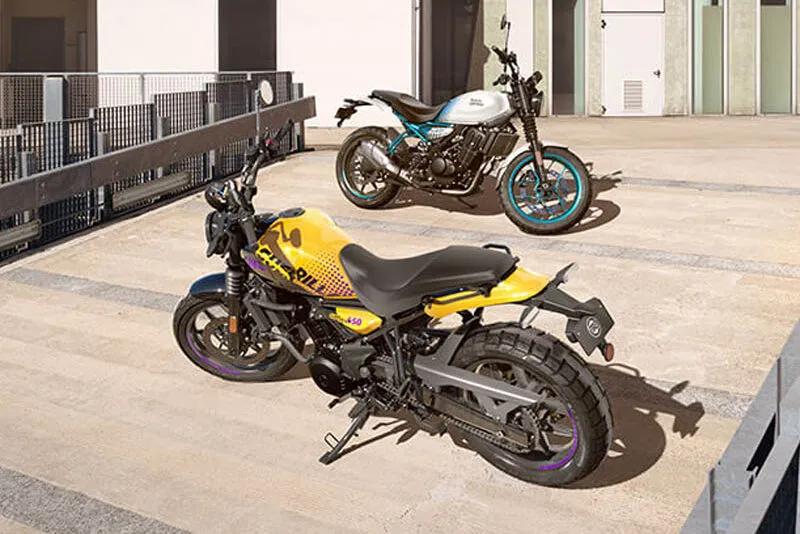
If you've driven through the streets of Kathmandu or cruised the highways toward Pokhara lately, chances are you've seen a Royal Enfield thumping past, its unmistakable engine note turning heads and its rugged design stealing glances. What once felt like a niche, premium brand catering to enthusiasts has now transformed into a dominant player in Nepal’s mainstream motorcycle market. And the numbers speak for themselves.
In the financial year 2025 (April 1, 2024 , March 31, 2025), Royal Enfield, under its official distributor Alpha Automotive, sold a staggering 11,883 motorcycles in Nepal. That’s a leap from 10,085 units sold in the previous fiscal year, marking a remarkable growth trajectory in one of South Asia’s most diverse two-wheeler markets.
But this success isn’t just about raw numbers. It's a compelling case study of brand positioning, market segmentation, local manufacturing, and strategic timing.
Assembly-Driven Strategy: Making Enfield More Local
Perhaps the most significant turning point in Royal Enfield’s rise in Nepal has been its localized assembly model. Operated under the Triveni Group’s Alpha Automotive, the company now assembles Royal Enfield motorcycles within Nepal using the CKD (Completely Knocked Down) method.
This assembly unit is no small setup, situated in Bara district, the 10,000 square foot plant has the capacity to produce up to 20,000 units annually. But the advantage isn’t just logistical. With government incentives, including 50% excise duty and 25% customs duty relief on CKD imports, Royal Enfield has been able to offer more competitive pricing, create local jobs, and establish a firm manufacturing footprint.
The decision to localize assembly came at a time when the Government of Nepal began encouraging domestic vehicle production. For Royal Enfield, it meant not only cost efficiency but also deepening brand presence in a growing economy that increasingly values both aspiration and affordability.
Market Dynamics
While brands like Honda, Bajaj, and TVS are locked in fierce competition in the below-250cc motorcycle segment, Royal Enfield operates in a relatively less saturated space. Its core offerings , the likes of Classic 350, Meteor 350, Hunter, and Himalayan, sit comfortably in the 350cc and above category, which has historically seen fewer active competitors in Nepal.
This strategic segmentation has worked brilliantly. Riders looking for an upgrade, both in terms of performance and stature, find Royal Enfield to be a natural step forward. It's not just a motorcycle purchase, it’s an entry into a lifestyle, a statement of identity, and often a dream realized.
The Financial Picture: More Than Just Bike Sales
Royal Enfield’s success in Nepal isn’t limited to unit sales. The financial health of Alpha Automotive mirrors its operational momentum:
-
Total trade value in FY2025: NPR 3.74 billion
-
Net profit: NPR 172 million
-
Cash profit: NPR 197 million
Compare this with the previous year (FY2024), where the company recorded:
-
NPR 2.92 billion in trade
-
NPR 147 million net profit
-
NPR 154 million in cash profit
And keep in mind, Alpha Automotive only started commercial operations in May 2023. To scale up this fast, within just three years, and to carve out a brand monopoly in a specific segment is both rare and impressive in a market as diverse and price-sensitive as Nepal’s.
Why Royal Enfield Resonates in Nepal
Cultural Fit
There’s something about Royal Enfield that syncs deeply with Nepali sensibilities. The mountainous terrain, the demand for mid-range torque, and the emotional appeal of long rides make the Enfield ethos a perfect cultural fit.
Aspirational Yet Attainable
With localized assembly and government subsidies, the price point of these motorcycles has become increasingly accessible. For many, it’s the first "premium" bike they can realistically buy, no longer out of reach.
Community and Brand Loyalty
Royal Enfield doesn’t just sell motorcycles, it cultivates a community. From Enfield clubs to Himalayan adventure rides, it fuels a lifestyle. This community-building has helped lock in brand loyalty across age groups.
Conclusion
Royal Enfield’s dominance in Nepal is not an accident. It is a calculated result of smart market entry timing, local assembly backed by policy support, strategic segmentation, and a strong, culturally resonant brand. It has taken a market known for 125cc and 150cc commuters and introduced a new class of motorcycles that symbolize freedom, power, and prestige.
As the thump of Royal Enfield engines echoes louder through the hills of Nepal, one thing is clear, the brand is not just selling motorcycles anymore. It is selling a dream. And Nepalis, in increasing numbers, are buying in.
-original.webp)
-original.webp)
-original.webp)