In recent years, Nepal’s electric vehicle (EV) market has grown from a niche interest to a mainstream movement. But the numbers recorded in the first quarter of the current fiscal year tell a bigger story, one that reflects not only evolving consumer preferences but also a shifting national strategy toward cleaner, more sustainable transportation.
According to the Department of Customs, electric vehicles worth NPR 6.25 billion were imported into Nepal in just the first three months of the current fiscal year. That’s an increase from NPR 6.10 billion during the same period last fiscal year, an impressive growth considering the economic headwinds, logistical hurdles, and high upfront costs of EVs. However, what’s even more fascinating isn’t just the total value, it’s the growing variety of power capacities and the types of EVs making their way into the country.
Nepal’s Quarterly EV Import Breakdown: What the Data Reveals
A total of 2,620 electric vehicles, comprising cars, jeeps, and vans, were imported in the first three months of the fiscal year 2082/83. This is a rise of 104 units compared to the same period last fiscal year, when 2,516 EVs were brought in.
Imports by Power Output Category
The Department of Customs classifies EVs into multiple segments based on their kilowatt (kW) capacity. Here's how each category performed:
Up to 50 kW Category
-
Last fiscal year (first three months): 772 units worth NPR 1.39 billion
-
This fiscal year (same period): 751 units worth NPR 1.26 billion
Interestingly, this category saw a slight decline both in unit volume and monetary value. This suggests a possible consumer shift away from entry-level or lower-powered EVs, often budget-oriented models, to higher-performance alternatives.
Up to 100 kW Category
-
Last fiscal year: 1,582 units worth NPR 4.16 billion
-
This fiscal year: 1,545 units worth NPR 4.02 billion
While unit sales dipped marginally, this category still dominates total import volume, showing that mid-range EVs remain the most popular among Nepali consumers. These models likely offer the ideal balance between price, performance, and utility for Nepal's roads.
Up to 200 kW Category
-
Last fiscal year: 159 units worth NPR 530 million
-
This fiscal year: 323 units worth NPR 957 million
This segment more than doubled in units and value, marking the most significant leap across all categories. These EVs generally represent high-end models and luxury electric SUVs, signaling the rise of a premium EV customer base in Nepal.
Up to 300 kW Category
-
Last fiscal year: 3 units worth NPR 18.4 million
-
This fiscal year: 1 unit worth NPR 4.8 million
Though this category saw a drop, it’s statistically minor due to the low volumes and specialized nature of these ultra-high-performance vehicles.
What’s Fueling This Growth?
The rise in EV imports, particularly in the mid-to-premium categories, is not coincidental. Several factors are converging to drive this shift:
-
Government incentives: Reduced excise duties and customs taxes on EVs in recent budgets have made EVs more financially attractive.
-
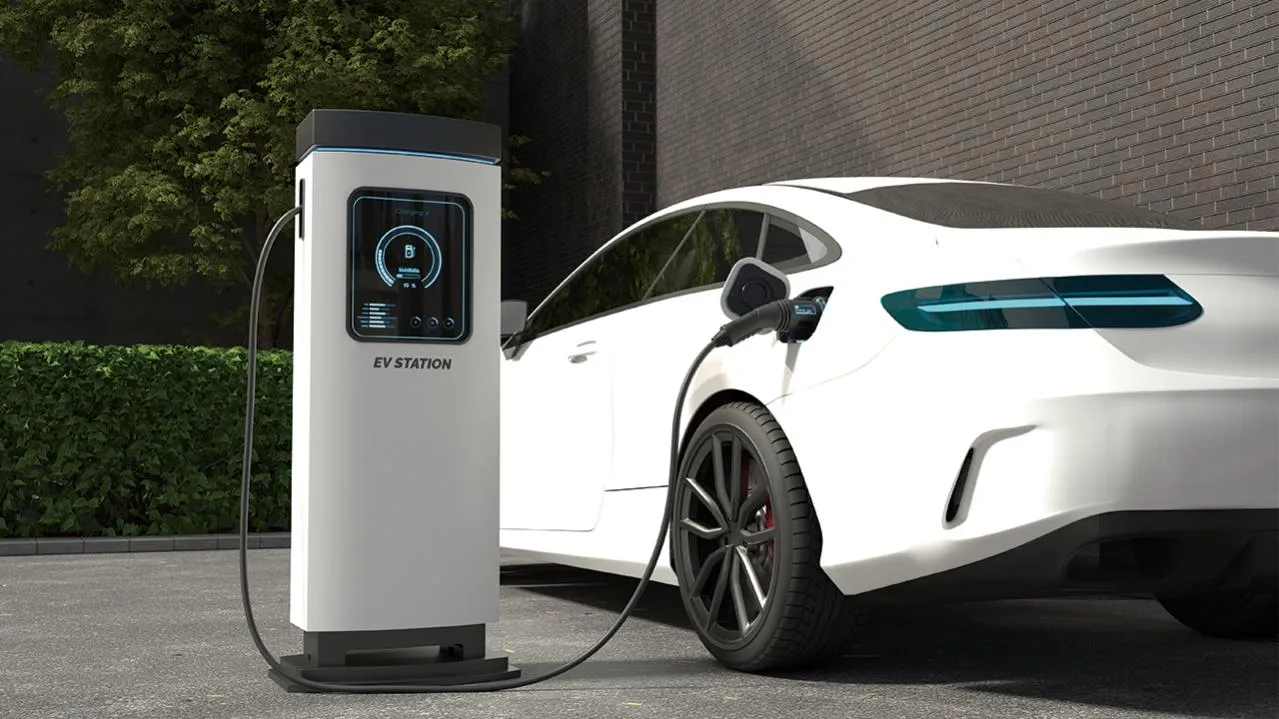
Infrastructure improvements: The expansion of fast-charging stations, especially in urban corridors and highway rest stops, has helped ease range anxiety.
-
Fuel price volatility: Consistently high fossil fuel prices are nudging consumers toward electricity-powered alternatives.
-
Environmental awareness: Younger consumers and urban buyers are increasingly prioritizing sustainable choices, and EVs offer a cleaner, quieter alternative.
The Rise of EV Brands in Nepal
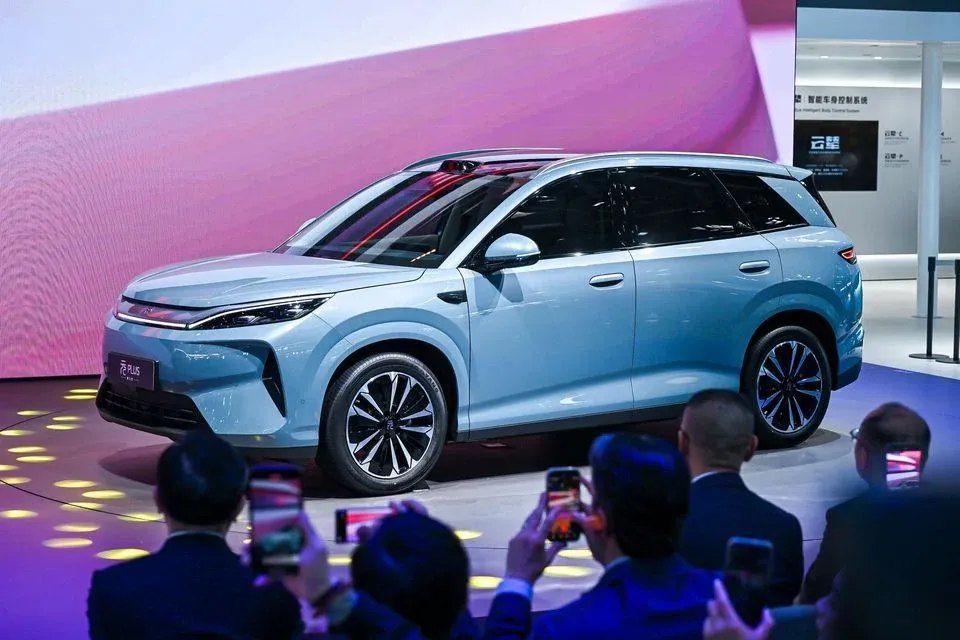
With growing demand, the diversity of brands entering the market has also expanded. From mass-market players like BYD, MG, and Tata to higher-end models from Hyundai, Kia, and even Audi and BMW, the EV ecosystem in Nepal is rapidly evolving.
Dealers have also adapted, offering financing plans, after-sales support, and extended warranties, which further build consumer confidence in making the switch to electric.
What This Means for Nepal’s Auto Future
The data makes it clear: the EV transition in Nepal is no longer in its infancy. The fact that NPR 6.25 billion worth of EVs were imported in just three months, despite economic uncertainties, speaks volumes about the consumer momentum.
Even more compelling is the increase in high-powered vehicle imports, reflecting a market that is maturing and diversifying. It’s not just about fuel savings anymore, it’s about performance, lifestyle, and long-term investment in a greener future.
Nepal's geography and urban density are well-suited for EV adoption, and if current trends continue, electric vehicles could make up a significant portion of the national vehicle fleet within the next five years.
Conclusion
Nepal is at a critical junction. The government has the opportunity to further accelerate this shift by continuing to support EV-friendly policies, investing in charging infrastructure, and ensuring that grid electricity, preferably renewable, is affordable and accessible.
Meanwhile, consumers are already doing their part by choosing electric over fossil-fuel options, not just for environmental reasons but for practical, economic, and aspirational ones. The numbers aren’t just statistical, they are directional. And all signs point toward a future where Nepal is not just following global EV trends, but possibly leading them in South Asia.